





I Love You Coloring Pages Overview
You're probably here because you need a quick solution, right? Well, if you're looking for a simple guide to understanding hair length, the hair level chart is a handy tool. It's like having a secret code to deciphering those tricky hair measurements. This chart, a simple yet effective reference, can help you determine your hair's growth and length accurately. From there, you can explore various hair growth charts, length guides, and even styling tips tailored to your hair's level.
Understanding the Hair Level Chart: A Quick Overview
The hair level chart is a useful tool for anyone interested in hair care and styling. It provides a visual representation of hair length, offering a standardized way to measure and communicate hair length. This chart is especially handy for professionals in the hair industry, ensuring consistency in haircuts and styles.
Comparing Hair Level Chart Standards and Formats
There are a few different standards and formats for hair level charts. The most common one is based on the hair growth chart, which typically uses a numerical scale. This scale ranges from 1 to 10, with each number representing a specific hair length. For example, level 1 might indicate very short hair, while level 10 represents extremely long hair.
Another format uses descriptive terms, such as "short," "medium," and "long," to categorize hair lengths. This method is often used in everyday conversations and provides a more general idea of hair length. However, it lacks the precision of numerical scales.
Measuring Hair Accurately: A Step-by-Step Guide
To use the hair level chart accurately, follow these simple steps:
- Start by determining your current hair length. You can do this by measuring your hair from the scalp to the tip.
- Compare your measurement to the chart. Look for the closest match on the numerical scale or find the descriptive term that best describes your hair length.
- If you're using a numerical scale, you might find your hair length falls between two levels. In such cases, you can estimate or round up to the nearest level.
- Once you've identified your hair level, you can communicate it to your hairstylist or use it as a reference for styling and product choices.
Common Misconceptions and Pitfalls to Avoid
While the hair level chart is a practical tool, there are a few things to keep in mind:
- Hair length can vary depending on factors like hair type, texture, and individual growth rates. So, while the chart provides a standard, your personal hair characteristics may influence the accuracy of the measurement.
- The chart might not cover all hair types and styles. For instance, some hairstyles, like dreadlocks or extensions, may require additional considerations.
- It's essential to measure your hair accurately. Ensure you measure from the scalp and consider the natural fall of your hair.
- Remember, the chart is a guide, and individual preferences may vary. Feel free to adjust the level based on your desired style and comfort.
By understanding these factors, you can use the hair level chart effectively and make informed decisions about your hair care and styling.
Well, there you have it! A handy hair level chart can be a great tool to ensure you're getting the right products and services for your hair type. It's always a good idea to refer to these charts and guides, but remember, every head of hair is unique, so make sure to consider your specific needs and goals.
Feel free to explore our other guides and resources; we've got plenty of practical tips and tricks to help you navigate the world of hair care and styling. Happy hair adventures!
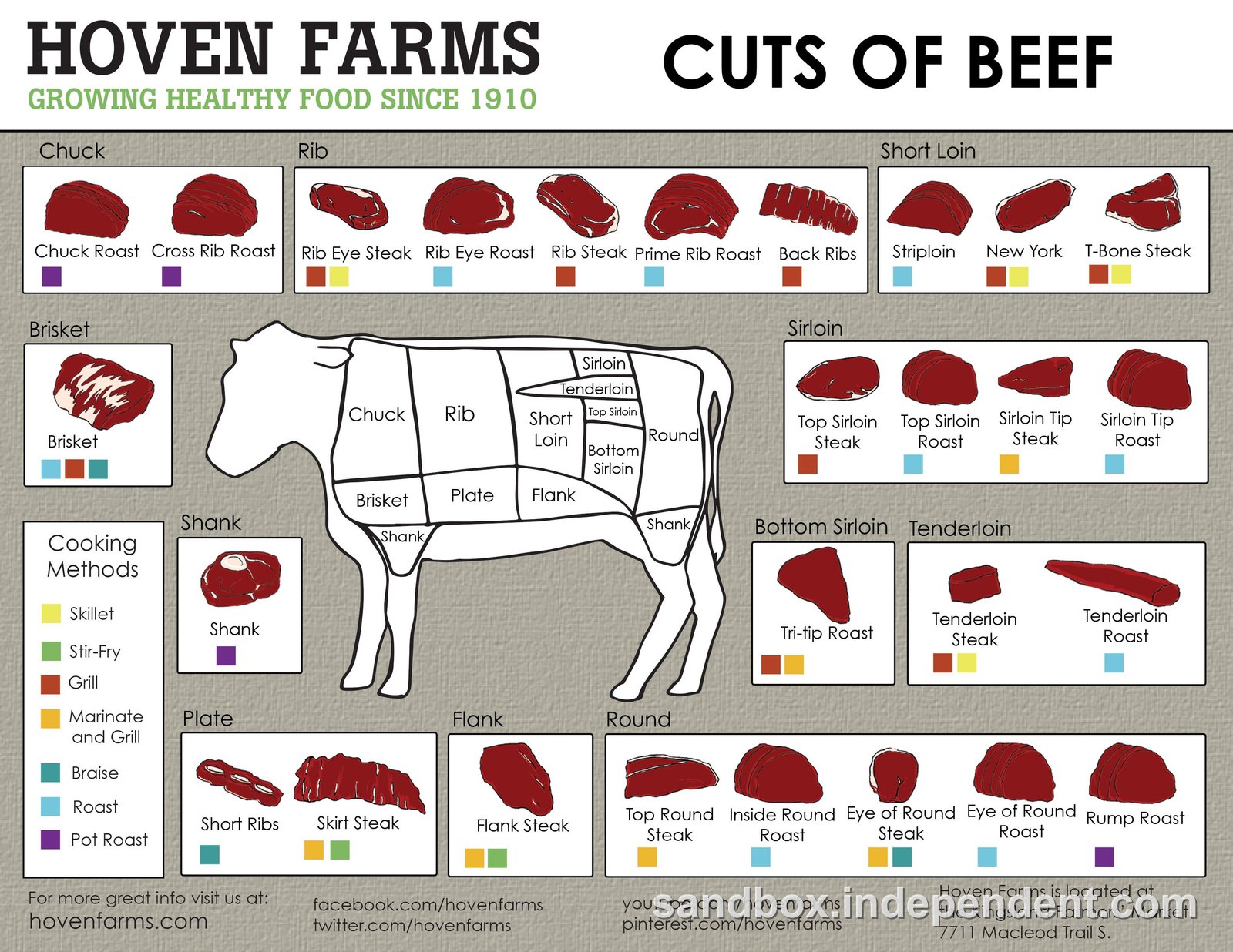
Related: Find Your Perfect Steak: A Cook's Guide
A common misconception about the steak cook chart is that it's a rigid, one-size-fits-all guide, which can lead to over-complicating a simple cooking process. However, this chart is a versatile tool, offering a clear and concise way to achieve your desired steak doneness. It provides a straightforward reference for cooking temperatures and times, ensuring your steak is cooked to perfection every time. With the steak cook chart, you can easily navigate the different stages of doneness, from rare to well done, and understand the internal temperature guidelines.
Understanding Doneness: A Guide to Steak Cook Charts
Steak cook charts are a valuable tool for any cook, offering a visual guide to achieving the perfect steak doneness. These charts provide a simple yet effective way to understand and control the cooking process, ensuring your steak turns out just how you like it. Let's explore what these charts offer and how to use them effectively.
Comparing Cook Chart Standards and Formats
Steak cook charts typically present a range of doneness options, from rare to well done, and provide corresponding temperature ranges or times. These charts can vary slightly depending on the standard or region they follow. For instance, some charts may use Fahrenheit temperatures, while others opt for Celsius. It's essential to be aware of these variations and ensure you're using the right chart for your needs.
Step-by-Step Guide: Using a Steak Cook Chart
Using a steak cook chart is straightforward and can greatly improve your cooking accuracy. Here's a simple process to follow:
Choose the Right Chart: Select a chart that aligns with your cooking method and desired doneness. Different charts may cater to grilling, pan-frying, or even sous vide cooking.
Understand the Doneness Levels: Familiarize yourself with the doneness options on the chart. These often include terms like rare, medium-rare, medium, and well done, each with its temperature or time range.
Prepare Your Steak: Ensure your steak is at room temperature before cooking. This simple step can significantly impact the cooking process and final result.
Cook and Monitor: Follow your chosen cooking method and refer to the chart for guidance. Regularly check the internal temperature of your steak using a meat thermometer. This ensures you achieve the desired doneness without overcooking.
Rest and Serve: After cooking, allow your steak to rest for a few minutes. This resting period is crucial as it allows the juices to redistribute, ensuring a juicy and flavorful steak.
Avoiding Misreadings and Pitfalls
While steak cook charts are a fantastic tool, there are a few potential pitfalls to avoid:
Internal Temperature: Always use a reliable meat thermometer to check the internal temperature. Don't rely solely on the chart's time estimates, as cooking times can vary based on steak thickness and other factors.
Resting Times: Don't skip the resting step! It's a critical part of the process and can make a significant difference in the final doneness and juiciness of your steak.
Thickness and Size: Be aware that thicker steaks may require adjustments to cooking times or temperatures. Always consider the size and thickness of your steak when using a cook chart.
Key Factors for Accurate Results
Several factors can influence the accuracy of your steak cook chart readings:
Cooking Method: Different cooking methods, such as grilling or pan-frying, can impact doneness. Ensure your chart aligns with your chosen method.
Steak Thickness: Thicker steaks may require longer cooking times or higher temperatures to achieve the desired doneness.
Room Temperature: Allowing your steak to reach room temperature before cooking can ensure more consistent and accurate results.
Resting Times: As mentioned, resting times are crucial. A well-rested steak will be juicier and more flavorful.
Personal Preference: Remember, these charts provide a guide, but your personal preference is key. Adjust temperatures or times slightly to find your perfect steak doneness.
By understanding these factors and following the simple steps outlined, you'll be well on your way to achieving the perfect steak every time, using the steak cook chart as your trusted guide.
Your steak cook chart is a valuable tool, a quick reference guide to ensure delicious results every time. It offers a clear path to cooking perfection, and with its step-by-step guidance, you'll soon master the art of steak cooking.
Remember, while this chart provides a solid framework, your personal preferences and the specific steak you're cooking may require some adjustments. So, keep an eye on your steak, trust your instincts, and don't be afraid to make those subtle tweaks to get the doneness just right. It's all about finding that perfect balance!
Related: Find Your Perfect Jean Size with Our Chart
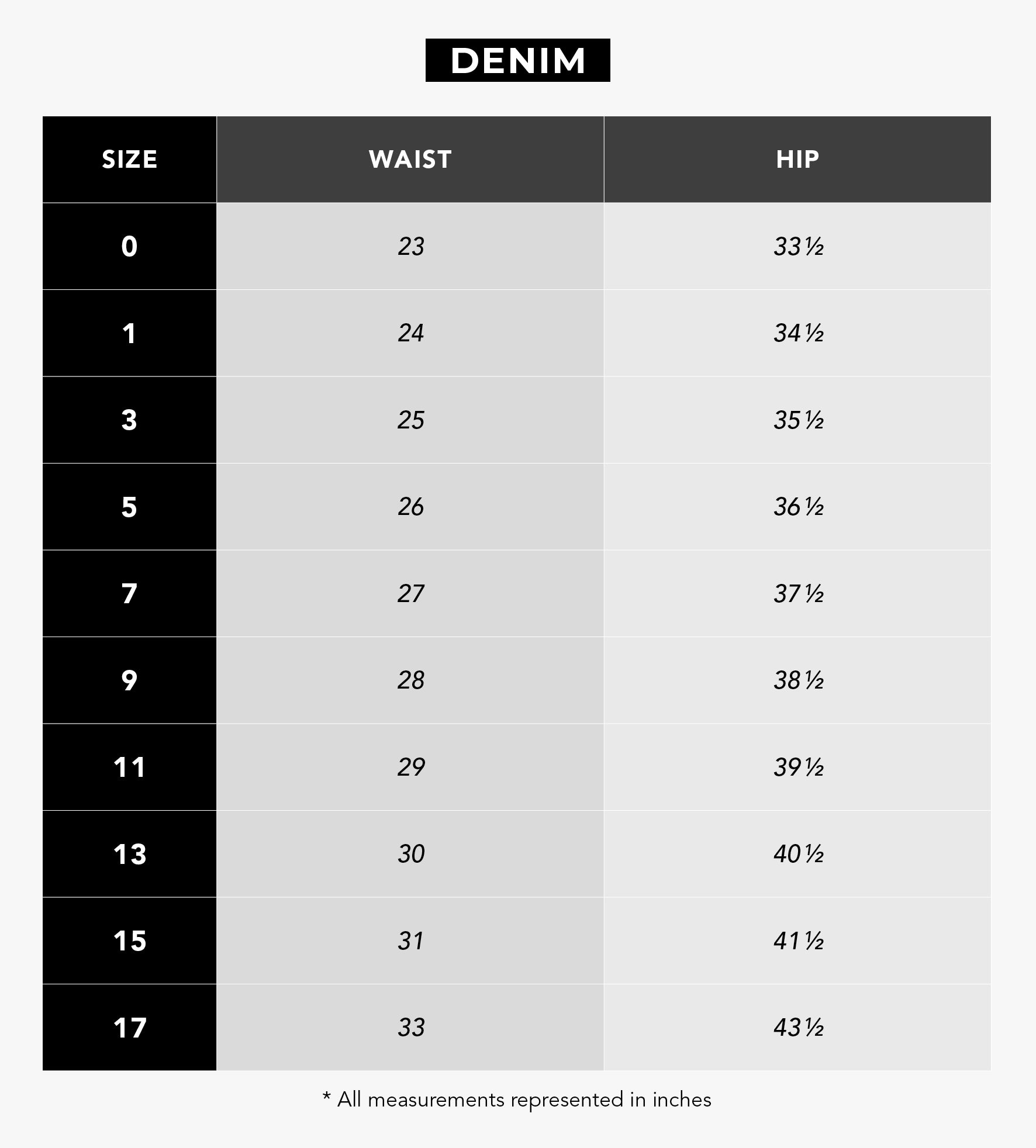
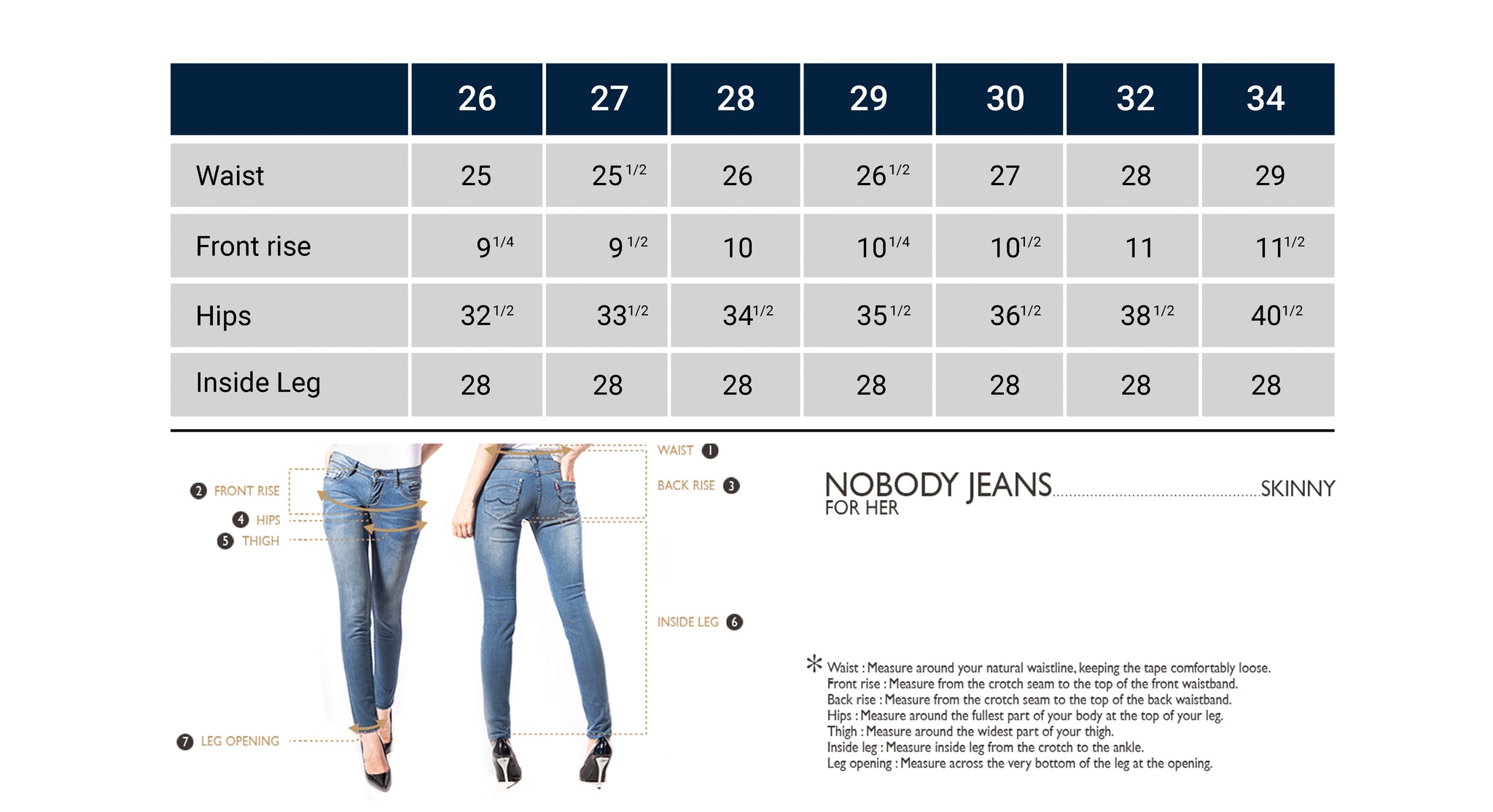
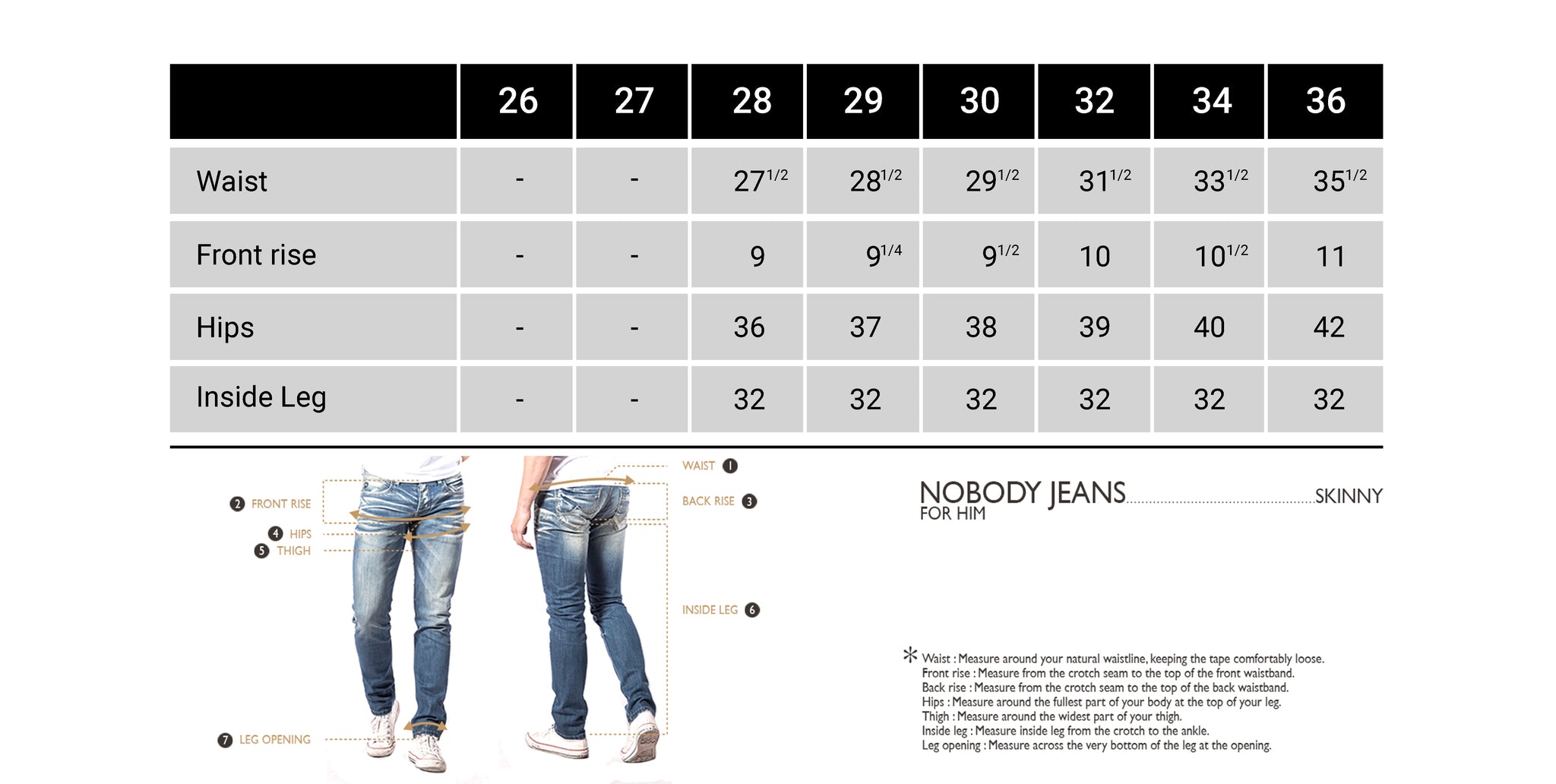
You've likely found yourself searching for a jean size chart at some point, whether it's to double-check a size before ordering online or to understand the measurements listed on a clothing tag. These charts are a handy tool, offering a quick reference for finding your perfect fit, and they can vary slightly depending on the brand and region. With a simple glance, you can navigate the world of denim sizing, ensuring you always get the right pair of jeans.
Understanding Size Charts: A Guide to Jean Sizing
The jean size chart is a handy tool that simplifies the process of finding your perfect fit in denim. This chart provides a standardized way to determine your jean size, making it easier to shop for jeans, both in-store and online. It offers a quick reference for waist and hip measurements, ensuring you choose the right size for your body.
Comparing Standards and Formats
Jean size charts can vary depending on the region and manufacturer. The most common standards are the US and international (metric) systems, each with its own set of measurements and size labels. US sizes are often based on waist size, while international sizes may use a combination of waist and hip measurements. It's essential to know which standard a chart follows to ensure accurate sizing.
Step-by-Step Guide: Measuring for Jeans
To use a jean size chart accurately, follow these steps:
- Gather a measuring tape and stand in a comfortable position. Ensure the tape is straight and not twisted.
- Measure your waist at the narrowest point, usually just above your belly button. This is your waist size.
- Optionally, measure your hip at its widest point, typically around the hip bones. This measurement is crucial for a precise fit, especially for curvier figures.
- Refer to the jean size chart and locate your waist size. Some charts may also provide a hip size range for each waist size, ensuring a better fit.
- Choose the size that corresponds to your measurements. If your waist and hip measurements fall into different size categories, select the size that accommodates your hip measurement to ensure comfort and a flattering fit.
Avoiding Misreadings and Pitfalls
One common mistake is assuming all jean size charts are universal. Always check the standard and units used on the chart. For instance, a US size 8 may not align with an international size 8. Additionally, remember that jeans can stretch over time, so consider choosing a size that feels slightly snug initially.
Factors Affecting Accuracy
Several factors can influence the accuracy of a jean size chart. Firstly, body shape and proportions vary greatly, so a single chart may not cater to all body types. Secondly, denim fabric can stretch and shrink, especially with frequent wear and washing. To account for this, some charts provide a size range or suggest choosing a size down for a more tailored look. Lastly, manufacturing variations can lead to slight size discrepancies between brands. Always refer to the brand's size guide for specific tolerances.
Adapting the Chart for Your Needs
If you prefer a more tailored fit, consider using a pant size calculator or a detailed clothing size chart that considers multiple body measurements. These tools offer a precise fit by accounting for various body dimensions. Alternatively, for a quick and convenient option, stick to the standard jean size chart, which provides a good starting point for finding your size.
Well, there you have it! A comprehensive guide to jean sizes, covering all the bases and offering a practical solution for your sizing needs.
Remember, while this chart is a fantastic tool, it's always wise to double-check your specific requirements and context. Exact values can vary, so ensure you're using the right standards and measurements for your situation. With this guide, you're well-equipped to navigate the world of jean sizes confidently.
Consider bookmarking this page for future reference; it'll be a handy resource whenever you need to size up your denim game!