

I Love You Coloring Sheets Overview
Many people struggle with understanding wig length charts, often assuming they are complex and intimidating. But fear not, they are actually a simple and handy tool!
The wig length chart is your friend, providing a clear visual guide to help you choose the right wig length. It's a straightforward reference, offering a quick solution to ensure you get the perfect fit and style. While the values might vary slightly, the chart's purpose remains the same: to make your wig journey an easy and enjoyable one!
Wig Length Chart: Unlocking the Perfect Fit
Wig length charts are your secret weapon to finding the ideal wig. These charts provide a visual guide to help you understand and choose the right wig length based on your preferences and head shape. It's like having a personal stylist at your fingertips!
Key Details and Categories
The wig length chart typically displays different wig lengths, often categorized into short, medium, and long. These categories are further divided into sub-lengths, offering a more precise selection. You'll find measurements in inches or centimeters, depending on the standard used. For instance, a short wig might range from 8 to 14 inches, while a long wig could go beyond 20 inches.
Reading and Applying the Chart
Using the wig length chart is simple:
- Identify your preferred wig length. Are you aiming for a chic bob or a flowing, Rapunzel-inspired look?
- Check the chart for the corresponding category. Short, medium, or long?
- Within each category, find the specific length that matches your vision.
- If you're between sizes, consider your face shape and personal style. A little adjustment can make a big difference!
Variations and Differences
It's important to note that wig length charts may vary slightly across different manufacturers and standards. Some brands might offer more detailed sub-lengths, while others keep it simple. Additionally, the chart's categories and measurements can differ between human hair wigs and synthetic ones. Always double-check the specific chart for the wig you're interested in to ensure an accurate fit.
Common Mistakes to Avoid
A common pitfall is relying solely on the chart without considering your head size and shape. Remember, wig lengths are just one aspect; the overall fit is crucial. Another mistake is ignoring the hair density and style. Thicker hair might require a slightly larger wig cap for comfort. Always measure your head accurately and refer to a wig cap size chart for guidance.
Practical Tips for Accurate Results
To ensure the best fit, measure your head circumference at the widest point, usually just above the ears. This measurement will help you choose the right wig cap size. When trying on wigs, adjust the straps or combs for a comfortable, secure fit. If you're between sizes, consider going up a size for a more relaxed feel.
Double-Checking and Edge Cases
While the wig length chart is a valuable tool, it's not an exact science. Individual head shapes and preferences can vary greatly. If you're unsure, consult a professional stylist or wig expert. They can provide personalized advice and help you find the perfect wig length and style to complement your features.
In conclusion, the wig length chart is a fantastic resource for finding your ideal wig. By understanding the categories, reading the chart accurately, and considering your unique features, you'll be well on your way to a confident and comfortable wig experience. Happy wig hunting!
Well, there you have it! A handy wig length chart that will be your go-to resource for all things wig-related. Remember, while this chart provides a great starting point, it's always wise to double-check the specific requirements or standards relevant to your project or context.
Consider bookmarking this page for future reference; it's a simple yet effective tool that will save you time and effort. Happy wig adventures!
Related: Find Your Perfect Steak: A Cook's Guide
A common misconception about the steak cook chart is that it's a rigid, one-size-fits-all guide, which can lead to over-complicating a simple cooking process. However, this chart is a versatile tool, offering a clear and concise way to achieve your desired steak doneness. It provides a straightforward reference for cooking temperatures and times, ensuring your steak is cooked to perfection every time. With the steak cook chart, you can easily navigate the different stages of doneness, from rare to well done, and understand the internal temperature guidelines.
Understanding Doneness: A Guide to Steak Cook Charts
Steak cook charts are a valuable tool for any cook, offering a visual guide to achieving the perfect steak doneness. These charts provide a simple yet effective way to understand and control the cooking process, ensuring your steak turns out just how you like it. Let's explore what these charts offer and how to use them effectively.
Comparing Cook Chart Standards and Formats
Steak cook charts typically present a range of doneness options, from rare to well done, and provide corresponding temperature ranges or times. These charts can vary slightly depending on the standard or region they follow. For instance, some charts may use Fahrenheit temperatures, while others opt for Celsius. It's essential to be aware of these variations and ensure you're using the right chart for your needs.
Step-by-Step Guide: Using a Steak Cook Chart
Using a steak cook chart is straightforward and can greatly improve your cooking accuracy. Here's a simple process to follow:
Choose the Right Chart: Select a chart that aligns with your cooking method and desired doneness. Different charts may cater to grilling, pan-frying, or even sous vide cooking.
Understand the Doneness Levels: Familiarize yourself with the doneness options on the chart. These often include terms like rare, medium-rare, medium, and well done, each with its temperature or time range.
Prepare Your Steak: Ensure your steak is at room temperature before cooking. This simple step can significantly impact the cooking process and final result.
Cook and Monitor: Follow your chosen cooking method and refer to the chart for guidance. Regularly check the internal temperature of your steak using a meat thermometer. This ensures you achieve the desired doneness without overcooking.
Rest and Serve: After cooking, allow your steak to rest for a few minutes. This resting period is crucial as it allows the juices to redistribute, ensuring a juicy and flavorful steak.
Avoiding Misreadings and Pitfalls
While steak cook charts are a fantastic tool, there are a few potential pitfalls to avoid:
Internal Temperature: Always use a reliable meat thermometer to check the internal temperature. Don't rely solely on the chart's time estimates, as cooking times can vary based on steak thickness and other factors.
Resting Times: Don't skip the resting step! It's a critical part of the process and can make a significant difference in the final doneness and juiciness of your steak.
Thickness and Size: Be aware that thicker steaks may require adjustments to cooking times or temperatures. Always consider the size and thickness of your steak when using a cook chart.
Key Factors for Accurate Results
Several factors can influence the accuracy of your steak cook chart readings:
Cooking Method: Different cooking methods, such as grilling or pan-frying, can impact doneness. Ensure your chart aligns with your chosen method.
Steak Thickness: Thicker steaks may require longer cooking times or higher temperatures to achieve the desired doneness.
Room Temperature: Allowing your steak to reach room temperature before cooking can ensure more consistent and accurate results.
Resting Times: As mentioned, resting times are crucial. A well-rested steak will be juicier and more flavorful.
Personal Preference: Remember, these charts provide a guide, but your personal preference is key. Adjust temperatures or times slightly to find your perfect steak doneness.
By understanding these factors and following the simple steps outlined, you'll be well on your way to achieving the perfect steak every time, using the steak cook chart as your trusted guide.
Your steak cook chart is a valuable tool, a quick reference guide to ensure delicious results every time. It offers a clear path to cooking perfection, and with its step-by-step guidance, you'll soon master the art of steak cooking.
Remember, while this chart provides a solid framework, your personal preferences and the specific steak you're cooking may require some adjustments. So, keep an eye on your steak, trust your instincts, and don't be afraid to make those subtle tweaks to get the doneness just right. It's all about finding that perfect balance!
Related: Find Your Perfect Fit: The Levi Size Chart Guide
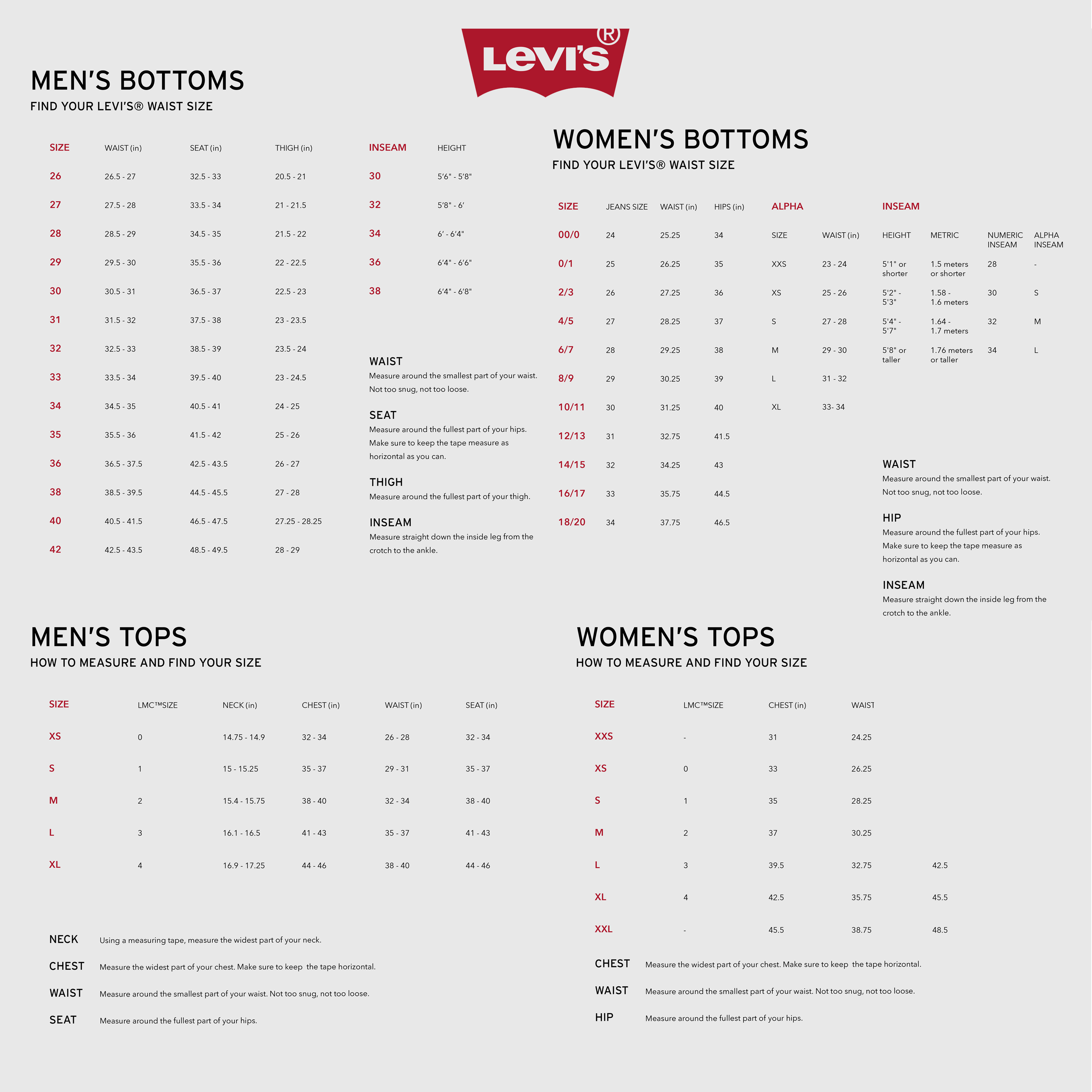
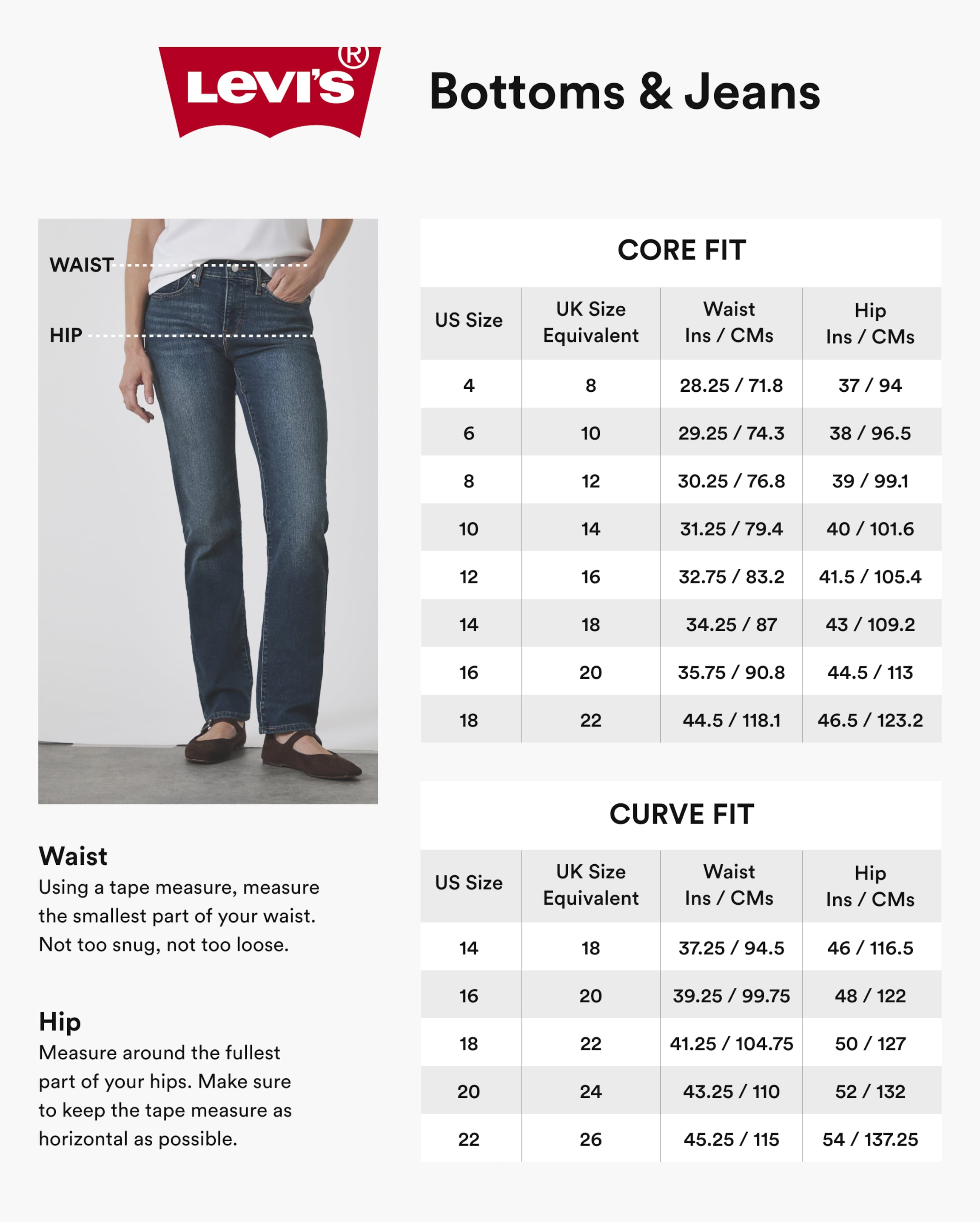
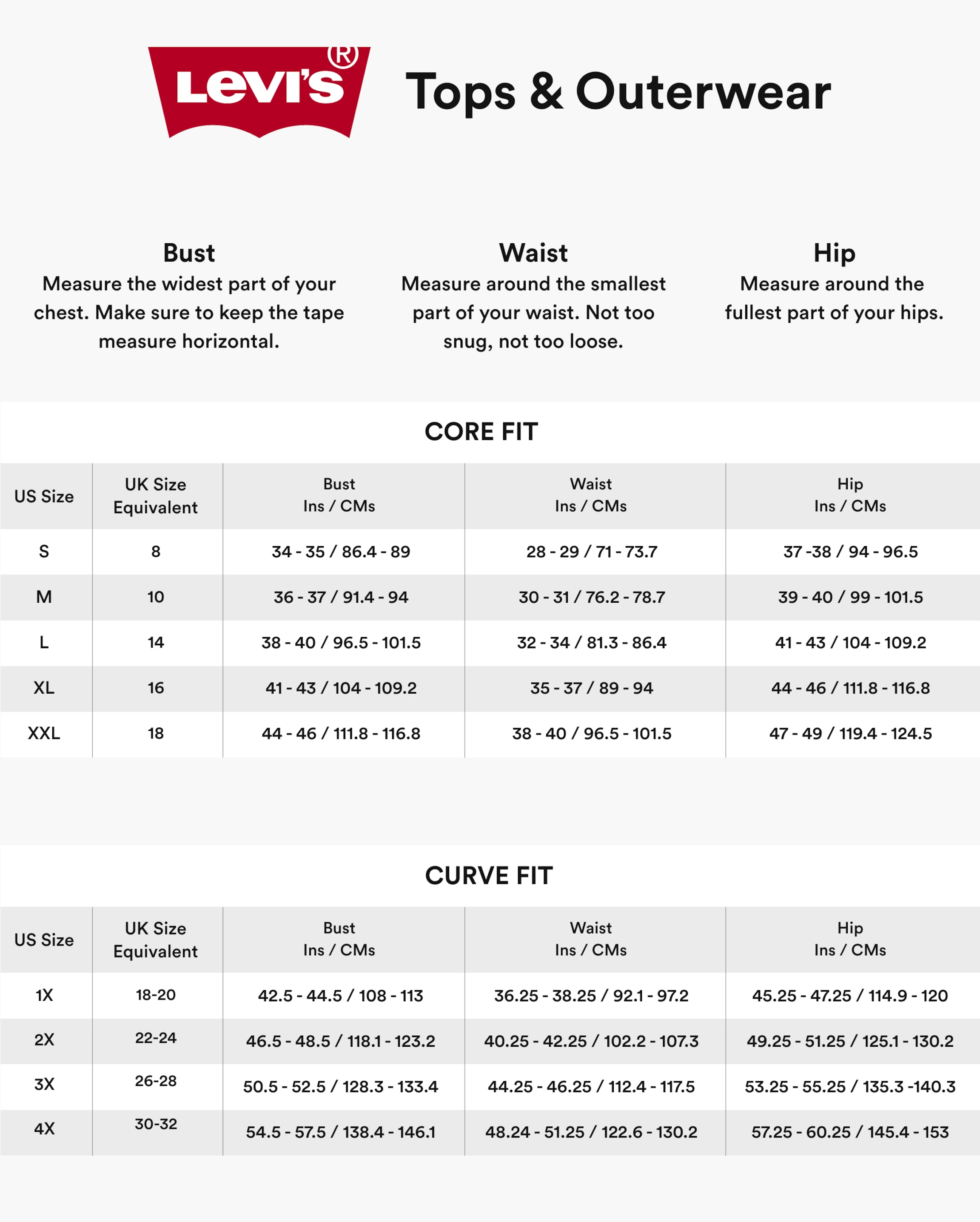
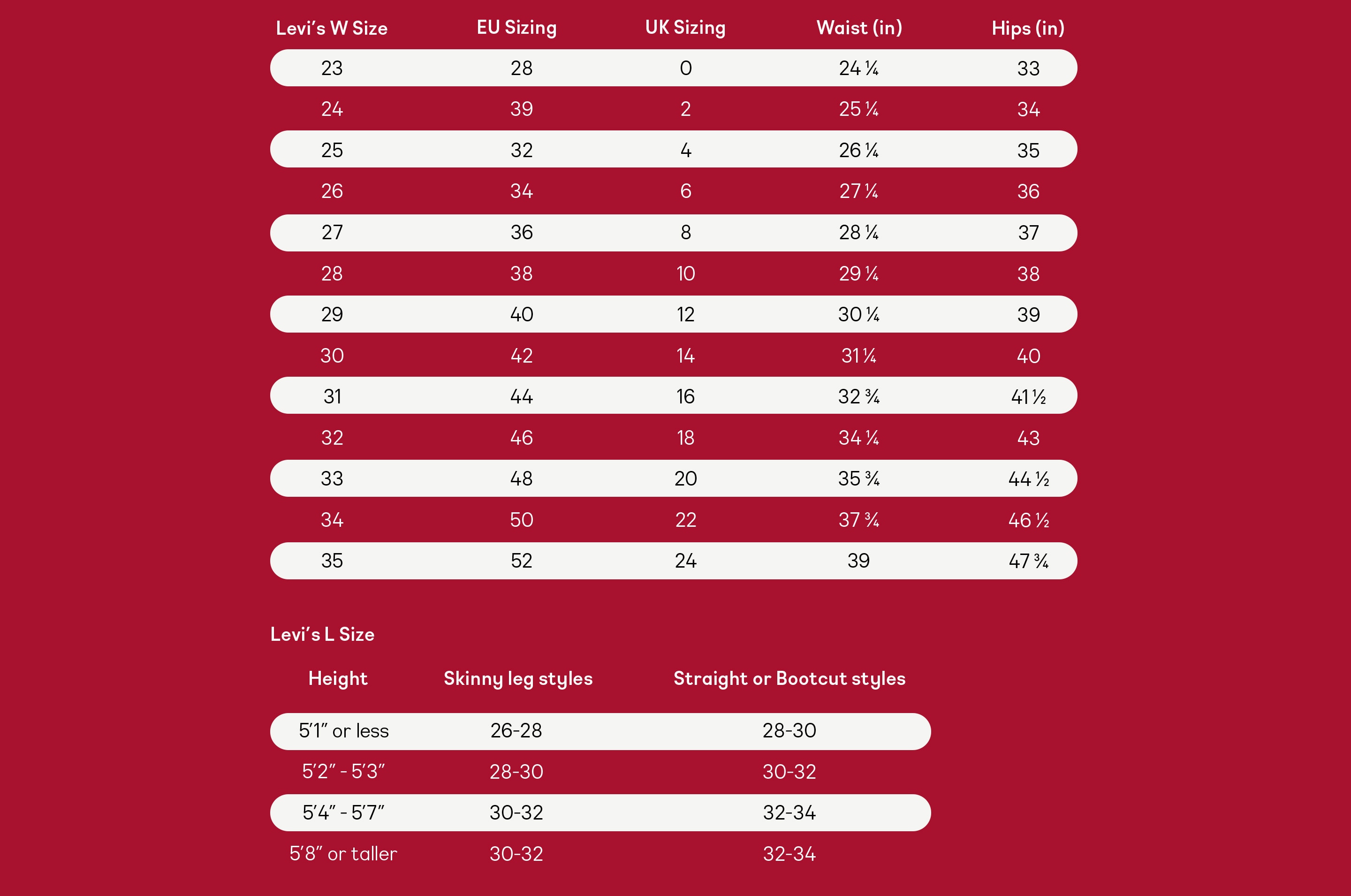
You're here because you need a quick solution, right? Well, if you're looking for a bold and reliable way to find your perfect Levi's fit, the Levi size chart is your go-to tool. It's a simple yet effective guide, offering a visual representation of sizes and measurements, making it easy to navigate. With just a glance, you can ensure you're getting the right size, whether it's for yourself or a gift. This chart is a handy reference, especially when you're in a rush and need a quick sizing solution.
Understanding the Levi Size Chart
The levi size chart is your go-to guide for finding the perfect fit in Levi's jeans and clothing. It's a simple tool to ensure you get the right size, whether you're shopping online or in-store. This chart provides measurements and size categories to help you choose the best fit for your body.
Standard Sizing Options
Levi's size chart follows a standard sizing system, typically based on waist size and inseam length. This means you'll find consistent sizing across their products, making it easier to find your fit. The chart usually includes categories like waist size (in inches or centimeters), inseam length, and sometimes additional measurements like hip and thigh circumference.
How to Use the Levi Size Chart: A Step-by-Step Guide
- Identify your waist size. This is the most critical measurement for jeans. Measure your waist at the point where you usually wear your pants, keeping the tape measure snug but not tight.
- Determine your inseam length. This is the distance from your crotch to the hem of your pants. You can measure this while wearing well-fitting pants or by standing against a wall and measuring the distance from your crotch to the floor.
- Refer to the levi size chart. Find your waist size and inseam length on the chart. The chart will provide you with the corresponding size, typically in numerical or alphabetical categories.
- Consider other measurements. If the chart offers additional measurements like hip or thigh circumference, you can use these to ensure an even better fit.
Common Misreadings and How to Avoid Them
One common mistake is assuming all brands use the same sizing standards. While Levi's size chart is consistent within their brand, sizes may vary across different brands and styles. Always double-check the specific size guide for the item you're interested in. Additionally, be mindful of the units used. Some charts may use inches, while others use centimeters. Ensure you're comparing like with like.
Factors Affecting Size Variations
Several factors can influence the accuracy of your size determination. First, body shape varies, and the chart provides a general guide. Second, the fit you prefer (e.g., slim, regular, or relaxed) can affect the size you choose. Lastly, the fabric and stretchiness of the material can impact the fit, so consider the fabric type when using the chart. Remember, the levi size chart is a helpful tool, but it's always a good idea to try on clothing to ensure the perfect fit.
Hey there! We hope you found this guide on the Levi size chart helpful and that it's made your sizing quest a little easier. Remember, when it comes to size charts, exact details can differ slightly, so always double-check the source and standard you're using.
We've got a bunch of other guides on various topics, so feel free to explore and discover more practical tips and tricks. Happy reading, and we hope to see you around!