





Infant Shoe Chart Editable Overview
You're probably here because you need a quick conversion fix, and who can blame you? The inch to mm chart is your go-to resource for an accurate and fast length conversion. It's a handy tool, especially when you're in a pinch and need to understand measurements across different systems. This chart is a simple yet effective way to ensure you get your conversions right, whether you're dealing with inches to centimeters or imperial to metric.
Understanding the Inch to mm Chart
The inch to mm chart is a handy reference tool for quickly converting inch measurements to millimeters. It's a practical way to ensure accurate conversions, especially when working with different measurement systems. This chart provides a simple visual guide, making it accessible for everyday use.
Key Details and Units
Before we dive in, let's clarify some basics. The chart typically displays inches on one axis and millimeters on the other, with corresponding values for each unit. You'll find a range of values, often starting from 0 and going up in small increments, like 0.1 inches or 1 mm. It's essential to know that the chart follows a specific standard, usually the imperial to metric conversion, ensuring consistency.
Step-by-Step Conversion Process
Using the inch to mm chart is straightforward. First, locate the inch value you want to convert on the chart. Then, follow the corresponding line or column to find the equivalent millimeter value. For instance, if you have 2 inches, find the 2-inch mark and read across to see it equals approximately 50.8 mm. That's it! Simple and quick.
Variations and Differences
While the inch to mm chart is a reliable tool, variations can occur due to different standards and contexts. For example, some charts might offer more precise conversions, especially for smaller increments. Additionally, certain industries or regions might have specific requirements, leading to slight variations. It's crucial to double-check if you're working with precise measurements or specialized fields.
- Here are some key factors that can cause variations:
- Standard deviations: Different countries or industries might use slightly different conversion factors.
- Precision needs: More detailed charts are available for precise measurements.
- Specialized fields: Certain professions, like engineering, might require unique charts.
Common Mistakes and How to Avoid Them
One common mistake is misreading the chart, especially when dealing with small increments. Always ensure you're following the correct line or column for your measurement. Another pitfall is assuming all charts are the same. Remember, variations exist, so double-check if precision is critical. Lastly, be aware of the conversion direction. The chart usually converts inches to mm, so be clear on which unit you're starting with.
To summarize, the inch to mm chart is a valuable tool for quick and accurate conversions. By understanding the basics, following a simple step-by-step process, and being aware of potential variations, you can ensure precise measurements. Remember, when in doubt, always refer to the specific standards or guidelines for your field. Happy converting!
Hey there! I hope this inch to mm chart has been a helpful resource for you. It's always good to have these handy conversions at your fingertips, especially when you need to quickly reference measurements.
Remember, while this chart provides a reliable guide, exact values can vary slightly depending on the standard or source you use. So, it's always a good idea to double-check your specific requirements and context before finalizing any measurements.
Feel free to bookmark this page for future reference. It's a simple yet practical tool to have in your back pocket for those unexpected measurement needs!
Related: A Guide to My WVU Chart Login
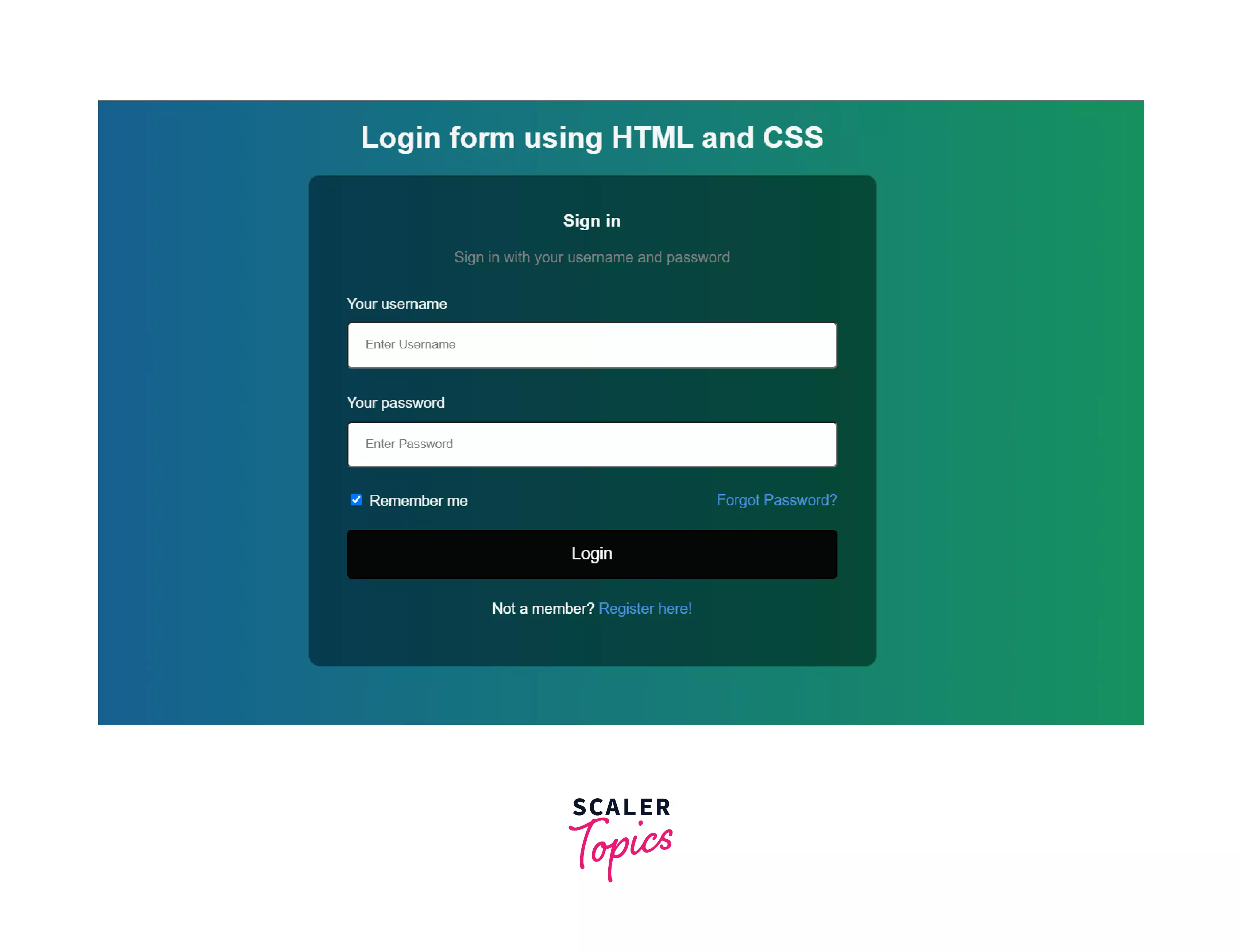
You've landed on this blog because you're seeking a quick solution, right? Well, you're in the right place. Let's talk about my WVU Chart login. This is your gateway to accessing important information and resources as a student. Think of it as your personal digital hub, where all your academic needs are met.
Your WVU Chart login is unique to you and provides a secure way to access various online services. From checking grades to resetting your password, it's a one-stop shop. While the specifics may vary slightly depending on your role and region, the process is straightforward and reliable.
A Quick Overview of Your WVU Chart Login
Your my wvu chart login is a secure gateway to your personal student account, offering a range of services and resources. This login system ensures you can access your academic records, financial information, and other essential tools with ease and peace of mind.
Comparing Login Options and Security Measures
When it comes to logging in, you have a few options to choose from, each with its own benefits and considerations. The standard login requires your unique username and password, which should be kept confidential. For added security, you can enable two-factor authentication, which provides an extra layer of protection by requiring a code sent to your device. This is especially useful for sensitive information.
Step-by-Step Guide to Logging In
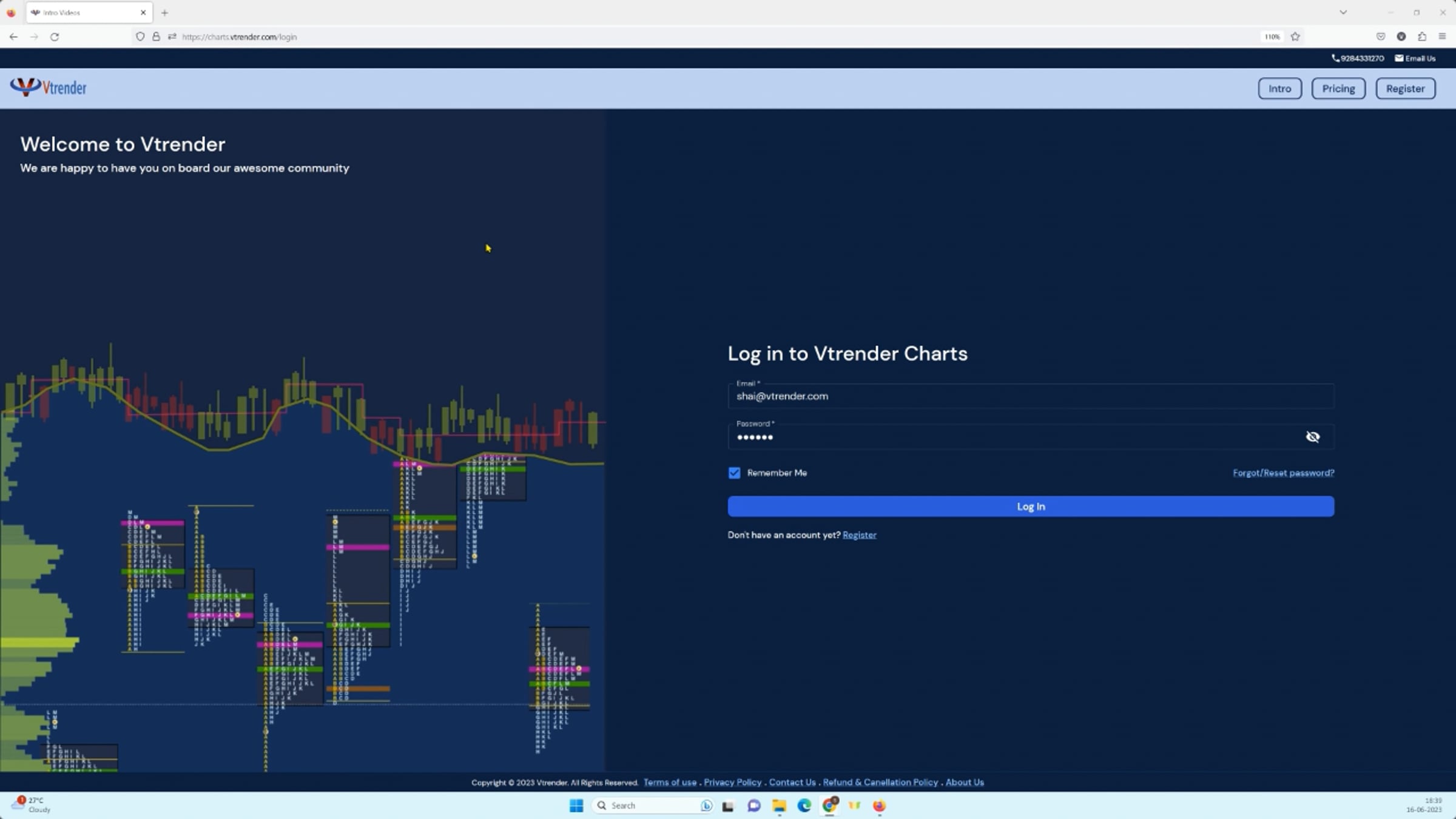
Logging into your wvu chart student portal is straightforward. Here's a simple guide:
- Go to the WVU Chart Web page and locate the login button.
- Enter your username and password. Ensure you type these correctly, as case sensitivity matters.
- If you have enabled two-factor authentication, you will receive a code via text or email. Enter this code to complete the login process.
- You should now be logged in and able to access your student account and all its features.
Common Misreadings and How to Avoid Them
One common mistake is forgetting to enable case sensitivity when creating your password. Always ensure your password includes a mix of uppercase and lowercase letters, as well as numbers and special characters if allowed. Another pitfall is forgetting to check your spam folder for the two-factor authentication code. If you don't see the code in your inbox, check your spam or junk mail folder.
Factors Affecting Login Accuracy and Security
There are a few key factors that can impact the accuracy and security of your login:
- Password Strength: A strong password is essential. Avoid using personal information or common words. Instead, opt for a unique combination of characters.
- Account Security: Regularly review your security settings and ensure your contact information is up-to-date for two-factor authentication.
- Browser and Device: Using a secure browser and device is crucial. Ensure your browser is updated and has security features enabled.
- Public Wi-Fi: Avoid logging in on public networks, as they can be less secure. Use a private or trusted network whenever possible.
- Password Guidelines: Follow the password guidelines provided by WVU. These guidelines ensure your password is complex enough to protect your account.
By considering these factors and following the step-by-step guide, you can ensure a smooth and secure login process for your my wvu chart login.
Remember, every situation is unique, so be sure to review your specific needs and double-check the details. It's always a good idea to have a reliable reference guide like this one to avoid any potential pitfalls.
Feel free to bookmark this page for future use. It's a handy resource to have at your fingertips, and it's great to know you now have a clear understanding of the process and what to expect. Stay organized and keep those charts in check!
Related: A Quick Guide to Ems Charts Login
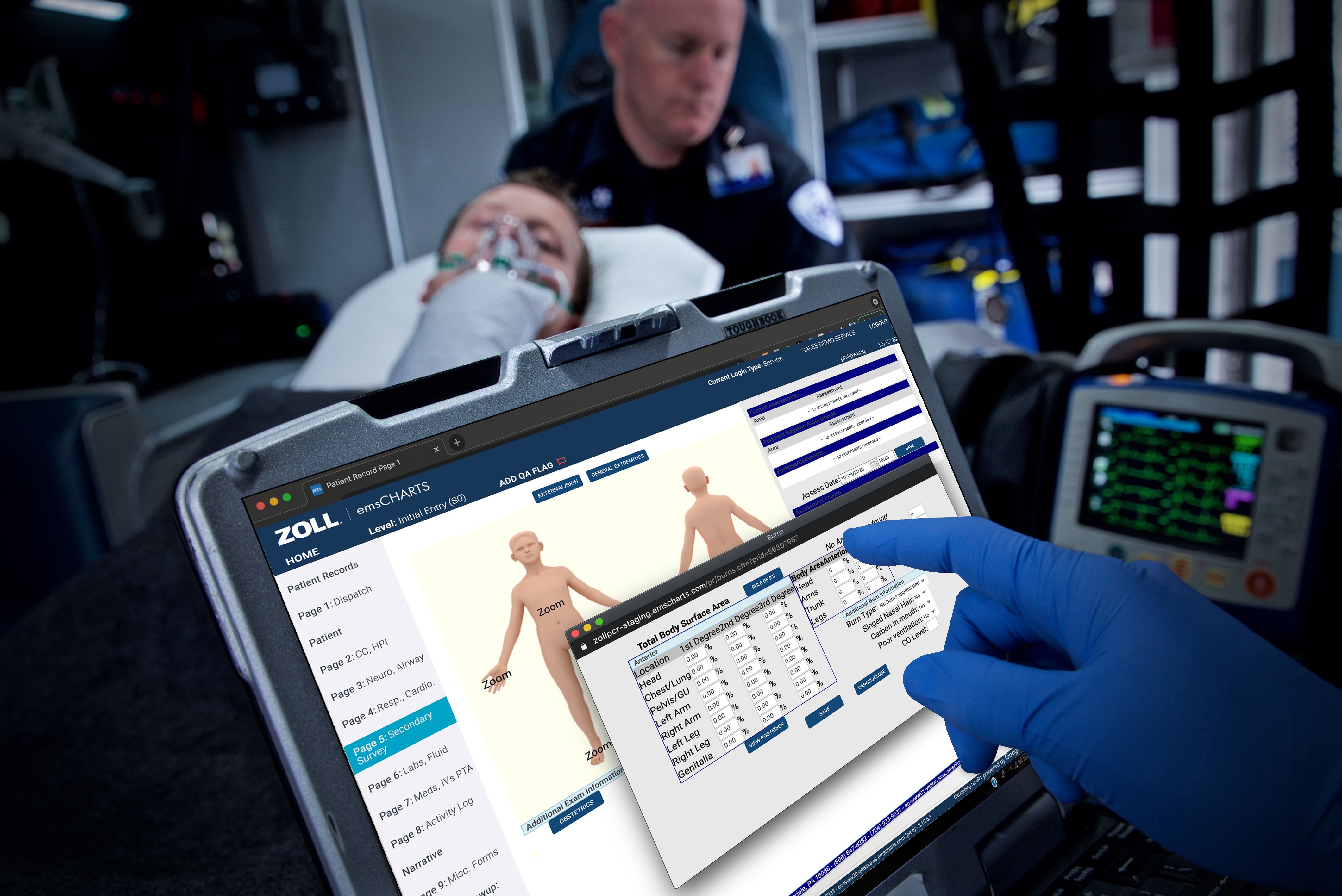
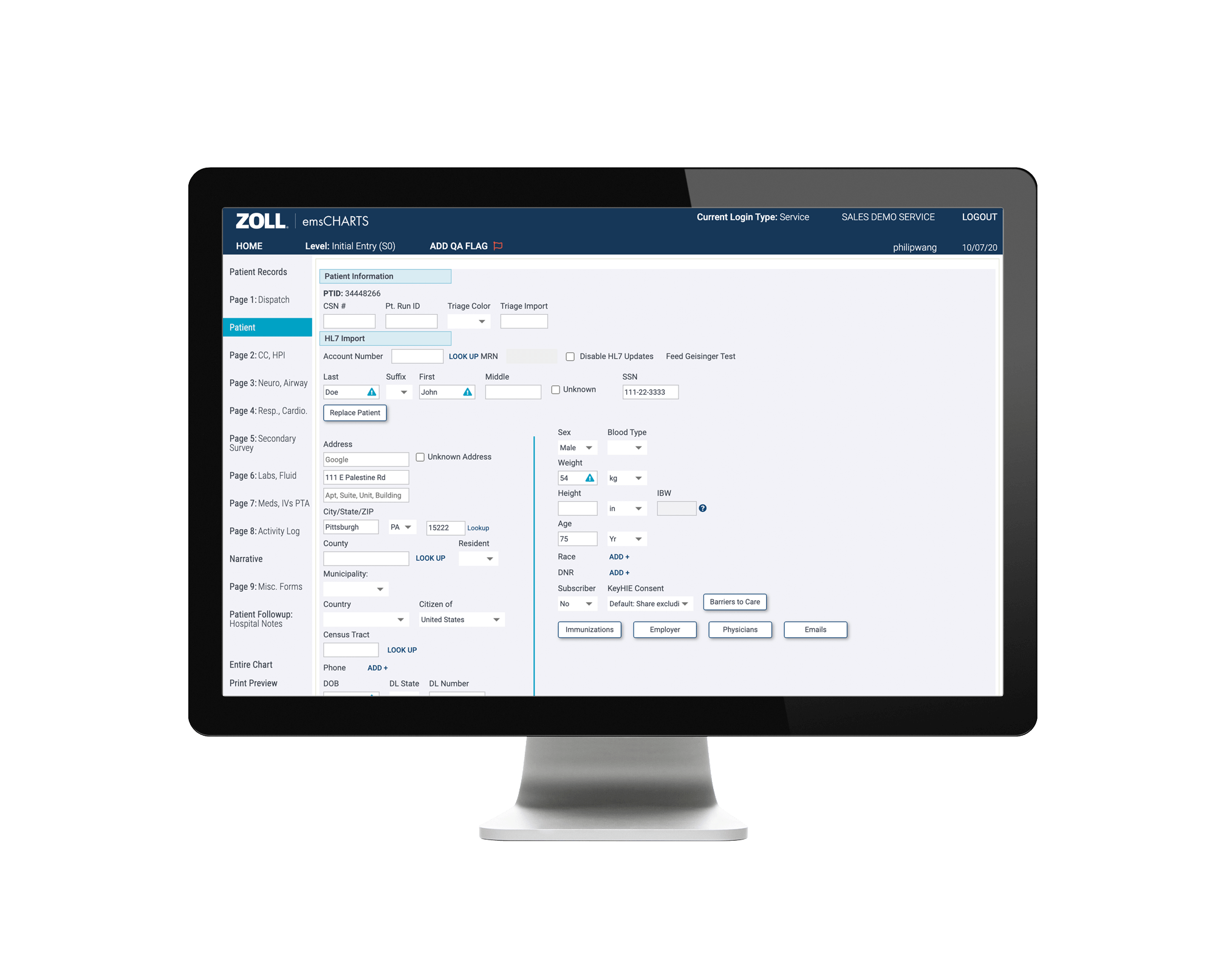
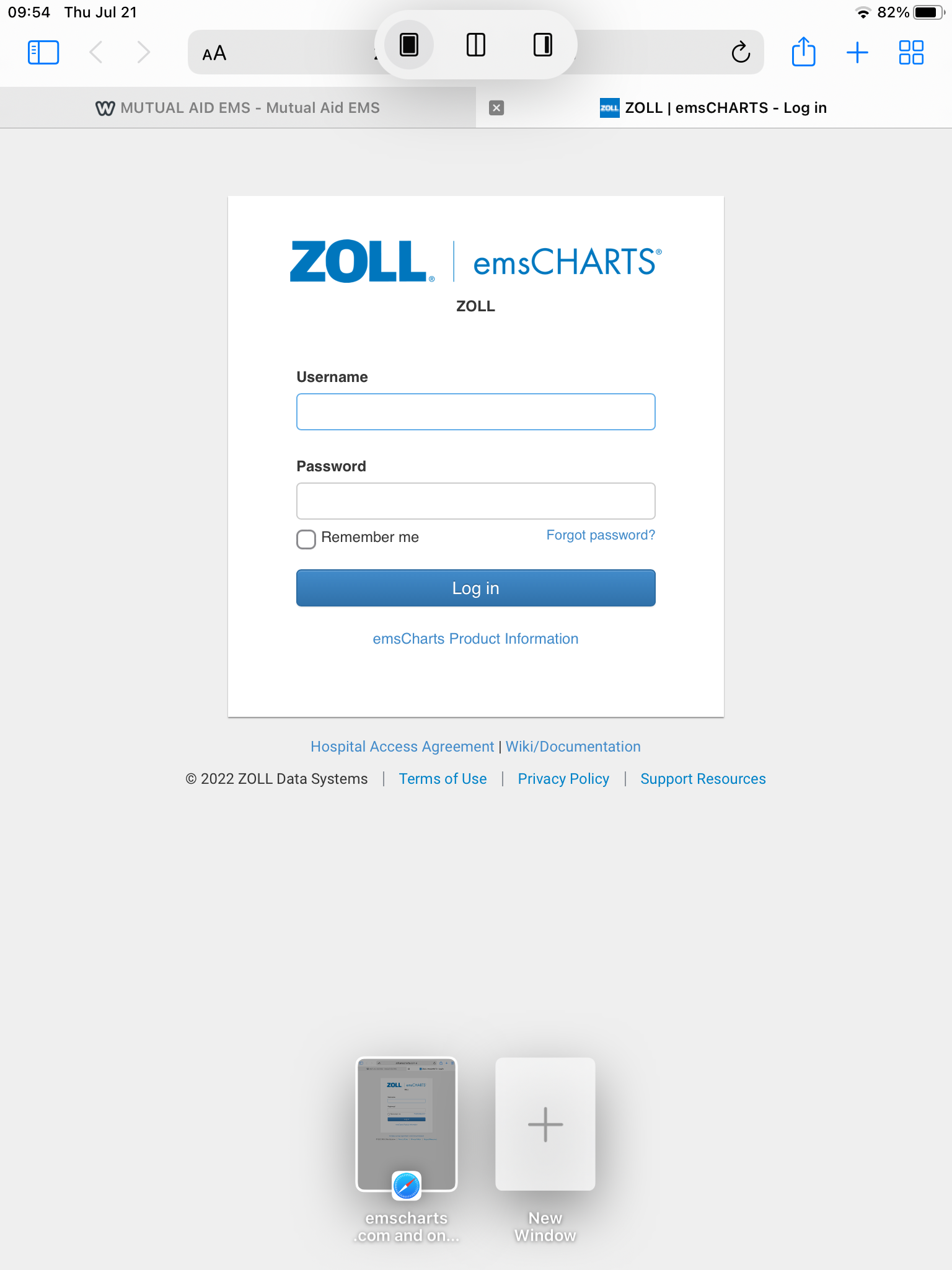
Ems charts login is a handy tool for anyone in the medical field, offering a quick glance at essential emergency procedures. This guide will take you through the basics, ensuring you know how to access and interpret these charts effectively.
The charts provide a visual overview of emergency protocols, offering a simple and fast reference for medical responders. While the specific values and formats may vary depending on your region or organization, the ems charts login system ensures a standardized approach, making it a reliable and accessible resource.
Understanding EMS Charts Login
EMS charts login is a valuable tool for emergency medical services personnel, providing a quick reference guide to various emergency procedures and treatment protocols. This chart is designed to offer key information at a glance, aiding rapid decision-making during critical situations.
Key Details and Prerequisites
The EMS charts login typically includes a range of categories and symbols, each representing a specific action or response. These categories may cover areas such as patient assessment, vital signs, medication administration, and emergency equipment usage. The chart often uses standardized symbols and colors to ensure easy interpretation. For instance, a red cross might indicate a critical action, while a green symbol could represent a less urgent step.
Interpreting the Data: A Step-by-Step Guide
- Begin by identifying the primary issue or symptom for which you require guidance. This could be a medical condition, an injury, or an environmental factor affecting the patient.
- Locate the relevant section on the chart. EMS charts login are often organized by body systems or common emergency scenarios.
- Follow the flow of the chart, reading the instructions and taking note of any specific actions or medications required. Pay attention to any special symbols or notes that provide additional context.
- Ensure you understand the recommended course of action before proceeding. If in doubt, consult a more detailed reference or seek guidance from a senior medical professional.
- Act upon the instructions, ensuring you follow any specific timing or dosage requirements.
Variations and Differences
It's important to note that EMS charts login may vary depending on the specific standard or protocol being followed. Different regions and organizations may have slightly different approaches to emergency response, so it's crucial to be aware of any local variations. Additionally, the chart's design and content might evolve over time as medical knowledge and practices advance. Always refer to the most up-to-date version of the chart for accurate and reliable information. While EMS charts login provides a comprehensive overview, it is not a substitute for thorough training and medical expertise. It serves as a valuable tool to support decision-making, but individual judgment and clinical skills are essential in emergency situations.
So, there you have it! A simple and practical guide to navigating EMS charts. Remember, these charts are a handy tool, but it's always wise to double-check the specific details and standards relevant to your situation.
Consider bookmarking this page for future reference; it might just save you some time and effort the next time you need a quick refresh on EMS charts. Happy charting!