

Invoice Template Coreldraw Overview
You're likely here because you need a quick, reliable reference for your electrical project or perhaps you're double-checking your calculations. The conduit fill chart is your go-to resource, offering a clear and concise overview of conduit capacities and wire fill percentages. This chart, often a simple table or diagram, provides essential information to ensure your electrical installations are safe and compliant. While values may vary depending on regional standards and trade customs, the conduit fill chart offers a solid starting point for your electrical conduit sizing needs.
Understanding Conduit Fill Ratios
The conduit fill chart is a vital tool for electrical installations, offering a quick reference to determine the maximum safe capacity of electrical conduits. It ensures that conduits are not overloaded, which could lead to dangerous situations. This chart provides a clear guide to the acceptable wire fill percentages based on various factors.
Key Details and Prerequisites
Before using the conduit fill chart, it's essential to understand the categories and units involved. The chart typically considers conduit size, wire size, and the number of wires. These factors are crucial in determining the conduit's capacity. The chart provides fill ratios, which represent the maximum percentage of conduit space that can be occupied by wires. These ratios are based on the National Electrical Code (NEC) guidelines, a widely recognized standard in the US.
Practical Fill Calculations: Step-by-Step Guide
Here's a simple process to utilize the conduit fill chart:
- Identify the conduit size you are working with. This is typically measured in inches or millimeters, depending on the standard you are following.
- Determine the wire size and the number of wires you intend to install. Again, these measurements should align with the relevant standard.
- Refer to the conduit fill chart and locate the intersection of the conduit size and wire size columns. This will give you the fill ratio.
- Calculate the maximum wire fill percentage by multiplying the fill ratio by 100. For example, a fill ratio of 0.6 corresponds to a 60% maximum wire fill.
- Ensure that the total wire fill, including all wires in the conduit, does not exceed this maximum percentage.
Interpreting Variations Across Standards and Contexts
It's important to note that conduit fill charts may vary depending on the standard and region. For instance, the NEC conduit fill chart is specific to the US and may differ from international or metric standards. Additionally, some trade-specific charts might exist for specialized applications. These variations can impact the fill ratios and maximum wire fill percentages. Always ensure you are referencing the correct chart for your specific context and application.
Common Mistakes and How to Avoid Them
- Using the wrong chart: Ensure you are referencing the chart applicable to your region and standard.
- Misinterpreting fill ratios: Remember, fill ratios are decimal values, and they need to be multiplied by 100 to get the maximum wire fill percentage.
- Overlooking specific use cases: Some applications might have unique requirements. Always check for any specific tolerances or exceptions that might apply to your project.
- Ignoring wire size: The wire size is a critical factor in conduit fill calculations. Ensure you are using the correct wire size measurements.
- Not staying updated: Standards and regulations can change. Regularly check for updates to ensure you are working with the latest guidelines.
Hey there! I hope this guide has provided some clarity on conduit fill charts and their practical use. Remember, while the core principles remain the same, the exact details can vary slightly depending on the context and the specific standards you're working with.
Feel free to explore other guides on our site to deepen your understanding of related topics. We've got a range of resources to help you navigate various aspects of your projects with ease and confidence. Happy learning, and stay organized!
Related: Bat Sizes Chart: A Clear Guide for Selection
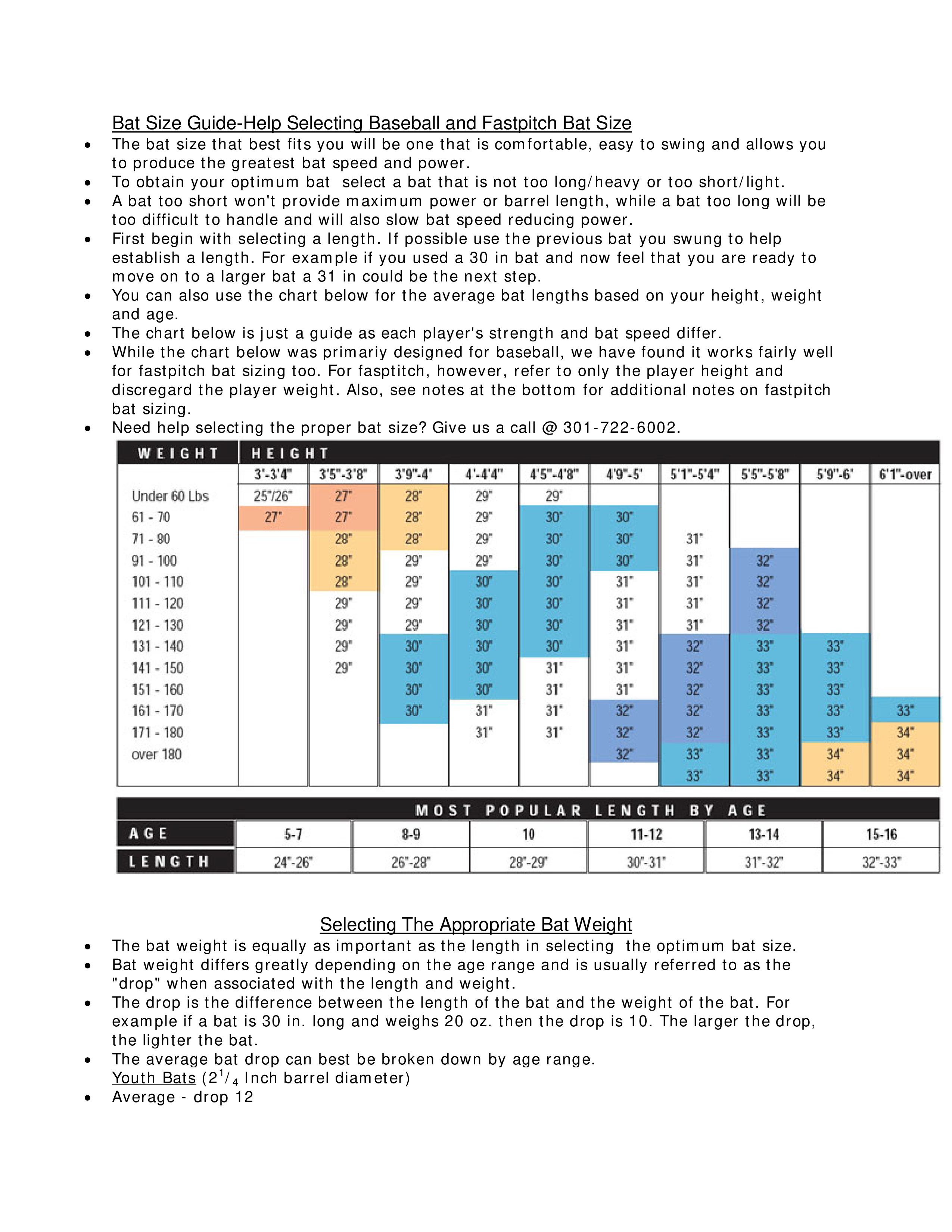
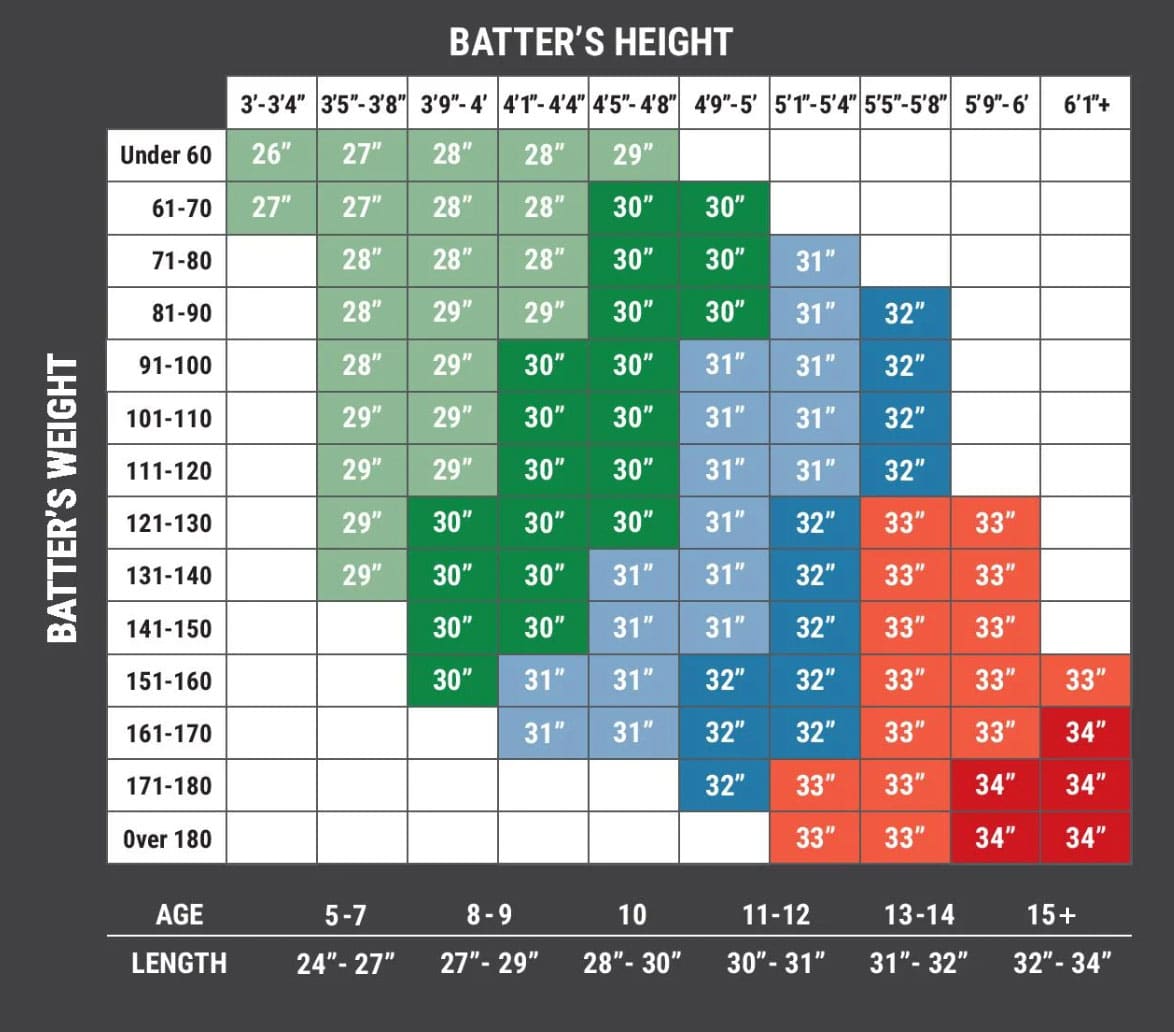
A bat sizes chart is a handy tool for anyone looking to find the perfect bat size, and it's a great starting point for your sporting equipment journey. This guide will cover the basics, showing you how to read and use these charts effectively, whether you're a baseball or softball enthusiast.
These charts provide a quick reference, offering standard bat measurements and sizes, which can vary depending on your sport and age group. It's an easy way to ensure you're on the right track when choosing equipment, and we'll explore the key factors to consider.
Understanding Bat Sizes Chart
A bat sizes chart is a helpful tool for anyone looking to choose the right bat for their needs. It provides a visual guide to help you determine the ideal length and weight of a bat based on factors like age, height, and the sport you play. This chart is a great starting point, offering a quick reference to ensure you select a bat that suits your physical attributes and playing style.
Key Details and Categories
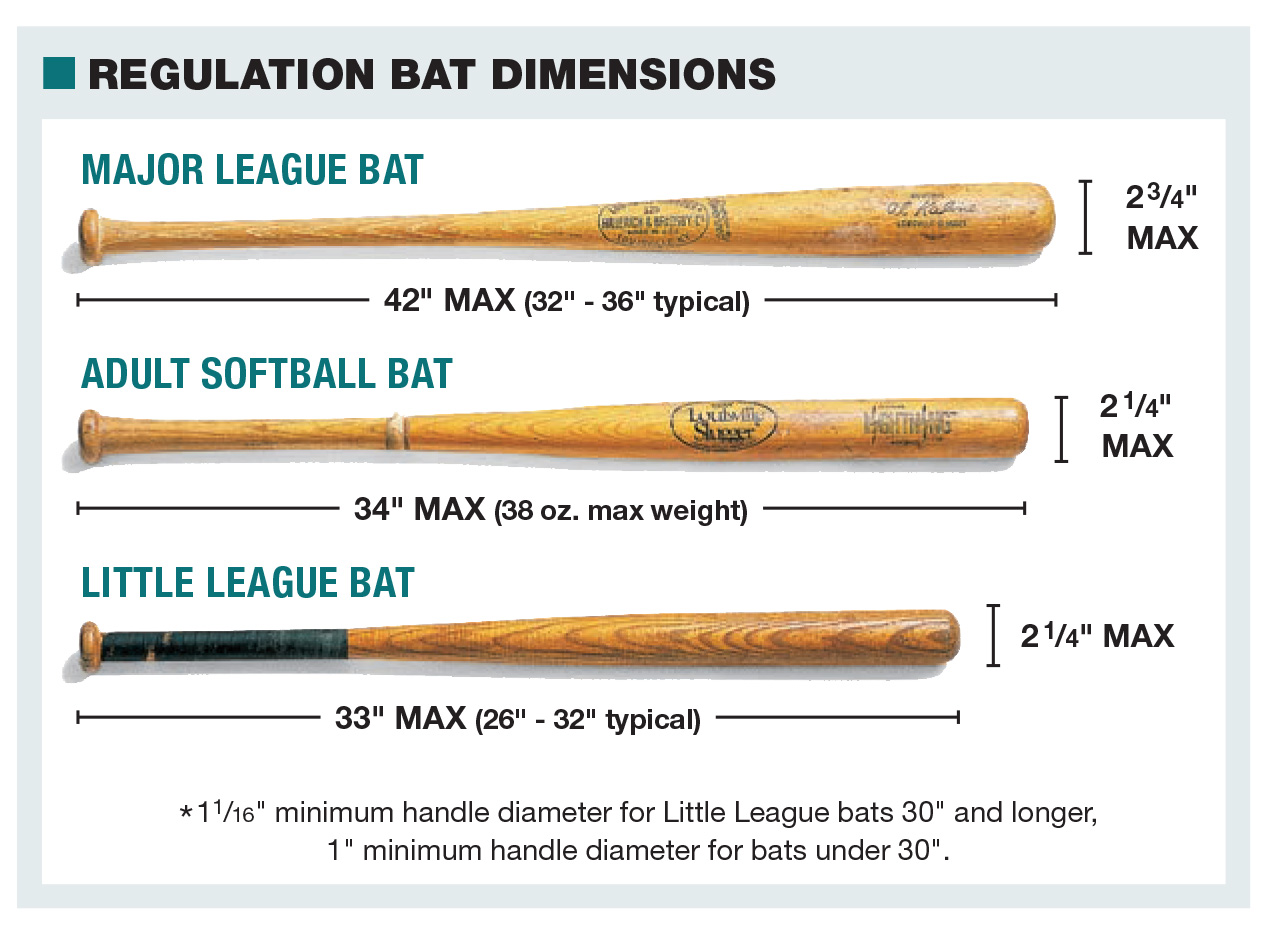
The bat sizes chart typically displays two main categories: length and weight. Length is usually measured in inches, with common sizes ranging from 24 to 34 inches. Weight is often shown in ounces, with a variety of options available. The chart may also include age and height recommendations to guide your selection. Remember, these charts are designed as a general guide, so it's important to consider individual preferences and playing experience.
How to Read and Apply the Chart
Using the bat sizes chart is straightforward. First, identify your age group or height range. Then, find the corresponding recommended length and weight ranges. For example, if you're an adult, the chart might suggest a longer and heavier bat, while youth players may need shorter and lighter options. It's essential to consider your comfort and swing speed when choosing. If you prefer a faster swing, a lighter bat might be best, even if the chart suggests a heavier one for your age.
Bat Size Variations and Differences
Bat sizes charts can vary depending on the sport and the standards used. For instance, baseball bat size charts and softball bat sizing guides may have different length and weight recommendations. Additionally, manufacturers might offer slightly different measurements or weight distributions. It's crucial to check the specific sport and brand guidelines to ensure you get the right bat for your needs. Regional variations also exist, with some countries using metric measurements, which can impact the chart's values.
Common Mistakes and How to Avoid Them
One common mistake is relying solely on the chart without considering personal preferences. Always try out a few bats to find the one that feels comfortable in your hands and allows for a smooth swing. Another pitfall is neglecting to check the latest standards and regulations, especially for competitive play. These can change over time, so it's essential to stay updated. Lastly, don't forget to measure your bat properly. Incorrect measurements can lead to an ill-fitting bat, affecting your performance. Always double-check your measurements against the chart's specifications.
Hey there, I hope this bat size chart has been helpful and easy to navigate. Remember, when it comes to choosing the right bat, it's all about finding the perfect fit for your game.
While this guide provides a solid foundation, it's always a good idea to double-check the specific requirements or regulations for your league or competition. Exact values can vary, so it's best to be prepared and ensure you're covered.
Feel free to explore more of our sports equipment guides and resources. We've got plenty of practical tips and insights to share, so stick around and discover more!
Related: Find the Perfect Sock Length: A Comprehensive Guide
A sock length chart is a handy tool for anyone seeking a quick reference when it comes to sock sizing and length. This guide aims to provide an overview of these charts and their usefulness, offering a simple way to understand and utilize them effectively.
The chart serves as a visual representation of standard sock measurements, offering a clear and concise way to match sock length to your shoe size. While values may vary slightly between brands and regions, the sock length chart provides a reliable starting point for anyone looking to ensure a perfect fit.
Understanding Sock Lengths: A Comprehensive Guide
The sock length chart is a handy reference tool that provides a standardized way to understand and compare sock lengths. It offers a visual representation of various sock lengths, allowing you to easily identify and choose the right sock length for your needs. This guide will walk you through the key aspects of the chart, helping you navigate it with confidence.
Common Sock Length Types and Categories
Before diving into the chart, it's essential to understand the different sock length categories. These categories are typically based on the height of the sock, ranging from ankle-length socks to over-the-calf styles. Common categories include:
- Ankle Socks: These socks sit just above the ankle and are often worn with casual footwear.
- Crew Socks: A popular choice, crew socks reach mid-calf and are suitable for various occasions.
- Knee-High Socks: As the name suggests, these socks extend up to the knee and are commonly worn with formal attire or uniforms.
- Over-the-Calf Socks: Designed to cover the entire calf, these socks are ideal for sports or activities requiring extra support and protection.
Each category has its own set of standard measurements, ensuring consistency across brands and manufacturers.
Reading the Sock Length Chart: A Step-by-Step Guide
To make the most of the sock length chart, follow these simple steps:
Identify the Sock Length Category: Locate the specific category you are interested in, such as ankle socks or knee-high socks. Each category will have its own section on the chart.
Understand the Measurement Scale: The chart typically uses a standardized measurement scale, often in inches or centimeters. This scale represents the height of the sock from the bottom to the top.
Find Your Desired Length: Within each category, you'll see a range of measurements. Choose the measurement that best aligns with your preferred sock length. For example, if you prefer ankle socks that sit slightly higher, select a measurement closer to the top end of the ankle sock category.
Convert if Needed: If you are used to a different measurement system, you may need to convert the values on the chart. Most charts provide both metric and imperial measurements for convenience.
Variations and Differences Across Standards
It's important to note that sock length charts may vary depending on the standard being used. Different regions and industries may have their own specific guidelines and measurement systems. Here are some key factors that can cause variations:
Regional Standards: Sock length standards can differ between countries, especially when it comes to metric versus imperial measurements. Always check if the chart follows the standard relevant to your location.
Manufacturer Preferences: Some brands may have slightly different interpretations of sock lengths, especially for specialty socks or those designed for specific activities.
Sock Type and Purpose: The intended use of the sock can influence its length. For instance, athletic socks may have different length categories compared to dress socks.
Common Mistakes and How to Avoid Them
To ensure accurate selection, avoid these common pitfalls:
Relying Solely on Size: While sock size is important, it's not the only factor. Always consider the length category to ensure a comfortable and appropriate fit.
Ignoring Your Shoe Type: The type of shoe you wear can impact the desired sock length. For example, high-top sneakers may require a longer sock length to avoid exposure.
Neglecting Personal Preferences: Everyone has unique preferences. Consider whether you prefer a snug fit or a more relaxed style when choosing sock lengths.
Practical Tips for Accurate Results
For the best results, keep these tips in mind:
- Try Before You Buy: Whenever possible, try on socks to ensure the length is comfortable and fits your needs.
- Consider Your Wardrobe: Think about the types of shoes and outfits you typically wear. Choose sock lengths that complement your style and ensure a polished look.
- Stay Informed: Keep an eye out for updated sock length standards or industry changes, especially if you rely on specialty socks for work or sports.
By following this guide and understanding the sock length chart, you'll be able to navigate sock lengths with ease and make informed choices. Remember, the chart is a valuable tool, but it's always beneficial to consider your personal preferences and specific requirements.
Well, there you have it! A sock length chart can be a handy tool, offering a simple yet effective way to ensure you get the right fit for your feet. Remember, while this guide provides a solid framework, exact values can vary, so it's always wise to check the specific standards or guidelines relevant to your needs.
Consider bookmarking this page for future reference. It's a quick and easy way to ensure you always have the right information at your fingertips, making sock shopping a breeze!