





Invoice Template Xls Overview
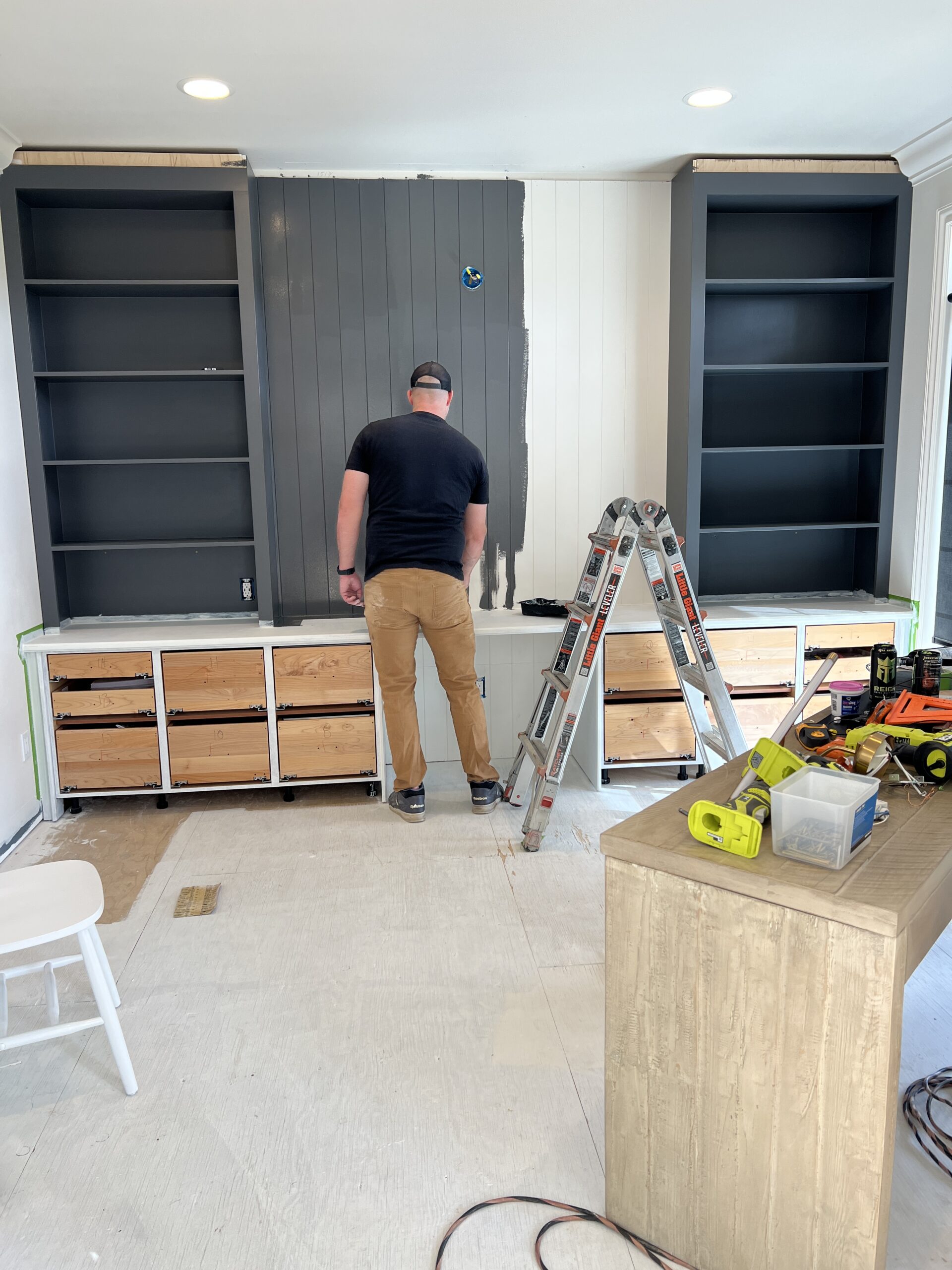
I'm getting ready to tackle a how to remodel painting project and it's a bit daunting. I mean, where do I even start? I've never done this before and I want to make sure I do it right. So, I've been doing some research and I've learned a few things that I think might help others in a similar situation.
Understanding the Process
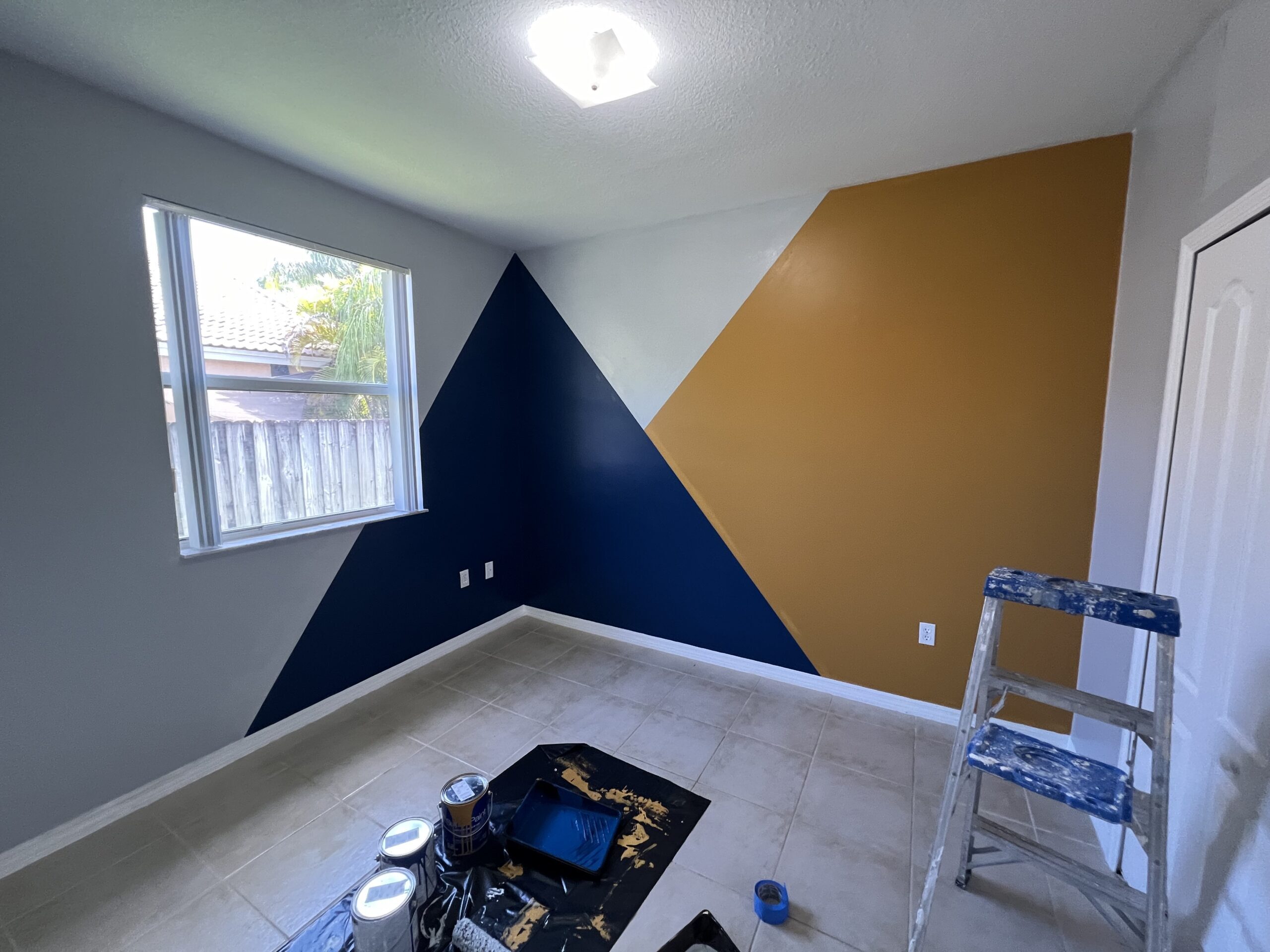
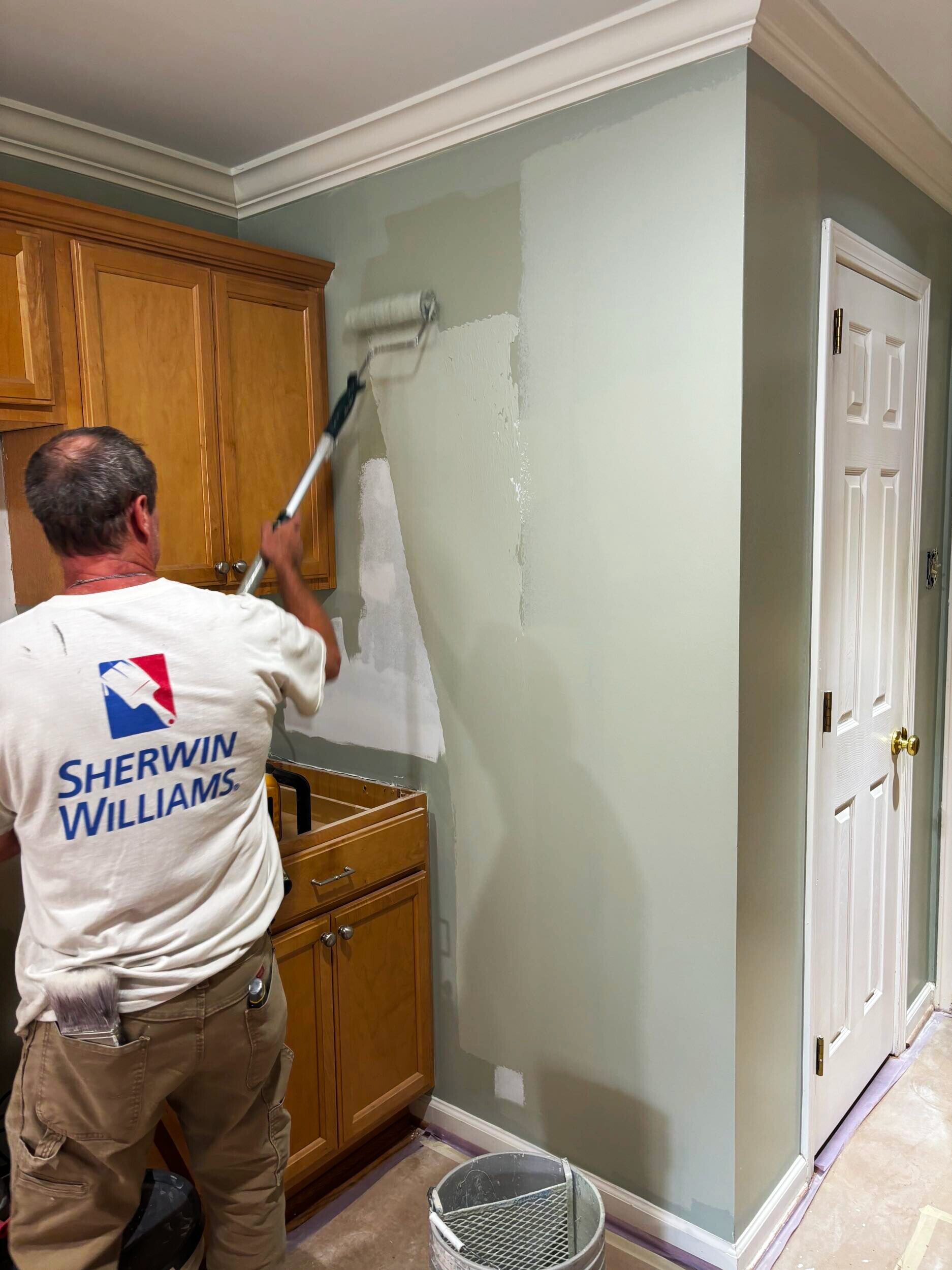
How to remodel painting is a specific type of home remodeling project that involves updating the look and feel of a room or space through a fresh coat of paint. It's a great way to transform a space without a major renovation, and it can be a fun and creative process. But, it's important to know what you're getting into and how to navigate the world of painting contractors and costs.
The first step is to assess the scope of your project. Consider the size of the space, the number of rooms, and the type of paint you want to use. This will impact the overall cost and the time it takes to complete the job. You'll also need to decide if you want to tackle the project yourself or hire a professional.
Hiring a Contractor
If you decide to hire a contractor, there are a few things to keep in mind. First, get multiple quotes. Compare prices, but also consider the quality of the work and the reputation of the company. Check online reviews and ask for references. A good contractor will be transparent about their process and pricing.
When comparing quotes, look for a detailed breakdown of the costs. This should include labor, materials, and any additional services like preparation work or special finishes. Make sure the quotes are for the same scope of work so you can make an apples-to-apples comparison.
Company Names and Reputation
The construction and remodeling industry is full of companies with unique names. A good company name should be memorable, easy to spell and pronounce, and reflect the nature of the business. It's also important to check the availability of the name and secure the relevant domain and local business registrations.
Some example names could be:
- Brushstroke Builders
- Colorful Creations
- Fresh Coat Pros
- Paint Perfect Pros
- Wall Wizards
- The Paint Pros
Construction Jobs and Salaries
The construction industry offers a range of jobs, from general contractors to estimators and project managers. Salaries can vary depending on experience, location, and the size of the company. It's a diverse industry with opportunities for growth and specialization. Many construction companies post job openings on their websites, and there are also dedicated construction job boards online.
Industry Tools and Data
Tools like RSMeans provide valuable data for the construction industry. They offer cost databases and escalation tools that help contractors and estimators calculate and manage project costs. This data is essential for accurate quotes and project planning. It ensures that costs are estimated correctly and that projects are profitable.
Large vs. Small Companies
The construction industry is diverse, with both large and small companies. Large companies often have more resources, allowing them to take on bigger projects and offer a wider range of services. They may also have more specialized staff. Small companies, on the other hand, can offer a more personalized service and may be more flexible in their approach.
Final Thoughts
How to remodel painting is a great way to update your home, and with the right approach, it can be a smooth and satisfying process. Remember to do your research, get multiple quotes, and choose a contractor who suits your needs and budget. It's a fun project that can really transform a space, so enjoy the process and the results!
Related: What is a bolt sizes chart and how to use it?
A bolt sizes chart is a handy tool for anyone seeking precise information about bolt dimensions. This guide aims to provide a clear overview, offering a quick reference for those who need to interpret and utilize such charts effectively.
The chart presents a visual representation of bolt sizes, typically including details like length, diameter, and thread pitch. While the values may vary depending on the standard or region, this guide will help you navigate and understand the key measurements, ensuring you can make accurate comparisons and selections.
Understanding the Bolt Sizes Chart
The bolt sizes chart is a comprehensive guide that provides a standardized overview of various bolt dimensions. It offers a quick reference for engineers, builders, and DIY enthusiasts to select the right bolt for their projects. This chart simplifies the process of identifying and specifying bolts, ensuring accurate and compatible fastening solutions.
Key Details and Units
The chart typically includes columns for bolt diameter, length, thread pitch, and sometimes head style. Diameter is measured across the threads, while length refers to the overall length of the bolt, excluding the head. Thread pitch represents the distance between threads and is crucial for compatibility with nuts and threaded holes. The units used in the chart depend on the standard followed, such as inches or millimeters.
Reading Bolt Specs: A Step-by-Step Guide
To use the bolt sizes chart, follow these steps:
- Identify the required bolt diameter. This is often determined by the size of the hole or the object being fastened.
- Determine the necessary bolt length. Consider the thickness of the materials being joined and any additional space needed for the nut.
- Select the appropriate thread pitch. This ensures compatibility with existing threads or the intended application.
- Cross-reference the chosen diameter, length, and thread pitch on the chart to find the corresponding bolt size.
- Verify the head style if needed. Some charts include this information, offering a complete specification.
Variations and Differences
While the bolt sizes chart provides a standardized reference, variations exist due to different standards and contexts. For instance, metric and imperial systems have distinct units and measurements. Additionally, specific industries or applications may require non-standard bolt sizes or unique head styles. It's essential to consult the relevant standard or specification for your project to ensure accuracy.
Common Mistakes and How to Avoid Them
- Failing to consider the thread pitch can lead to incompatible connections. Always check the thread pitch, especially when working with existing threads.
- Neglecting to account for head style may result in poor fit or functionality. Some bolts have unique head designs for specific purposes.
- Relying solely on the chart without considering the project's specific requirements can lead to oversights. Always double-check the exact specifications and tolerances for your application.
- Not verifying the standard being followed can cause confusion. Ensure you are using the correct chart for your region or industry.
Remember, while the bolt sizes chart is a valuable tool, it is essential to cross-reference and verify the information with the relevant standards and specifications for your project.
While the information provided in this guide offers a solid foundation, it's important to remember that bolt sizes and standards can vary slightly between different industries and applications. Exact values may differ based on the specific context and source you're working with.
Feel free to explore our other guides for more detailed insights and practical tips. We've got a range of resources to help you navigate various aspects of construction and engineering, so take a look and find what works best for your projects!
Related: How to use the Lulus size chart?
The lulus size chart is a handy tool for anyone who wants to ensure they're getting the perfect fit when shopping. This guide will take you through the ins and outs of reading and using this chart effectively. From understanding the different measurements to knowing how to convert sizes, we'll cover it all, making sizing a breeze!
Understanding the Lulus Size Chart
The lulus size chart is a handy tool that helps you find your perfect fit when shopping for clothing. It provides a standardized guide to help you match your body measurements with the corresponding size options. This chart is a great reference, especially when shopping online, as it ensures you make an informed choice and avoid any sizing surprises.
Comparing Size Chart Standards
Size charts can vary depending on the brand and region. Lulus, being a popular fashion brand, follows a specific sizing standard. Their chart typically includes measurements for bust, waist, and hip, which are crucial for finding the right fit. It's essential to note that these measurements are in inches, following the US standard. Other brands or international charts might use different units, so always check the chart's legend or key.
Step-by-Step Guide to Using the Chart
Using the lulus size chart is straightforward. First, measure your bust, waist, and hip accurately. You can do this by using a measuring tape and following a few simple tips: stand straight, measure at the fullest part of your bust, and ensure the tape is parallel to the floor. Once you have these measurements, find the closest match on the chart. For example, if your bust measurement is 36 inches, look for the size that corresponds to this range. The chart will provide a recommended size, usually in the form of numerical values or standard dress sizes (e.g., small, medium, large).
Avoiding Common Misreadings
One common mistake is not considering the entire body when referring to the chart. The lulus size chart provides a general guide, but your specific body shape might require some adjustments. For instance, if you have a curvier figure, you might need to size up for a more comfortable fit. Another pitfall is ignoring the brand's unique fit. Some brands have a reputation for running small or large, so always check the brand's sizing guide or reviews for any specific fit notes.
Factors Affecting Size Variations
Several factors can cause size variations, and understanding these is key to accurate sizing. Firstly, body measurements can fluctuate, especially if you're between sizes. In such cases, it's best to choose the larger size for a more comfortable fit. Secondly, different fabric types and styles can affect the fit. For instance, a stretchy fabric might provide a more forgiving fit, while structured fabrics might require a more precise size match. Lastly, personal preference plays a role. If you prefer a looser or tighter fit, you might need to adjust your size choice accordingly.
Adapting the Chart for Your Needs
The lulus size chart is a versatile tool, and you can adapt it to suit your specific needs. If you're shopping for a particular style, such as a fitted dress or a relaxed-fit top, refer to the brand's size guide for any style-specific measurements or recommendations. Additionally, if you're between sizes, consider the fabric and style of the garment. A looser-fit top might allow for more flexibility, while a structured blazer might require a more precise size match.
Keeping Your Sizing Reliable
To ensure reliable sizing, it's crucial to measure accurately and consistently. Invest in a good-quality measuring tape and follow a standardized measuring technique. Take your measurements at the same time of day, as slight variations can occur due to water retention or other factors. If you're shopping for multiple items, consider creating a personal sizing profile. Note down your key measurements and the corresponding sizes for easy reference. This way, you can quickly refer to your profile and make informed choices, ensuring a consistent and reliable fit.
Hey there! I hope this guide has been helpful in navigating the world of size charts. Remember, when it comes to Lulus' size chart, the specifics might differ slightly based on the item and your unique body. So, keep an eye out for those little variations!
If you found this guide useful, why not bookmark this page for future reference? It's always handy to have a quick reminder, especially when you're shopping online and need to make those important size decisions. Check out our other guides for more practical tips and tricks!