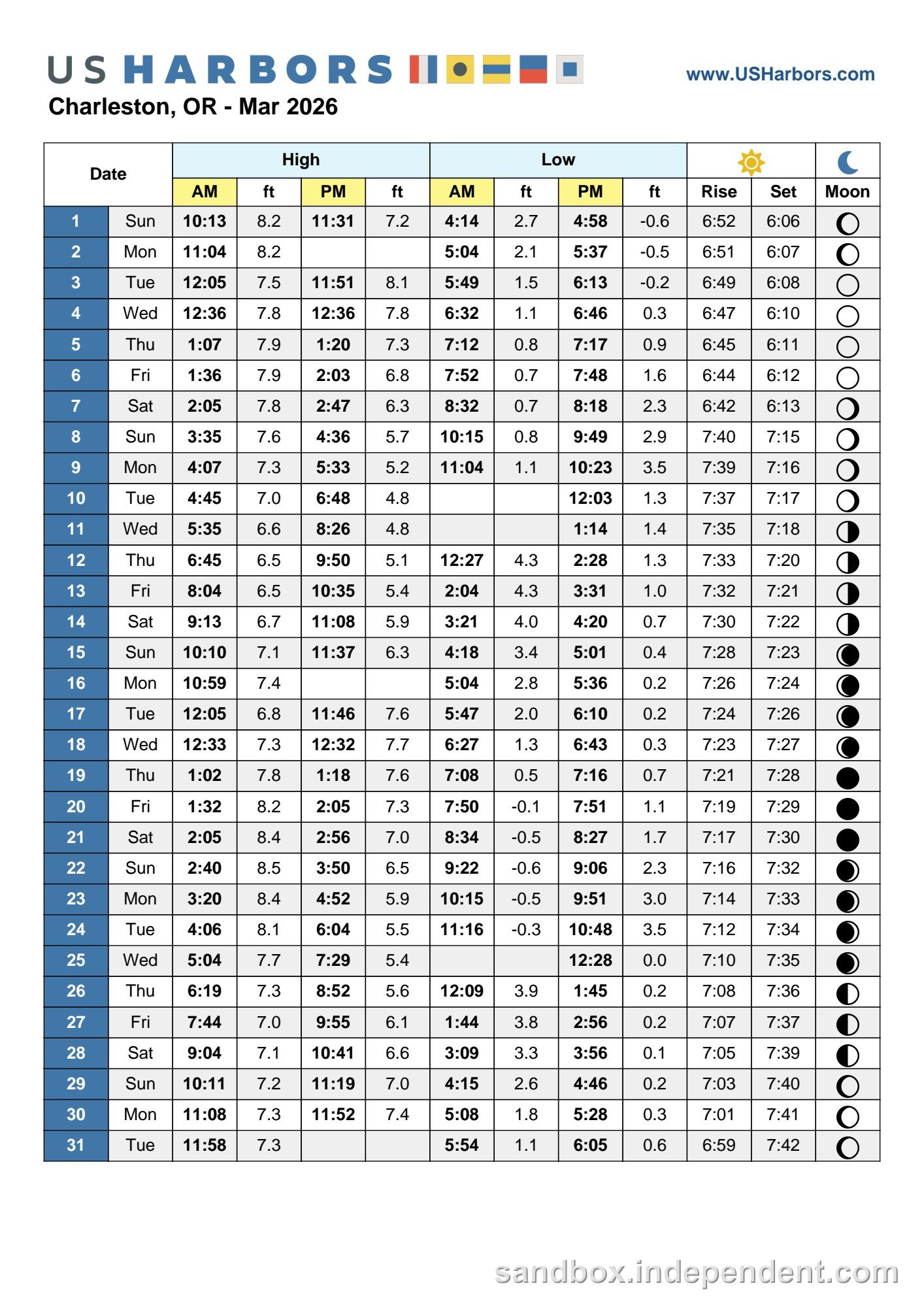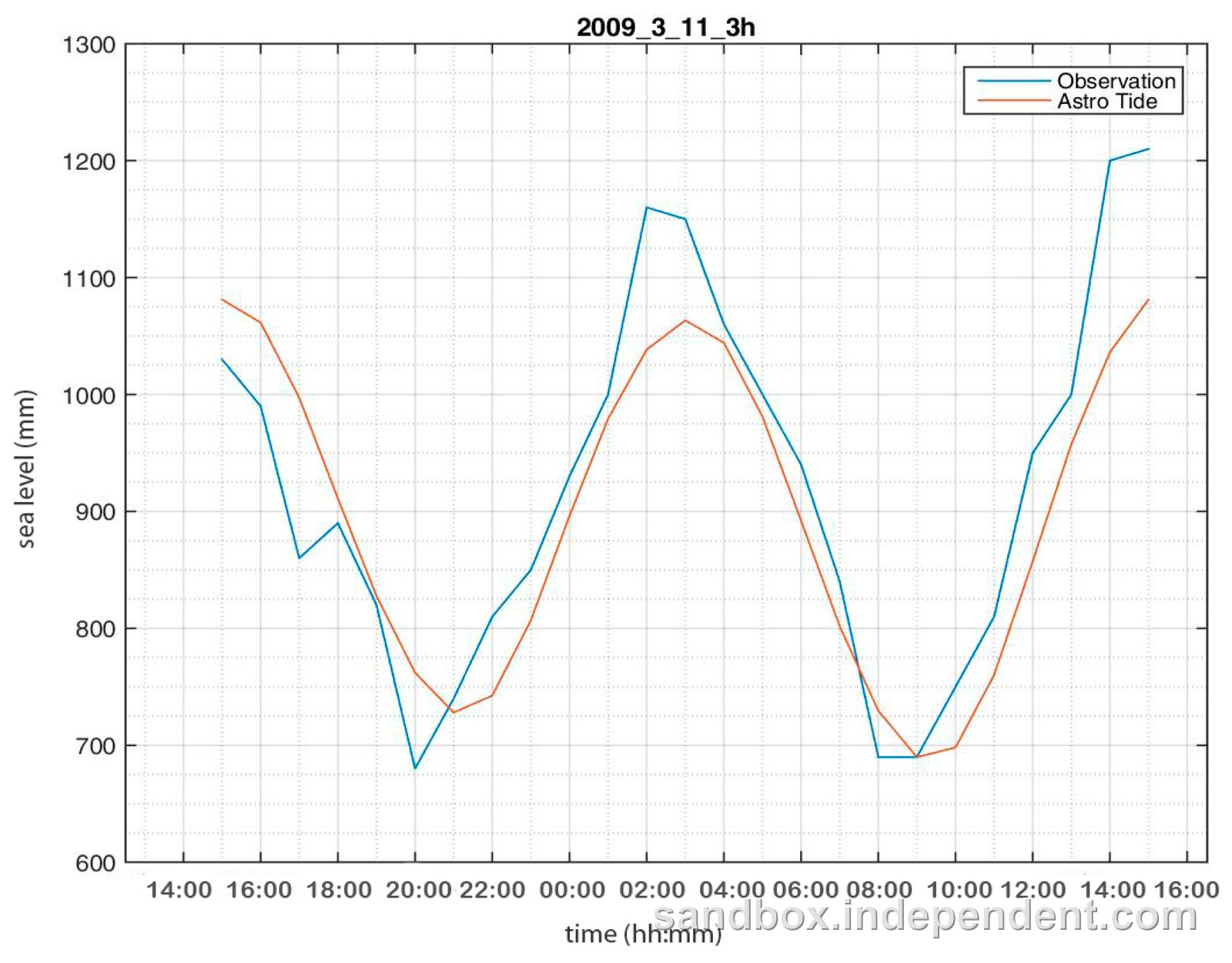


Iop Tide Chart Sheet Overview
A lexile score chart is a handy tool that simplifies the process of understanding reading levels and text complexity. This guide will provide you with a straightforward overview, ensuring you can navigate and utilize these charts effectively.
The chart acts as a visual guide, offering a quick reference for determining the difficulty of books and texts. While the specific values and formats may vary depending on the context and region, the core purpose remains the same: to provide a lexile measure, helping readers find suitable materials and track their reading progress.
Understanding Lexile Scores: A Quick Overview
The lexile score chart is a valuable tool for educators, parents, and readers to understand and match reading abilities with appropriate text complexity. It provides a simple, standardized way to measure and communicate reading levels, making it easier to select books that are neither too easy nor too challenging.
Comparing Lexile Levels and Text Complexity
The chart presents a range of lexile measures, typically from beginner levels like 0L to advanced levels exceeding 1700L. These scores indicate the text's complexity, considering factors like sentence length, word frequency, and syntax. Higher lexile scores mean more challenging texts, suitable for advanced readers.
Selecting Appropriate Texts: A Step-by-Step Guide
- Identify the reader's current lexile level. This can be done through standardized tests or by assessing their reading abilities.
- Use the lexile score chart to find the corresponding lexile range. For instance, a reader with a lexile level of 800L would fall within the range of 750L to 900L.
- Select books or materials within this range. You can use online lexile finders or check the lexile level on the book's cover or inside flap.
- Adjust as needed. If the reader finds the text too easy or too hard, consider books at the higher or lower end of the range.
Common Misconceptions and How to Avoid Them
One pitfall is assuming that higher lexile levels always indicate better reading ability. While it's true that more advanced readers will have higher lexile scores, it's essential to remember that reading ability is not solely determined by lexile level. Other factors, like reading speed, comprehension, and personal interest, also play a role.
Factors Affecting Accuracy and Real-World Use
Several variables can impact the accuracy of lexile scores and their real-world application. These include the reader's age, prior knowledge of the subject, and personal reading goals. For instance, a young reader with a high lexile level might still prefer easier books for recreational reading. Additionally, the lexile framework may not capture the complexity of certain genres or formats, like poetry or graphic novels. It's crucial to consider these factors when using the lexile score chart to ensure a well-rounded and enjoyable reading experience.
Well, there you have it! A handy lexile score chart can be a powerful tool, but it's essential to remember that these scores are just a guide. Each person's reading journey is unique, so ensure you tailor your approach to suit your goals and interests.
Before you go, take a moment to ensure you've considered your specific needs. These charts provide a great starting point, but the exact values may differ slightly depending on the source. Bookmark this page for a quick reminder, and you'll always have a helpful reference at your fingertips!
Related: Need a coat size chart?
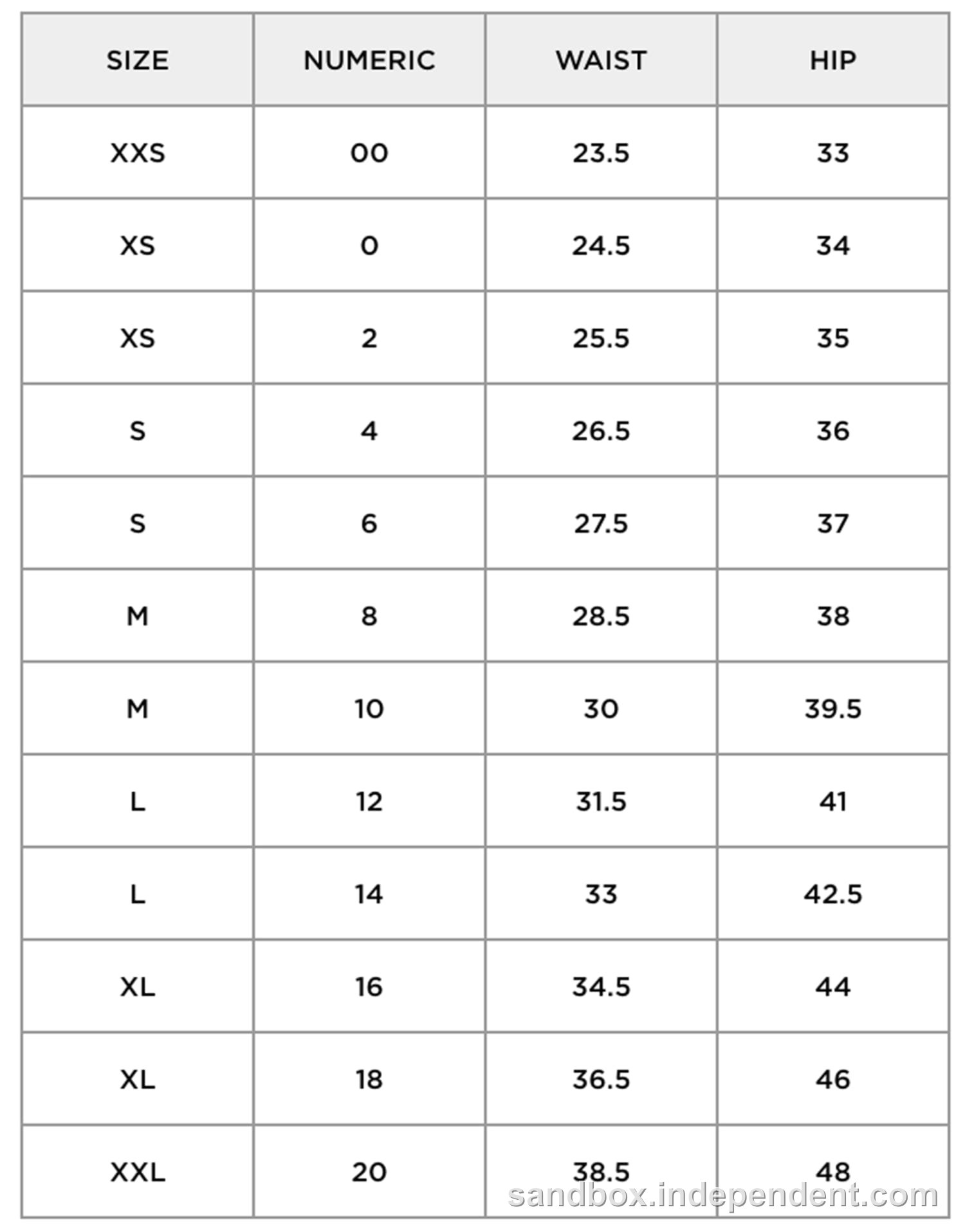
A coat size chart can be a tricky business, and many of us have experienced the frustration of getting it wrong. It's easy to assume that one size fits all, but that's not the case!
This simple reference tool, whether a table or diagram, is your friend and can save you time and potential sizing disasters. While the values and formats may vary depending on the brand and region, the coat size chart offers a reliable guide to ensure you find the perfect fit. It's a quick and easy way to navigate the often confusing world of garment sizing.
Understanding the Coat Size Chart: A Quick Overview
The coat size chart is your practical guide to finding the perfect fit for your coats and jackets. It's a reference tool that simplifies the process of selecting the right size, ensuring comfort and style. This chart provides a standardized way to match your body measurements with the corresponding coat size, making shopping easier and more accurate.
Comparing Standard Sizing Systems and Formats
Coat size charts can vary depending on the standard used. The most common systems are the US standard sizes and the international or metric sizes. These systems have different measurements and categories, so it's essential to know which standard the chart follows. US sizes often use alphabetical letters (e.g., S, M, L) and numerical sizes (e.g., 6, 8, 10), while international sizes typically use numerical ranges (e.g., 36, 38, 40) and may include additional letters (e.g., XS, XL).
Practical Steps to Use the Coat Size Chart Accurately
Using the coat size chart is straightforward:
- Measure your body: Take accurate measurements of your chest, waist, and hips. These are the key areas for coat sizing.
- Find your size: Locate your measurements on the chart. Match your chest measurement to the corresponding size column. If your waist and hip measurements fall within the same size range, great! If not, choose the size that best fits your chest and consider adjusting the fit with a belt or tailoring.
- Consider the style: Different coat styles may have varying fits. Some are designed to be more relaxed and loose-fitting, while others are tailored and fitted. Check the product description or consult the size guide for specific style recommendations.
- Double-check: Always refer to the product's size guide or specifications. Some brands may have slight variations in their sizing, so it's best to confirm the exact measurements and tolerances.
Common Misreadings and Pitfalls to Avoid
Here are some key factors to keep in mind to avoid sizing mistakes:
- Garment measurement standards can vary: Coats and jackets may have different fit preferences, so always check the product's specific size guide.
- International clothing sizes may differ: If you're shopping internationally, be aware of the size conversions. Some countries use different sizing systems, so a size 10 in one country might not be the same as a size 10 elsewhere.
- Body measurement guide: Ensure you measure yourself accurately. Loose or tight clothing during measurement can affect the result. Stand upright and measure snugly but comfortably.
- Consider the fabric: The stretch and drape of the fabric can impact the fit. Natural fibers like wool may have more give, while synthetic fabrics might be more structured.
- Personal preference: Sizing is not one-size-fits-all. Some people prefer a looser fit, while others like a more tailored look. Consider your personal style and comfort when choosing a size.
Hey there! We hope this coat size chart guide has been helpful in your quest for the perfect fit. Remember, while we've covered the basics, the exact values might differ slightly depending on the brand or standard you're referring to. It's always a good idea to check the specific guidelines for each item you're eyeing.
Feel free to explore our other guides on similar topics. We've got a range of practical resources to help you navigate the world of fashion and sizing with ease. Happy browsing and happy shopping!
Related: Understanding the Jax Depth Chart
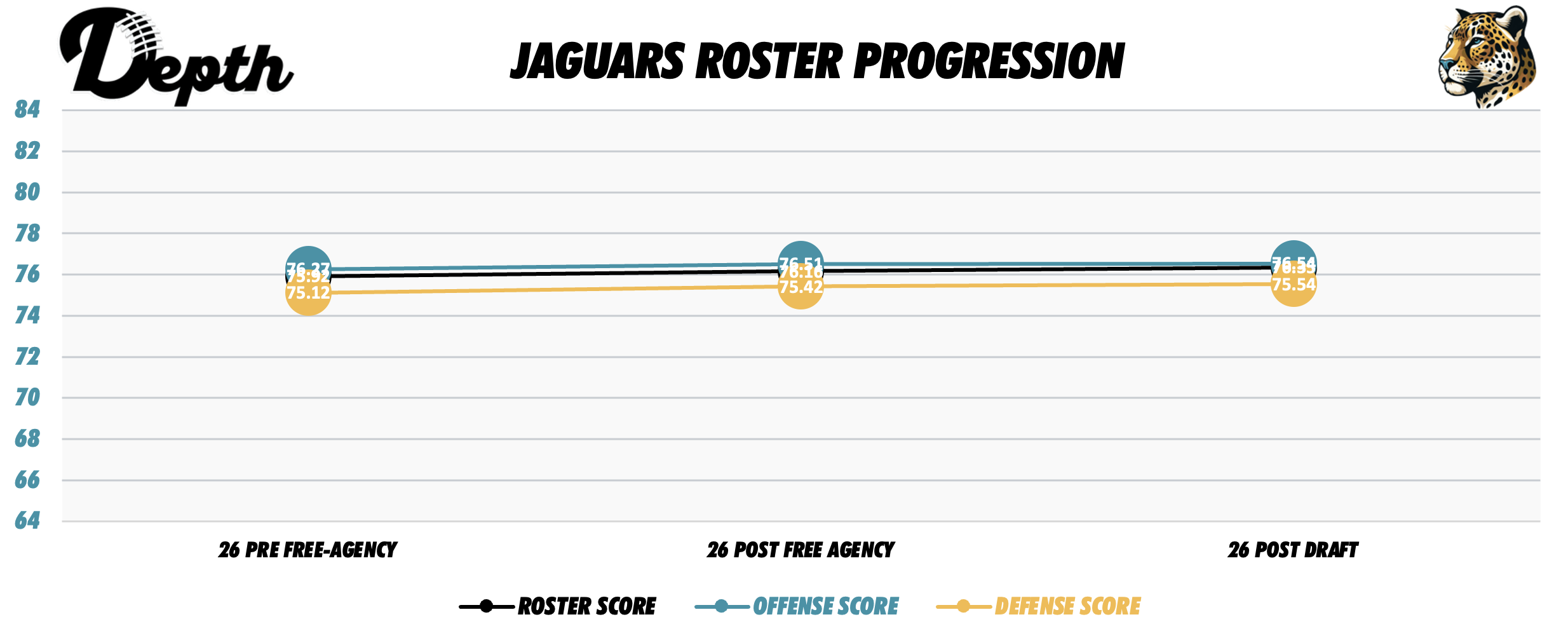
A jax depth chart is a valuable tool for any sports enthusiast or analyst, offering a clear snapshot of a team's player lineup and their positions. This guide will navigate you through the essentials, ensuring you can interpret and utilize the jax depth chart effectively. Whether you're a fan wanting to understand the team's strategy or a coach seeking insights, this reference will cover the basics, including the various formats and the key information it provides.
Understanding the Jax Depth Chart
The jax depth chart is a valuable tool for sports enthusiasts, particularly those following American football, to gain insights into a team's player lineup and strategy. It provides a visual representation of the team's roster, highlighting the depth and talent across different positions. This chart is an essential reference for fans, analysts, and even coaches to assess a team's strengths and weaknesses.
Key Details and Categories
The jax depth chart typically consists of several columns representing different player positions, such as quarterback, running back, wide receiver, and so on. Each position is further divided into categories like starters, backups, and reserves. The chart also includes player names, jersey numbers, and sometimes additional stats or notes. It is important to note that the chart's layout and categories may vary slightly depending on the team and the specific depth chart format used.
Reading the Depth Chart: A Step-by-Step Guide
To read and interpret a jax depth chart effectively, follow these steps:
- Start by identifying the position groups. These are usually grouped together and labeled clearly.
- Within each position group, locate the starters. They are often listed first or highlighted in some way.
- Next, find the backups and reserves. These players provide depth and can step in if needed.
- Pay attention to the order of players within each position. It can indicate the team's preferred depth and strategy.
- Look for any notes or additional information provided. These may include injury statuses, player roles, or recent performance indicators.
- Compare the depth chart with the team's recent game statistics to understand how the lineup has been utilized.
Variations and Differences Across Standards
While the core structure of a jax depth chart remains consistent, there can be variations based on different standards and contexts. Here are some key factors to consider:
- NFL Depth Charts: In the context of the National Football League (NFL), depth charts often follow a standardized format, with specific positions and categories. However, teams may customize their charts to highlight unique strategies.
- International Standards: Outside the NFL, depth charts may vary based on the league or country. For instance, some international leagues may have different position names or categories.
- Team-Specific Strategies: Each team might have its own depth chart nuances to reflect their playing style and coaching preferences.
Common Mistakes and How to Avoid Them
When interpreting a jax depth chart, it is crucial to avoid these common pitfalls:
- Misinterpreting Player Roles: Ensure you understand the difference between starters, backups, and reserves. Starters are the first-choice players, while backups provide depth and can fill in for injured or rested starters.
- Overlooking Position Flexibility: Some players may be listed at multiple positions, indicating their versatility. Don't assume a player is strictly limited to one role.
- Ignoring Recent Changes: Depth charts can evolve quickly, especially with injuries or trades. Always check the chart's date to ensure you have the most up-to-date information.
Practical Tips for Accurate Analysis
To get the most out of your jax depth chart analysis:
- Compare Multiple Sources: Cross-reference depth charts from different reliable sources to ensure accuracy and catch any discrepancies.
- Stay Informed: Keep up with injury reports, player news, and coaching updates to understand the context behind depth chart changes.
- Analyze Trends: Look for patterns or trends in player performance and usage over multiple games. This can provide insights into a team's long-term strategy.
Double-Checking and Handling Exceptions
While jax depth charts are valuable, it's important to remember that they are snapshots of a team's lineup at a specific time. Here are some situations to double-check or consider:
- Injury Updates: If a player is injured, their status may change rapidly. Always verify their availability and potential replacements.
- Game-Time Decisions: Coaches may make last-minute lineup changes based on game plans or opponent strategies. Stay tuned for any late-breaking news.
- Position Flexibility: Some players can fill multiple roles. Confirm their primary position and understand how their versatility fits into the team's strategy.
Well, there you have it! The Jax Depth Chart is a handy tool, and I hope this guide has given you a clear understanding of how to utilize it effectively. Remember, while the basics remain consistent, the exact details might shift slightly based on your specific context or the source you're referencing.
Feel free to bookmark this page for future reference, and don't hesitate to explore other guides on similar topics. It's always beneficial to have a reliable resource at your fingertips!