






Itemised Cleaning Invoice Overview
I've just been thinking about home extension cobham and how it could be a great option for us. We've been considering our options for more space, and an extension seems like a practical, long-term solution. It's an exciting idea, but I want to make sure we approach it the right way.
Understanding Home Extensions
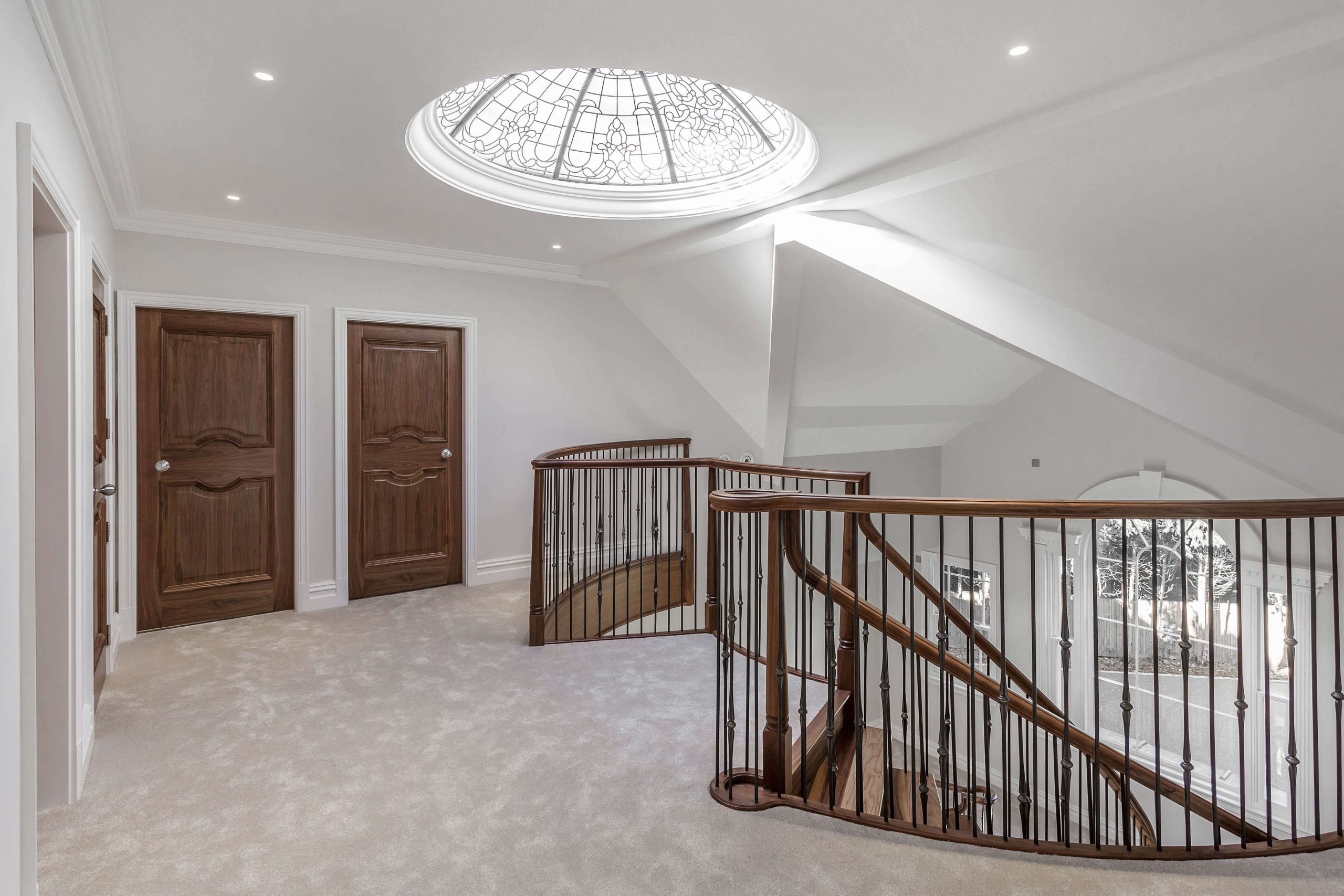
A home extension is basically adding a new room or space to your existing house. It's a popular choice for growing families or those who need more room for hobbies, guests, or just a bit of extra breathing space. Home extension cobham is all about creating a seamless blend of the old and new, so it looks and feels like it was always part of your home. It's a big project, but with the right planning and professionals, it can be a fantastic way to transform your living environment.
When you're considering an extension, you need to think about the layout and design. Do you want a simple, open plan space, or something more complex with multiple rooms? The design should fit your lifestyle and needs. It's also important to consider the existing structure and how the extension will connect to it. You want a smooth, integrated look, so the extension feels like a natural part of your home's architecture.
Finding the Right Builders
Hiring the right builders is crucial for a successful home extension. You want a team that understands your vision and can bring it to life. Look for experienced contractors with a good track record and positive reviews. Ask for references and check their previous work. It's also a good idea to get multiple quotes to compare prices and services. Make sure the quotes are detailed and cover all aspects of the project, from materials to labor and any necessary permits.
The name of the construction business can be an important factor in attracting clients. It should be memorable, professional, and reflect the services offered. Some examples of unique and catchy names could be:
- Build & Beyond
- Crafted Spaces
- Home Evolution
- Creative Construction
- Structure Solutions
- The Extension Experts
Remember, a great name can set the tone and create a positive first impression.
Costs and Considerations
The cost of a home extension can vary widely. It depends on factors like the size and complexity of the build, the materials used, and the local labor rates. You'll also need to consider any additional costs, such as planning permission, architectural designs, and any necessary utilities or infrastructure upgrades. Getting multiple quotes will help you understand the range of prices and find a contractor who offers a competitive and transparent pricing structure.
Industry Insights and Outlook
The construction industry is constantly evolving, and staying informed is key. Tools like RSMeans provide valuable cost data and resources for estimating and planning projects. It's a great way to stay on top of industry trends and ensure accurate cost estimates. The outlook for home extensions is positive, with many homeowners recognizing the benefits of expanding their living spaces. It's an investment that can add value to your home and improve your quality of life.
In conclusion, home extension cobham is an exciting and practical way to create the space you need. It's a big decision, but with careful planning and the right professionals, it can be a rewarding experience. I'm excited to explore this option further and see how it could transform our home.
Related: Unraveling the Wine Sweet Chart: A Simple Guide
A wine sweet chart is a handy tool for any wine enthusiast, offering a simple and visual way to understand the sweetness levels in your favorite wines. This guide will cover the basics, helping you read and interpret these charts like a pro.
It's a great reference, especially when you want to explore new wines and understand their sweetness. The charts provide a quick insight into the wine's sugar content, often measured as residual sugar, and can vary depending on the wine's style and origin.
The Wine Sweet Chart: Your Guide to Wine Sweetness
The wine sweet chart is a handy tool that wine enthusiasts and professionals use to understand and communicate the sweetness levels of different wines. It provides a standardized way to measure and categorize wine based on its residual sugar content, offering a clear indication of how sweet or dry a wine is.
Key Details and Categories
The chart typically presents a range of sweetness levels, often using a scale of 0 to 10 or 0 to 100, with 0 representing a bone-dry wine and higher numbers indicating increasing sweetness. This scale is a relative measure, allowing for easy comparison between wines. The categories are usually defined by specific sugar content ranges, such as 0-1 g/L for dry wines and 100+ g/L for very sweet wines.
Reading and Applying the Wine Sweet Chart
To use the wine sweet chart, follow these steps:
Identify the wine's sweetness level: Look for information on the wine's label or consult a wine guide or expert to determine its sweetness category.
Understand the scale: The chart provides a visual representation of the sweetness range, with dry wines at one end and very sweet wines at the other.
Interpret the values: Each wine on the chart is assigned a number or category, indicating its sweetness level. For example, a wine labeled as "Off-Dry" might fall between 1 and 3 on a 0-10 scale.
Apply the knowledge: Knowing a wine's sweetness level can help you choose the right wine for a meal, pair it with appropriate foods, or simply understand its unique characteristics.
Variations and Differences
It's important to note that the wine sweet chart may vary depending on the standard or region. Different wine-producing countries or organizations may use slightly different scales or categories. For instance, the International Organisation of Vine and Wine (OIV) uses a 0-400 scale for residual sugar, with specific categories like "Dry" (0-4 g/L) and "Very Sweet" (120-400 g/L). Always refer to the specific standard being used to ensure accuracy. Additionally, factors like fermentation, climate, and grape variety can influence a wine's sweetness, leading to variations within the same category.
Well, there you have it! A handy wine sweet chart, a simple yet effective tool to navigate the world of wine sweetness. Remember, while the basics remain the same, the exact details might shift a little depending on the source and context.
Feel free to bookmark this page for future reference; it's a quick and easy way to ensure you always have a sweet guide at your fingertips! We've got plenty more guides like this, so be sure to check them out for all your wine-related queries.
Related: Unravel the PNC Seating Chart
A common misconception about pnc seating charts is that they are merely static diagrams, when in fact, these charts are powerful tools that offer a unique perspective and can greatly enhance your event experience. While it may seem straightforward, understanding the nuances of a seating chart is essential to making the most of your time at venues like the PNC Arena or PNC Music Pavilion. These charts provide a bird's-eye view, offering insights into the layout, views, and capacities, ensuring you find your perfect spot.
Understanding the PNC Seating Chart
The PNC seating chart is a visual representation of the seating layout for various venues, including the PNC Arena, PNC Park, and PNC Music Pavilion. It provides a clear and organized view of the seating options, helping attendees choose the best seats for their preferences and needs.
Key Details and Categories
The chart typically displays a bird's-eye view of the venue, with each section labeled and color-coded. Seat numbers are assigned sequentially, and the chart may also indicate the row and seat position within each section. It is essential to note that the specific layout and numbering system can vary depending on the venue and event.
How to Read and Apply the Seating Chart
To navigate the PNC seating chart, follow these steps:
- Identify the venue you are interested in. Different venues may have unique seating arrangements, so ensure you are referring to the correct chart.
- Locate the section you wish to explore. Sections are usually labeled with letters or numbers and may have a corresponding color code.
- Within each section, rows are typically labeled alphabetically or numerically. Find the row you prefer, considering factors like proximity to the stage or field.
- Each row has assigned seat numbers. Choose the seat number that suits your preference, keeping in mind that lower numbers are closer to the aisle.
- Consider any additional information provided, such as obstructed view seats or premium seating areas. These details can help you make an informed decision.
Variations and Differences
It is important to understand that PNC seating charts may vary across different venues and events. Here are some key factors that can cause variations:
- Venue size and shape: Larger venues may have more complex seating arrangements, while smaller venues might offer a more intimate experience.
- Event type: Concerts, sports events, and theatrical performances often have unique seating configurations to accommodate different stages or fields of play.
- Seating capacity: The overall seating capacity of a venue can influence the layout and availability of seats.
- Regional standards: Different regions may have their own seating chart conventions, so it is essential to be aware of any regional variations.
Common Mistakes and How to Avoid Them
When using a PNC seating chart, avoid these common pitfalls:
- Assuming all venues are identical: Each venue has its own unique layout, so always double-check the specific chart for the event you are attending.
- Ignoring seat numbers: Seat numbers are crucial for finding your assigned seat. Pay attention to the row and seat number to avoid confusion.
- Overlooking obstructed view seats: Some seats may have limited or obstructed views due to pillars, sound equipment, or other obstacles. Check the chart for any indications of these seats to avoid disappointment.
Practical Tips for Accurate Results
To ensure a smooth experience, consider these best practices:
- Research the venue: Familiarize yourself with the venue's layout and any unique features, such as balconies or standing-room-only sections.
- Check for recent updates: Seating charts may be updated periodically, especially for major renovations or changes. Ensure you are using the most recent version.
- Consider your preferences: Think about your personal preferences, such as proximity to the stage, sound quality, or comfort. Choose seats that align with your priorities.
- Seek recommendations: If you are unsure, seek advice from friends or online communities who have attended similar events at the venue. Their experiences can provide valuable insights.
Double-Checking and Handling Exceptions
While the PNC seating chart is a valuable tool, it is essential to be aware of potential exceptions and edge cases:
- Venue-specific variations: Some venues may have unique seating configurations or seating categories not typically found in other venues. Always refer to the specific chart for accurate information.
- Seat availability: Seat availability can change rapidly, especially for popular events. Check the availability of your preferred seats regularly to avoid missing out.
- Accessibility needs: If you have specific accessibility requirements, contact the venue or event organizers to ensure they can accommodate your needs. They may have designated accessible seating areas or provide alternative arrangements.
Hey there, reader! I hope this PNC seating chart guide has been a helpful resource for you. Remember, while the basics remain consistent, exact details can indeed vary slightly based on the specific context and the source you're referring to. So, keep an eye out for those nuances!
Feel free to explore our other guides and resources on the site. We've got a range of practical, no-nonsense content to help you navigate various topics. Happy reading, and here's to finding the perfect seat for your next event!