



Jacket Size Chart Free Printable Overview
Frustrated by the lack of clarity in size guides? You're not alone! Many of us have been there, staring at a Torrid size chart, wondering if the numbers align with our bodies. It's a common struggle, especially when shopping for plus-size clothing. But fear not! Understanding these charts is easier than you think.
The Torrid size guide, for instance, offers a simple solution. It provides a clear breakdown of measurements, ensuring you find the perfect fit. Whether you're after a Torrid dress size chart or a Torrid jeans size chart, the key is to take your time and measure accurately.
Understanding the Torrid Size Chart
The torrid size chart is your go-to guide for finding the perfect fit in Torrid clothing. It's a simple yet effective tool that helps you navigate their range of sizes and styles, ensuring you get a comfortable and flattering look every time.
Key Details and Categories
The chart provides a clear breakdown of measurements for different body parts, typically including bust, waist, hips, and inseam. These measurements are presented in a table format, with sizes ranging from 00 to 6X, covering a wide range of body types. The units used are inches, a standard measurement system. It's important to note that the chart is designed specifically for Torrid's clothing line, so it may differ from other size guides.
Step-by-Step Guide to Reading the Chart
Here's a simple process to follow when using the torrid size chart:
- Identify your body type and the specific item of clothing you're interested in.
- Locate the relevant size guide for that item on the chart.
- Measure your body according to the guide's instructions. Ensure you're measuring the right body parts accurately.
- Compare your measurements to the size chart. Find the size that most closely matches your measurements across all relevant body parts.
- If you fall between sizes, consider the fabric and style of the garment. Some fabrics have more give, and certain styles may be more forgiving.
- Don't forget to check the reviews and fit notes provided by Torrid and other customers. These can offer valuable insights into how the garment fits in real life.
Size Chart Variations and Differences
It's important to remember that size charts can vary across brands and even within a brand for different clothing types. Torrid clothing size charts may differ slightly for jeans compared to dresses or bras, as these items have unique fit requirements. Additionally, Torrid, like many brands, offers size guides for both US and international (metric) measurements, so ensure you're using the correct guide for your region.
Common Mistakes and How to Avoid Them
- Measuring inaccurately: Ensure you're using a flexible measuring tape and following the instructions precisely.
- Assuming sizes are universal: Remember, each brand's size chart is unique. Don't assume your Torrid size will be the same as another brand.
- Not considering fabric and style: The fit of a garment can vary significantly based on fabric and design.
- Neglecting to check reviews: Customer reviews often provide valuable insights into how an item fits in practice.
- Forgetting to account for personal preferences: If you prefer a looser fit, size up; if you like it snug, size down.
- Relying solely on the size chart: While the chart is a great guide, it's always a good idea to check the fit notes and reviews for a more accurate picture.
Hey there, I hope this guide has been helpful in understanding the Torrid size chart and its practical use. Remember, while the core principles remain the same, the exact details can differ slightly, so it's always good to refer to the specific chart you're using.
Don't hesitate to explore other guides on our site, where you'll find more tips and tricks to enhance your shopping experience and make informed choices. Happy shopping, and stay stylish!
Related: How to use the Lulus size chart?
The lulus size chart is a handy tool for anyone who wants to ensure they're getting the perfect fit when shopping. This guide will take you through the ins and outs of reading and using this chart effectively. From understanding the different measurements to knowing how to convert sizes, we'll cover it all, making sizing a breeze!
Understanding the Lulus Size Chart
The lulus size chart is a handy tool that helps you find your perfect fit when shopping for clothing. It provides a standardized guide to help you match your body measurements with the corresponding size options. This chart is a great reference, especially when shopping online, as it ensures you make an informed choice and avoid any sizing surprises.
Comparing Size Chart Standards
Size charts can vary depending on the brand and region. Lulus, being a popular fashion brand, follows a specific sizing standard. Their chart typically includes measurements for bust, waist, and hip, which are crucial for finding the right fit. It's essential to note that these measurements are in inches, following the US standard. Other brands or international charts might use different units, so always check the chart's legend or key.
Step-by-Step Guide to Using the Chart
Using the lulus size chart is straightforward. First, measure your bust, waist, and hip accurately. You can do this by using a measuring tape and following a few simple tips: stand straight, measure at the fullest part of your bust, and ensure the tape is parallel to the floor. Once you have these measurements, find the closest match on the chart. For example, if your bust measurement is 36 inches, look for the size that corresponds to this range. The chart will provide a recommended size, usually in the form of numerical values or standard dress sizes (e.g., small, medium, large).
Avoiding Common Misreadings
One common mistake is not considering the entire body when referring to the chart. The lulus size chart provides a general guide, but your specific body shape might require some adjustments. For instance, if you have a curvier figure, you might need to size up for a more comfortable fit. Another pitfall is ignoring the brand's unique fit. Some brands have a reputation for running small or large, so always check the brand's sizing guide or reviews for any specific fit notes.
Factors Affecting Size Variations
Several factors can cause size variations, and understanding these is key to accurate sizing. Firstly, body measurements can fluctuate, especially if you're between sizes. In such cases, it's best to choose the larger size for a more comfortable fit. Secondly, different fabric types and styles can affect the fit. For instance, a stretchy fabric might provide a more forgiving fit, while structured fabrics might require a more precise size match. Lastly, personal preference plays a role. If you prefer a looser or tighter fit, you might need to adjust your size choice accordingly.
Adapting the Chart for Your Needs
The lulus size chart is a versatile tool, and you can adapt it to suit your specific needs. If you're shopping for a particular style, such as a fitted dress or a relaxed-fit top, refer to the brand's size guide for any style-specific measurements or recommendations. Additionally, if you're between sizes, consider the fabric and style of the garment. A looser-fit top might allow for more flexibility, while a structured blazer might require a more precise size match.
Keeping Your Sizing Reliable
To ensure reliable sizing, it's crucial to measure accurately and consistently. Invest in a good-quality measuring tape and follow a standardized measuring technique. Take your measurements at the same time of day, as slight variations can occur due to water retention or other factors. If you're shopping for multiple items, consider creating a personal sizing profile. Note down your key measurements and the corresponding sizes for easy reference. This way, you can quickly refer to your profile and make informed choices, ensuring a consistent and reliable fit.
Hey there! I hope this guide has been helpful in navigating the world of size charts. Remember, when it comes to Lulus' size chart, the specifics might differ slightly based on the item and your unique body. So, keep an eye out for those little variations!
If you found this guide useful, why not bookmark this page for future reference? It's always handy to have a quick reminder, especially when you're shopping online and need to make those important size decisions. Check out our other guides for more practical tips and tricks!
Related: How to Read a Sock Size Chart?
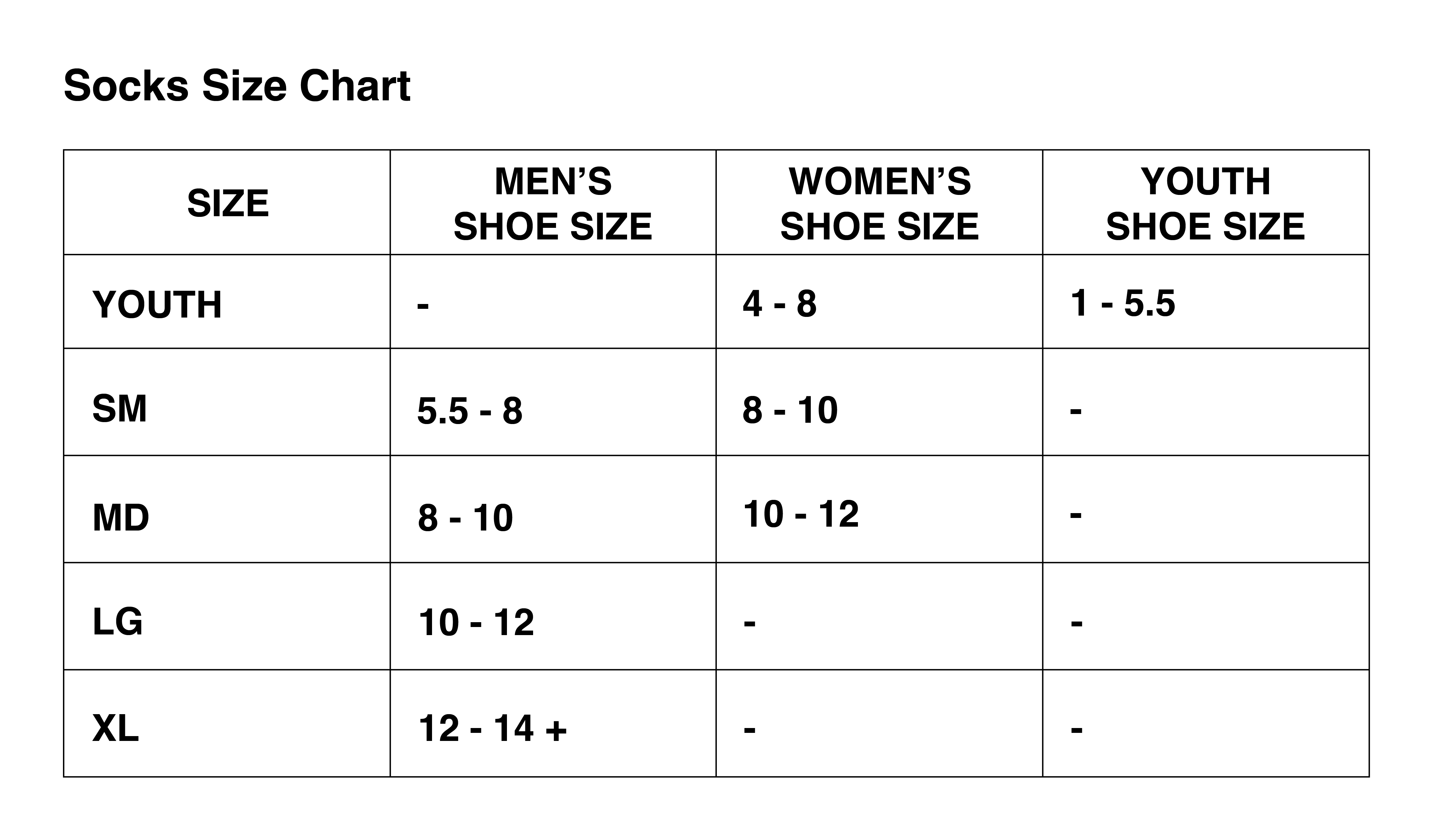
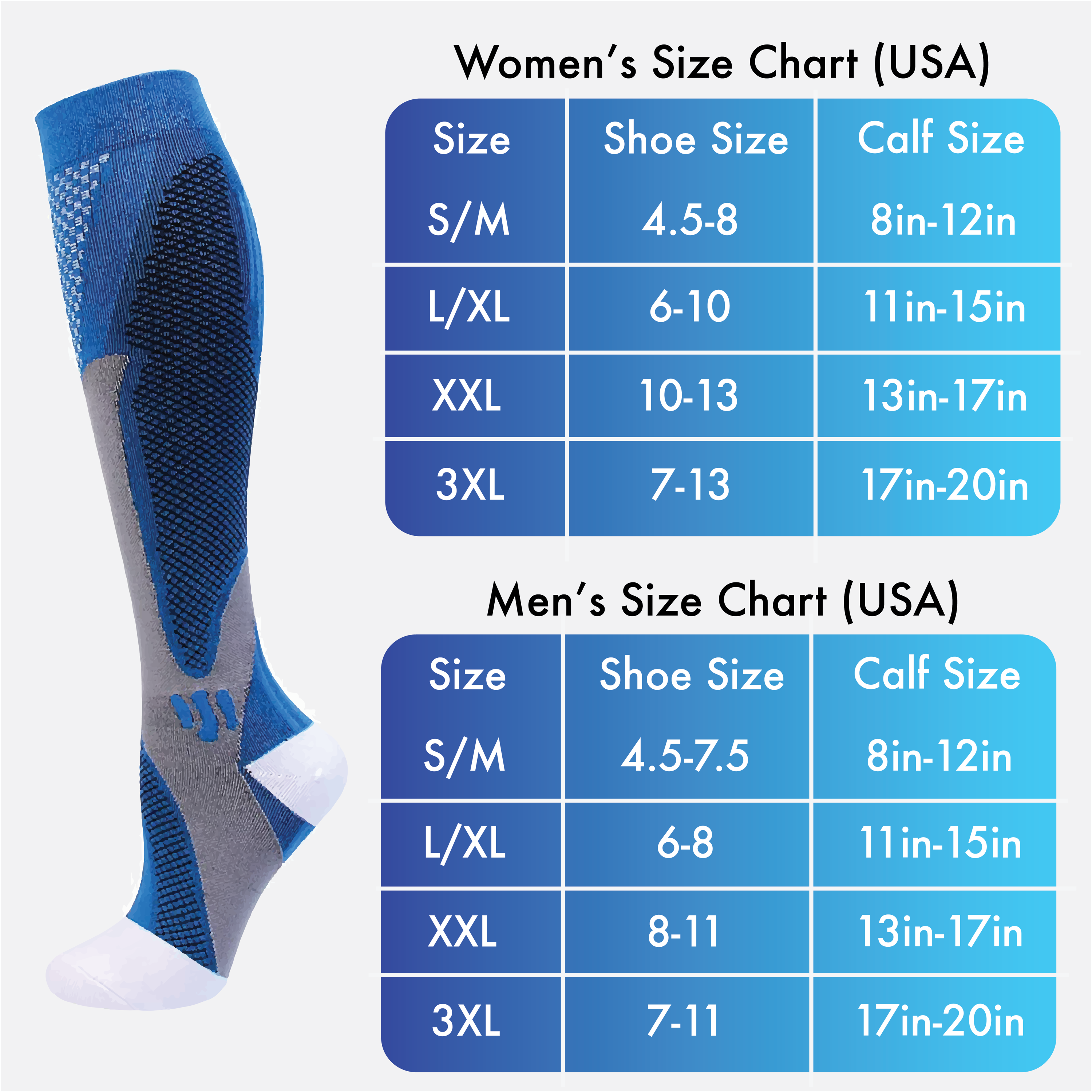
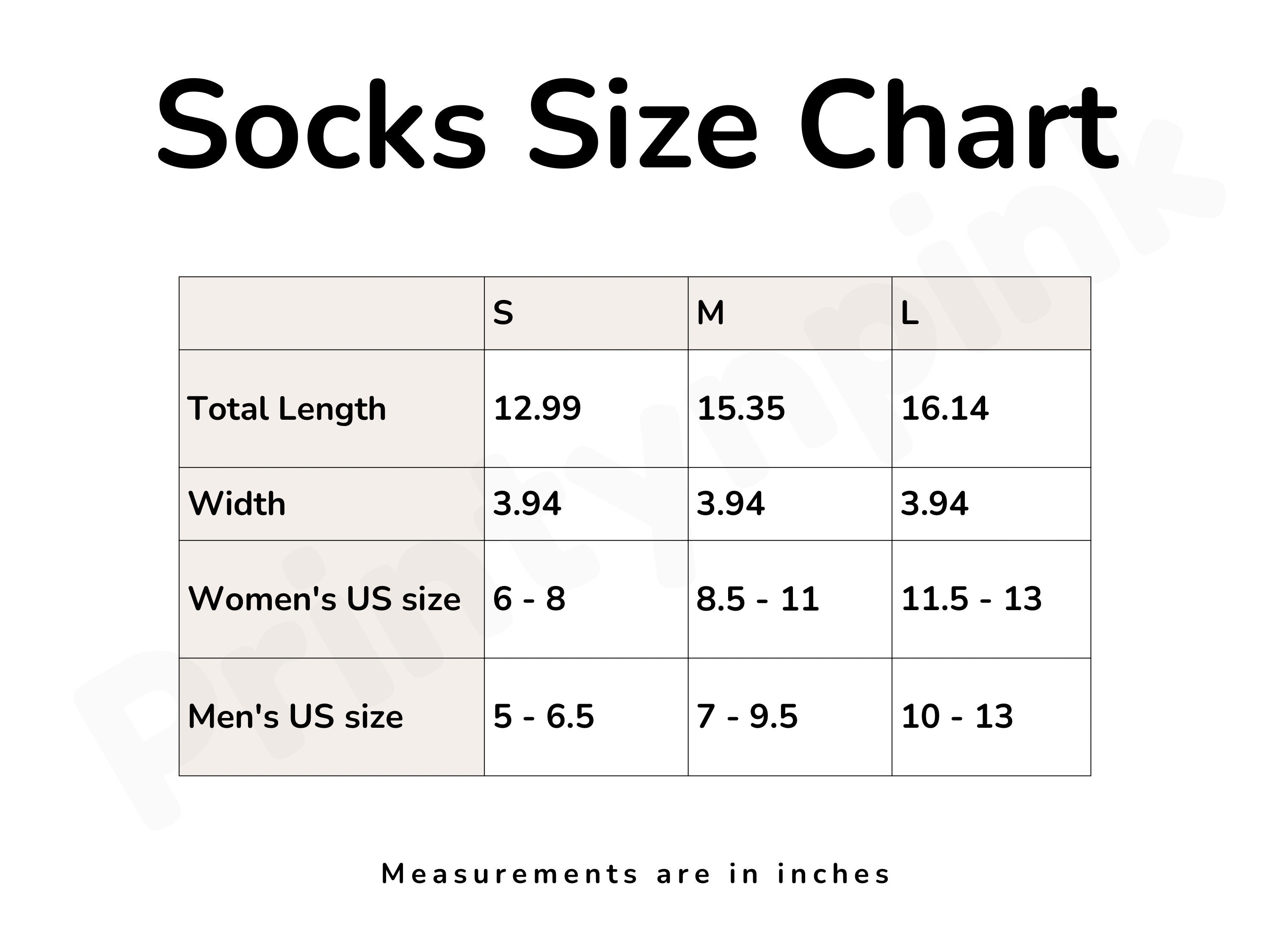
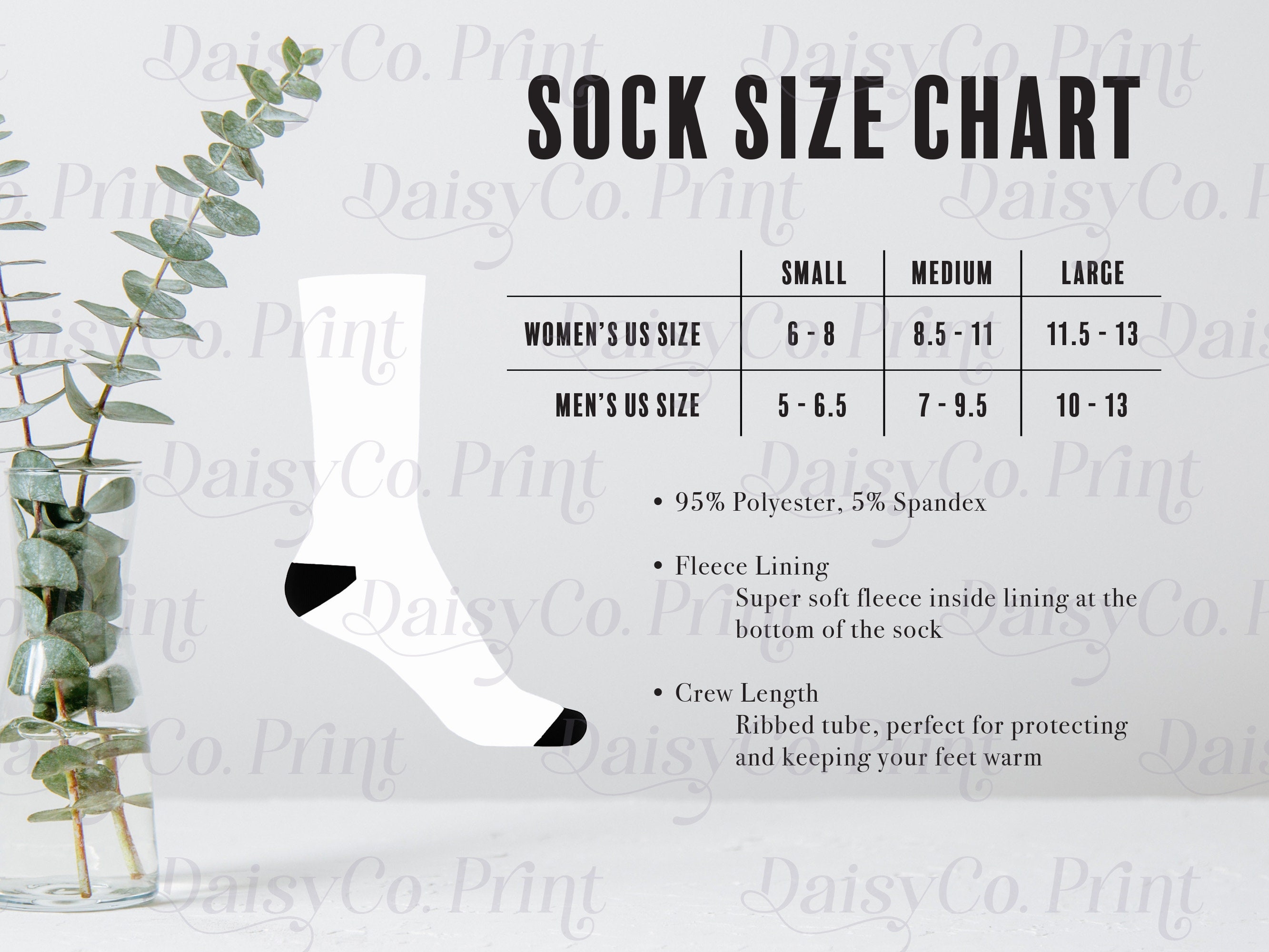
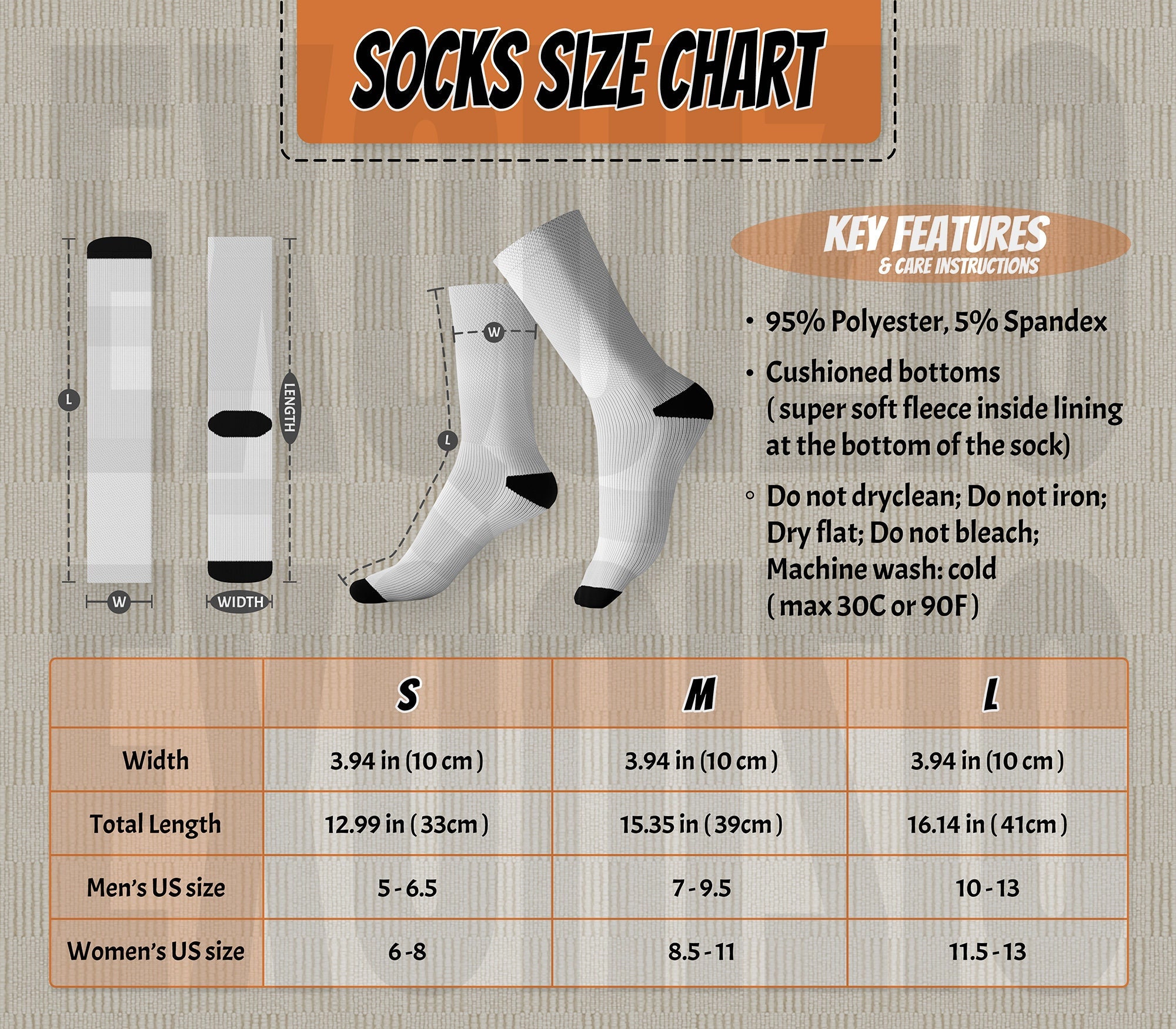
Many people overlook the importance of a sock size chart and its accuracy, often leading to ill-fitting socks and discomfort. This simple tool is your secret weapon against blisters and sore feet!
A sock size chart is a straightforward reference, yet it can vary depending on the brand and region. It's a quick guide to ensure you choose the right size, and it's especially useful when buying online. Think of it as a map to finding the perfect fit, guiding you through the process of matching your foot measurements to the right sock size.
Understanding the Sock Size Chart
A sock size chart is your go-to guide for finding the perfect fit for your feet. It's a simple tool that helps you match your foot measurements to the right sock size, ensuring comfort and avoiding any awkward bunching or slipping.
Key Details and Categories
The chart typically displays two main categories: foot length and sock size. Foot length is usually measured in centimeters (cm) or inches, and it's the distance from the heel to the tip of your longest toe. Sock size, on the other hand, is a standardized measurement that corresponds to this foot length. It's important to note that sock size charts can vary slightly depending on the region and manufacturer, so it's good to check if you're using an international sock size chart or one specific to your country.
How to Read and Apply the Chart
Using a sock size chart is straightforward:
Measure your foot length. Place your foot on a flat surface and use a ruler or measuring tape to get the distance from your heel to the longest toe.
Find your foot length on the chart. Look for the column or row that matches your measured foot length.
Identify the corresponding sock size. The intersecting row or column will give you the recommended sock size.
Choose your socks. Now you can confidently pick your socks, knowing they'll fit comfortably and snugly.
Variations and Differences
While sock size charts provide a standardized guide, there can be variations across different brands and manufacturers. Some may have slightly different size ranges or use unique sizing systems. It's always a good idea to check the brand's specific size guide, especially if you're ordering online or trying a new brand. Additionally, the type of sock (e.g., crew, ankle, or no-show) can also impact the fit, so consider the style you prefer.
Common Mistakes and How to Avoid Them
One of the most common mistakes is not measuring your foot length accurately. Ensure you're standing up and placing your foot flat on the measuring surface. Another pitfall is assuming all sock size charts are the same. Always double-check if you're using an international or regional chart, especially when shopping online or across borders. Lastly, remember that foot shape and width can also affect the fit, so consider trying on socks if possible, or opting for a brand that offers a generous return policy.
Well, that's a wrap on our sock size chart adventure! You now have the tools to ensure you're always getting the perfect fit, which is a win-win for your comfort and style.
Remember, while this guide offers a solid framework, exact values can vary slightly between different standards and sources. So, take a moment to double-check the specific requirements or guidelines relevant to your context. And there you have it—a simple yet effective way to ensure your socks are always a snug and cozy fit!