








Jackie Robinson Coloring Sheet Overview
Many beginners in the world of finance and trading often overlook the power of visual tools, assuming they are complex and intimidating. However, a price charting app is your friendly companion, offering a simple yet effective way to understand market trends. It's not about deciphering a secret code; these apps provide an accessible gateway to interpreting historical price data and identifying patterns.
Understanding Price Charting: A Quick Overview
A price charting app is a powerful tool for anyone interested in stock market analysis and understanding historical price data. It provides a visual representation of price movements, helping investors and traders make informed decisions. This guide will walk you through the basics of reading and interpreting these charts.
Chart Types and Formats: Comparing the Options
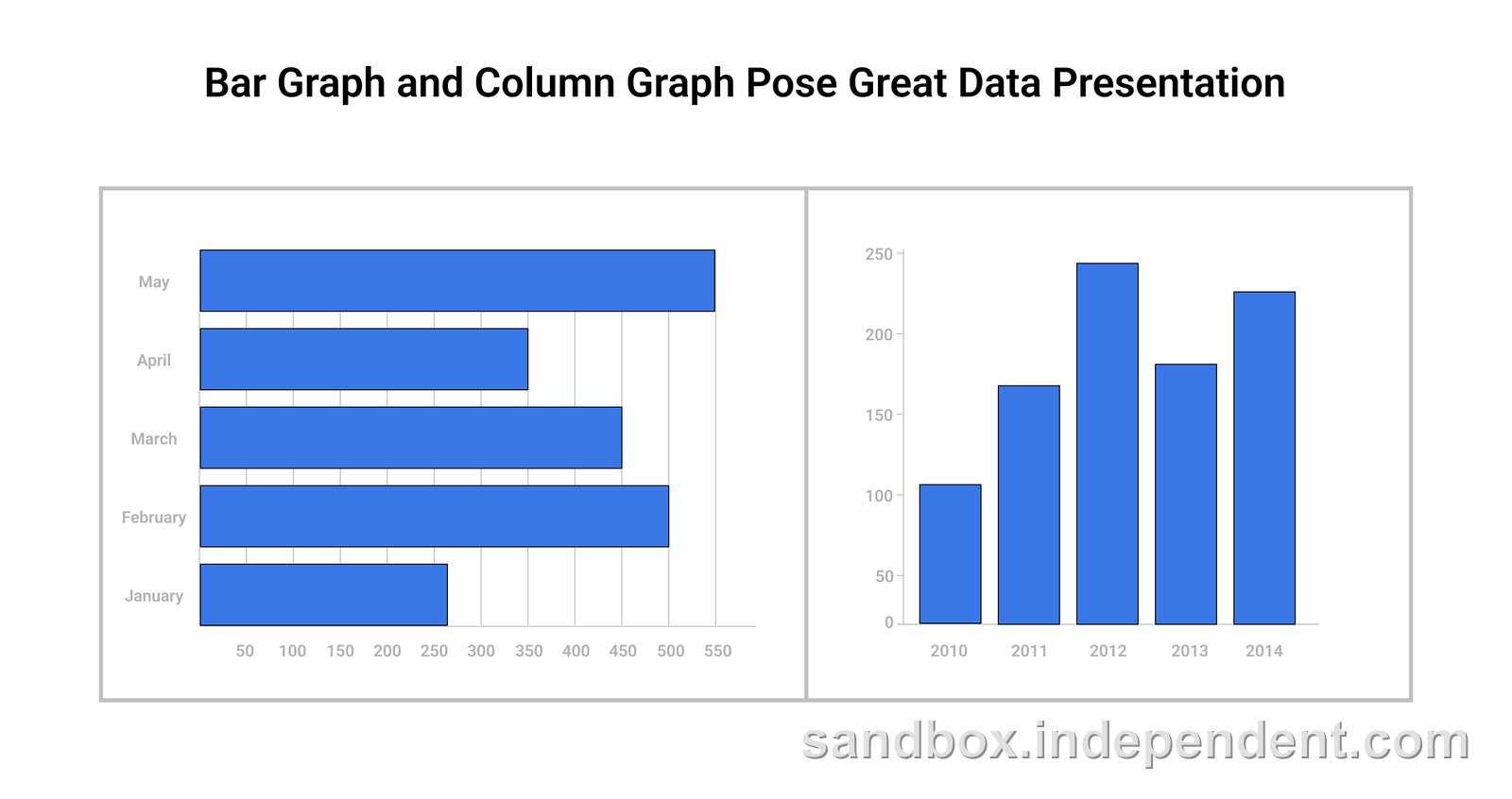
There are various chart types commonly used in the financial world. The most popular include line charts, bar charts, and candlestick charts. Each format has its strengths and is suitable for different trading strategies. Line charts offer a simple, continuous view of price changes, while bar charts provide more detail with open, high, low, and close prices. Candlestick charts are popular for their visual appeal and ability to display price patterns.
Step-by-Step Guide: Reading and Interpreting Price Charts
To read a price chart, follow these steps:
- Identify the time frame: Charts can display data for different periods, such as daily, weekly, or hourly. Choose the time frame relevant to your analysis.
- Understand the price scale: The vertical axis represents the price range. Ensure you're aware of the scale and any potential adjustments due to stock splits or dividends.
- Recognize key metrics: Look for important price levels, such as support and resistance, which indicate potential buying or selling opportunities.
- Analyze trends: Observe the overall direction of the price movement. Is it trending upwards, downwards, or ranging sideways?
- Identify patterns: Price charts often display recognizable patterns like triangles, head and shoulders, or double tops. These patterns can signal potential reversals or continuations.
- Use technical indicators: Many charts offer additional tools like moving averages, RSI, or MACD. These indicators can provide insights into momentum, overbought/oversold conditions, and potential entry or exit points.
Common Misreadings and Pitfalls: Avoiding Mistakes
When interpreting price charts, it's essential to avoid common pitfalls:
- Don't rely solely on charts: While charts are powerful, they should be used in conjunction with other analysis methods and fundamental research.
- Be cautious of confirmation bias: It's easy to interpret charts to confirm your existing beliefs. Stay objective and consider all possibilities.
- Understand chart customization: Different platforms offer various customization options. Ensure you're familiar with the settings to avoid misinterpretations.
- Watch out for false signals: Not all patterns or indicators lead to the expected outcome. Always consider the bigger picture and use multiple signals for confirmation.
Key Factors Affecting Chart Accuracy and Real-World Use
Several factors can impact the accuracy and applicability of price charts:
Market volatility: Highly volatile markets can make it challenging to identify clear trends or patterns.
Time frame selection: Choosing the wrong time frame may lead to misinterpretations. Ensure it aligns with your trading strategy.
Data quality: Ensure you're using reliable and up-to-date data sources. Inaccurate data can skew your analysis.
Chart customization: Adjusting chart settings, like adding indicators or changing the price scale, can impact your interpretation.
Market conditions: External factors like economic news, political events, or seasonal trends can influence price movements, affecting chart patterns.
Choosing the Right Chart Format for Your Needs
The choice of chart format depends on your trading style and preferences:
- If you prefer simplicity and ease of interpretation, a line chart might be ideal.
- For detailed analysis and identifying specific price levels, bar charts offer more information.
- Candlestick charts are excellent for visualizing price patterns and understanding market sentiment.
- Consider your trading strategy and the specific insights you seek. Choose a format that aligns with your goals and provides the necessary data.
Remember, price charting apps are powerful tools, but they are just one piece of the puzzle. Combine them with other analysis methods and stay updated on market news to make well-informed trading decisions.
Well, there you have it! We've covered a lot of ground, from understanding the basics to diving into the practical aspects of using a price charting app.
Remember, while this guide provides a solid foundation, every situation is unique. So, before you finalize your charts and references, take a moment to ensure they align perfectly with your specific needs and context. It's a simple step but an important one!
Feel free to explore more of our guides; we've got a range of topics that might just spark your interest and offer practical insights. Happy charting!
Related: Biggest Construction Companies In World Essential Guide
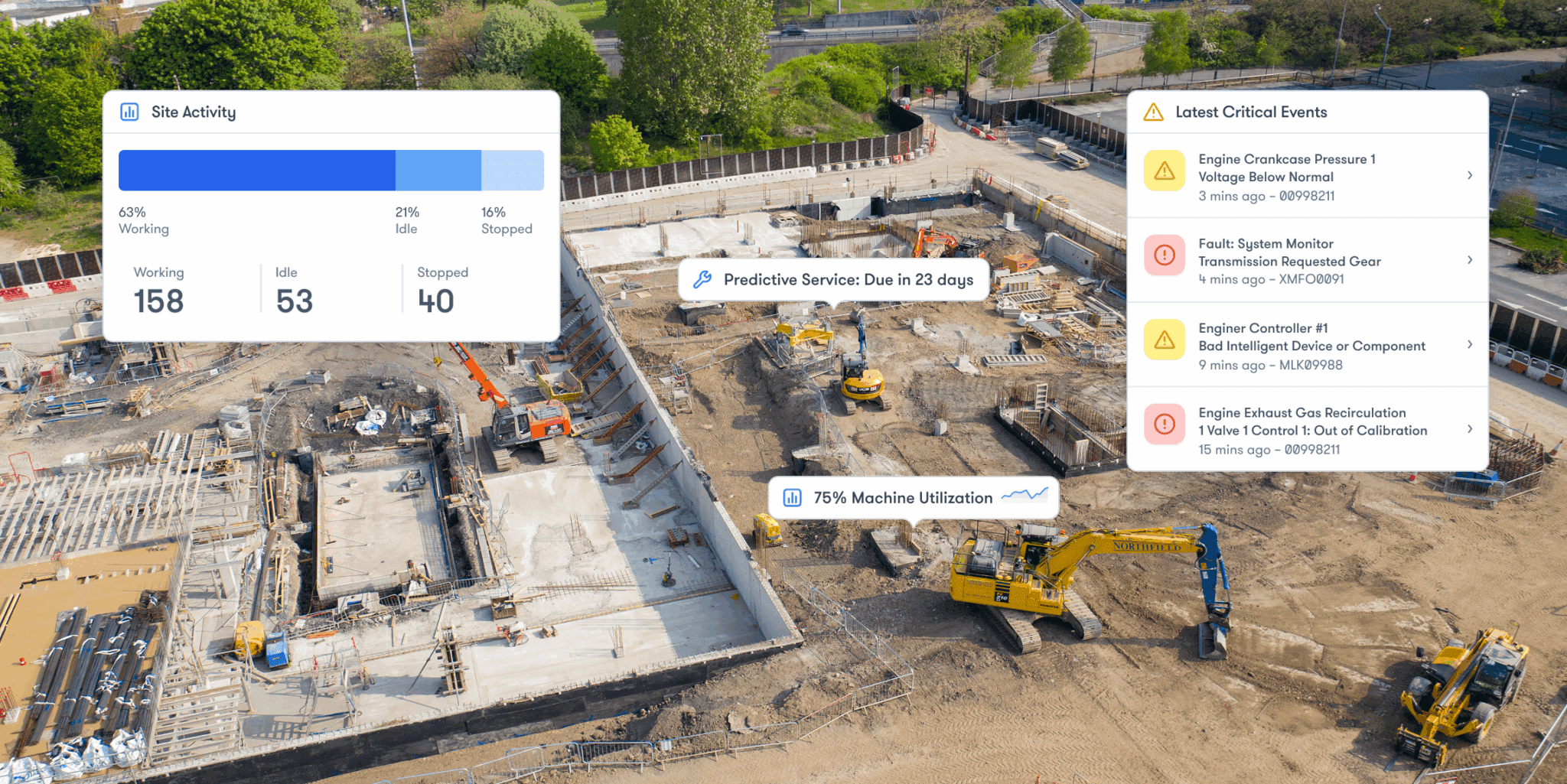
I was walking past a huge construction site the other day and it got me thinking about biggest construction companies in world. Who are these giants, and what do they do? Well, let's find out!
The Giants of Construction
When we talk about the biggest construction companies in the world, we're referring to the global players in the industry. These are the firms that take on massive projects, often spanning multiple countries and continents. They're the ones building iconic skyscrapers, designing innovative infrastructure, and shaping our cities and landscapes.
So, what makes these companies so big? It's a combination of factors. They have the resources, the expertise, and the global reach to take on projects that smaller companies might find daunting. These firms often have a diverse range of capabilities, from architecture and engineering to project management and construction execution.
Practical Considerations
If you're considering hiring one of these giants for a project, there are a few things to keep in mind. First, they're likely to be more expensive than smaller, local companies. This is due to their overhead costs, the complexity of their operations, and the fact that they often have to source materials and labor from a variety of places.
However, their size also means they can offer certain advantages. They often have access to the latest technology and innovative solutions, and their vast experience means they can handle complex projects with ease. They also tend to have strong relationships with suppliers and subcontractors, which can streamline the process.
When comparing quotes, make sure to get detailed, written estimates. Ask about the scope of work, timelines, and any potential extra costs. It's also worth checking references and previous projects to get a sense of their quality and reliability.
Company Names and Branding
Naming a construction company is an art. It needs to be memorable, professional, and reflect the company's values and services. Some of the biggest construction companies have simple, powerful names that stick in your mind. For example, think of Bechtel, Vinci, or Laing O'Rourke.
If you're starting a construction business, here are a few name ideas to get you started:
- BuildMaster
- Constructo
- Skyrise
- TerraFirm
- BuildTech
- GlobalBuild
Remember to check name availability and register your business name locally to avoid any legal issues.
Industry Tools and Data
The construction industry relies on various tools and data sources to estimate costs, manage projects, and stay competitive. One such tool is RSMeans, a comprehensive cost database used by contractors and estimators to price projects accurately. It provides detailed information on materials, labor, and equipment costs, helping companies bid for projects confidently.
The Outlook
The construction industry is constantly evolving, and the biggest companies are at the forefront of this change. They're investing in technology, adopting sustainable practices, and finding innovative solutions to industry challenges. With a focus on efficiency, sustainability, and digital transformation, these companies are shaping the future of construction.
So, that's a glimpse into the world of the biggest construction companies. They're the giants of the industry, with the resources and expertise to take on the most ambitious projects. While they may not be right for every job, their size and capabilities offer a unique set of advantages.
If you're considering a major construction project, it's worth researching these companies and understanding their strengths and weaknesses. It's a fascinating industry, and these companies are the true leaders, shaping our world one project at a time.
Related: Find the Perfect Fit: Violin Size Chart Guide
You're likely here because you need a quick solution, and that's exactly what the violin size chart offers. It's a simple yet effective tool, providing an at-a-glance guide to violin sizing. Whether you're a parent seeking the right violin for your child or a musician looking for a new instrument, this chart is your reliable companion.
While it may seem straightforward, there are a few things to note. Sizing can vary slightly depending on the brand and region, so it's always good to cross-reference. The chart includes standard violin dimensions, but it's always wise to check specific violin measurements too.
Understanding Violin Size Charts
Violin size charts are your guide to choosing the perfect-sized violin, especially for beginners and kids. These charts provide a clear, visual reference to help you match your body size to the ideal violin dimensions. It's an essential tool to ensure comfort, playability, and a positive learning experience.
Key Details and Categories
A violin size chart typically includes two main categories: body length and violin size. Body length refers to the measurement from your neck to the palm of your hand when your arm is extended. This measurement helps determine the appropriate violin size. Violin sizes are usually given as fractions, such as 1/8, 1/4, 1/2, and so on, indicating the instrument's overall length. These fractional sizes are especially useful for children, as they grow and progress in their violin journey.
How to Read and Apply the Chart
Using a violin size chart is straightforward. First, measure your body length as described earlier. Then, locate your measurement on the chart's body length scale. The chart will guide you to the corresponding violin size, ensuring a comfortable fit. For example, if your body length measurement falls within the range for a 1/4 violin, that's the size you should choose. It's as simple as that!
- Measure your body length.
- Find your measurement on the chart.
- Follow the chart's guidance to the recommended violin size.
- Select the violin with the indicated size.
Variations and Differences
While violin size charts provide a great starting point, it's important to note that individual preferences and playing styles can influence the ideal violin size. Some players may prefer a slightly larger or smaller violin for comfort or sound reasons. Additionally, the type of music played and the player's physical attributes can also impact the choice. It's always a good idea to consult with a violin teacher or specialist to fine-tune your selection.
Common Mistakes and How to Avoid Them
One common mistake is relying solely on age to determine violin size. While age can be a rough guide, it's not an accurate indicator of body size or playing ability. Always measure your body length and use the violin size chart as the primary reference. Another mistake is assuming all charts are the same. Different charts may use varying units or have slight differences in recommendations. Always double-check the chart's units and compare it to a trusted source or expert advice. Lastly, don't rush the process. Taking the time to choose the right violin size will ensure a comfortable and enjoyable playing experience.
Hey there! I hope this violin size chart has been helpful and easy to understand. Remember, while we've covered the basics, exact details can differ slightly, so always double-check your sources.
This guide is a handy reference, but we've got plenty more where that came from! Feel free to explore our other practical guides; we've got something for everyone. And when you need a quick reminder, just bookmark this page for future use. Happy violin adventures!