



Jax Depth Chart Easy Overview
A beard length chart is a handy tool for anyone wanting to navigate the world of facial hair with precision. This guide will provide an overview of these charts, explaining their purpose and how they can assist in achieving the desired beard style.
They offer a visual representation, often with measurements, to help individuals understand and communicate their preferred beard length. Whether you're aiming for a specific beard growth stage or seeking a particular style, these charts provide a reliable reference, ensuring you get the look you want.
Understanding Beard Length Charts
A beard length chart is a valuable tool for those looking to achieve and maintain their desired facial hair style. It provides a visual guide to help you understand and measure the length of your beard, offering a practical reference for trimming and styling.
Key Details and Categories
The chart typically displays different beard lengths, often categorized into stages or styles. These categories may include terms like "stubble," "medium," and "full beard," each representing a specific range of lengths. The units used are usually inches or centimeters, depending on the standard followed. It's essential to know your preferred unit of measurement to accurately interpret the chart.
Reading and Applying the Beard Length Chart
To use the beard length chart, follow these steps:
- Identify your current beard growth stage. Examine your facial hair and determine if it falls into the stubble, short, medium, or long category.
- Measure your beard length. Use a ruler or measuring tape to get an accurate reading. Ensure you measure from the same point on your face each time for consistency.
- Compare your measurement to the chart. Find the category that matches your beard length and refer to the corresponding style or stage.
- Trim and style accordingly. Use the chart as a guide to achieve the desired length and shape. Remember, it's a reference, so adjust as needed to suit your face shape and personal preference.
Variations and Differences
It's important to note that beard length charts may vary depending on the standard or source. Common styles and categories may differ slightly, and the exact measurements can vary between charts. Additionally, individual factors like face shape, hair texture, and personal preference can influence how you interpret and apply the chart. Here are some key factors to consider:
- Beard growth stages: Everyone's facial hair grows at a different rate, so your experience may vary from the chart's timeline.
- Facial hair length guide: Some charts provide more detailed guides, offering precise measurements for various lengths.
- Standard beard lengths: These can differ between regions and cultures, so be mindful of the standard being referenced.
- Beard style chart: This can offer a more comprehensive view of different styles and their associated lengths.
- Beard growth timeline: Remember that growth rates can vary, so use the timeline as a general guide.
When using a beard length chart, always refer to the specific standard or source to ensure accuracy. While charts provide a helpful framework, they may not cover every unique situation. Trust your judgment and adjust as needed to achieve your desired look.
While the chart provides a handy reference, it's important to remember that these measurements are not set in stone. Exact details may vary slightly depending on the context and the individual's unique facial features.
Feel free to bookmark this page for future use. We have many other practical guides and charts to explore, so be sure to check them out for more helpful tips and tricks!
Related: Azazie Size Chart: A Simple Guide
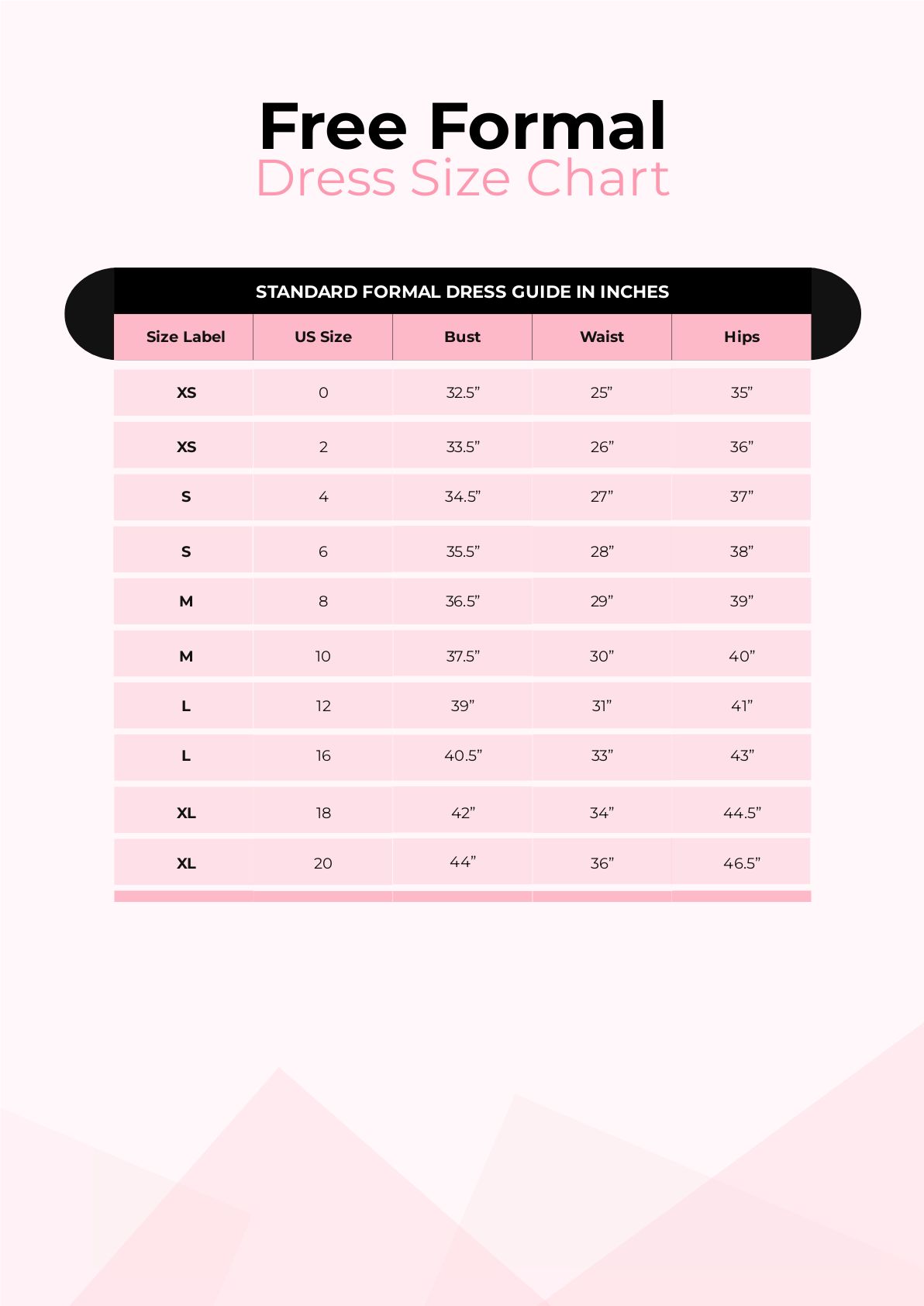
The Azazie size chart is a handy tool for anyone navigating the world of online clothing purchases, especially when it comes to formalwear. This guide aims to demystify the process, ensuring you understand how to use this chart effectively. Whether you're shopping for an Azazie dress or any other formal attire, having a clear grasp of size charts is essential. While size charts can vary slightly depending on the brand and region, the Azazie size chart is a reliable reference, offering a standardized approach to finding your perfect fit.
Understanding the Azazie Size Chart: A Quick Overview
The Azazie size chart is a valuable tool for anyone looking to order clothing, particularly dresses, from the Azazie brand. This chart provides a standardized guide to help you find your perfect fit, ensuring a comfortable and flattering silhouette. It is designed to simplify the sizing process and make online shopping a breeze.
Comparing Size Chart Standards and Formats
Size charts can vary depending on the brand and region. Azazie, being a popular bridal and formal wear brand, follows a specific sizing system. Their chart typically includes measurements for bust, waist, and hips, as well as dress length and sleeve options. It is essential to note that Azazie's size chart is based on standard US sizing, so if you are used to international sizing, you may need to refer to a size conversion chart to find your equivalent Azazie size.
Step-by-Step Guide to Using the Azazie Size Chart
Measuring yourself accurately is crucial when using any size chart. Here's a simple process to follow:
- Gather a flexible measuring tape and ensure it is calibrated to inches or centimeters, depending on the chart's units.
- Take your measurements: bust, waist, and hips. Stand upright and breathe normally while measuring.
- Compare your measurements to the Azazie size chart. Look for the size that aligns closest to your bust, waist, and hip measurements.
- Consider the dress style and any specific fit preferences you have. Azazie offers various silhouettes, so choose the size that best suits the style you desire.
- If your measurements fall between sizes, it's recommended to size up for a more comfortable fit, especially for formal wear.
- Take note of any additional measurements, such as dress length or sleeve length, and ensure they match your preferences.
Avoiding Common Misreadings and Pitfalls
It is easy to misinterpret size charts, especially if you are new to online shopping. Here are some tips to avoid common mistakes:
- Always double-check the units of measurement. Azazie's size chart may use inches, so ensure your tape measure is set to the correct unit.
- Be precise with your measurements. Take your time and measure multiple times to ensure accuracy.
- Understand that size charts provide a general guide. Your body shape and preferences may require some adjustments.
- If you are between sizes, opt for the larger size to avoid discomfort. You can always have alterations made to achieve the perfect fit.
- Don't forget to consider the fabric and stretchability of the garment. Some materials offer more give, so account for this when choosing your size.
Factors Affecting Accuracy and Real-World Use
Several factors can influence the accuracy of your size chart reading:
- Body shape: The size chart is a general guide, and everyone's body is unique. Consider your body shape and any areas you want to emphasize or accommodate.
- Fit preference: Do you prefer a snug fit or a more relaxed look? Adjust your size choice accordingly.
- Fabric and style: Different fabrics and dress styles can affect the fit. For instance, a structured dress may require a more precise size choice compared to a flowy, flexible fabric.
- Alterations: Keep in mind that most formal wear can be altered to achieve a perfect fit. Don't be afraid to choose a size that aligns with your measurements and make any necessary adjustments.
Choosing the Right Size Chart Format for Your Needs
Azazie offers various size charts to cater to different needs:
- Standard size chart: This is the primary chart, covering a range of sizes and providing measurements for bust, waist, hips, and dress length.
- Plus size chart: A dedicated chart for extended sizes, ensuring a comfortable fit for all body types.
- Bridal size chart: A specialized chart for bridal wear, taking into account the unique fit requirements of wedding dresses.
- Women's size guide: A comprehensive guide offering additional tips and advice for finding the perfect fit.
Keeping Your Reference Reliable for Future Use
To ensure a consistent and reliable sizing experience:
- Save your measurements in a safe place. This way, you can quickly refer to them when ordering from Azazie again.
- Take note of any adjustments or alterations you made to your previous purchases. This information will be valuable for future orders.
- Stay updated with Azazie's sizing guidelines. Brands may update their charts over time, so it's beneficial to check for any changes before placing an order.
- If you are unsure, reach out to Azazie's customer support. They can provide further guidance and ensure you make an informed choice.
Well, there you have it! We've covered a lot of ground on Azazie's size chart, and I hope this guide has provided you with the clarity and confidence to navigate it effectively.
Remember, while this chart is a fantastic tool, every individual is unique, and your specific measurements and preferences may vary. So, take a moment to ensure you've considered all the factors that apply to your situation before making any decisions. Bookmark this page for future reference, and you'll always have a handy reminder of the key steps and considerations. Happy measuring, and until next time!
Related: A Simple Guide to Belt Sizing Charts
You've likely landed here because you're seeking a straightforward solution: a belt sizing chart. This handy reference tool is a quick and reliable way to ensure you get the right belt size, every time. It's a simple visual guide, often presented as a table or diagram, that helps you match your waist measurement to the correct belt length. While the exact values may vary depending on the brand or standard, a good belt sizing chart should provide a clear and easy-to-follow guide, ensuring you can quickly find your ideal belt size. Whether you're looking for a belt size guide or want to convert your dress size, this chart is a valuable tool to have at your disposal.
Understanding the Belt Sizing Chart
The belt sizing chart is a practical tool that helps you find the perfect belt size for your waist. It provides a reference to ensure a comfortable and secure fit, whether you're buying a new belt or adjusting an existing one. This chart is an essential guide for anyone wanting to achieve a well-fitted, stylish look.
Key Details and Units
The belt sizing chart typically displays two key measurements: waist size and belt length. Waist size is measured in inches or centimeters, depending on the standard used. Belt length, on the other hand, is usually given in inches and represents the total length of the belt, including the buckle. It's important to note that these measurements may vary slightly between different standards and manufacturers, so it's always good to check the specific guidelines.
Step-by-Step Guide to Reading the Chart
Follow these steps to accurately use the belt sizing chart:
Measure your waist: Use a flexible tape measure to determine your waist size. Place the tape around your waist at the point where you normally wear your belt. Ensure the tape is snug but not tight, and note the measurement in the appropriate unit.
Find your waist size on the chart: Locate your waist size on the chart. The chart will typically have a range of waist sizes, so find the closest match to your measurement.
Determine the belt length: Once you've identified your waist size, the chart will provide the recommended belt length. This length ensures the belt will fit comfortably and allow for a secure buckle closure.
Adjust for personal preference: While the chart provides a guide, you can adjust the belt length slightly to suit your comfort and style. Some prefer a looser fit, while others may want a more tailored look.
Variations and Differences
Belt sizing charts can vary based on several factors:
Standards and regions: Different countries and organizations may have their own sizing standards, leading to slight variations in waist size and belt length recommendations.
Manufacturer preferences: Some brands might offer slightly different sizing guides to cater to their specific target audience or style preferences.
Material and design: The type of belt material and its design can also influence the recommended sizing. For example, leather belts may stretch over time, affecting the initial sizing.
Common Mistakes and How to Avoid Them
When using a belt sizing chart, avoid these common pitfalls:
Measuring incorrectly: Ensure you measure your waist accurately, following the guidelines mentioned earlier. An incorrect measurement can lead to an ill-fitting belt.
Ignoring personal preferences: While the chart provides a guide, consider your personal comfort and style. Don't be afraid to adjust the recommended belt length to suit your needs.
Relying solely on trouser size: Your trouser size may not directly correspond to your belt size. Always measure your waist specifically for the belt sizing chart.
Tips for a Perfect Fit
To achieve the best results when using a belt sizing chart, keep these tips in mind:
Consider your body type: Different body shapes may require slight adjustments. For example, if you have a larger waist-to-hip ratio, you might need a longer belt for a comfortable fit.
Try before you buy: If possible, try on the belt to ensure it fits well. This is especially important if you're purchasing online or from a brand with unique sizing.
Allow for growth: If you're buying a belt for a child or someone who is still growing, opt for a slightly larger size to accommodate future growth.
Double-Checking and Edge Cases
In some cases, you may need to double-check the specifications or consult additional resources:
Custom or unique designs: If you're dealing with a custom belt or a unique design, the standard belt sizing chart may not apply. Contact the manufacturer or designer for specific sizing guidelines.
Dress size conversion: When converting dress sizes to waist measurements, refer to a reliable dress size conversion chart to ensure accuracy.
Medical conditions: Certain medical conditions or post-surgical changes may affect your waist size. In such cases, consult a healthcare professional for guidance on measuring and fitting belts.
Remember, while this guide provides a solid foundation, exact details may differ slightly based on your specific needs and the standards you follow. It's always a good idea to double-check and ensure you have the right information for your particular situation.
Feel free to bookmark this page for future reference. It's a handy tool to have at your disposal, and you never know when you might need to size a belt accurately!