



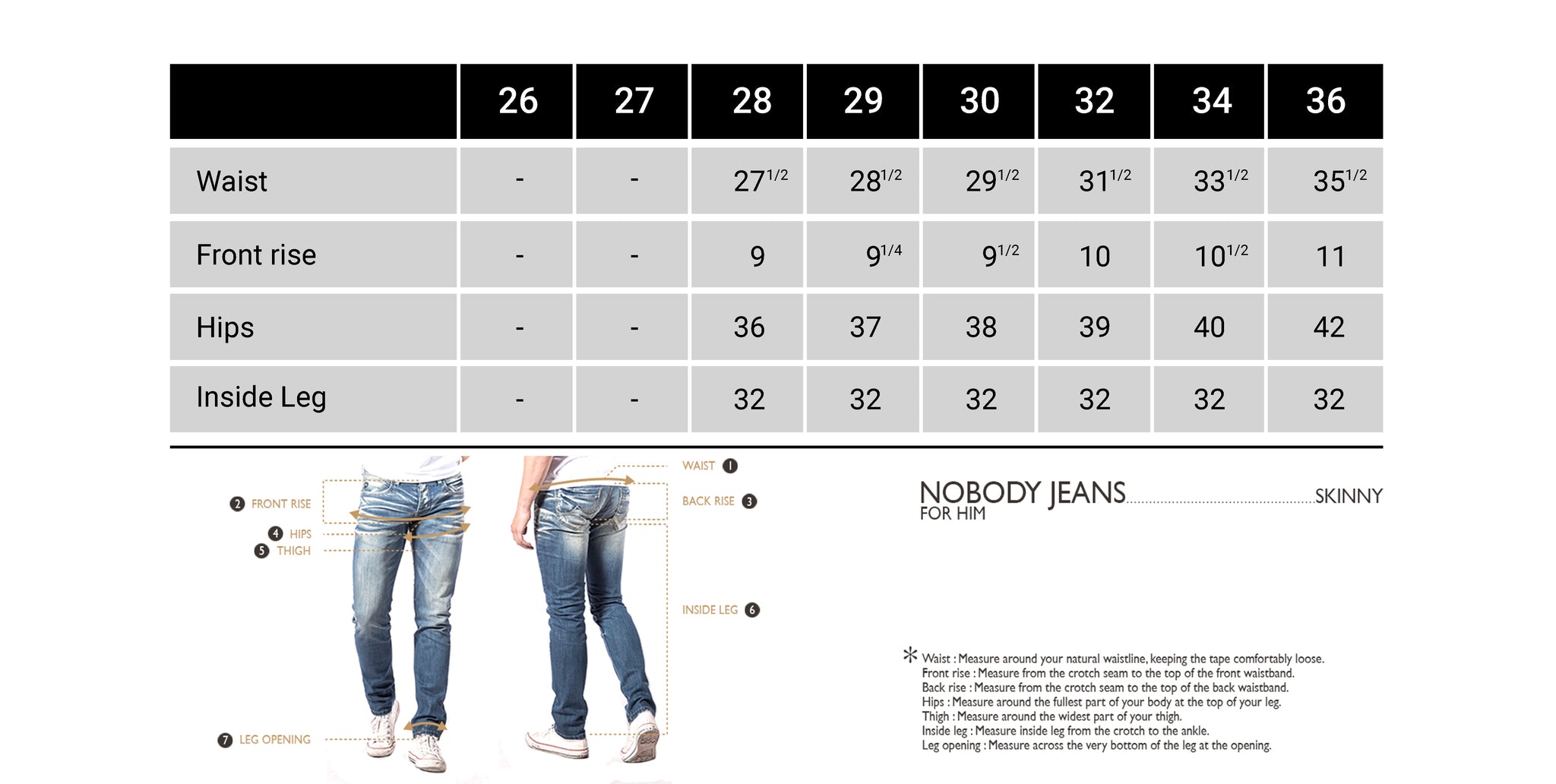


Jean Size Chart Free Printable Overview
You've got your flute, you're ready to play, and you need a quick reminder on those trills. The flute trill chart is your go-to resource, a handy guide that simplifies those intricate finger movements. It's a visual tool, offering a clear and concise way to master those rapid, decorative notes. Whether you're a beginner or a seasoned player, this chart is a valuable reference, ensuring you can tackle any trill with confidence.
Understanding the Flute Trill Chart: A Quick Overview
The flute trill chart is an essential tool for flute players, offering a visual guide to mastering those rapid, vibrant trills. It's like a map, showing you the path to create beautiful, seamless trills with ease. This chart is your friend, making complex trill techniques more accessible and fun to learn.
Comparing Common Trill Patterns and Fingerings
When it comes to trills, there are various patterns and fingerings to explore. The chart typically presents a range of options, allowing you to see the differences and choose the most suitable approach for your playing style. It's like a reference library, offering a clear comparison of standard trill fingerings and patterns.
Step-by-Step Guide: Using the Flute Trill Chart
Using the flute trill chart is straightforward:
Identify the starting note: Locate the note you want to trill on the chart. This is usually indicated by a specific fingering or note name.
Find the target note: Look for the adjacent note(s) that form the trill. These are often shown as a series of connected dots or lines, indicating the finger movement.
Practice the finger movement: Focus on the finger pattern shown on the chart. Practice moving your fingers smoothly and quickly between the starting and target notes.
Master the embouchure: While finger movement is crucial, don't forget the role of your embouchure (lip and mouth position). Adjust your embouchure to create a clear, vibrant sound throughout the trill.
Combine finger and embouchure techniques: It's all about coordination! Practice blending the finger movement with the embouchure adjustments to produce a seamless, musical trill.
Common Misreadings and How to Avoid Them
One common pitfall is assuming that the chart provides a one-size-fits-all solution. Remember, the flute trill chart offers a general guide, but your specific flute and playing style may require slight adjustments. Always double-check the exact fingerings and notes for your instrument, especially if you're using a different flute type or size. Additionally, pay attention to the context of the music you're playing. The chart may suggest multiple options, and choosing the right one depends on the musical context and your artistic interpretation.
Factors Affecting Accuracy and Real-World Use
Several factors can influence the accuracy and effectiveness of your trills:
Flute type and size: Different flutes, such as concert flutes or piccolos, may require slight adjustments to the fingerings or embouchure.
Musical context: The style and genre of the music you're playing can impact the choice of trill technique. For example, a fast-paced jazz piece may call for a different approach compared to a classical ballet.
Personal playing style: Every flutist is unique! Your finger placement, hand shape, and embouchure may vary slightly, so it's essential to adapt the chart's suggestions to your individual playing style.
Practice and consistency: Like any skill, mastering trills takes time and practice. Consistent practice, focusing on both finger technique and embouchure control, will lead to more accurate and expressive trills.
Remember, the flute trill chart is a valuable tool, but it's just one part of your flute-playing journey. With patience, practice, and a bit of creativity, you'll be trilling like a pro in no time!
Hey there, fellow flutists! We've covered a lot of ground with this chart, and I hope it's given you a clear path to navigate the world of trills. Remember, while the basics remain consistent, the specifics might vary slightly depending on your reference or the style you're aiming for.
Feel free to explore our other guides; we've got plenty of resources to help you master the flute and its many techniques. Happy practicing, and keep those fingers moving!
Related: What's the Auburn Depth Chart Telling You?
An auburn depth chart is a handy tool for any sports fan or follower, offering a clear snapshot of a team's lineup and player positions. This guide will walk you through the ins and outs of reading and understanding these charts, ensuring you can quickly reference and interpret them like a pro.
Whether you're a seasoned fan or new to the game, these charts provide an essential overview of the Auburn Tigers' depth and starting lineup. You'll find player positions, roster changes, and a clear visual representation of the team's structure, which can vary slightly depending on the sport and league.
Understanding the Depth Chart: An Overview
The Auburn Depth Chart is a valuable tool for any fan or follower of the Auburn Tigers football team. It's like a roadmap that shows you the team's structure and strategy. This chart provides an insight into the players' positions, their roles, and the depth of talent within the squad.
Comparing Key Positions and Formations
When you look at the Auburn Depth Chart, you'll notice it's organized by player positions. These positions are further divided into categories, such as offense, defense, and special teams. Each position has a designated starter and a list of backups, which is crucial for understanding the team's flexibility and depth. For example, the quarterback position might have a starter and three backups, each with their own unique skills and abilities.
Reading the Lineup: A Step-by-Step Guide
Here's a simple guide to help you read and understand the Auburn Depth Chart:
- Start by identifying the position you want to focus on. Let's say you're interested in the wide receiver position.
- Look for the wide receiver section on the chart. You'll see the starters listed first, usually with their names and jersey numbers.
- Below the starters, you'll find the backups. These players are often listed in order of their experience or skill level.
- Pay attention to any notes or comments next to the players' names. These might indicate injuries, special skills, or other relevant information.
- Repeat this process for other positions you're interested in.
Common Misreadings and How to Avoid Them
One common mistake is assuming that the depth chart is a rigid, unchanging document. In reality, it's a dynamic tool that reflects the team's current situation. Players can move up or down the chart based on their performance, injuries, or strategic decisions. So, always check the chart's date to ensure you're working with the most recent information.
Another potential pitfall is misinterpreting the order of backups. While backups are often listed in a specific order, this doesn't always mean they'll enter the game in that exact sequence. Coaches may make substitutions based on the game's flow, opponent, or specific plays.
Factors Affecting Accuracy and Real-World Use
The accuracy of the Auburn Depth Chart can be influenced by various factors. Injuries are a significant consideration, as they can suddenly change the team's lineup. Player performance and development can also impact the chart, with impressive newcomers or improved veterans moving up the ranks.
Additionally, the chart may vary based on the game plan and opponent. Coaches might adjust the depth chart to counter specific strategies or exploit weaknesses in the opposing team. So, while the chart provides a great overview, it's always wise to stay updated with the latest news and analysis to fully understand the team's tactics.
Choosing the Right Format for Your Needs
The Auburn Depth Chart can be presented in various formats, each with its own advantages. The most common format is a simple table, which provides a clear and concise overview. However, some charts might use a more visual approach, with diagrams or graphics to represent the team's formation and player positions.
If you're a visual learner, a diagram might be more helpful. It can provide a clearer picture of how the team sets up on the field and how players interact. On the other hand, a table might be more practical for quickly referencing specific player information, such as jersey numbers or statistics.
Remember, the key is to choose a format that suits your learning style and helps you understand the team's strategy and depth.
Well, there you have it! We've covered a lot of ground and hopefully, you now feel equipped to tackle the auburn depth chart with confidence. Remember, these charts are versatile tools, so always check your specific needs and context before diving in.
Consider bookmarking this page for future reference; it might just save you some time and effort the next time you need a quick reminder or a handy guide. Happy charting!
Related: Find Your Perfect Jean Size with Our Chart
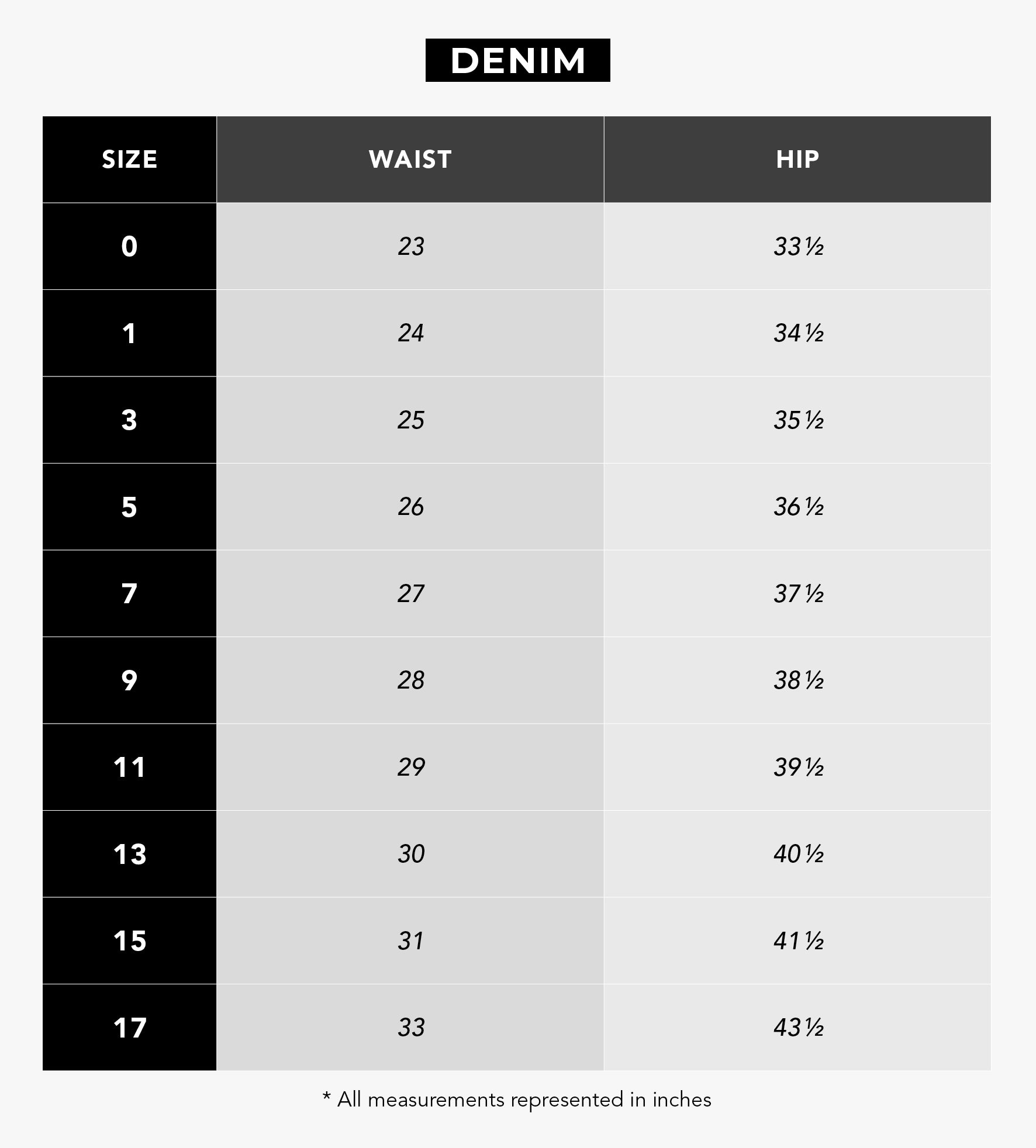
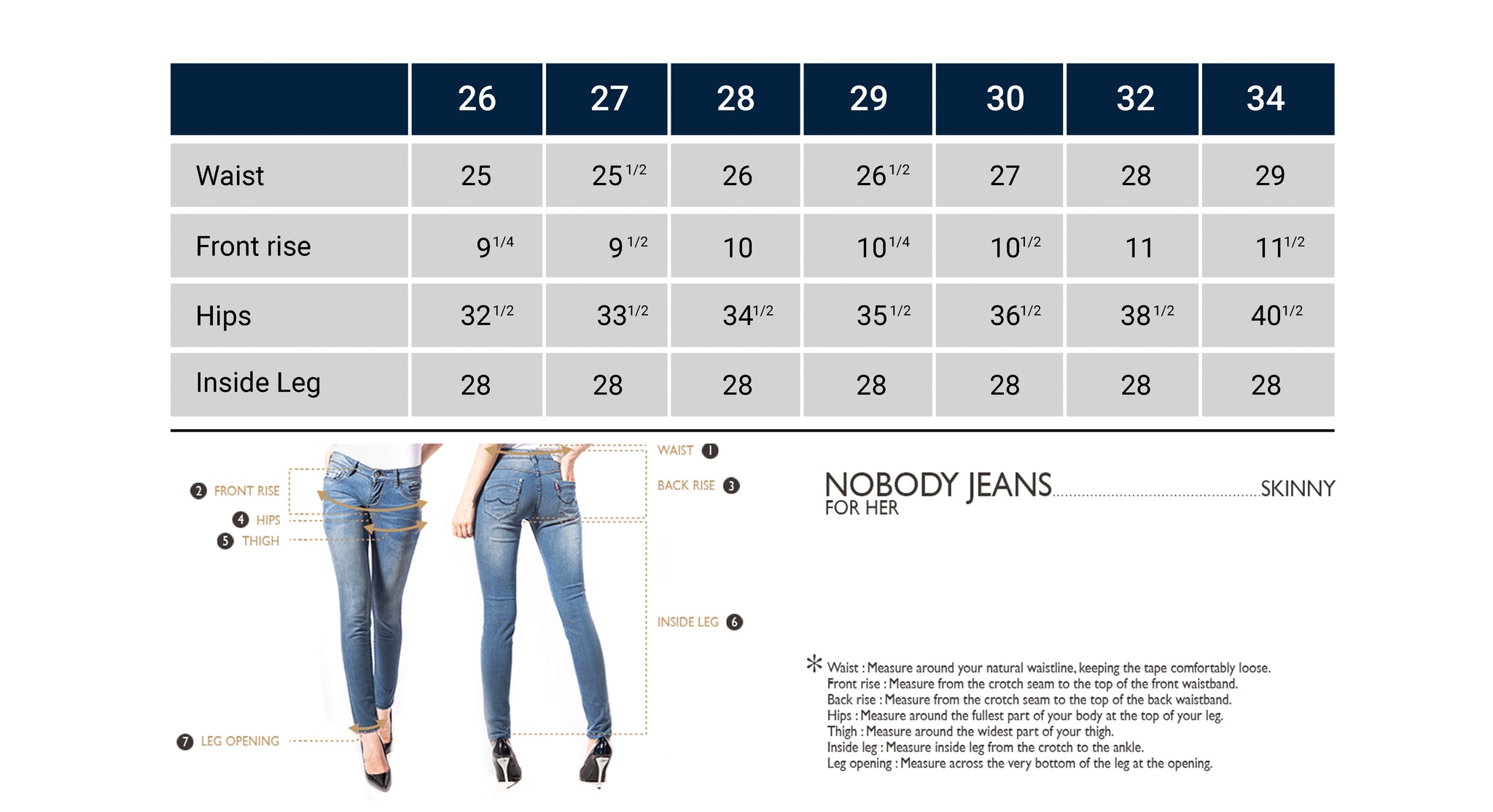
You've likely found yourself searching for a jean size chart at some point, whether it's to double-check a size before ordering online or to understand the measurements listed on a clothing tag. These charts are a handy tool, offering a quick reference for finding your perfect fit, and they can vary slightly depending on the brand and region. With a simple glance, you can navigate the world of denim sizing, ensuring you always get the right pair of jeans.
Understanding Size Charts: A Guide to Jean Sizing
The jean size chart is a handy tool that simplifies the process of finding your perfect fit in denim. This chart provides a standardized way to determine your jean size, making it easier to shop for jeans, both in-store and online. It offers a quick reference for waist and hip measurements, ensuring you choose the right size for your body.
Comparing Standards and Formats
Jean size charts can vary depending on the region and manufacturer. The most common standards are the US and international (metric) systems, each with its own set of measurements and size labels. US sizes are often based on waist size, while international sizes may use a combination of waist and hip measurements. It's essential to know which standard a chart follows to ensure accurate sizing.
Step-by-Step Guide: Measuring for Jeans
To use a jean size chart accurately, follow these steps:
- Gather a measuring tape and stand in a comfortable position. Ensure the tape is straight and not twisted.
- Measure your waist at the narrowest point, usually just above your belly button. This is your waist size.
- Optionally, measure your hip at its widest point, typically around the hip bones. This measurement is crucial for a precise fit, especially for curvier figures.
- Refer to the jean size chart and locate your waist size. Some charts may also provide a hip size range for each waist size, ensuring a better fit.
- Choose the size that corresponds to your measurements. If your waist and hip measurements fall into different size categories, select the size that accommodates your hip measurement to ensure comfort and a flattering fit.
Avoiding Misreadings and Pitfalls
One common mistake is assuming all jean size charts are universal. Always check the standard and units used on the chart. For instance, a US size 8 may not align with an international size 8. Additionally, remember that jeans can stretch over time, so consider choosing a size that feels slightly snug initially.
Factors Affecting Accuracy
Several factors can influence the accuracy of a jean size chart. Firstly, body shape and proportions vary greatly, so a single chart may not cater to all body types. Secondly, denim fabric can stretch and shrink, especially with frequent wear and washing. To account for this, some charts provide a size range or suggest choosing a size down for a more tailored look. Lastly, manufacturing variations can lead to slight size discrepancies between brands. Always refer to the brand's size guide for specific tolerances.
Adapting the Chart for Your Needs
If you prefer a more tailored fit, consider using a pant size calculator or a detailed clothing size chart that considers multiple body measurements. These tools offer a precise fit by accounting for various body dimensions. Alternatively, for a quick and convenient option, stick to the standard jean size chart, which provides a good starting point for finding your size.
Well, there you have it! A comprehensive guide to jean sizes, covering all the bases and offering a practical solution for your sizing needs.
Remember, while this chart is a fantastic tool, it's always wise to double-check your specific requirements and context. Exact values can vary, so ensure you're using the right standards and measurements for your situation. With this guide, you're well-equipped to navigate the world of jean sizes confidently.
Consider bookmarking this page for future reference; it'll be a handy resource whenever you need to size up your denim game!