


Jersey Size Chart Black And White Overview
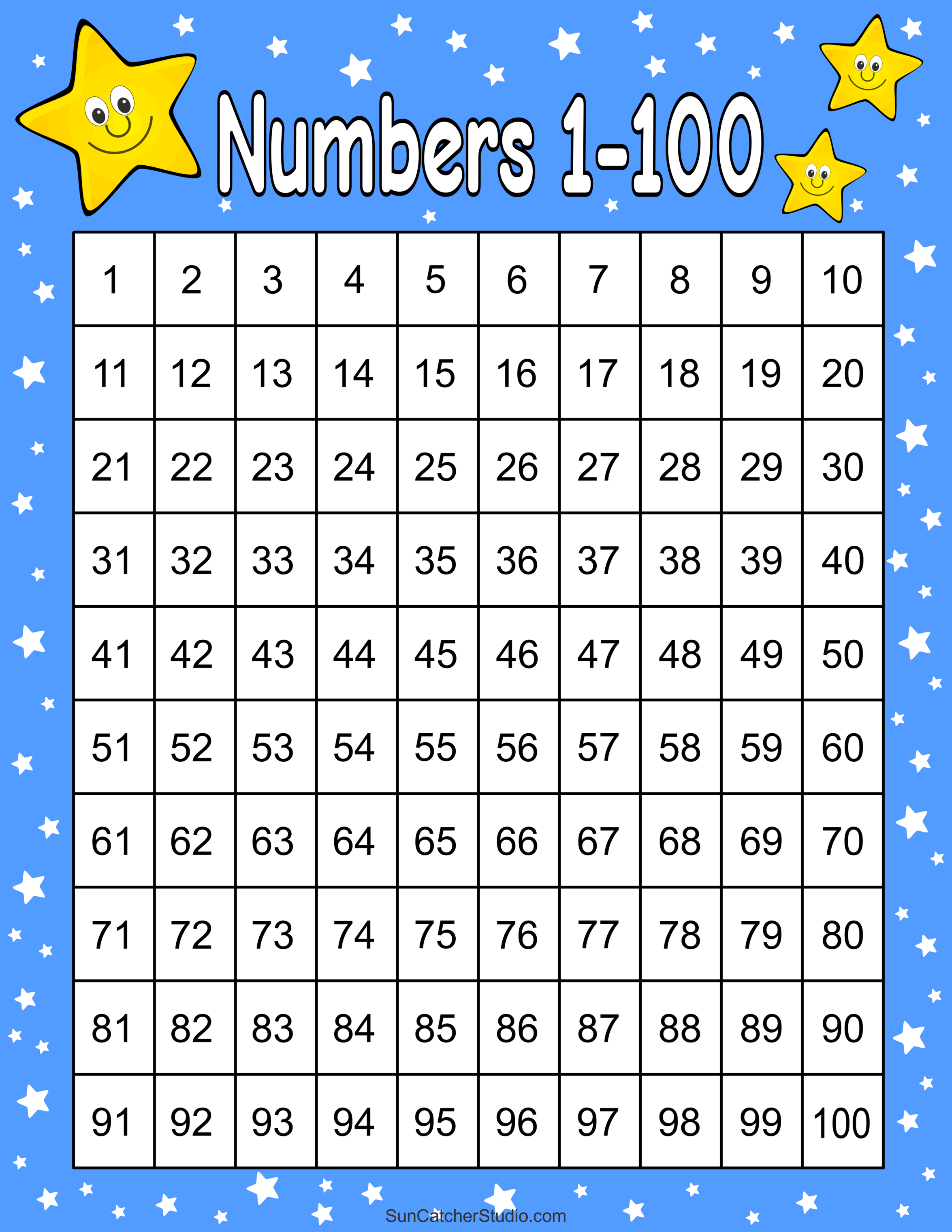
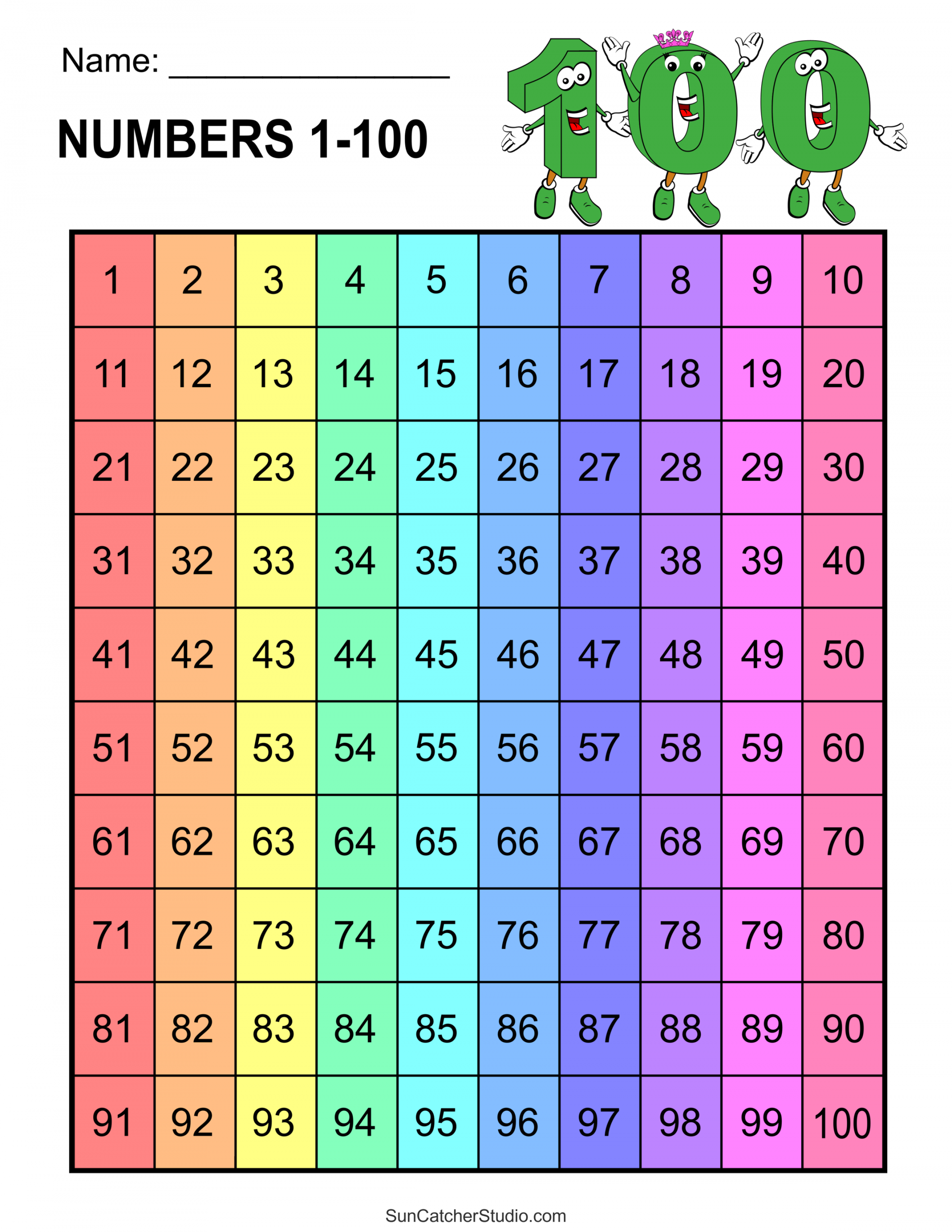
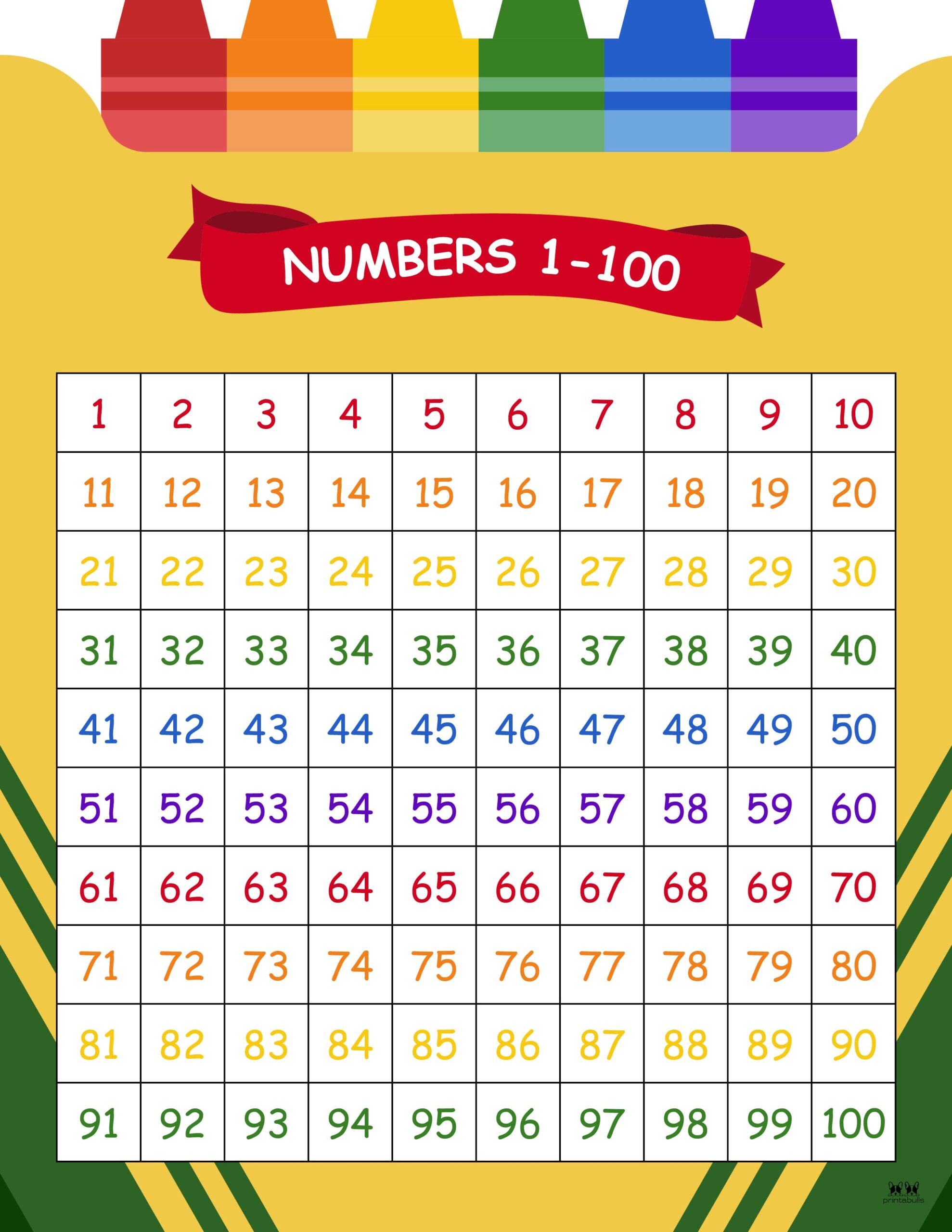
You've likely come across a 1 to 100 chart before, whether it's for a quick reference or to teach basic counting and number recognition. These charts are a simple yet effective tool, offering a visual representation of numbers in a sequential order, often with additional features like ordinal numbers or a number line. While the format and values may vary, the core purpose remains the same: to provide an at-a-glance guide for various tasks and learning activities.
The 1 to 100 Chart: A Simple Numbering Guide
The 1 to 100 chart is a fundamental tool for understanding and working with ordinal numbers, offering a visual representation of the counting sequence from 1 to 100. This chart serves as a reference for anyone learning or teaching basic numeracy, providing a clear and organized layout of numbers in their sequential order.
Key Details and Prerequisites
The 1 to 100 chart typically presents numbers in a grid format, with each number occupying a distinct cell or box. The chart is usually organized in rows and columns, with numbers increasing either horizontally or vertically. The numbering system follows a standard sequence, ensuring consistency and ease of use.
Reading the Chart: A Step-by-Step Guide
Begin at the starting point, which is usually the number 1, located at the top left corner of the chart. This is the first number in the sequence and serves as the foundation for the entire chart.
Proceed to the next number, which is 2, and so on. The chart typically follows a logical progression, with numbers increasing by 1 with each step. This sequential order is crucial for understanding the chart's structure.
As you move across the chart, either horizontally or vertically, notice how the numbers increase systematically. This pattern helps users quickly identify specific numbers and understand their position in the sequence.
To locate a particular number, simply count along the rows or columns until you reach the desired value. For instance, if you're looking for the number 50, start at 1 and count up until you reach 50.
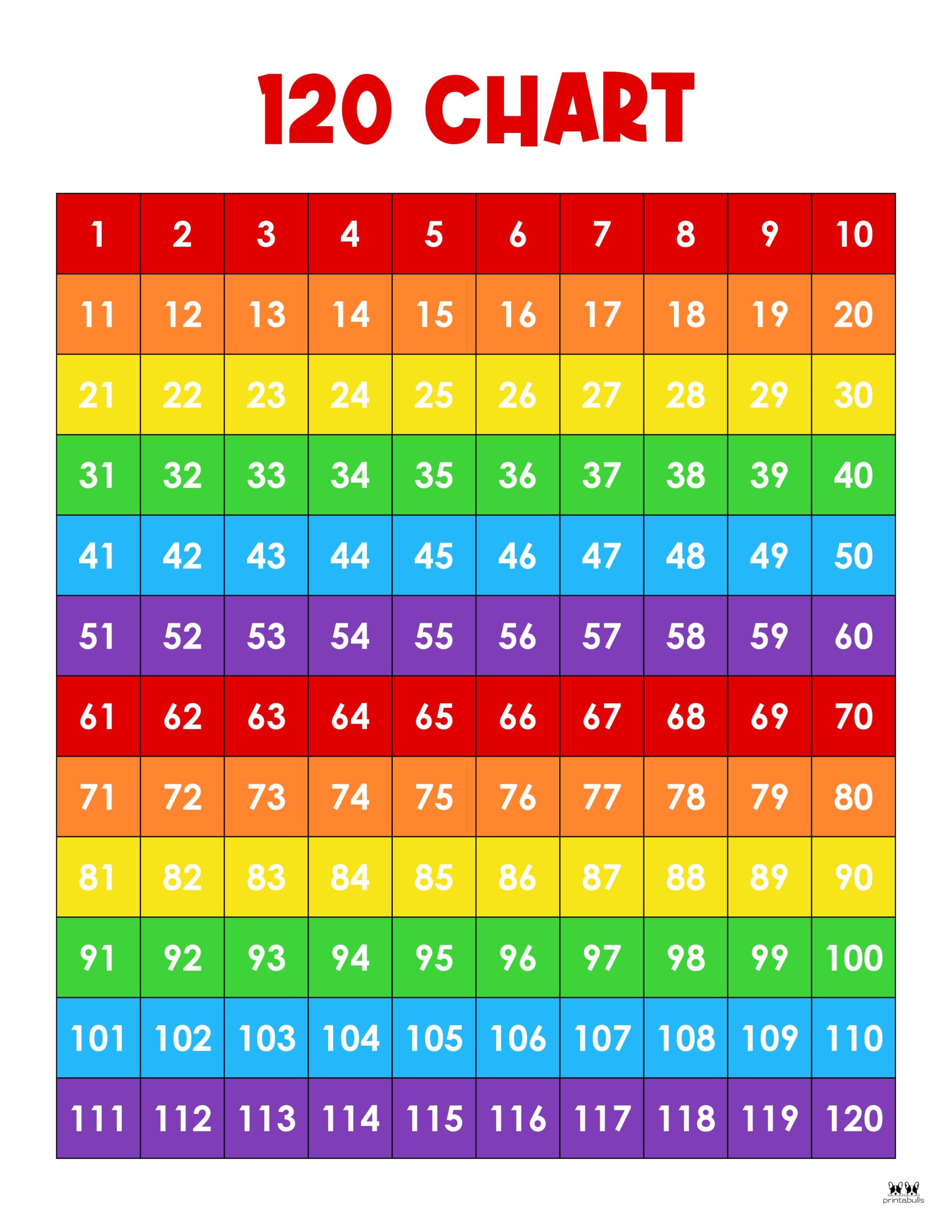
The chart's design often includes additional features to aid in navigation and learning. These may include color-coding, highlighting, or even mathematical patterns to help users grasp number relationships and patterns.
Common Variations and Differences
While the 1 to 100 chart follows a standard numbering sequence, variations can occur depending on the context and purpose. For instance, educational charts might use different colors or designs to emphasize specific number patterns or mathematical concepts. Additionally, some charts may include additional information, such as prime numbers or even simple equations, to enhance learning.
Avoiding Mistakes and Ensuring Accuracy
When using a 1 to 100 chart, it's essential to double-check the specific numbering system and format. While the standard sequence is consistent, variations can exist, especially in educational or specialized charts. Always verify the chart's labeling and numbering to ensure accuracy. Additionally, be mindful of the chart's purpose and intended audience, as this can influence its design and features. For instance, a chart designed for young learners may have a simpler layout and focus on basic counting, while a more advanced chart might incorporate complex number patterns.
Hey there! We've covered a lot of ground with our 1 to 100 chart guide, and I hope it's given you a clear understanding of this handy tool. Remember, while the basics remain the same, you might find slight variations in different contexts, so always double-check your sources.
Don't forget, we've got a whole host of other practical guides and resources on our site, so feel free to explore and discover more helpful tips and tricks. Happy learning, and keep those charts organized!
Related: Understand Nipple Size Chart: A Simple Guide
You're probably here because you need a quick answer, a simple guide to help you understand nipple size charts and their purpose. It's a common query, and these charts are more useful than you might think! They provide a straightforward way to measure and compare nipple sizes, often alongside other breast-related measurements. While the values may vary depending on the source, a nipple size chart can be a handy reference tool, especially when paired with a bra size guide or areola size chart.
Understanding the Nipple Size Chart
The nipple size chart is a handy reference tool that provides a standardized way to measure and categorize nipple sizes. It offers a simple and visual guide to help individuals understand their nipple dimensions and find the right products or solutions based on size. This chart is particularly useful for those seeking nipple piercings, nipple jewelry, or even nursing aids, as it ensures a comfortable and accurate fit.
Key Details and Categories
The nipple size chart typically displays nipple diameters, measured in millimeters (mm) or inches, depending on the standard being used. It categorizes nipples into size ranges, often with labels like "Small," "Medium," "Large," and so on. These categories provide a quick reference for individuals to identify their nipple size without the need for precise measurements.
Reading the Measurements: A Step-by-Step Guide
Start by locating the chart's measurement scale. This scale will typically run along one edge of the chart, indicating the nipple diameters in either mm or inches.
Next, identify the category labels. These labels, such as "Small," "Medium," or "Large," are usually positioned above or below the measurement scale, indicating the size range.
To determine your nipple size, measure the diameter of your nipple using a ruler or a specialized nipple gauge. Ensure you measure from the base of the nipple, where it meets the areola, to the tip.
Compare your measured diameter to the scale on the chart. Find the corresponding size category, and you've identified your nipple size!
Common Variations and Differences
It's important to note that nipple size charts may vary depending on the standard or region. For instance, a chart designed for the US market might use inches as the unit of measurement, while an international chart might use millimeters. Additionally, some charts may provide more detailed size categories, especially for specialized products like nipple jewelry, which require precise sizing.
Mistakes to Avoid
One common mistake is assuming that all nipple size charts are the same. Always check the units of measurement and the source of the chart to ensure it aligns with your needs. Another pitfall is relying solely on category labels without measuring your nipples. While categories provide a quick reference, precise measurements are essential for an accurate fit, especially for delicate items like piercings or jewelry.
Practical Tips for Accurate Results
When measuring your nipples, ensure you're in a relaxed state. Nipple size can vary slightly depending on factors like temperature and arousal, so it's best to measure when you're comfortable and at rest. If you're measuring for piercings or jewelry, consider consulting a professional piercer or a medical professional for guidance and to ensure you're using the correct techniques and tools.
Double-Checking and Edge Cases
While the nipple size chart provides a useful guide, it's not an exact science. Individual variations and unique anatomical features can sometimes fall outside standard size categories. In such cases, it's essential to consult a professional or the manufacturer's guidelines for specific products. They may provide additional sizing information or custom solutions to accommodate unique nipple sizes.
Hey there, we've covered a lot of ground on this topic, and I hope it's been helpful! Remember, when it comes to nipple size charts, the exact measurements can vary slightly depending on the source or standard you're using, so it's always good to double-check.
This guide aims to provide a straightforward reference, but every body is unique, and so are their measurements. So, if you ever need a quick reminder or want to explore other related topics, feel free to bookmark this page for future use. It's always handy to have these practical guides at your fingertips!
Related: Need a Hair Color Guide? Use Our Simple Chart
Many people approach hair colors charts with a bit of trepidation, assuming they are complex and confusing. But fear not! These charts are your friends and can be incredibly useful tools.
They provide a simple, visual way to understand and choose hair colors. While the specific values and formats may vary, the hair colors chart remains a reliable guide, offering a clear path to achieving your desired hair color. Think of it as a map, leading you to your perfect shade, with the color wheel and hair color levels acting as your compass.
Hair Colors Chart: A Visual Guide to Hair Dye Shades
The hair colors chart is a handy reference tool for anyone looking to experiment with hair dye. It's a visual representation of different hair colors, shades, and tones, helping you choose and understand the various options available. This chart is a great starting point for anyone new to hair coloring or those seeking a specific shade.
Key Details and Categories
The hair color guide typically features a range of colors, organized into sections or families. You'll often find categories like "blonde," "brunette," "red," and "black," with further subdivisions for specific shades. Each color is usually represented by a swatch or a small square, showing the exact shade. Additionally, the chart may include a color wheel or a visual representation of color theory, which helps understand the relationships between colors.
Reading and Applying the Chart
To use the hair colors chart, start by identifying the color family you're interested in. Let's say you're looking for a specific shade of brown. Locate the "brunette" section and explore the various shades within. Each shade will have a unique code or number, which represents the specific formulation of that color. These codes are essential when purchasing hair dye, as they ensure you get the exact shade you want.
Here's a step-by-step guide:
- Identify the color family.
- Locate the specific shade you desire.
- Note the corresponding code or number.
- Use this code when purchasing hair dye to ensure an accurate match.
Variations and Differences
It's important to note that hair color charts may vary depending on the brand or manufacturer. Different companies may use slightly different shades or numbering systems. Additionally, the way hair reacts to dye can vary based on individual hair types and previous coloring treatments. Here are some key factors that can cause variations:
- Tone and depth: Hair color can appear different depending on the natural tone and depth of your hair.
- Previous coloring: If your hair has been dyed before, the new color may interact with the existing dye, resulting in a unique outcome.
- Hair type: The porosity and texture of your hair can affect how it absorbs and holds color.
- Environmental factors: Sun exposure and water quality can impact the longevity and vibrancy of your hair color.
When using a hair color chart, it's always a good idea to consult with a professional stylist, especially if you're aiming for a specific look or have unique hair characteristics. They can guide you towards the best shade and provide tips for achieving and maintaining your desired hair color.
Hey there! So, we've covered a lot of ground with this hair color chart, and I hope it's given you a clear picture of what you need to know. Remember, these charts are a great starting point, but exact details can differ slightly, so it's always good to double-check.
Feel free to explore our other guides; we've got plenty of practical tips and tricks to help you navigate the world of hair care and styling. Happy coloring!