


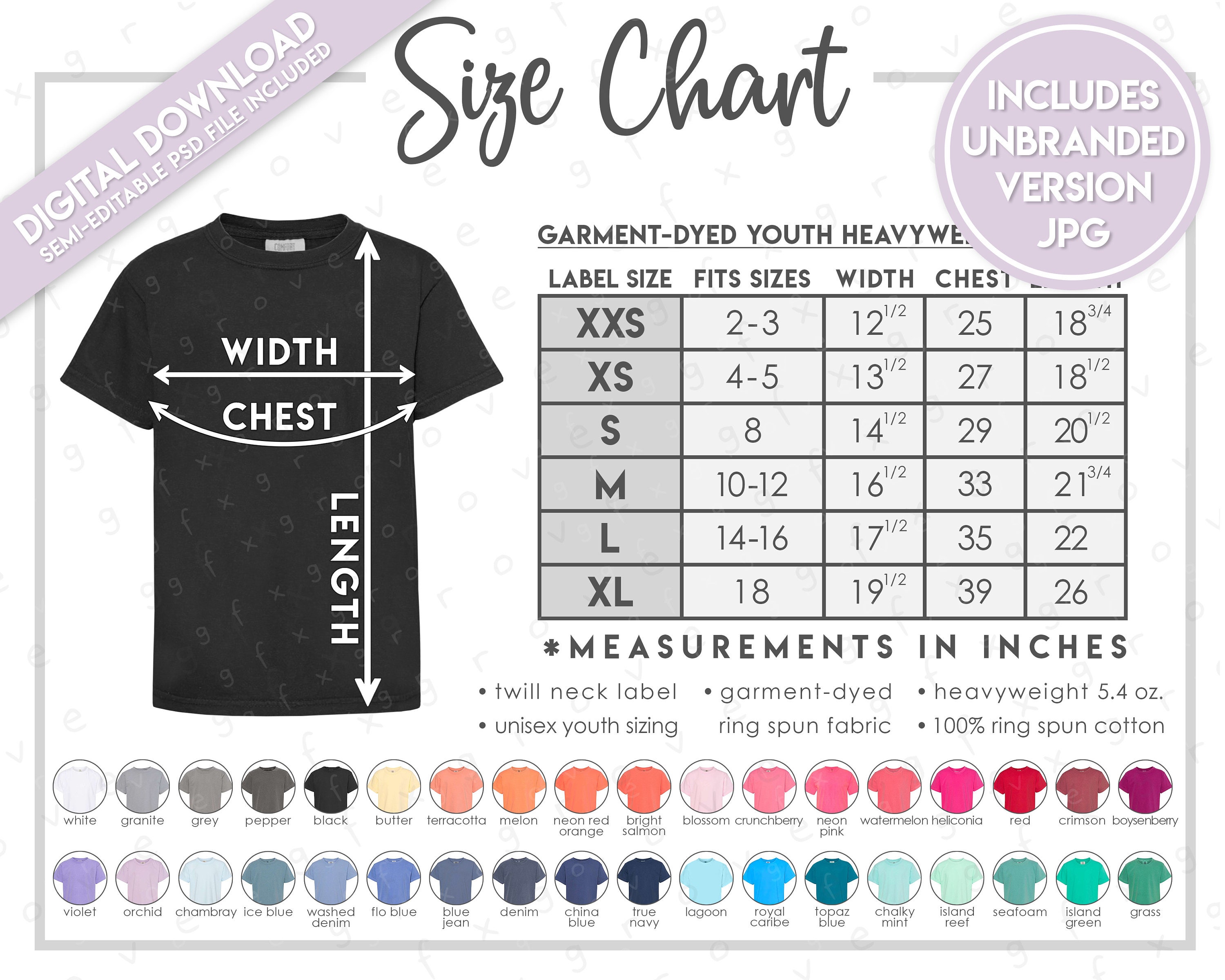
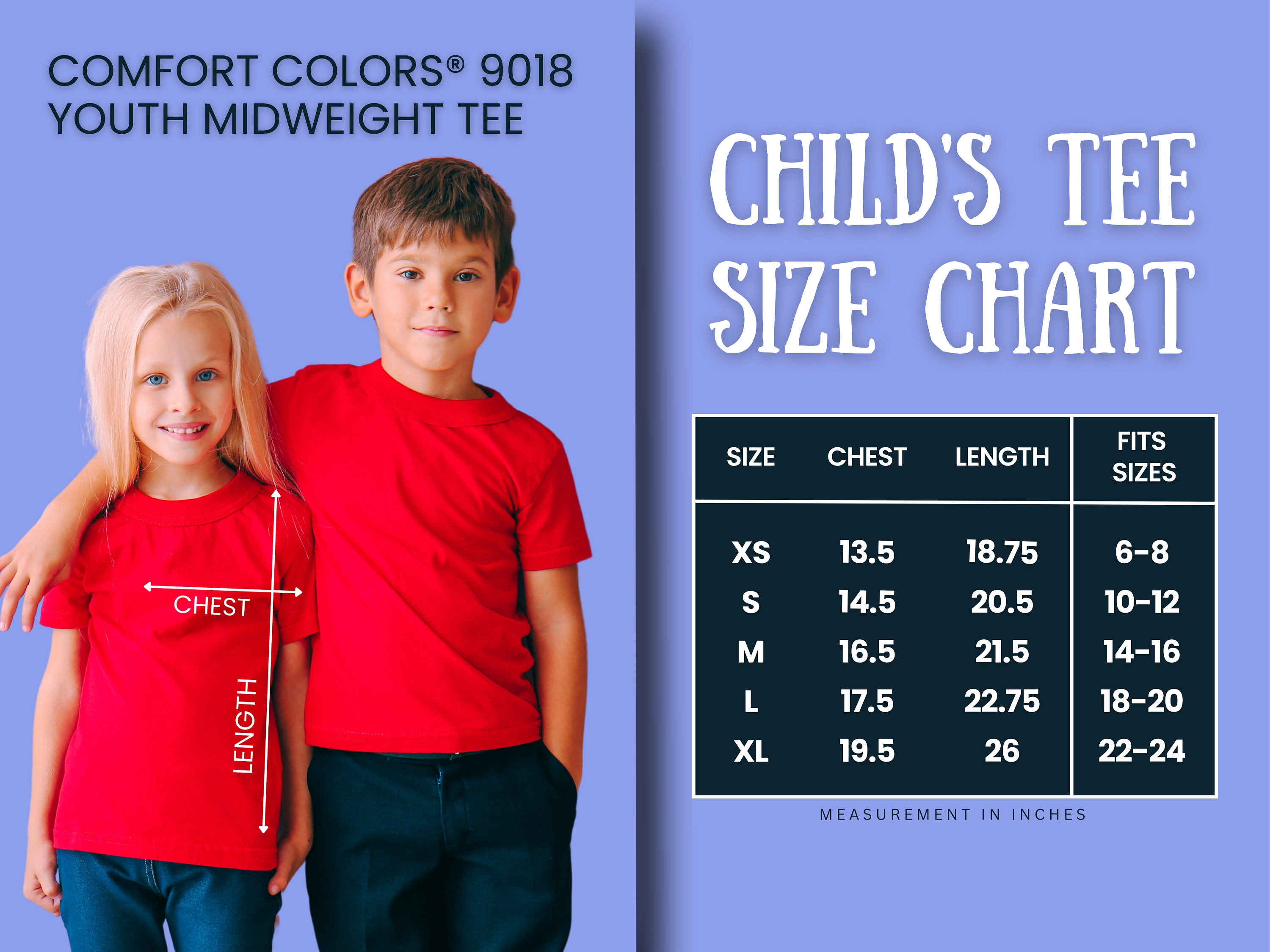

Jersey Size Chart Free Printable Overview
An ear piercings chart is a handy tool, a quick-glance guide to ear anatomy and piercing options. It's a simple yet effective visual aid, offering a clear layout of various piercing placements and styles.
This chart serves as a versatile resource, beneficial for both piercers and those considering a new piercing. It provides an at-a-glance reference, detailing the different ear areas and the unique piercings possible, from classic lobes to more intricate cartilage piercings. With this guide, you can explore and plan your ear journey, ensuring a well-informed decision and a unique, personalized look.
Choosing the Right Ear Piercing Guide Layout
Selecting the ideal ear piercing chart depends on your goal and the age group you're catering to. For instance, if you're creating a detailed reference for older teens or adults, opt for comprehensive layouts with precise measurements and a variety of piercing types. These often include detailed diagrams and notes on aftercare, making them perfect for independent use. On the other hand, simpler designs with basic shapes and fewer details work best for younger kids who might need a more visual, less text-heavy guide.
Adjusting Your Print Settings
If your chart appears too small, light, or off-center, a few quick tweaks can fix it. First, ensure your printer's ink cartridges are full and functioning properly. If the issue persists, check your page setup and layout settings. Sometimes, a simple adjustment to the scale or orientation can make a big difference. For instance, if you're using a tablet PDF app like GoodNotes, you can easily adjust the zoom and position before printing.
Practical Tips for Using Your Ear Piercing Chart
When it comes to using your printable piercing chart, there are a few strategies to make the most of it. If you're working with kids, consider printing on thicker cardstock for durability. This prevents tearing and allows for multiple uses with different clients or over time. For quick, disposable practice, regular copy paper is fine, especially if you're using digital tools to fill it out.
Some of the simpler layouts here work well for this, as they don't require a lot of detailed writing or drawing. You can also laminate your chart for repeated use, especially if you're a professional piercer or educator. This preserves the paper and ink, ensuring your chart stays in good condition.
In the classroom or at home, consider displaying your chart on a clipboard for easy reference. Leave enough space on the left or inner margin for hole punching, so you can easily hang it up without cutting off the border. This simple reuse strategy keeps your resources organized and accessible.
Related: What's the best deer feeding chart for me?
You've likely landed here with a specific goal: to find a clear, concise deer feeding chart that offers reliable information at a glance. This chart is your go-to resource, a simple yet powerful tool for understanding deer nutrition and feeding practices. It provides a quick reference, ensuring you can make informed decisions about deer diet and care. While the exact values and formats may vary, depending on factors like region and specific needs, the deer feeding chart serves as an essential guide, offering insights into deer nutrition and the seasonal changes in their diet.
Understanding the Deer Feeding Chart
The deer feeding chart is a valuable tool for anyone managing deer populations or interested in their nutrition. It provides a comprehensive overview of the dietary needs of deer, offering insights into their feeding habits and requirements. This chart is designed to simplify the process of understanding deer nutrition and ensuring their proper care.
Comparing Chart Formats and Standards
There are various formats and standards for deer feeding charts, often influenced by regional differences and specific use cases. These charts typically present information on the nutritional composition of deer diets, including the percentage of protein, fiber, and other essential nutrients. They may also provide guidelines on the recommended daily intake and the types of forage available during different seasons.
Step-by-Step Guide to Using the Chart
To utilize the deer feeding chart effectively, follow these steps:
Identify the age and weight of the deer you are caring for. This information is crucial as nutritional requirements vary based on these factors.
Locate the relevant section on the chart that corresponds to the deer's age and weight. The chart often has distinct categories for fawns, yearlings, and adult deer.
Read the nutritional values and guidelines provided for each category. Pay attention to the recommended daily intake and the types of forage suggested.
Adjust the feeding plan based on the chart's recommendations. Ensure a balanced diet by providing the right proportion of protein, fiber, and other nutrients.
Monitor the deer's health and behavior. If any issues arise, consult an expert or adjust the feeding plan accordingly.
Avoiding Common Misinterpretations
It's essential to note that deer feeding charts provide general guidelines, and individual deer may have unique needs. Here are some common misinterpretations to avoid:
Assuming that the chart covers all scenarios: Always consider the specific context and environment in which the deer are living. Factors like weather, habitat, and available forage may require adjustments to the feeding plan.
Neglecting individual variations: Each deer is unique, and their nutritional needs can vary. Keep a close eye on their health and behavior to ensure they are receiving adequate nutrition.
Overlooking seasonal changes: Deer's dietary requirements often change with the seasons. The chart should be used as a dynamic tool, adapting to the changing needs of deer throughout the year.
Factors Affecting Accuracy and Real-World Application
When using a deer feeding chart, keep in mind the following key factors that can influence its accuracy and practical application:
Forage availability: The type and amount of forage available in a deer's habitat can greatly impact their diet. Ensure you understand the local forage options and their nutritional value.
Weather conditions: Extreme weather events can affect the nutritional content of forage. Be prepared to adjust feeding plans during droughts, floods, or other weather-related challenges.
Deer diet composition: While the chart provides a guide, deer may have preferences for certain foods. Observe their feeding habits and adjust the diet accordingly.
Special considerations: Pregnant or nursing does, as well as injured or sick deer, may have unique nutritional needs. Consult experts for specialized feeding plans in such cases.
Remember, while the deer feeding chart is a valuable resource, it should be used flexibly and adapted to the specific needs of the deer in your care. Regular monitoring and expert advice can ensure the health and well-being of these magnificent animals.
Remember, every deer and its needs are unique, so while this chart provides a fantastic starting point, you may need to make small adjustments to find the perfect feeding routine for your furry friends. It's all about finding that sweet spot!
We've got a whole library of practical guides just like this one, covering various topics to help you navigate the wonderful world of wildlife care. So, feel free to explore and discover more tips and tricks to enhance your outdoor adventures and make the most of your time with nature's creatures. Happy reading and happy feeding!
Related: Understanding the Youth Sizes Chart
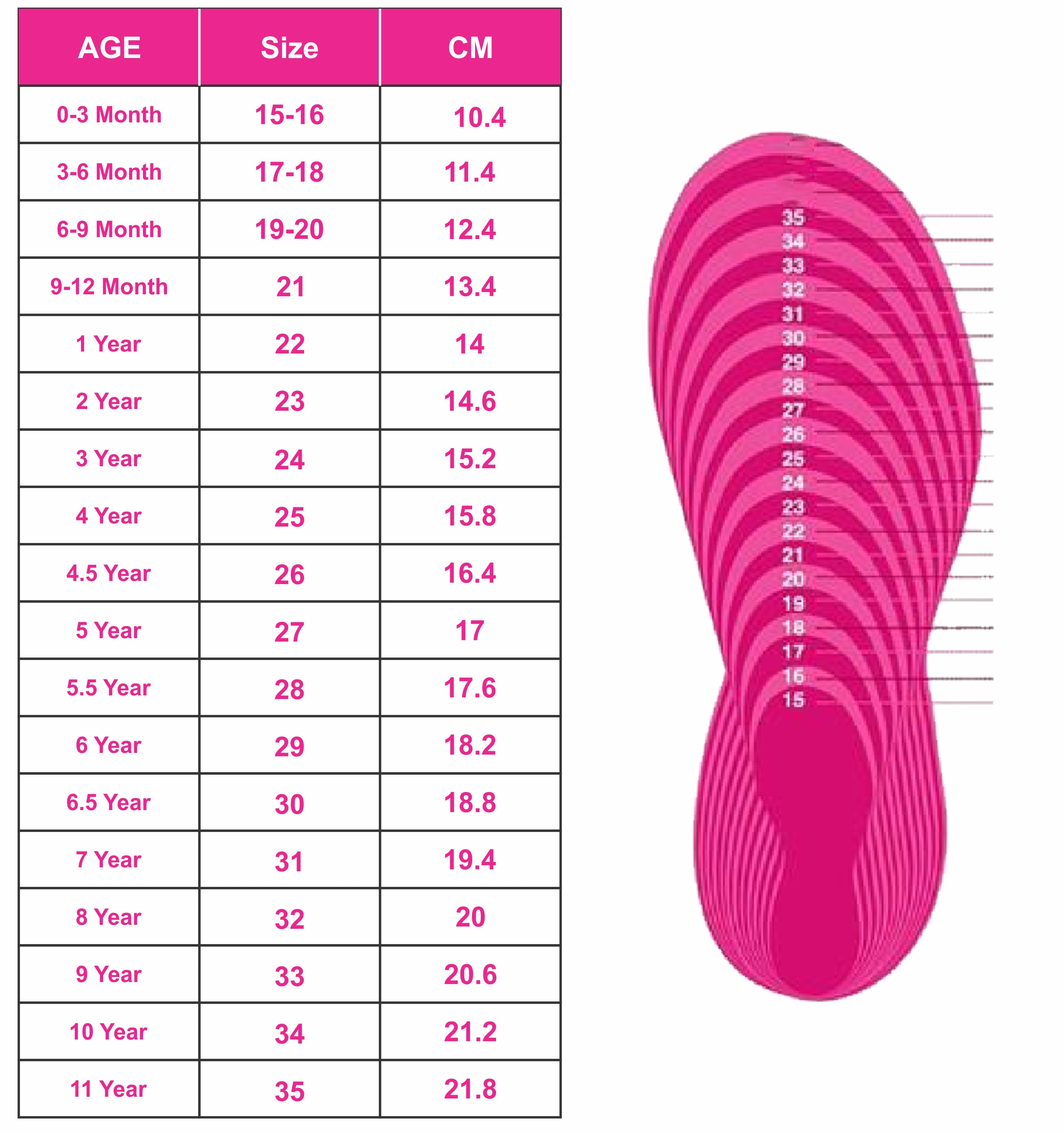
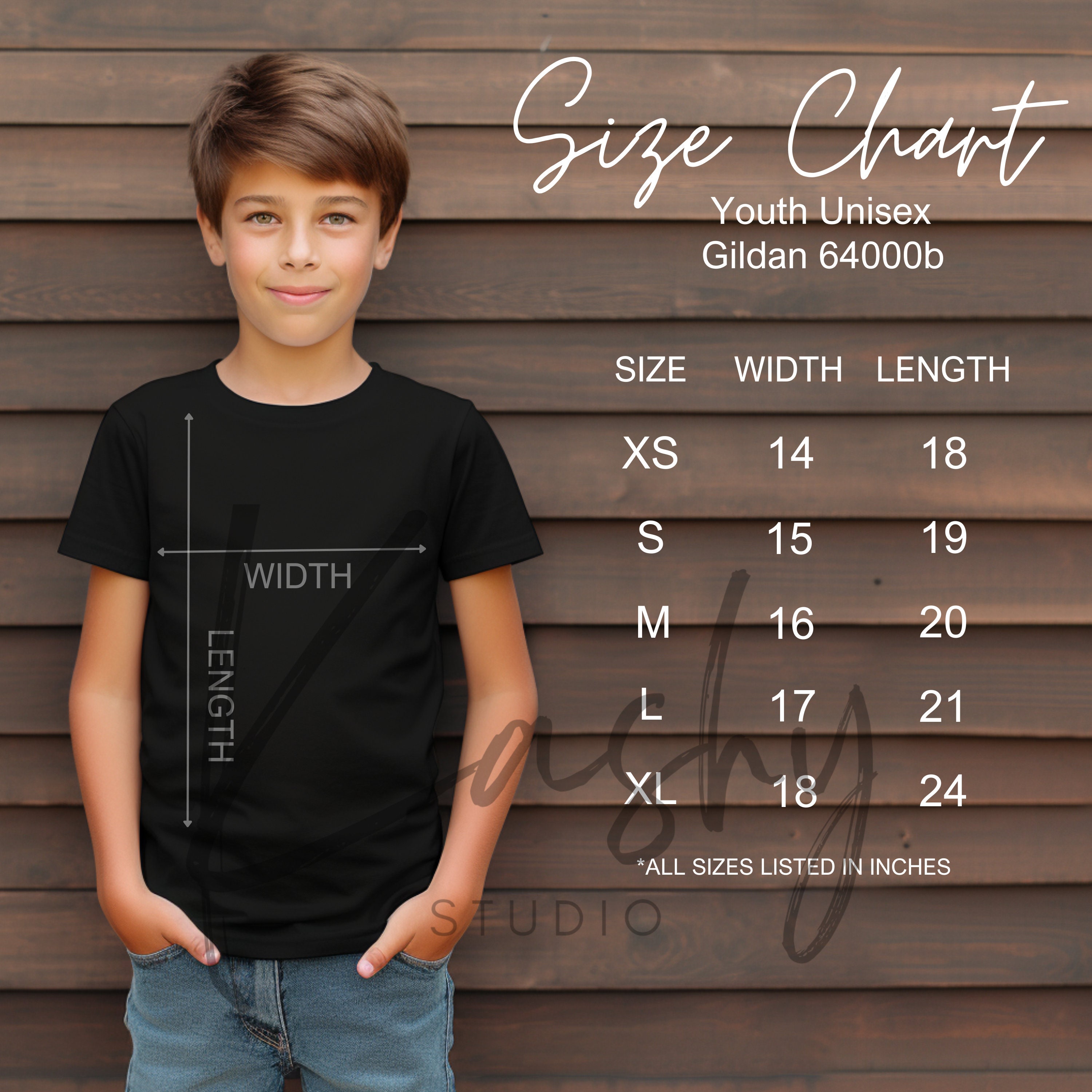
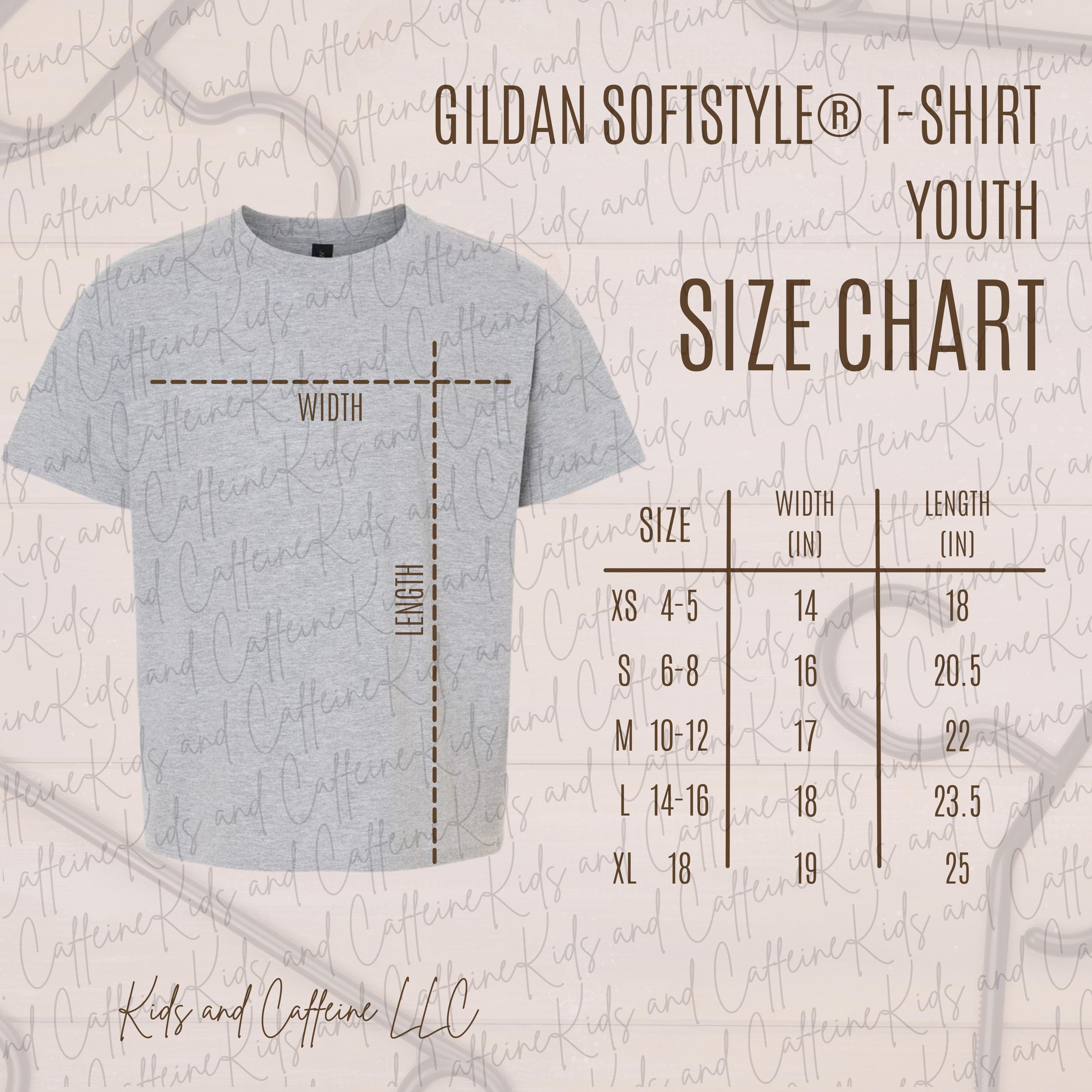
Many folks assume that a youth sizes chart is just for clothes, but it's so much more! While it's true that these charts are essential for nailing the perfect fit in kids' clothing, they also cover a wide range of products, from shoes to sports gear. A quick glance at a youth sizes chart can save you time and ensure an accurate fit, whether you're shopping for your own kids or buying a gift.
Understanding the Youth Sizes Chart
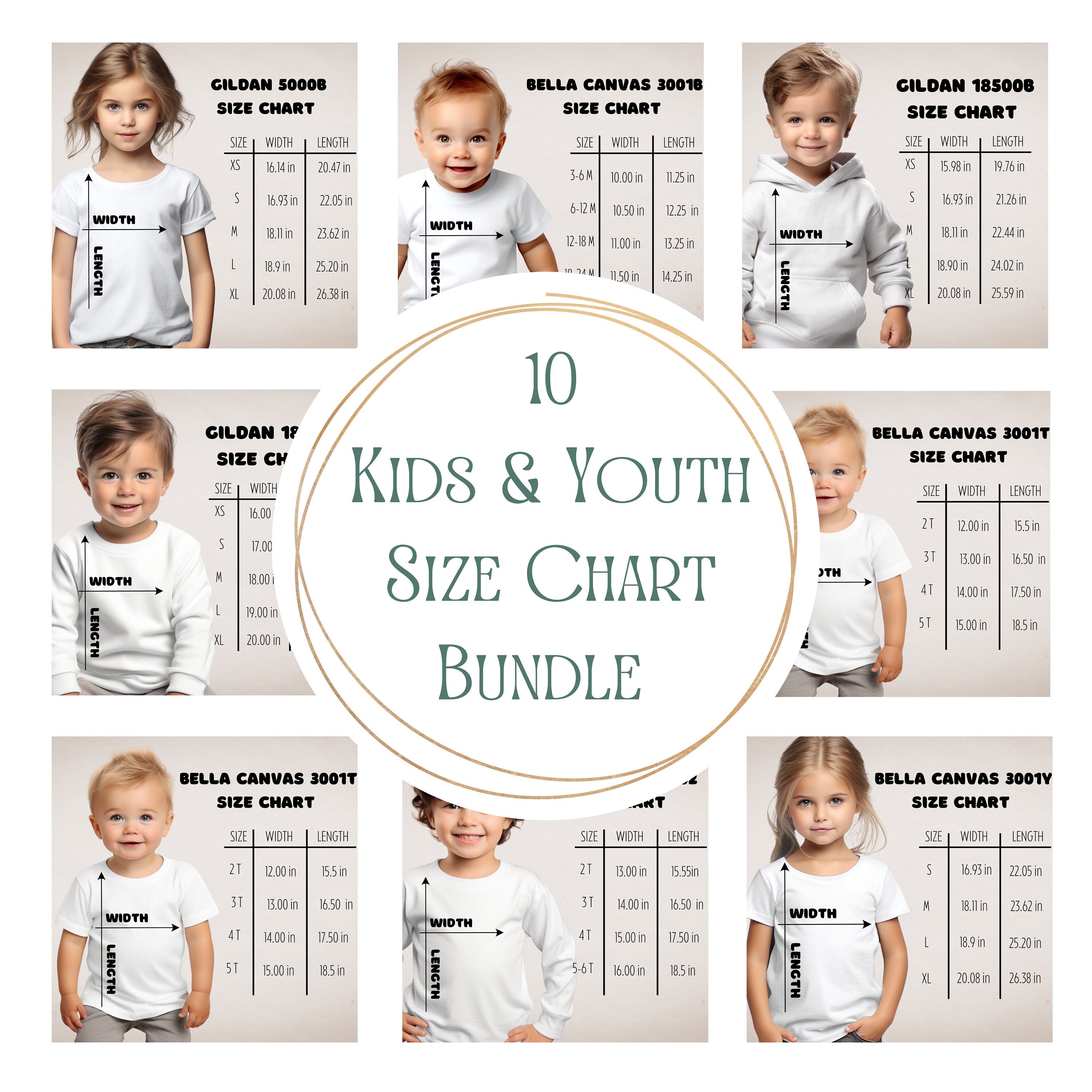
The youth sizes chart is a handy reference tool for parents and caregivers to navigate the world of kids' clothing and footwear sizing. It provides a standardized guide to help you choose the right size for your child, ensuring a comfortable and well-fitted outfit. This chart is a valuable resource, especially when shopping online or for specific brands, as it can vary from the standard.
Comparing Standards and Formats
There are a few key standards and formats to be aware of when using a youth sizes chart. The most common are the US standard, which is widely used in North America, and the metric or international standard, which is more prevalent in Europe and many other parts of the world. These standards may have slight variations in measurements and categories, so it's essential to know which one you're dealing with. Additionally, some brands might have their own unique sizing systems, especially for specialized sportswear or fashion lines.
Step-by-Step Guide to Using the Chart
Here's a simple process to follow when using a youth sizes chart:
Identify the standard: Determine whether you're using the US or metric standard. This information is usually indicated on the chart or provided by the retailer.
Measure your child: Take accurate measurements of your child's body, including height, weight, and key dimensions like chest, waist, and hip circumference. You can use a measuring tape or refer to existing measurements if you have them.
Locate the relevant category: Using the measurements, find the corresponding size category on the chart. This will typically involve matching height and weight ranges or specific body measurements.
Check the brand's fit: Some brands may have a slightly different fit or style, so it's a good idea to check their size guide or reviews to ensure the chosen size will fit as expected.
Consider growth: If you're buying for a growing child, you might want to opt for a slightly larger size to allow for growth spurts. Just ensure it's not too loose, as this can affect comfort and safety, especially with footwear.
Common Misreadings and How to Avoid Them
One of the most common mistakes is assuming that all brands and retailers use the same sizing standards. Always double-check the specific brand's guidelines or consult the youth sizes chart for that particular brand if available. Another pitfall is relying solely on age-based sizing, as children's growth rates vary, and this method may not always provide an accurate fit. It's best to measure your child and refer to the chart for a more precise size recommendation.
Factors Affecting Accuracy
When using a youth sizes chart, keep in mind these key factors that can influence the accuracy of the size selection:
Growth spurts: Children's bodies can change rapidly, so regular measurements are essential to ensure the chosen size is still appropriate.
Brand variations: As mentioned, different brands may have unique sizing systems, so always check their guidelines.
International travel: If you're shopping while traveling abroad, be aware of the different standards and ensure you're using the correct chart or guidelines.
Activity-specific sizing: For sports or specialized clothing, the fit and sizing may differ, so consider the purpose of the garment.
Adapting the Chart for Specific Needs
While the youth sizes chart provides a general guide, you might need to adapt it for specific situations. For example, if your child has a unique body shape or is particularly tall or short for their age, you may need to adjust the size selection accordingly. Some charts offer extended size ranges or special categories for these cases. It's also worth noting that certain clothing items, like coats or jackets, may have a more relaxed fit, so you might opt for a larger size to allow for layering.
Keeping Your Reference Reliable
To ensure you have a reliable reference for future purchases, consider the following:
Update measurements: Regularly measure your child's body dimensions, especially during growth spurts or seasonal changes.
Save the chart: Keep a digital or physical copy of the youth sizes chart you're using, along with any brand-specific size guides.
Share with caregivers: If others, like grandparents or babysitters, are shopping for your child, ensure they have access to the correct sizing information.
Check for updates: Sizing standards and brand guidelines can change over time, so periodically review the charts and guides to stay up-to-date.
So, there you have it! You're now equipped with a comprehensive understanding of youth sizes and how to navigate the various charts and standards. Remember, it's always a good idea to cross-reference and ensure you're using the right measurements for your specific needs.
Feel free to explore our other guides for more practical tips and tricks. We've got you covered with a range of handy resources to make your life easier!