

Jupiter Tide Chart 2026 Overview
A Mayport tide chart is your go-to tool for navigating the tides like a pro. This guide will show you how to make the most of it, whether you're a fisherman, a boater, or just curious about the ocean's rhythms.
It's a simple yet powerful resource, offering insights into tide times, water depth, and more. While the specific values may vary depending on your location, understanding the chart's layout is key to unlocking its potential.
Understanding the Mayport Tide Chart
The Mayport tide chart is a handy tool for anyone planning activities or navigation around the Mayport area. It provides essential information about the tides, helping you make informed decisions and ensuring a smooth experience on the water. This chart is a reference guide, offering a glimpse into the ebb and flow of the tides at Mayport.
Key Details and Categories
The Mayport tide chart typically displays a range of data, including tide levels, times, and current speeds. You'll find details like high and low tide predictions, the height of the water at these points, and the times when these tides occur. The chart might also indicate the tidal currents, which are crucial for understanding the direction and strength of the water's movement. These measurements are usually in feet and hours, providing a clear and standardized view of the tidal patterns.
Reading and Applying the Chart
Here's a step-by-step guide to using the Mayport tide chart:
- Identify the date and time you plan to be on the water.
- Locate the corresponding tide level and time on the chart.
- Note the predicted water depth at that time.
- Consider the tidal current direction and speed to plan your route or activity accordingly.
For instance, if you're planning a fishing trip, you might want to aim for a high tide, as this often brings more active fish. Boaters, on the other hand, should pay attention to water depth and tidal currents to ensure safe navigation.
Common Variations and Differences
While the Mayport tide chart provides a reliable guide, it's important to note that tides can vary slightly from day to day and year to year. These variations can be influenced by factors like weather conditions, lunar cycles, and even the specific location within the Mayport area. For instance, the St. Johns River tide table might show slightly different readings compared to the Neptune Beach tide chart, as they represent different points along the coast.
Avoiding Common Mistakes
One of the most common errors is relying solely on the tide chart without considering real-time conditions. Always double-check the actual water levels and weather before heading out. Additionally, remember that the chart provides predictions, and actual conditions may vary. It's a good practice to leave a buffer for unexpected changes, especially if you're new to the area.
Practical Tips for Accurate Results
To ensure you're using the Mayport tide chart effectively, consider these tips:
- Familiarize yourself with the chart's layout and units.
- Check the chart regularly, as tides can change daily.
- Cross-reference with other sources, like the Neptune Beach tide chart or local marine reports, to get a comprehensive view.
- If you're new to the area, consult with local experts or experienced boaters for additional insights.
- Always prioritize safety and be prepared for unexpected changes in tide levels or weather.
Hey there! I hope this guide has helped you understand the Mayport tide chart and how to use it effectively. Remember, while the basics remain the same, exact details might differ slightly depending on various factors. It's always a good idea to double-check and adapt to your specific context.
Feel free to explore our other guides and resources for more practical tips and tricks. We've got a whole collection of handy references and how-to's to make your adventures easier and more enjoyable. Happy reading, and here's to smooth sailing!
Related: Find Your Perfect Fit: Jeans Size Chart Guide
Many people struggle with the idea of a jeans size chart, assuming it's a complex and confusing tool. But it's actually a simple and handy reference, a quick guide to finding your perfect fit!
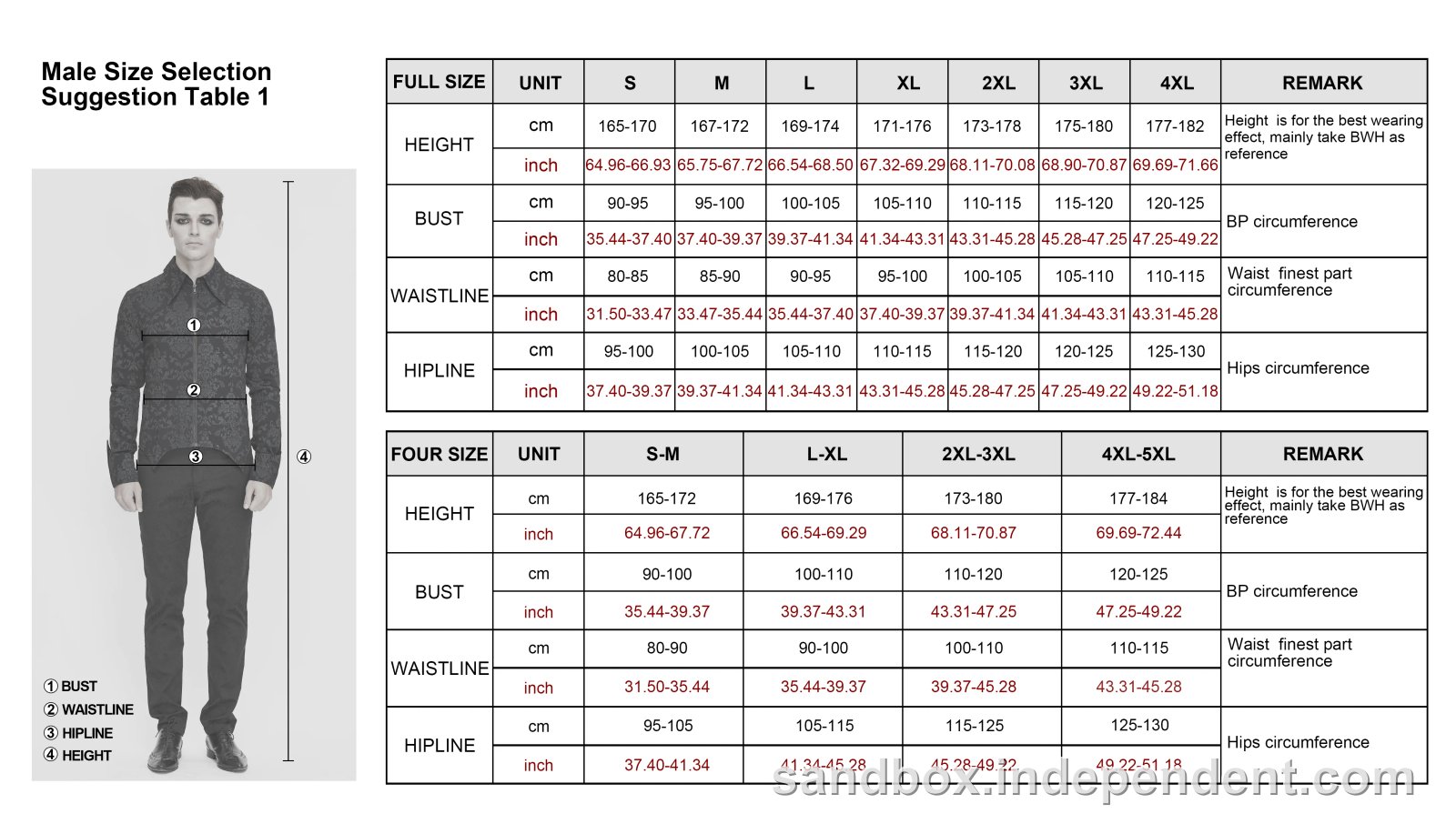
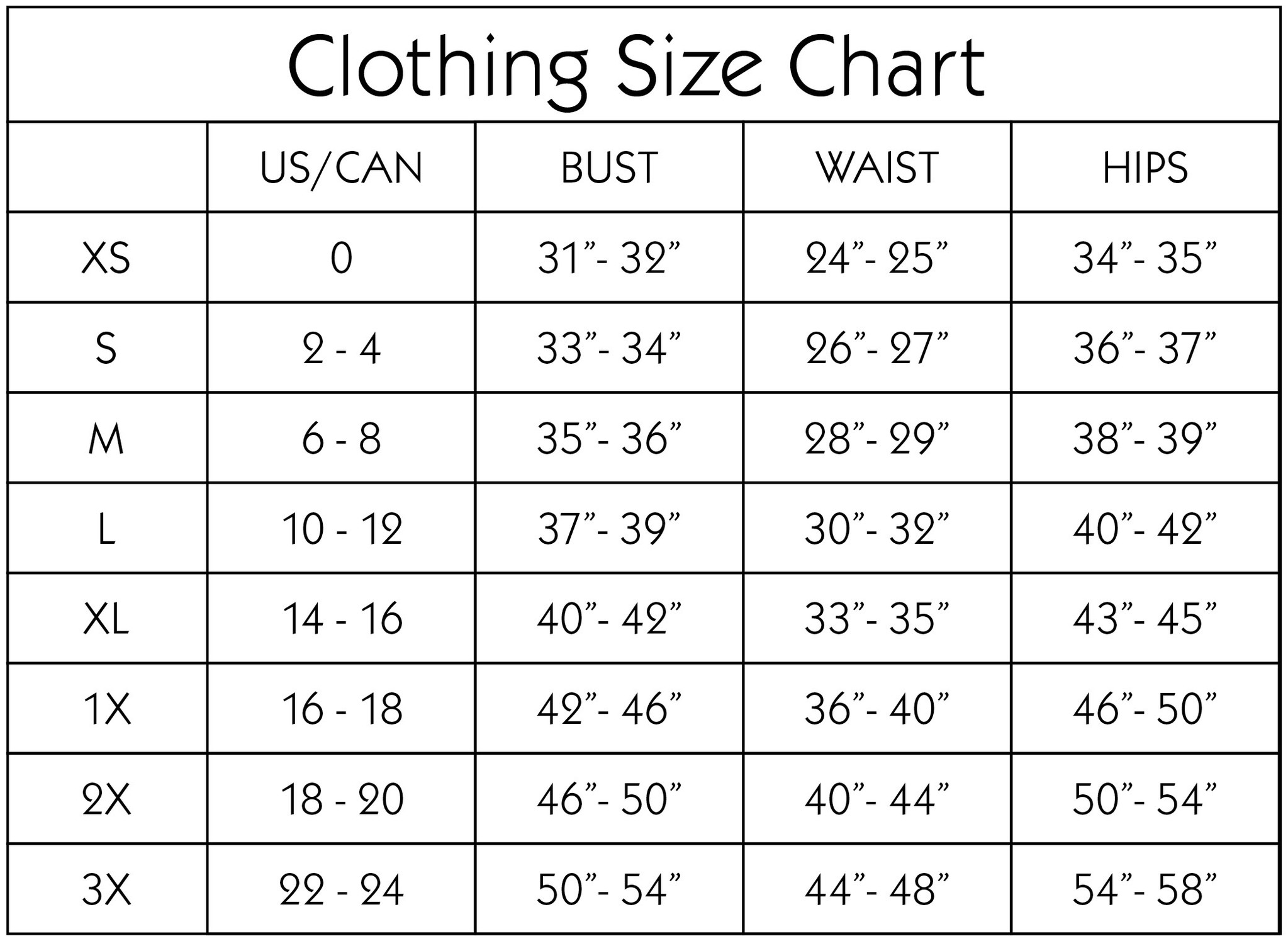
The chart offers a visual or tabular overview, providing waist and hip size measurements, along with other key details like inseam length and leg opening. While values may vary slightly between brands and regions, the jeans size chart is a reliable starting point for an accurate fit.
Understanding the Jeans Size Chart
The jeans size chart is your guide to finding the perfect fit for your denim dreams! It's a handy tool that translates your body measurements into the right jeans size, ensuring you look and feel great. This chart is like a secret code, but don't worry, it's easy to crack!
Key Details and Categories
Let's break down the chart's categories. Typically, a jeans size chart will have two main measurements: waist size and hip size. These are the most critical factors in finding a comfortable and flattering fit. You'll also find other details like inseam length, leg opening, and rise, which add precision to your choice. These measurements are usually in inches or centimeters, depending on the standard used. Always check the chart's units to ensure accuracy.
How to Read and Apply the Chart
Using the jeans size chart is a breeze! Here's a step-by-step guide:
- Measure your waist and hip sizes. Ensure you're measuring at the right points; for the waist, it's the narrowest part of your torso, and for the hips, it's the widest part.
- Find your waist and hip measurements on the chart. The chart will often have a grid or table format, with waist sizes along one axis and hip sizes on the other.
- Look for the intersection of your waist and hip measurements. This will give you your recommended jeans size. For example, if your waist is 28 inches and your hips are 36 inches, the chart might recommend a size 6.
- Consider other details like inseam length. If you prefer a specific leg length, choose a size that accommodates your desired inseam.
- Try it on! While charts are accurate, personal preferences and body shapes vary. So, it's always best to try the jeans and see how they feel and look.
Size Variations and Differences
It's important to note that jeans size charts can vary slightly between brands and manufacturers. This is because each brand might have a unique fit philosophy or use different measurement standards. Additionally, regional differences can impact size charts, with some countries using different sizing systems. Always check the brand's specific size guide or denim size chart to ensure you're using the right measurements. It's a good idea to refer to the brand's size guide when shopping online to avoid any surprises.
Finding the perfect jeans size is an adventure, and with this guide, you're equipped to navigate the jeans size chart like a pro!
Well, there you have it! A handy jeans size chart to keep on hand for all your denim adventures. Remember, these charts are a great starting point, but it's always wise to check the specific brand's size guide for any unique fits or styles.
Jeans shopping can be a fun and practical experience, and with this guide, you're well-equipped to find your perfect fit. So, happy browsing and remember to bookmark this page for future denim missions!
Related: What's the lip piercing chart all about?
A common misconception about lip piercing charts is that they are solely for aesthetic purposes, but these charts are far more practical and informative than many realize. While they do showcase the various piercing placements and styles, their primary function is to guide and educate individuals on the different types of lip piercings and their specific details.
The lip piercing chart serves as a visual reference, offering insights into lip piercing placement, sizes, and even anatomy. It ensures that those interested in this body modification can make informed decisions and understand the unique characteristics of each piercing type. Whether it's the classic labret piercing or the iconic Monroe piercing, these charts provide a clear roadmap, ensuring an accurate and safe piercing experience.
Understanding the Lip Piercing Chart
The lip piercing chart is a valuable reference tool for anyone considering or already sporting a lip piercing. It provides a visual guide to the various types of lip piercings, their placements, and standard measurements. This chart simplifies the process of understanding lip piercings and helps individuals make informed decisions about their body modifications.
Key Details and Categories
The lip piercing chart typically includes a range of information. It showcases different lip piercing types, such as the popular monroe piercing, labret piercings, and more. Each piercing type is associated with specific anatomical placements on the lip, such as the center, corners, or above the lip. The chart also displays standard gauges or sizes for each piercing, usually measured in millimeters or fractions of an inch. These measurements indicate the thickness of the jewelry used for the piercing.
Reading the Chart: A Step-by-Step Guide
To utilize the lip piercing chart effectively, follow these steps:
- Identify the type of lip piercing you are interested in or already have.
- Locate the corresponding piercing type on the chart.
- Note the recommended gauge or size for that piercing, ensuring it aligns with your preferences or existing jewelry.
- If you are considering a new piercing, consult with a professional piercer to discuss the specific placement and size options suitable for your anatomy.
- For existing piercings, compare the chart's measurements with your current jewelry to ensure a proper fit and avoid discomfort.
Variations and Differences
It's important to note that lip piercing charts may vary depending on the standard being used. Different regions and piercing communities might have slightly different measurements or labels. Additionally, individual anatomy plays a significant role; what works for one person might not be ideal for another. Factors like lip thickness, skin elasticity, and personal comfort levels can influence the chosen gauge and placement.
Common Mistakes and How to Avoid Them
One common mistake is assuming that a single chart covers all piercing scenarios. While lip piercing charts provide valuable guidance, it's crucial to double-check exact specifications, especially when dealing with unique anatomy or specific piercing types. Another pitfall is ignoring aftercare instructions; proper care is essential for healing and maintaining a healthy piercing.
Practical Tips for Accurate Results
To ensure accurate results when using a lip piercing chart, consider the following:
- Consult with experienced piercers who can provide personalized advice based on your anatomy.
- Understand that the chart serves as a guide, and some adjustments might be necessary to suit your unique features.
- Stay informed about the latest piercing trends and techniques to make well-informed decisions.
- Prioritize your comfort and safety by choosing a reputable piercing studio and following aftercare guidelines diligently.
Well, there you have it! A comprehensive guide to lip piercing charts, covering all the essential information you need to know. Remember, these charts are a great tool, but it's always wise to ensure you're using the right one for your specific situation.
So, before you dive in, double-check your context and requirements to ensure you're getting the most accurate and relevant information. This chart is a handy reference, so feel free to bookmark this page for future use. It's a quick and easy way to refresh your memory whenever you need a piercing guide.