

Kindergarten Worksheet Subtraction Overview
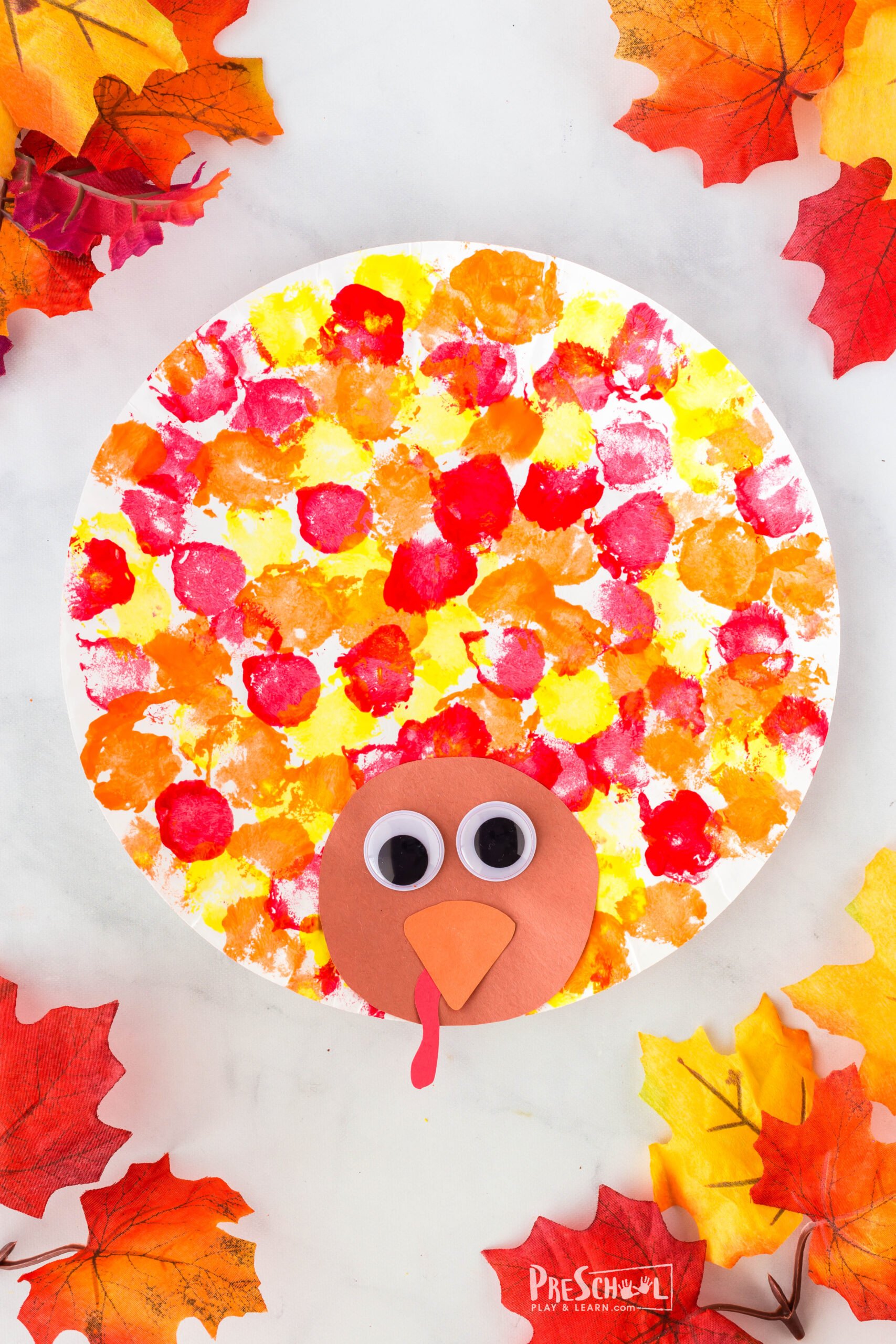
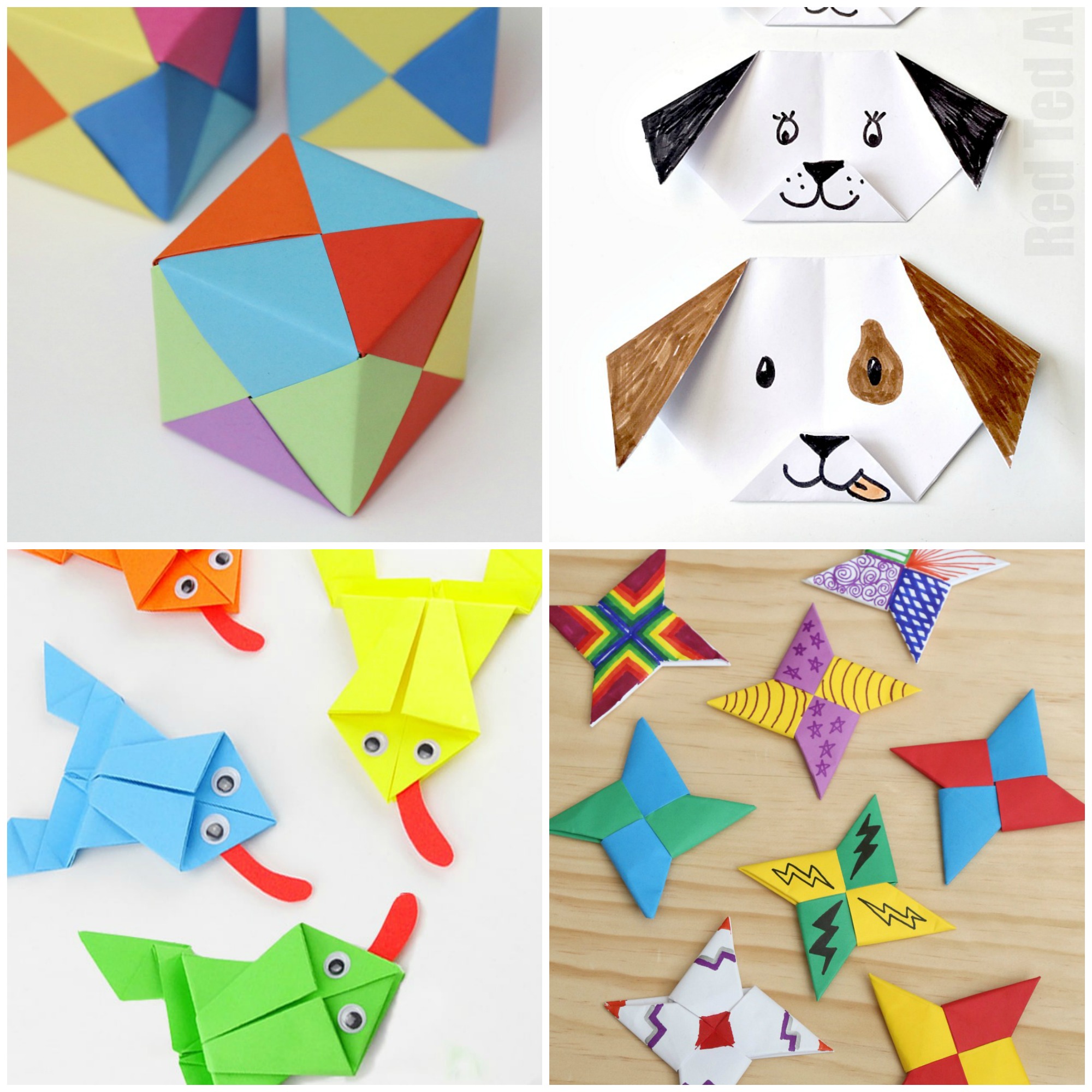
Easy paper craft for kindergarten is a fun and simple way to get creative with your little ones, and it's something I've really enjoyed doing with my kids. It's a great activity to keep them entertained and engaged, and it's so satisfying to see their little faces light up with pride when they've made something cool.
So, what is this all about? Well, it's basically a collection of craft ideas that use paper as the main material. These crafts are designed to be accessible and fun for kids, with simple steps and minimal supervision needed. It's a brilliant way to encourage their creativity and fine motor skills, and it's an affordable activity too!
You can find a whole range of ideas online, from the classic paper chain to more intricate pop-up cards. Some ideas are seasonal, like making paper snowflakes for Christmas, while others are more general and can be done anytime. The best part is that these crafts often require very few materials - paper, scissors, glue, and maybe some crayons or markers.
Getting Started
If you're new to this, I'd recommend starting with some basic folding and cutting activities. You can teach them how to make simple shapes like squares and triangles, and then use those to create fun designs. For example, folding a piece of paper into a fan shape is a great way to introduce the concept of symmetry and pattern-making.
Step It Up
Once they've got the hang of the basics, you can introduce more complex crafts. One of my favorites is making paper boats. It's a classic for a reason - it's easy, and kids love seeing their creations float in water! You can also try making paper hats, which is a fun way to encourage imagination and role-play.
The beauty of easy paper craft for kindergarten is that it's so adaptable. You can tailor the difficulty level to your child's age and abilities, and you can often use these crafts as a springboard for other activities. For instance, making a paper doll might lead to a fun dress-up game, or creating a paper city could inspire some imaginative play.
So, why not give it a go? It's a brilliant way to spend some quality time with your kids, and you might just discover a new hobby together!
Related: Wire Fill Chart: A Quick Reference Guide
A common misconception about the wire fill chart is that it's solely for professionals; however, this chart is an accessible tool for anyone seeking accurate wire installation guidance. The wire fill chart, a simple yet effective visual aid, provides a clear understanding of wire duct fill and conduit fill, offering a quick reference for determining the fill rate and ensuring compliance with standards like the NEC wire fill guidelines.
Understanding Fill Capacity: A Wire Fill Chart Primer
A wire fill chart is an essential tool for anyone working with electrical wiring, offering a clear guide to the maximum capacity of wire ducts, conduits, or cables. It ensures safe and efficient installations by preventing overcrowding and potential hazards. These charts provide critical information on the optimal fill rate, helping professionals and enthusiasts alike make informed decisions.
Comparing Fill Chart Standards and Formats
Wire fill charts come in various formats, depending on the standard being used. Two common standards are the National Electrical Code (NEC) in the US and international or metric standards. NEC wire fill charts provide specific guidelines for wire duct fill capacity, often expressed as a percentage. International standards, on the other hand, may use different units or calculations. It's crucial to ensure you're using the correct chart for your region and project requirements.
Step-by-Step Guide to Using a Wire Fill Chart
Using a wire fill chart is straightforward but requires attention to detail. Here's a simple process:
- Identify the correct chart for your region and project.
- Locate the wire size and type on the chart.
- Determine the conduit or cable size you're using.
- Read the fill rate or percentage from the chart, ensuring you understand the units.
- Calculate the number of wires or cables you can safely fit based on the fill rate.
- Ensure you leave sufficient space for future additions or maintenance.
Common Fill Chart Misreadings and How to Avoid Them
Misinterpreting a wire fill chart can lead to unsafe installations. Here are some common mistakes:
- Assuming all charts are universal: Always double-check the standard and units.
- Ignoring specific wire or conduit types: Different materials and sizes have unique fill rates.
- Overlooking temperature ratings: Extreme temperatures can affect fill capacity.
- Forgetting about future expansion: Leave room for additional wires or upgrades.
Factors Affecting Wire Fill Chart Accuracy
Several factors can impact the accuracy of a wire fill chart and its real-world application:
- Wire size and type: Thicker wires or specialized types may have lower fill rates.
- Conduit or cable size: Larger diameters allow for higher fill rates.
- Temperature: Higher temperatures reduce fill capacity due to insulation expansion.
- Future additions: Planning for future expansions is essential to avoid overcrowding.
- Special conditions: Unique environments like hazardous areas may require specific charts.
Adapting Wire Fill Charts for Specific Needs
While standard wire fill charts cover most scenarios, some projects may require customization. In such cases, you can adapt the chart or seek specialized guidance:
- Consult experts or engineers for complex installations.
- Use online calculators or software for precise fill rate calculations.
- Create customized charts for unique projects, ensuring they meet safety standards.
- Regularly review and update charts to account for changing needs and technologies.
Remember, accuracy and safety are paramount when working with electrical systems. A well-understood and correctly applied wire fill chart is a valuable tool to achieve both.
Hey there, I hope this guide has provided some clarity and helped you navigate the world of wire fill charts. Remember, while the basics remain consistent, the exact details might shift slightly based on your specific needs and the standards you're working with.
Feel free to bookmark this page for future reference, and if you're curious about other practical guides, explore our website for more useful resources. Happy referencing!
Related: How to Read a Ski Length Chart
Many skiers assume that a ski length chart is a one-size-fits-all guide, but it's actually a flexible tool with some room for personal preference. While these charts provide a great starting point, they're not set in stone.
So, when you see a ski length chart, don't be afraid to experiment a little. Values can vary, and it's worth considering your skill level and the type of skiing you prefer. You might find a slightly longer or shorter ski suits your style better. It's all about finding the right fit for you!
Ski Length Chart: A Quick Guide
A ski length chart is a simple tool to help you choose the right skis for your height and skill level. It's a handy reference to ensure you get the optimal ski length for your needs, whether you're a beginner or an experienced skier.
Key Details and Categories
The chart typically displays a range of heights, usually in inches or centimeters, along with the corresponding recommended ski lengths. These lengths are often given in centimeters and are categorized by skill level: beginner, intermediate, and advanced. Some charts may also include additional factors like weight or specific ski types.
How to Read and Apply the Chart
Reading a ski length chart is straightforward. First, identify your height on the chart. Then, find the recommended ski length for your skill level. Here's a step-by-step guide:
- Locate your height: Look for the column or row that matches your height. If your height falls between two values, you can estimate or choose the closest length.
- Determine your skill level: Identify whether you're a beginner, intermediate, or advanced skier. Most charts will provide recommendations based on these skill levels.
- Choose your ski length: Find the intersection of your height and skill level. This will give you the recommended ski length. For example, if you're 5'8" tall and an intermediate skier, the chart might suggest a ski length of 165 cm.
Variations and Differences
It's important to note that ski length charts can vary depending on the standard used. Different regions and manufacturers may have slightly different recommendations. Additionally, some charts may offer more detailed suggestions, considering factors like weight and ski type. These variations ensure a more personalized ski length recommendation.
Common Mistakes and How to Avoid Them
One common mistake is relying solely on height without considering skill level. Remember, the chart takes both into account. Another pitfall is ignoring specific ski types. If you're using a particular type of ski, like powder skis or racing skis, ensure the chart accounts for this or seek a specialized chart.
Practical Tips for Accurate Results
To ensure you get the best fit, consider these tips:
- If you're between two sizes, err on the side of shorter skis. Longer skis can be more challenging to control, especially for beginners.
- Don't be afraid to seek advice from ski shop experts. They can provide personalized recommendations and ensure a perfect fit.
- If you're an advanced skier, you may prefer a longer ski for more speed and stability. However, ensure you have the skills to handle them.
Double-Checking and Handling Exceptions
While ski length charts are a great starting point, it's always wise to double-check with a professional. They can assess your skiing style and preferences and ensure the recommended length suits your needs. Additionally, if you have specific requirements, like adaptive skiing equipment, consult a specialist to ensure the best fit.
Well, there you have it! A ski length chart is a handy tool, but remember, it's a guide, and exact values can differ. Always consider your personal preferences and the specific conditions you'll be skiing in.
Don't forget to take a moment and ensure you've covered all your bases before hitting the slopes. And hey, if you're keen to learn more, we've got a bunch of other guides on similar topics that might interest you. Happy reading and skiing!