

Kindergarten Worksheets Alphabet Overview
You're here, searching for that handy ASL alphabet chart, probably needing a quick refresh or a reliable reference. It's a simple yet powerful tool, this chart, a visual guide to the American Sign Language alphabet, offering a clear way to learn and use fingerspelling. Whether you're a beginner or just need a quick reminder, these charts are a handy resource, and they can vary slightly depending on where you find them.
The ASL Alphabet Chart: A Visual Guide
The ASL alphabet chart is a handy tool for anyone learning American Sign Language or wanting to communicate with the deaf community. It's a simple yet powerful reference, showing you the manual alphabet—the foundation of ASL fingerspelling.
Key Details: Understanding the Chart
The ASL alphabet chart displays the 26 letters of the English alphabet, each represented by a unique handshape and movement. These handshapes, or hand signs, are the building blocks of ASL fingerspelling. The chart usually includes clear images or illustrations of each letter, making it easy to visualize and remember.
Reading and Using the Chart: Step-by-Step
Here's how to make the most of your ASL alphabet chart:
- Start with the basics: Begin by familiarizing yourself with the handshapes for each letter. Practice forming these shapes with your dominant hand.
- Pay attention to movement: In ASL fingerspelling, letters are not only about the handshape but also the movement. Some letters involve a quick flick or twist, so observe the direction and speed indicated on the chart.
- Practice regularly: Repetition is key. Use the chart to guide your practice, spelling out words and names. Over time, the movements will become more natural.
- Learn common variations: While the ASL alphabet chart provides a standard, there are some common variations. For example, the letter "S" is often signed with a slight twist, and the letter "Z" may have a more exaggerated movement.
- Apply in context: The chart is a great starting point, but ASL fingerspelling is best learned in real-life conversations. Practice with a friend or join a sign language class to improve your skills.
Common Variations and Why They Happen
While the ASL alphabet chart offers a standard, variations can occur due to regional differences and individual styles. Here are some factors that may cause variations:
- Regional dialects: Just like spoken languages, ASL can have regional variations. Different areas may have slightly different handshapes or movements for certain letters.
- Individual expression: ASL is a visual language, and like any language, personal style can influence how signs are formed. Some signers may add a unique twist to certain letters.
- Context and fluency: As you become more fluent in ASL, you'll notice that fingerspelling often becomes more efficient and natural. This may lead to slight variations in speed or movement.
Avoiding Common Mistakes
To ensure accurate communication, here are some tips to avoid common mistakes when using the ASL alphabet chart:
- Don't rush: Take your time when learning and practicing. ASL fingerspelling is about clarity, so ensure your movements are precise and distinct.
- Practice consistency: Consistency is key. Try to maintain the same handshape and movement for each letter, even if you see variations in other signers.
- Seek feedback: If possible, practice with a fluent ASL user or a teacher. They can provide valuable feedback on your technique and help you refine your skills.
- Stay updated: ASL is an evolving language, so stay informed about any updates or changes to the manual alphabet. Regularly review your ASL alphabet chart to ensure you're using the most current version.
Hey there, I hope this guide has been a helpful reference for you! Remember, the ASL alphabet chart is a handy tool, and while the basics are the same, you might find slight variations in different contexts.
Don't stress over the small differences; just focus on the overall signs and their meanings. If you need a quick refresh on any language-related topics, feel free to explore our other guides too!
Related: easy paper craft for kindergarten fun creative ideas
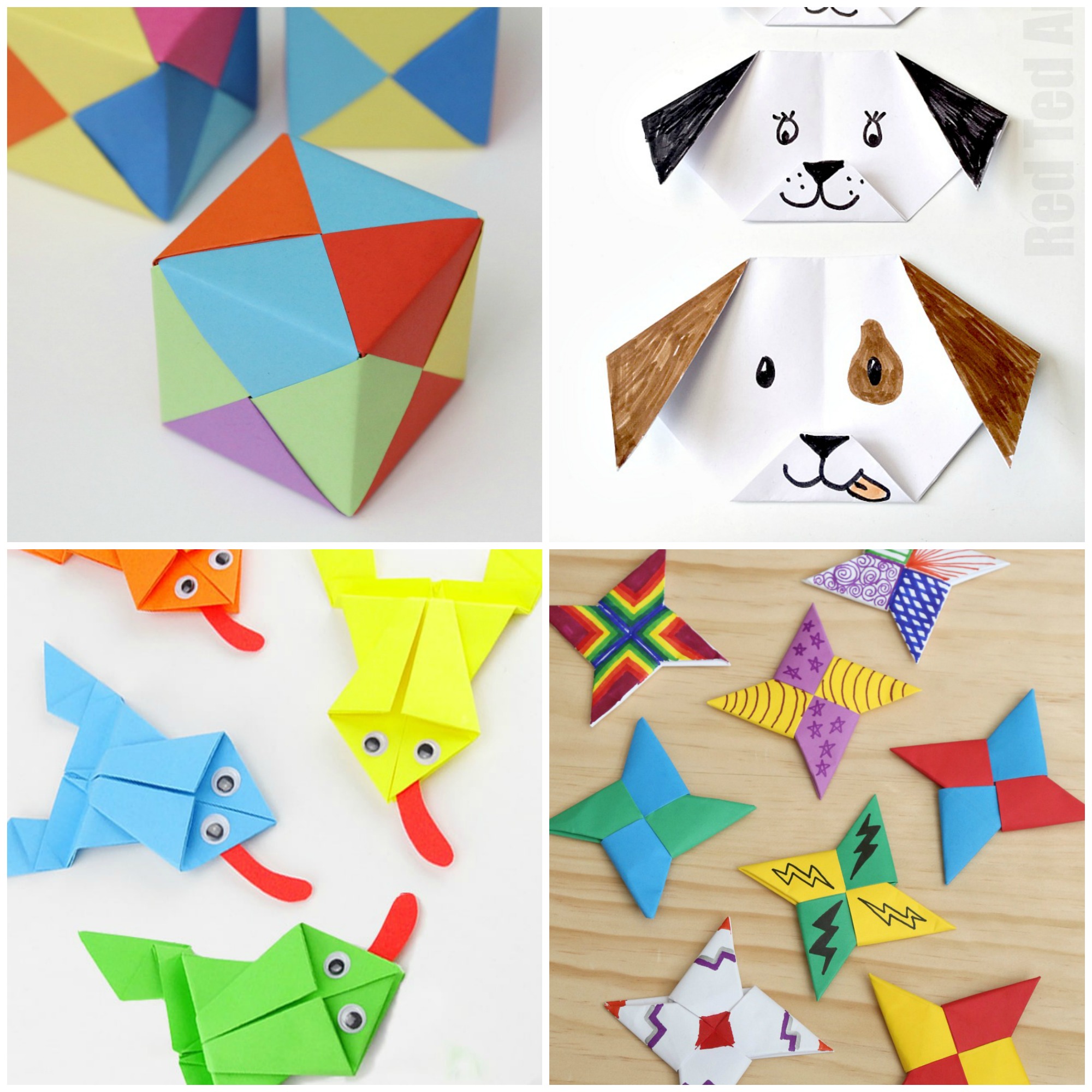
Easy paper craft for kindergarten is a fun and simple way to get creative with your little ones, and it's something I've really enjoyed doing with my kids. It's a great activity to keep them entertained and engaged, and it's so satisfying to see their little faces light up with pride when they've made something cool.
So, what is this all about? Well, it's basically a collection of craft ideas that use paper as the main material. These crafts are designed to be accessible and fun for kids, with simple steps and minimal supervision needed. It's a brilliant way to encourage their creativity and fine motor skills, and it's an affordable activity too!
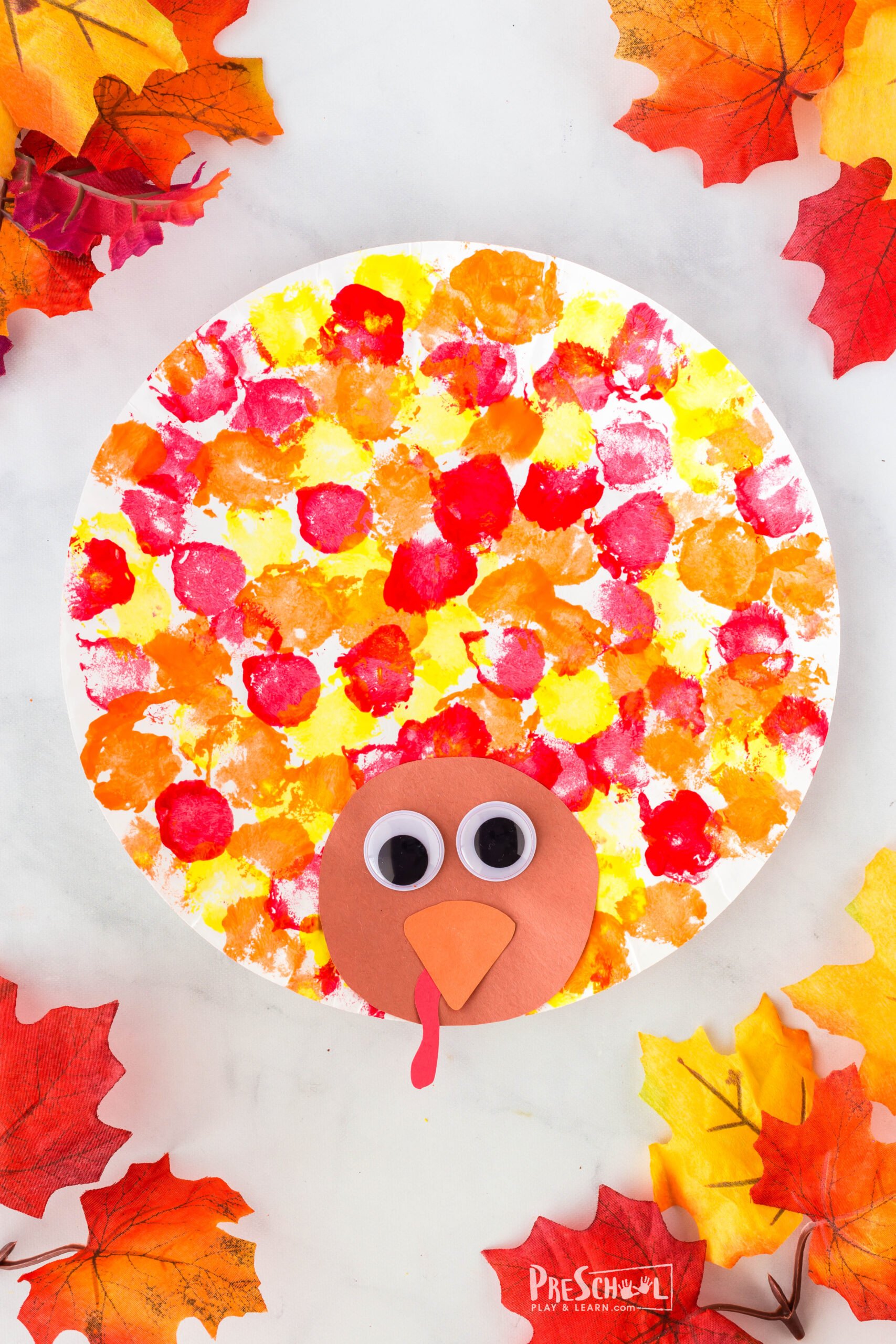
You can find a whole range of ideas online, from the classic paper chain to more intricate pop-up cards. Some ideas are seasonal, like making paper snowflakes for Christmas, while others are more general and can be done anytime. The best part is that these crafts often require very few materials - paper, scissors, glue, and maybe some crayons or markers.
Getting Started
If you're new to this, I'd recommend starting with some basic folding and cutting activities. You can teach them how to make simple shapes like squares and triangles, and then use those to create fun designs. For example, folding a piece of paper into a fan shape is a great way to introduce the concept of symmetry and pattern-making.
Step It Up
Once they've got the hang of the basics, you can introduce more complex crafts. One of my favorites is making paper boats. It's a classic for a reason - it's easy, and kids love seeing their creations float in water! You can also try making paper hats, which is a fun way to encourage imagination and role-play.
The beauty of easy paper craft for kindergarten is that it's so adaptable. You can tailor the difficulty level to your child's age and abilities, and you can often use these crafts as a springboard for other activities. For instance, making a paper doll might lead to a fun dress-up game, or creating a paper city could inspire some imaginative play.
So, why not give it a go? It's a brilliant way to spend some quality time with your kids, and you might just discover a new hobby together!