Kindergarten Worksheets Letter X Overview
Easy paper craft for kindergarten is a fun and simple way to get creative with your little ones, and it's something I've really enjoyed doing with my kids. It's a great activity to keep them entertained and engaged, and it's so satisfying to see their little faces light up with pride when they've made something cool.
So, what is this all about? Well, it's basically a collection of craft ideas that use paper as the main material. These crafts are designed to be accessible and fun for kids, with simple steps and minimal supervision needed. It's a brilliant way to encourage their creativity and fine motor skills, and it's an affordable activity too!
You can find a whole range of ideas online, from the classic paper chain to more intricate pop-up cards. Some ideas are seasonal, like making paper snowflakes for Christmas, while others are more general and can be done anytime. The best part is that these crafts often require very few materials - paper, scissors, glue, and maybe some crayons or markers.
Getting Started
If you're new to this, I'd recommend starting with some basic folding and cutting activities. You can teach them how to make simple shapes like squares and triangles, and then use those to create fun designs. For example, folding a piece of paper into a fan shape is a great way to introduce the concept of symmetry and pattern-making.
Step It Up
Once they've got the hang of the basics, you can introduce more complex crafts. One of my favorites is making paper boats. It's a classic for a reason - it's easy, and kids love seeing their creations float in water! You can also try making paper hats, which is a fun way to encourage imagination and role-play.
The beauty of easy paper craft for kindergarten is that it's so adaptable. You can tailor the difficulty level to your child's age and abilities, and you can often use these crafts as a springboard for other activities. For instance, making a paper doll might lead to a fun dress-up game, or creating a paper city could inspire some imaginative play.
So, why not give it a go? It's a brilliant way to spend some quality time with your kids, and you might just discover a new hobby together!
Related: Guest Room Renovation Cost Simple Guide
Guest room renovation cost is something that's been on my mind lately. I've been thinking about sprucing up the spare room and making it a cozy space for guests, but the thought of the potential expenses has me a bit hesitant. So, I decided to do some research and figure out what goes into these costs and how to navigate the renovation process.
Understanding the Costs
When it comes to guest room renovation cost, there are a few key factors that can impact the final price. The size of the room and the extent of the renovation are obvious starters. A simple refresh with new paint and decor will be cheaper than a full gut and redesign. The materials you choose also make a difference. Opting for high-end finishes and fixtures will push the price up, while more affordable options can keep costs down.
Labor costs are another significant factor. If you're handy and can do some of the work yourself, you'll save on hiring contractors. But for more complex tasks, you'll need to bring in professionals, which adds to the overall cost. Don't forget about any permits and inspections required by your local building department. These can vary depending on the scope of your project and may involve additional fees.
Finding the Right Contractor
Hiring a contractor is a crucial step in any renovation project. You want to find a reliable and trustworthy company or individual who can bring your vision to life. Before hiring, check their credentials and ask for references. Speak to past clients to get an idea of their work quality and reliability.
Get multiple quotes to compare prices and services. Make sure each quote is detailed, outlining the scope of work, materials, and any additional costs. A good quote will provide a clear breakdown, so you know exactly what you're paying for. Don't be afraid to ask questions and negotiate. It's your project, and you want to ensure you're getting the best value for your money.
Construction Company Names and Branding
Choosing a name for your construction business is an important branding decision. It should be memorable, reflect your services, and stand out in a crowded market. Keep it simple and easy to remember. Avoid jargon or complicated terms that might confuse potential customers.
Here are a few original name ideas:
- BuildCraft
- HomeCrafters
- ConstructoPros
- RenovaPros
- BuildMastery
- Fix-It-All
Remember to check the availability of your chosen name and secure the relevant domain and local registrations to protect your brand.
Jobs and Opportunities
The construction industry offers a range of roles, from general contractors and estimators to project managers and specialized tradespeople. Salaries can vary depending on experience, qualifications, and the specific role. Many construction jobs are advertised through online job boards and industry-specific websites.
If you're interested in a career in construction, it's worth exploring the various roles and the skills and qualifications required. The industry offers a hands-on, rewarding career path with opportunities for growth and development.
Tools and Resources
When it comes to guest room renovation cost, tools like RSMeans can be useful. This cost database provides valuable information on construction costs, helping you estimate and plan your project budget. It's a resource used by professionals to ensure accurate pricing and is particularly helpful when comparing quotes.
Large Companies and Industry Insights
The construction industry is diverse, with a range of company sizes and specializations. Larger firms often have the resources to take on bigger projects and may offer a wider range of services. They can provide a one-stop-shop experience, handling everything from design to build.
Smaller companies, on the other hand, may offer more personalized service and a closer working relationship. They can be a great choice for smaller projects or for those who prefer a more hands-on approach.
Final Thoughts
Guest room renovation cost can vary widely, and it's important to do your research and get multiple quotes to ensure you're getting a fair price. Remember, the key is to find a balance between your budget and your vision. With the right planning and the help of professionals, you can create a beautiful guest room that your visitors will love.
Related: What is the UGA Depth Chart?
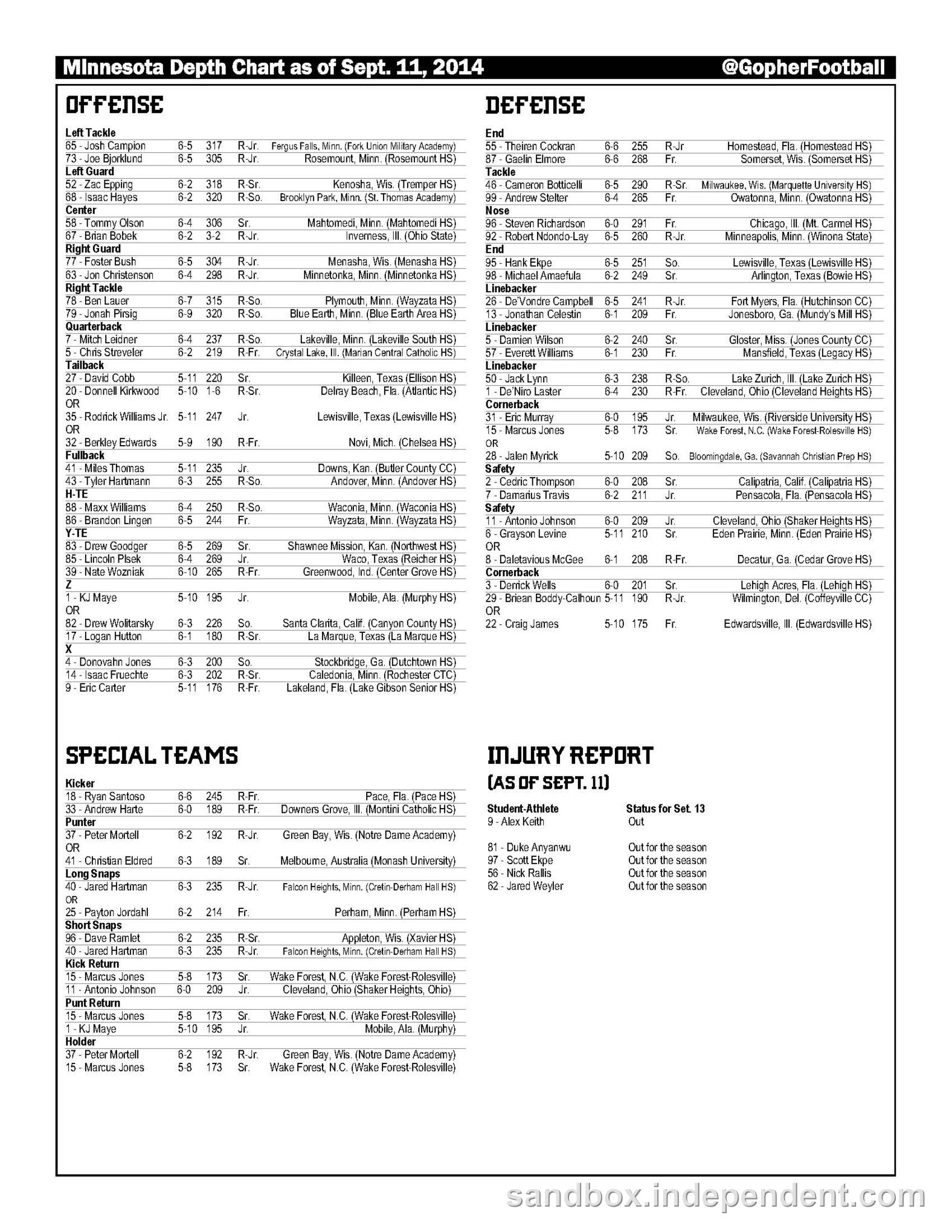
A uga depth chart is a handy tool for any sports fan, especially those passionate about the Georgia Bulldogs. It's a simple yet effective way to visualize the team's lineup and understand player positions. This guide will take you through the basics, covering what you need to know to read and interpret these charts like a pro. From the uga football roster to the starting lineup, we'll explore how these charts can provide valuable insights into the team's strategy and player depth.
What is the UGA Depth Chart?
The UGA depth chart is a valuable tool for fans and analysts of the Georgia Bulldogs football team. It provides a visual representation of the team's roster, showcasing player positions and their depth within the squad. This chart offers a quick reference guide to understand the team's lineup and potential strategies.
Key Details and Categories
When examining a UGA depth chart, you'll notice several columns and rows. The columns typically represent different player positions, such as quarterback, running back, wide receiver, and so on. Each position has a specific role and contributes uniquely to the team's success. The rows, on the other hand, indicate the depth of players within each position. You'll often see the starting players listed first, followed by backups and potential replacements.
Reading and Applying the Chart
Understanding how to read the UGA depth chart is straightforward. Here's a step-by-step guide:
- Identify the Position: Locate the column representing the position you're interested in. For instance, if you want to know about the quarterbacks, find the "QB" column.
- Analyze Depth: Within each position column, players are listed in order of their depth. The top player is usually the starter, followed by backups. Take note of the names and their order.
- Recognize Abbreviations: Sometimes, you might encounter abbreviations or codes next to player names. These could indicate special teams roles or specific skills. For example, "KR" might stand for "kick returner."
- Study Player Rankings: The depth chart often provides a ranking or evaluation of players within their positions. This can help you understand the team's hierarchy and potential playing time.
- Consider Flexibility: Keep in mind that coaches may adjust the lineup based on game plans and opponent strategies. The depth chart offers a snapshot, but actual game-time decisions can vary.
Variations and Differences
While the UGA depth chart follows a standard format, variations can occur due to several factors:
- Player Injuries: Injuries can impact the depth chart significantly. A starter's absence might push a backup into the starting role, affecting the entire lineup.
- Game Strategy: Coaches may adjust the depth chart based on the opponent's strengths and weaknesses. Certain players might be moved up or down to counter specific tactics.
- Position Flexibility: Some players are versatile and can play multiple positions. This flexibility allows coaches to adapt their lineup based on game flow.
- Development and Growth: As the season progresses, players may improve or regress. This can lead to changes in the depth chart as coaches assess performance.
Common Mistakes and How to Avoid Them
When interpreting a UGA depth chart, it's important to avoid these common pitfalls:
- Overlooking Abbreviations: Take the time to understand the abbreviations used. Misinterpreting these codes can lead to incorrect assumptions about player roles.
- Assuming Starting Lineup: While the depth chart lists starters first, remember that coaches may make last-minute changes. Always check the official game-time lineup for the most accurate information.
- Ignoring Depth: Depth charts provide a hierarchical view of the team. Don't focus solely on starters; understanding the entire depth can give you insights into the team's overall strength.
- Neglecting Player Movement: Players can be moved between positions or even traded. Stay updated with the latest news to ensure your analysis is accurate.
Practical Tips for Accurate Results
To make the most of the UGA depth chart, consider these practical tips:
- Regular Updates: Depth charts can change frequently, especially during the season. Stay tuned to official sources for the latest updates.
- Compare with Previous Years: Analyzing historical depth charts can provide context and help you understand player progression and team dynamics.
- Combine with Other Resources: Use the depth chart as a starting point, but also refer to player statistics, game analysis, and expert opinions for a comprehensive understanding.
- Consider Player Chemistry: The depth chart focuses on individual roles, but the team's success also relies on player chemistry and cohesion.
Double-Checking and Handling Exceptions
While the UGA depth chart is a valuable tool, it's essential to double-check certain aspects:
- Official Lineup Announcements: Always confirm the official starting lineup before the game. Coaches may make last-minute changes due to injuries or strategic decisions.
- Position Flexibility: Some positions, like wide receivers or defensive backs, may have players who can fill multiple roles. Understand the team's flexibility to predict potential lineup adjustments.
- Injury Reports: Keep an eye on injury reports, as they can impact the depth chart significantly. Injured players might be listed as questionable or out, affecting their availability and depth chart position.
Well, there you have it! A depth chart is a handy tool, but it's important to remember that every situation is unique. So, always take a moment to ensure your specific needs are met and double-check the details for your context.
Consider bookmarking this page for future reference; it might just save you some time and effort down the line. Until next time, happy charting!