





Knife Steel Chart A4 Overview
You're here because you need a straightforward answer, and the firewood btu chart is your go-to resource. It's a simple yet powerful tool, offering a quick glance at the energy content of different woods. This chart is a handy reference, providing values for the heating value of firewood, often measured in btu per cord or pound. With this information, you can make informed choices, ensuring your firewood stack is efficient and effective.
Understanding the Firewood BTU Chart: A Quick Overview
The firewood BTU chart is a valuable tool for anyone using wood as a heat source. It provides a reference guide to the energy content of various firewood types, helping you make informed choices for efficient heating. This chart offers a standardized way to compare the heating value of different woods.
Comparing Firewood Types and Their BTU Ratings
The chart categorizes firewood by species, offering a range of common and less-common woods. Each wood type has a BTU (British Thermal Unit) rating, which indicates the heat energy it can produce. BTUs measure the amount of heat needed to raise the temperature of water by one degree Fahrenheit. The higher the BTU rating, the more heat potential the wood has. For example, hardwoods like oak and maple tend to have higher BTU ratings compared to softwoods like pine.
Step-by-Step Guide to Reading the Firewood BTU Chart
When using the firewood BTU chart, follow these steps:
- Identify the wood species you are using or considering.
- Locate the corresponding BTU rating on the chart.
- Understand the rating in the context of your heating needs. A higher BTU rating means the wood will produce more heat, but it may also burn faster.
- Consider the efficiency of your fireplace or stove. Some appliances are more efficient at extracting heat from the wood, so the BTU rating can be a guide for optimal wood selection.
- If you're buying firewood, use the chart to estimate the energy content of a cord of wood. A cord is a standard measurement for firewood, typically 128 cubic feet.
Avoiding Misreadings and Pitfalls
It's important to note that the firewood BTU chart provides a general guide, and actual heat output can vary. Factors like wood moisture content, density, and the efficiency of your heating appliance can impact the results. Always ensure your wood is properly seasoned (dried) to achieve the best heat output. Additionally, be aware that the BTU ratings on the chart are for green (freshly cut) wood. As wood dries, its energy content can increase, so the actual BTUs may be higher than the chart indicates.
Factors Affecting Accuracy and Real-World Use
Several key factors influence the accuracy of the firewood BTU chart and its application:
- Wood Moisture Content: Freshly cut wood has a higher moisture content, which reduces its energy content. As wood dries, its BTU value increases.
- Wood Density: Denser woods, like oak, have higher BTU ratings due to their compact structure.
- Heating Appliance Efficiency: The efficiency of your fireplace or stove can significantly impact the heat output from the wood.
- Seasoning Time: Properly seasoned wood, typically dried for 6-12 months, burns more efficiently and produces more heat.
- Regional Variations: Different regions may have variations in wood species and growth conditions, which can affect the BTU ratings.
Adapting the Firewood BTU Chart for Specific Needs
The firewood BTU chart is a versatile tool, and you can adapt it to suit your specific heating requirements. If you have a high-efficiency fireplace or stove, you may want to focus on woods with higher BTU ratings for maximum heat output. For traditional fireplaces, a mix of hardwoods and softwoods can provide a balanced burn. If you're unsure about the BTU ratings of local wood species, consult with local firewood suppliers or forestry experts. They can provide valuable insights into the best wood choices for your region.
Well, that's a wrap on our firewood BTU adventure! We've covered a lot of ground, from understanding the chart's purpose to navigating its various components and potential pitfalls.
Remember, while this guide offers a comprehensive overview, your unique circumstances may require further consideration. Always refer to reliable sources and adapt the information to your specific needs. It's a simple step that can make a big difference in your firewood choices and overall experience.
Consider bookmarking this page for future reference. It's a handy tool to have at your fingertips when you need a quick reminder or a deeper dive into the world of firewood BTUs. Until next time, happy (and informed) burning!
Related: A Quick Guide to Ems Charts Login
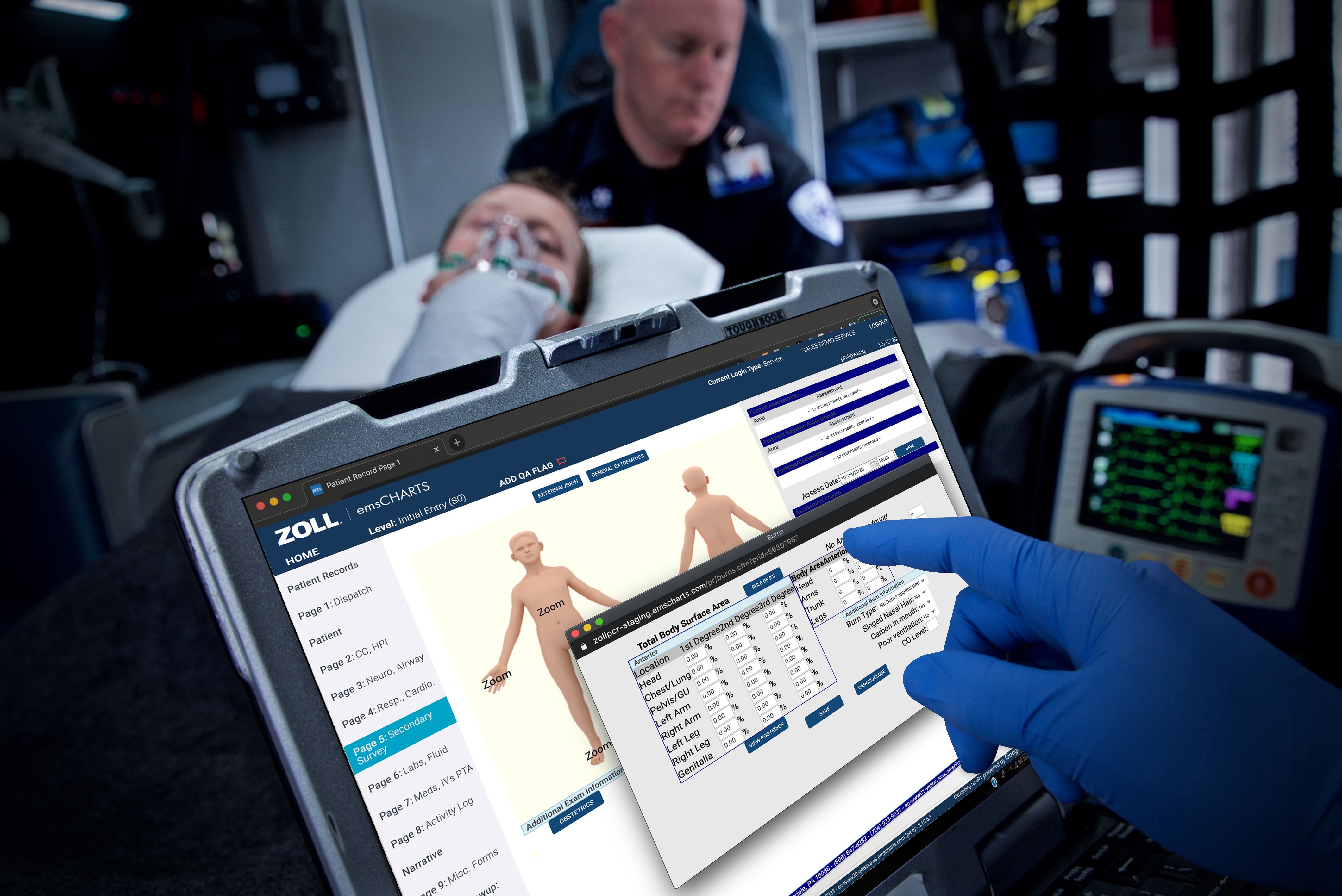
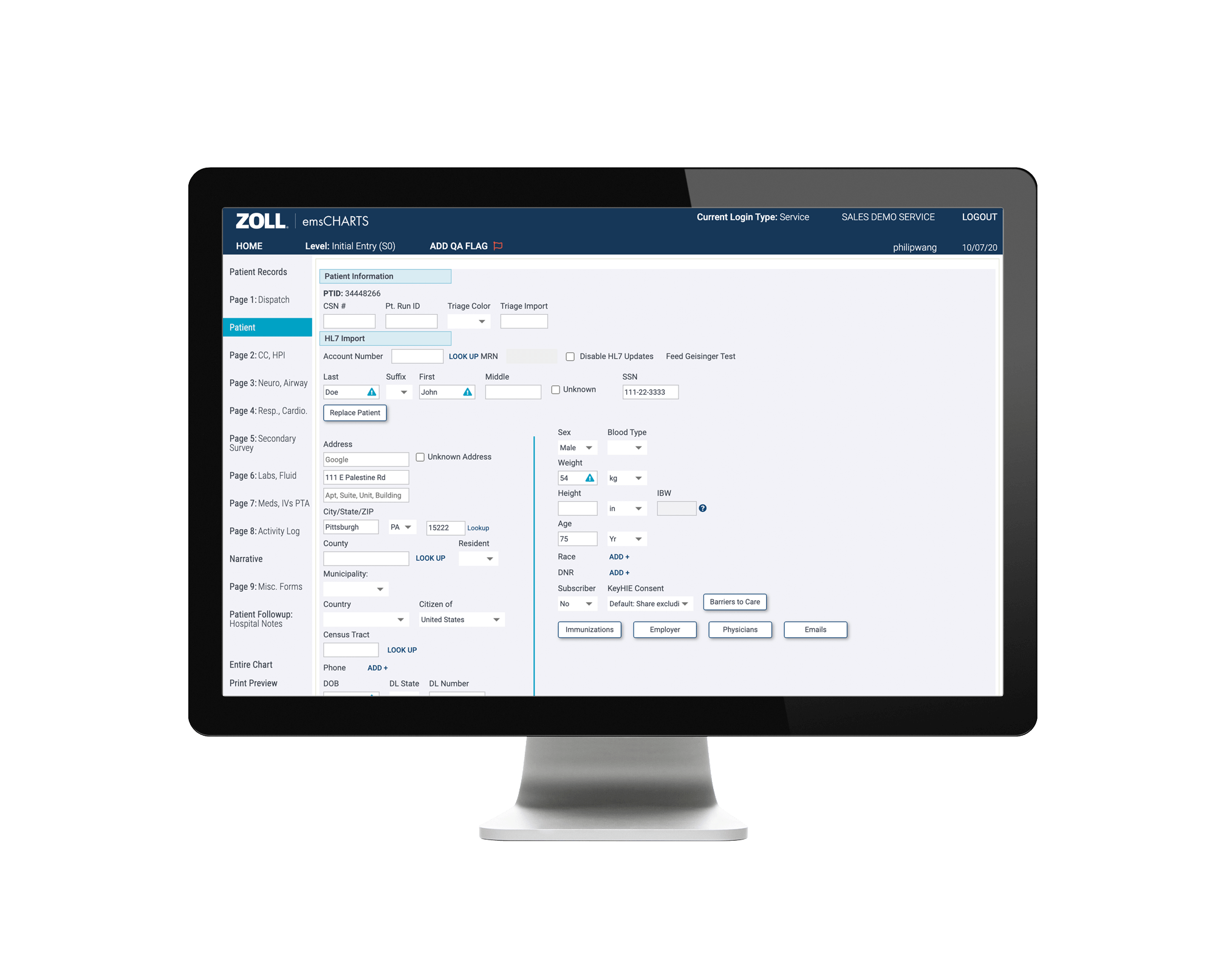
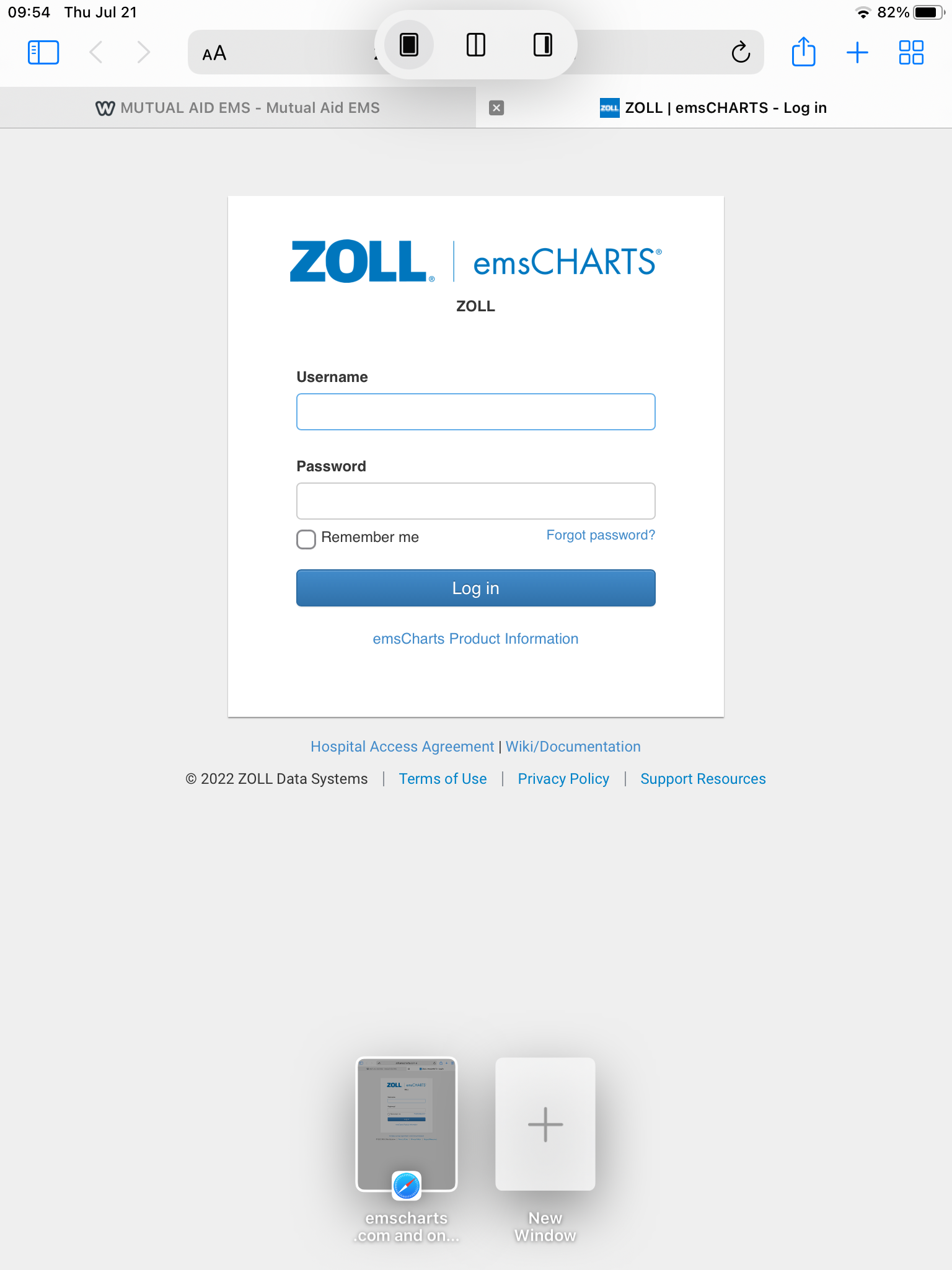
Ems charts login is a handy tool for anyone in the medical field, offering a quick glance at essential emergency procedures. This guide will take you through the basics, ensuring you know how to access and interpret these charts effectively.
The charts provide a visual overview of emergency protocols, offering a simple and fast reference for medical responders. While the specific values and formats may vary depending on your region or organization, the ems charts login system ensures a standardized approach, making it a reliable and accessible resource.
Understanding EMS Charts Login
EMS charts login is a valuable tool for emergency medical services personnel, providing a quick reference guide to various emergency procedures and treatment protocols. This chart is designed to offer key information at a glance, aiding rapid decision-making during critical situations.
Key Details and Prerequisites
The EMS charts login typically includes a range of categories and symbols, each representing a specific action or response. These categories may cover areas such as patient assessment, vital signs, medication administration, and emergency equipment usage. The chart often uses standardized symbols and colors to ensure easy interpretation. For instance, a red cross might indicate a critical action, while a green symbol could represent a less urgent step.
Interpreting the Data: A Step-by-Step Guide
- Begin by identifying the primary issue or symptom for which you require guidance. This could be a medical condition, an injury, or an environmental factor affecting the patient.
- Locate the relevant section on the chart. EMS charts login are often organized by body systems or common emergency scenarios.
- Follow the flow of the chart, reading the instructions and taking note of any specific actions or medications required. Pay attention to any special symbols or notes that provide additional context.
- Ensure you understand the recommended course of action before proceeding. If in doubt, consult a more detailed reference or seek guidance from a senior medical professional.
- Act upon the instructions, ensuring you follow any specific timing or dosage requirements.
Variations and Differences
It's important to note that EMS charts login may vary depending on the specific standard or protocol being followed. Different regions and organizations may have slightly different approaches to emergency response, so it's crucial to be aware of any local variations. Additionally, the chart's design and content might evolve over time as medical knowledge and practices advance. Always refer to the most up-to-date version of the chart for accurate and reliable information. While EMS charts login provides a comprehensive overview, it is not a substitute for thorough training and medical expertise. It serves as a valuable tool to support decision-making, but individual judgment and clinical skills are essential in emergency situations.
So, there you have it! A simple and practical guide to navigating EMS charts. Remember, these charts are a handy tool, but it's always wise to double-check the specific details and standards relevant to your situation.
Consider bookmarking this page for future reference; it might just save you some time and effort the next time you need a quick refresh on EMS charts. Happy charting!
Related: Need a shirt size chart? Find your perfect fit!
You're probably here because you need a quick fix, a simple solution to finding your perfect shirt size. And what better tool than a shirt size chart? It's a handy reference, a map to navigate the world of clothing sizes, and it's right at your fingertips. These charts offer a straightforward way to ensure you get the right fit, and they can vary slightly depending on the brand or region, so it's always good to have a reliable guide.
Shirt Size Chart: A Practical Guide
A shirt size chart is a handy reference tool that helps you find the perfect fit for your shirts. It provides a standardized way to determine your size based on key body measurements. These charts are essential for online shopping or when you need to order custom-made shirts.
Key Details and Categories
The shirt size chart typically includes measurements for chest circumference, waist circumference, and sometimes arm length. These measurements are usually given in inches or centimeters, depending on the standard being used. The chart also provides a range of sizes, often in small increments, to ensure a precise fit. For example, a chart might offer sizes from XS to 5XL, with each size representing a specific measurement range.
Step-by-Step Guide: Reading and Using the Chart
Follow these steps to accurately determine your shirt size using a size chart:
Measure your chest circumference at the fullest part of your chest, keeping the measuring tape parallel to the floor. This measurement is crucial for finding the right fit.
Locate your chest measurement on the chart. The chart will guide you to the corresponding size, often with a range of measurements for each size. For instance, a size Medium might fit chest circumferences between 38 and 40 inches.
If the chart provides waist circumference measurements, repeat the process for your waist. This measurement ensures a comfortable fit around your midsection.
Compare your measurements to the size chart's ranges. Choose the size that aligns most closely with your measurements. If your measurements fall between two sizes, consider factors like your preferred fit (more relaxed or snug) and the fabric's stretchability.
For more precise fitting, some charts may include arm length measurements. Measure your arm length from the base of your neck to your wrist. Match this measurement to the chart's arm length column to ensure a perfect sleeve length.
Understanding Variations and Differences
It's important to note that shirt size charts can vary depending on the brand, manufacturer, or even the specific style of shirt. Some brands may have slightly different measurement standards or size increments. Additionally, the intended fit of the shirt (e.g., slim, regular, or relaxed) can impact the size chart. Always check the brand's size guide or any notes about fit to ensure an accurate selection.
Common Mistakes and How to Avoid Them
One common mistake is relying solely on your usual shirt size without considering the specific brand or style. Each brand may have its own unique sizing system, so it's crucial to refer to their size chart. Another mistake is neglecting to measure yourself accurately. Take precise measurements, especially for the chest and waist, to ensure an accurate fit. Avoid guessing or estimating, as this can lead to disappointment with the final product.
Practical Fitting Tips for Accurate Results
To ensure the best fit, consider these tips:
When measuring, stand naturally and relax your arms. Avoid pulling the measuring tape too tight or too loose.
If you're between sizes, choose the larger size for a more comfortable fit, especially if the shirt has a slim or tailored cut.
Pay attention to the fabric and its stretchability. Some fabrics, like cotton blends, have more give, while others, like linen, are more rigid.
Check the brand's size guide for any specific notes or recommendations. They might offer tips for their unique sizing or suggest sizing up or down for certain styles.
Consider the intended use of the shirt. If it's for a formal occasion, you might want a more tailored fit, while casual shirts can allow for a looser fit.
Remember, the shirt size chart is a valuable tool, but it's just a guide. Always prioritize your comfort and personal style when making a final decision.
Well, there you have it! A shirt size chart is a handy tool to ensure you get the perfect fit every time. Remember, while these charts provide a great starting point, exact values can vary, so it's always wise to check the specific guidelines for your chosen brand or standard.
Don't forget to explore our other guides and resources; we've got plenty of practical tips to help you navigate the world of fashion and sizing with ease. Stay tuned for more!