



Lacoste Size Chart Sheet Overview
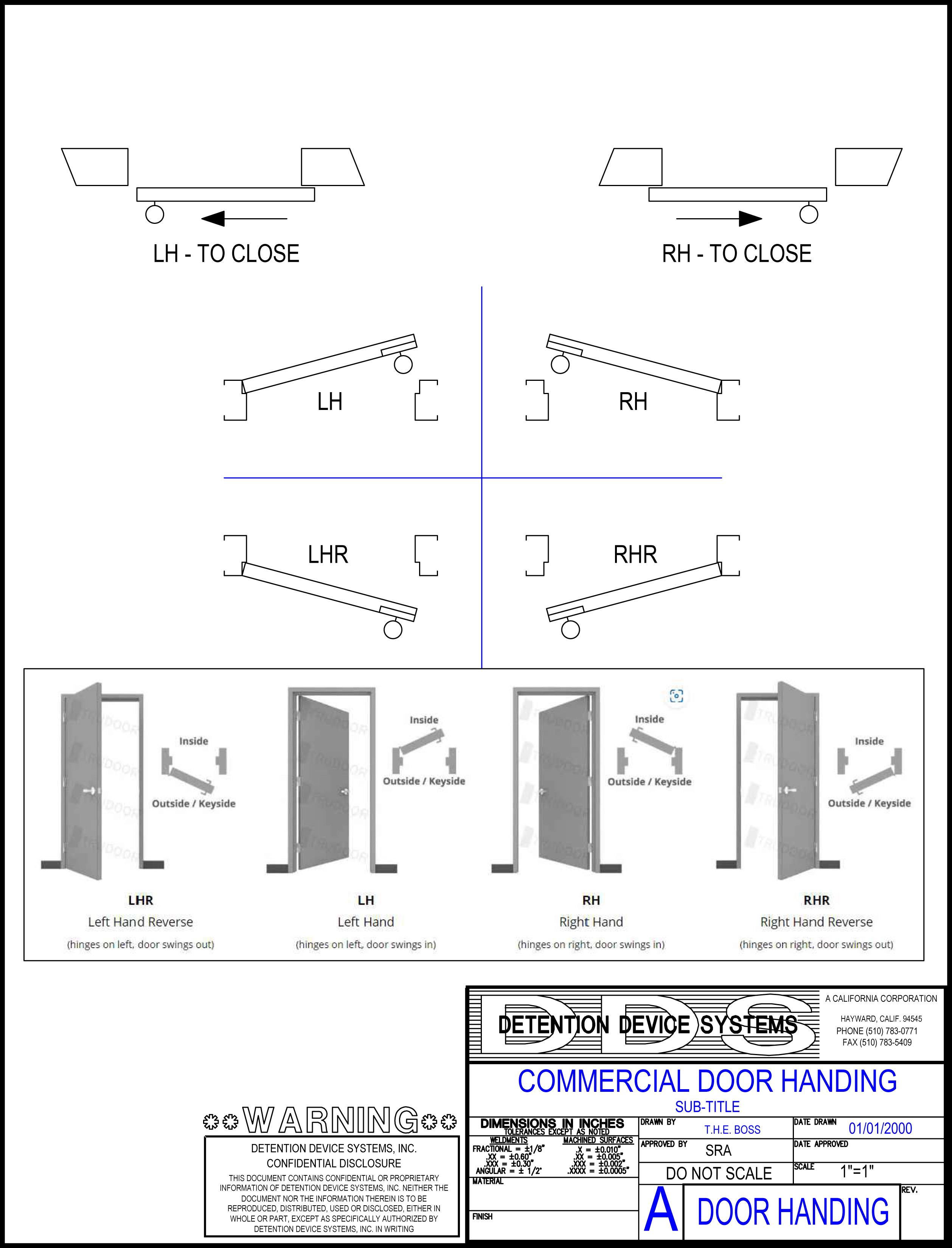
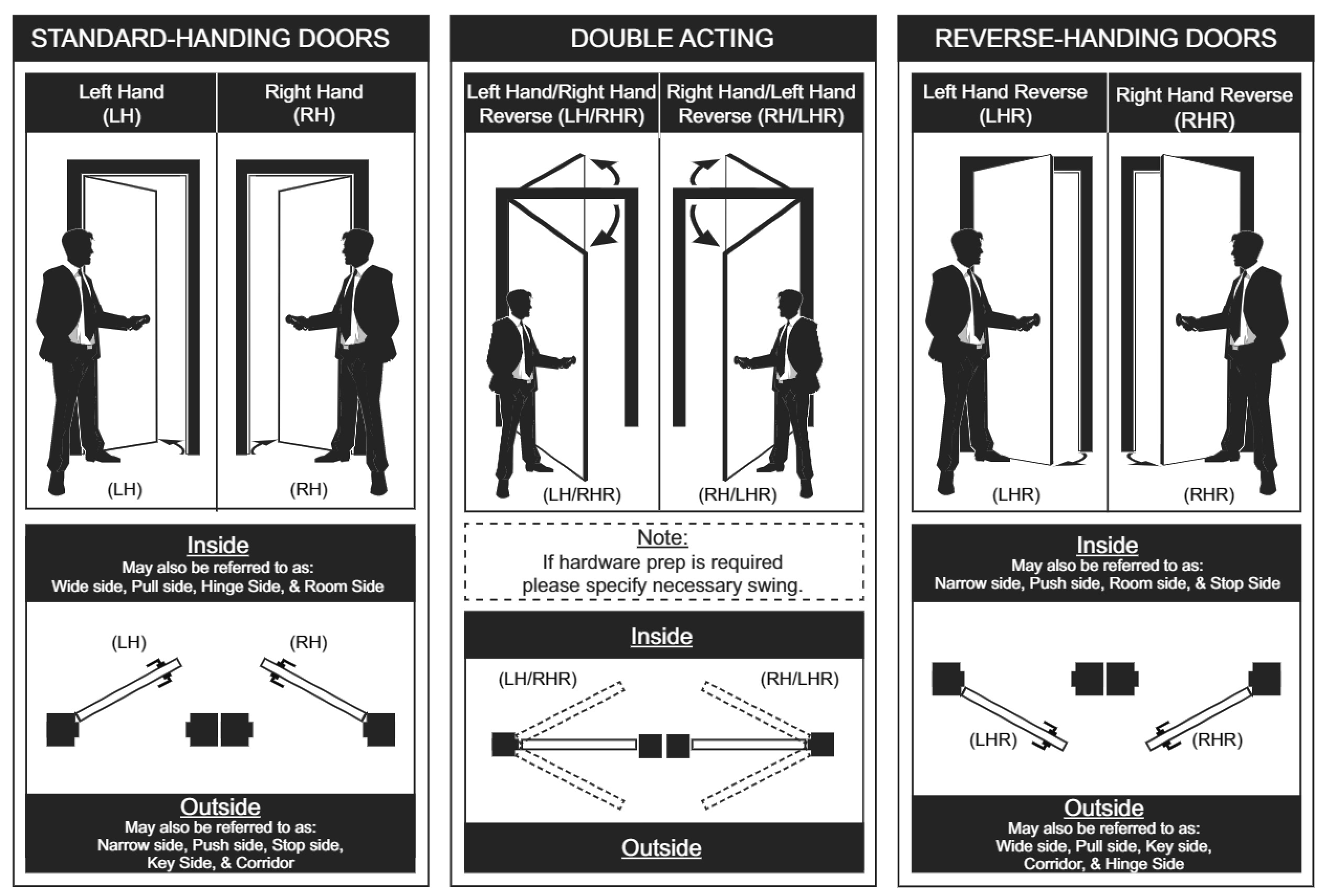
You're probably familiar with the door swing chart; it's a handy reference tool that quickly clarifies door swing direction and related details. This chart is your go-to guide, offering a simple visual representation to ensure you get the door swing direction and hand right. While the values and formats may vary depending on your region and specific context, the door swing chart provides a reliable framework to work from.
Understanding Door Swing: A Practical Overview
The door swing chart is an essential reference tool for anyone involved in construction, interior design, or even DIY projects. It provides a clear visual representation of standard door measurements and their swing directions. This chart is your guide to ensuring proper door installation and functionality.
Comparing Door Swing Directions and Standards
Door swing charts typically categorize doors based on their swing direction, which is determined by the door's hand and hinge direction. The chart presents options for left-swing and right-swing doors, with further specifications for inward or outward openings. These categories are crucial for ensuring doors open and close smoothly and safely.
The standards used in the chart may vary depending on the region and specific building codes. For instance, the door swing direction chart might use different measurements and labels for the US market compared to international standards. It's important to refer to the correct chart for your location to avoid any installation errors.
Step-by-Step Guide to Using the Door Swing Chart
To utilize the door swing chart effectively, follow these simple steps:
- Identify the required door opening direction: inward or outward.
- Determine the door's hand, which indicates the side of the door with the hinges.
- Locate the corresponding category on the chart, considering the door's swing direction and hand.
- Measure and note the standard door dimensions, including the width, height, and thickness, as specified on the chart.
- Ensure you have the correct hardware, such as hinges and handles, suitable for the chosen door swing direction.
Common Misreadings and How to Avoid Them
While the door swing chart is straightforward, there are a few potential pitfalls to be aware of:
- Door swing direction is not always intuitive. Ensure you understand whether the chart refers to the door's swing when viewed from inside or outside the room.
- Variations in standards: Be mindful of the chart's specific standard and region. If you're working with a unique or custom door, double-check the exact specifications to avoid errors.
- Door hand and hinge direction can be easily confused. Take a moment to clarify which side of the door is considered the hand and ensure it aligns with the chart's categories.
Remember, while the door swing chart provides a valuable reference, it's always beneficial to consult with professionals or refer to detailed installation guides for complex projects.
Door swing charts are a handy tool, offering a quick reference guide to help you navigate the world of door specifications. While the exact details may differ slightly, the core principles remain the same, ensuring a consistent and reliable resource.
Feel free to bookmark this page for future use; it's a great way to keep this practical information at your fingertips. And don't forget to explore other guides too; there's always something new to discover and learn!
Related: How to Read the Boston Tide Chart?
If you're seeking a bold and reliable resource for planning your coastal adventures, tide chart Boston has got you covered. This handy tool provides a snapshot of the city's tidal rhythms, offering a quick glance at Boston's tide times, sea level readings, and tidal variations. With a simple glance, you can navigate the ebb and flow of the Boston Harbor's tides, ensuring your plans align with the ocean's rhythm.
Understanding Tide Heights: Boston Tide Chart
The Boston tide chart is a valuable tool for anyone interested in understanding the tidal patterns and sea level readings in the Boston area. It provides a visual representation of the tides, offering insights into the rise and fall of water levels throughout the day. This chart is an essential guide for various activities, from boating and fishing to coastal exploration.
Key Details and Categories
The Boston tide chart typically displays tidal data for a specific location, such as a harbor or a specific point along the Boston coastline. It presents information on two key aspects: the time of day and the corresponding tide height. The time is usually shown in 24-hour format, covering a full day, while the tide height is measured in feet or meters, depending on the standard used. The chart often includes a legend or key to explain the different tide levels, such as high tide, low tide, and slack water.
Reading the Chart: A Step-by-Step Guide
To read the tide chart Boston, follow these steps:
Locate the current time on the chart's timeline. This is typically a horizontal axis, with time intervals marked at regular intervals.
Identify the corresponding tide height for that time. The height is represented by a vertical line or marker on the chart, indicating the water level at that specific moment.
Repeat this process for different times throughout the day to understand the tidal pattern. Note the variations in tide height, especially the highest and lowest points, which indicate high and low tides, respectively.
Consider the tide height in relation to your activity. For example, if you're boating, ensure there's sufficient water depth for navigation during low tide.
Variations and Safety Considerations
While the Boston tide chart provides a reliable guide, it's important to note that tidal patterns can vary due to several factors. Here are some key considerations:
Boston's tidal range measurements can be influenced by weather conditions, such as strong winds or storms, which may cause deviations from the predicted tide heights.
The chart represents average conditions and may not account for extreme events or exceptional circumstances. Always check for weather alerts and marine forecasts for accurate, up-to-date information.
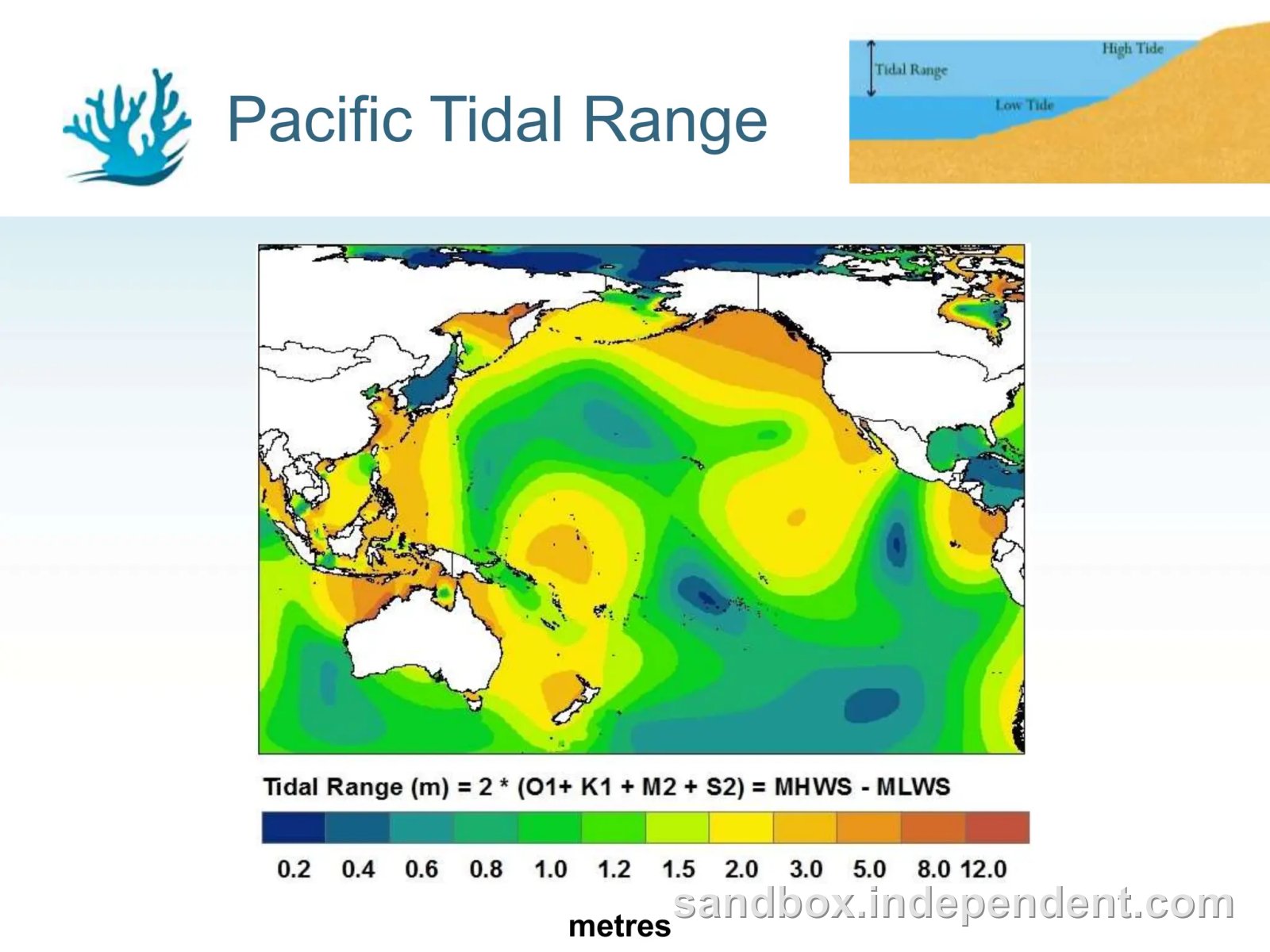
Tidal variations can also occur due to the moon's phase and its gravitational pull. Spring tides, which occur during full and new moon phases, result in higher high tides and lower low tides, while neap tides, during quarter moon phases, lead to less extreme tidal ranges.
Remember, while the tide chart Boston is a practical tool, it's essential to exercise caution and stay informed about real-time conditions for safe coastal activities.
Remember that while these tide charts provide a reliable guide, exact values may differ slightly based on your specific location and the source of your data. It's always a good idea to double-check and stay aware of any local variations.
Feel free to explore our other guides for more practical tips and insights. We've got a whole collection of resources to help you navigate various aspects of your adventures, so dive in and discover more!
Related: A Quick Guide to Lyon Charter Twp: Reference Values
Frustrated by the endless scrolling and unclear charts? You're not alone. Many people seek a quick, reliable reference when dealing with Lyon Charter Twp and its various charts and diagrams. It's a common challenge, and understanding these visuals is crucial for getting things done efficiently.
Whether you're a resident of Lyon Township or just need to navigate the local government's systems, the charts and references can be a real headache. Rest assured, you're not alone in this, and there are ways to simplify the process.
Understanding Lyon Charter Twp: A Practical Guide
Lyon Charter Twp is a unique form of local government, offering a specific set of services and benefits to its residents. This guide will help you navigate the charter township's structure and operations.
Key Details and Categories
The charter township of Lyon operates under a unique legal status, providing a range of services and powers not typically found in standard townships. It's important to understand the key personnel and their roles, as well as the various departments and their functions. The township's administration is headed by a supervisor, who oversees the daily operations and acts as the chief executive. Other key personnel include the clerk, treasurer, and trustees, each with specific responsibilities.
Reading and Applying the Township Chart
The township chart is a visual representation of the Lyon Charter Twp's organizational structure. It outlines the various departments, their functions, and the reporting hierarchy. To read the chart effectively, start by identifying the supervisor at the top, who has overall authority. Below them, you'll find the clerk, treasurer, and trustees, each with their own areas of responsibility. The chart also shows the various departments and their interconnections, helping you understand the flow of information and decision-making.
Variations and Differences
While the charter township of Lyon follows a standard structure, variations can occur due to specific local needs and preferences. Different townships may have slightly different department names or functions, depending on the community's requirements. Additionally, the size and population of a township can influence its organizational structure. Larger townships may have more specialized departments, while smaller ones might combine certain functions. It's important to be aware of these variations when comparing different townships.
Common Mistakes and How to Avoid Them
One common mistake is assuming that all townships operate identically. While there are standard practices, each township has its own unique characteristics. Another pitfall is overlooking the specific roles and responsibilities of key personnel. It's crucial to understand who does what within the township administration to ensure effective engagement and communication. Finally, failing to consider the township's unique services and benefits can lead to missed opportunities for residents.
Practical Tips for Accurate Understanding
When navigating Lyon Charter Twp, take the time to familiarize yourself with the township's website and official documents. These resources provide valuable insights into the township's structure, services, and contact information. Attend township meetings or events to gain a deeper understanding of local issues and engage with community leaders. Building relationships with township staff and officials can also provide valuable insights and assistance.
Double-Checking and Handling Exceptions
While the township chart provides a useful overview, it's important to double-check specific details and exceptions. Certain services or functions may vary depending on the township's unique circumstances. For example, the availability of certain recreational facilities or specialized programs might differ. It's always a good idea to confirm these details with the relevant department or township office to ensure accurate information.
Hey there, we hope this guide has given you a clear understanding of Lyon Charter Twp and its practical applications. Remember, while we've covered the basics, exact details can vary, so always refer to the most relevant and up-to-date sources for your specific needs.
Feel free to explore our other guides; we've got a whole range of topics to help you navigate various concepts and standards. Happy learning, and stay curious!