




Large Monthly Planner 2026 Overview
I was walking through my neighborhood the other day, and I couldn't help but notice all the construction going on. It got me thinking about the largest construction firms in the world and how they operate on such a massive scale. So, I decided to do some research and share my findings with you all!
The Big Picture
When we talk about the largest construction firms in the world, we're referring to the companies that take on some of the most ambitious and complex projects globally. These firms have the resources, expertise, and reach to handle everything from high-rise buildings to major infrastructure developments. They are the go-to for governments, corporations, and even other smaller construction companies when the project is too big to handle alone.
What Makes Them So Large?
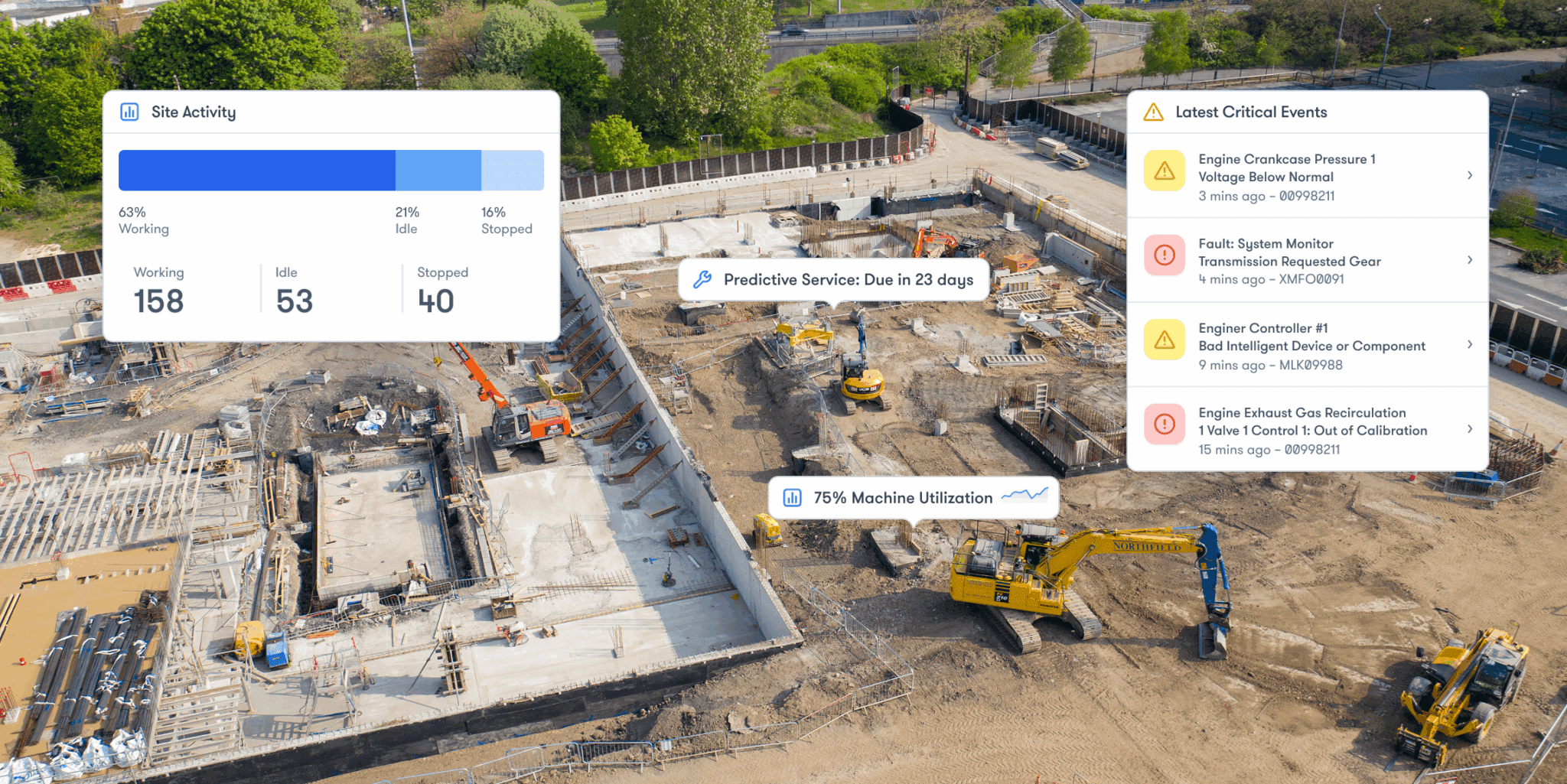
The size and success of these firms often come down to a few key factors. Firstly, they have the financial muscle to take on large-scale projects and the ability to secure funding for these ventures. This financial strength allows them to invest in the latest technology and equipment, ensuring they stay at the forefront of the industry.
Secondly, they have a vast network of skilled professionals and subcontractors. This means they can assemble a team with the right expertise for any project, no matter how specialized the skills required.
Lastly, these firms have a proven track record and a reputation for delivering projects on time and within budget. This reliability is key to securing future work and expanding their portfolio.
Practical Considerations
If you're considering hiring one of these firms for a project, there are a few things to keep in mind. Firstly, ensure you get a detailed, written quote that outlines all costs and potential additional expenses. These firms are often dealing with large-scale projects, so the scope can change, and additional costs may arise.
It's also worth checking their past projects and client testimonials to ensure they have a good track record and a style that aligns with your vision. Don't be afraid to ask for references and speak to previous clients about their experience.
Naming and Branding
The names of these firms often reflect their size and scope. They tend to be straightforward and easy to remember, often incorporating the founder's name or a word that reflects their core business. For example, "Global Construction Co." or "Johnson Builders."
If you're thinking of starting your own construction firm, choosing a name that is unique, memorable, and reflects your business values is essential. Here are a few ideas to get you started:
- BuildTech Solutions
- SkyRise Construction
- Earthworks Group
- Constructo International
- HomeFront Builders
- Urban Development Corp.
Remember to check the availability of the name, domain, and local registration before finalizing your choice.
Wrapping Up
Exploring the world of the largest construction firms is fascinating, and it's a reminder of the scale and impact of the construction industry. These firms are the backbone of many major developments and play a crucial role in shaping our world.
If you're interested in learning more, I'd recommend checking out some of their past projects and the tools they use, like RSMeans, to get a better understanding of the industry. It's a vast and ever-evolving field, and there's always more to discover!
Related: A Simple Guide to Solar Return Chart Reading
A solar return chart is a valuable tool, a snapshot of your astrological year, offering insights and a unique perspective. This guide will navigate you through the basics, ensuring you grasp the fundamentals of reading and interpreting these charts.
The solar return chart, or solar revolution chart, provides a detailed map, varying slightly depending on your region and the astrological tradition you follow. It's an essential resource for chart reading and solar return analysis, offering a fresh perspective on your year ahead.
Understanding the Solar Return Chart: An Overview
The solar return chart is a powerful tool used in astrology to provide insights into a person's upcoming year. It offers a snapshot of the celestial positions at the precise moment of your birth, calculated for the date and location of your solar return anniversary. This chart is like a personalized map, guiding you through the potential themes and challenges of the year ahead.
Comparing Solar Return Chart Formats and Standards
There are two primary methods for calculating a solar return chart: the sidereal solar return and the tropical solar return. The sidereal method uses the actual position of the Sun among the stars, while the tropical method aligns with the seasonal changes. Both methods have their adherents, and the choice often depends on personal preference and the astrological tradition followed.
Step-by-Step Guide to Reading Your Solar Return Chart
To interpret your solar return chart, follow these steps:
Identify the house placements: Each house represents a specific area of life, such as career, relationships, or personal growth. The planets' positions within these houses indicate the focus and potential challenges or opportunities in each life area.
Analyze planet transits: Note the positions of the planets in your solar return chart compared to your natal chart. These transits highlight areas of life where you may experience significant growth, challenges, or transformations.
Interpret the aspects: Aspects are the angular relationships between planets. They reveal the dynamic interactions and energies at play. For example, a harmonious aspect like a trine suggests ease and flow, while a challenging aspect like a square indicates potential obstacles and the need for adaptation.
Consider the chart's overall energy: Look at the overall balance of elements (fire, earth, air, water) and modalities (cardinal, fixed, mutable) in your solar return chart. This gives an overview of the predominant energies and themes for the year.
Common Misinterpretations and How to Avoid Them
A common mistake is to focus solely on the negative aspects or transits in a solar return chart. While challenges are part of the journey, it's important to remember that these aspects also offer opportunities for growth and transformation. Balance your interpretation by considering the positive aspects and the potential for personal development.
Factors Affecting the Accuracy of Solar Return Analysis
The accuracy of your solar return chart interpretation depends on several factors:
Location: The chart is calculated for a specific geographic location, so if you travel frequently, your solar return may vary depending on where you spend your birthday.
Time zone: The precise time of your birth is crucial. Even a small variation in the time zone can impact the chart's interpretation.
Personal evolution: As you grow and change, your chart may reflect these shifts. Your interpretation should consider your current life circumstances and personal growth.
Adapting the Solar Return Chart for Specific Needs
The solar return chart can be tailored to specific areas of interest. For example, you can create a focused chart for your career by emphasizing the houses and planets associated with work and professional life. This allows for a more detailed analysis of the opportunities and challenges in that specific realm. Similarly, you can create charts for relationships, health, or creative pursuits, providing a deeper understanding of the year's potential in those areas.
Hey there, fellow explorers! We've covered a lot of ground in this guide, and I hope it's given you a clear path to navigate the world of solar return charts. Remember, the specifics might differ slightly, as each chart has its unique nuances.
Feel free to explore more of our guides; we've got a range of topics to help you on your path to mastering these practical tools. Happy reading and learning!
Related: How to Read a Wheel Torque Chart
You're here, probably with a spanner in hand, searching for that crucial wheel torque chart to ensure your wheels are tightened just right. It's a simple yet essential task, and that's why having a reliable chart is key. This reference guide is your go-to for getting the torque specifications right, whether you're a pro or a DIY enthusiast. The chart provides a quick and easy way to find the right lug nut torque, ensuring your wheels are securely fastened.
What is a Wheel Torque Chart?
A wheel torque chart is a handy reference tool that provides crucial information for properly tightening the lug nuts on your vehicle's wheels. It ensures your wheels are securely fastened, reducing the risk of them coming loose while driving.
Key Details and Categories
The chart displays standard torque specifications for various vehicle makes and models, along with the recommended torque values for their lug nuts. These values are typically measured in foot-pounds (ft-lbs) or newton meters (Nm). It's important to note that the chart is based on specific standards and may vary depending on the region and manufacturer.
Reading and Applying the Chart
To use the wheel torque chart, follow these steps:
- Identify your vehicle's make, model, and year. This information is essential to find the correct torque specifications.
- Locate the recommended torque value for your vehicle's lug nuts on the chart. It will be listed in either ft-lbs or Nm, depending on the standard used.
- Use a torque wrench calibrated to the appropriate unit of measurement to tighten the lug nuts to the specified torque. Ensure the wrench is set to the correct value and is in good working condition.
- Follow a tightening sequence as indicated on the chart or in your vehicle's manual. This ensures even distribution of force and prevents uneven stress on the wheel.
- Double-check the torque by re-measuring after tightening. This step is crucial to ensure the lug nuts are securely fastened to the recommended torque.
Understanding Variations
Variations in wheel torque chart specifications can occur due to several factors:
- Different vehicle makes and models may have unique requirements based on their design and weight distribution.
- Regional standards and guidelines can influence the recommended torque values. For example, the US and metric systems may have slight differences.
- Manufacturer-specific recommendations may vary to accommodate specific vehicle features or components.
- The type of wheel and lug nut material can also impact the torque specifications.
Common Mistakes and How to Avoid Them
When using a wheel torque chart, avoid these common mistakes:
- Failing to identify the correct vehicle specifications can lead to using the wrong torque values. Always refer to the chart for your specific make and model.
- Neglecting to calibrate or check the accuracy of your torque wrench can result in improper tightening. Ensure your wrench is in good condition and calibrated to the correct unit of measurement.
- Not following the recommended tightening sequence can cause uneven stress on the wheel, potentially leading to premature wear or failure.
- Relying solely on the chart without considering other factors, such as wheel and lug nut material, can be risky. Always refer to your vehicle's manual for any additional guidelines or precautions.
Remember, while the wheel torque chart provides valuable guidance, it's essential to double-check the exact specifications and tolerances for your vehicle to ensure optimal safety and performance.
So, there you have it, a quick and easy guide to understanding and using wheel torque charts. These charts are a handy reference tool, but it's always good to remember that the values can vary, so make sure you double-check the specific requirements for your project.
It's a simple process once you know how, and with this guide, you should be able to navigate any wheel torque chart with ease. Consider bookmarking this page for future reference; it might just save you some time and hassle down the line!