





Letter L In Bubble Letters Overview
A cursive abc chart is a valuable tool for anyone wishing to master the art of cursive handwriting. This guide will provide an overview of what these charts offer and how they can improve your penmanship.
The chart is a visual aid, offering a clear and concise reference for the cursive alphabet. It displays the letter formations and connections, allowing users to understand the flow and style of each letter. While there may be variations in certain styles or regional preferences, the cursive abc chart provides a solid foundation for learning and practicing this elegant writing style.
Understanding the Cursive ABC Chart
The cursive abc chart is a valuable tool for mastering cursive handwriting. It serves as a visual guide, providing a reference for the unique forms and connections of each letter in the cursive alphabet. This chart is an essential learning aid, especially for beginners, as it offers a clear overview of the basic strokes and letter formations.
Comparing Cursive Styles and Standards
Cursive writing, much like other writing styles, can vary based on regional standards and personal preferences. While the cursive abc chart typically follows a standard format, it's essential to note that there might be slight variations in letter shapes and connections. For instance, the cursive alphabet used in the United States might differ slightly from that used in the United Kingdom.
Step-by-Step Guide to Using the Chart
To make the most of your cursive abc chart, follow these steps:
- Begin by familiarizing yourself with the chart. Observe the unique shapes and connections of each letter.
- Practice forming the letters, paying attention to the starting and ending points of each stroke.
- Connect the letters to form words, focusing on the natural flow of cursive writing.
- Start with simple words and gradually increase the complexity as you gain confidence.
- Regular practice is key; allocate dedicated time for handwriting exercises.
Common Mistakes and How to Avoid Them
When learning cursive, it's common to encounter challenges. Some letters might be particularly tricky due to their intricate forms. To avoid mistakes, ensure you:
- Pay close attention to the direction and placement of each stroke.
- Practice slowly and deliberately, focusing on accuracy rather than speed.
- Seek guidance from a teacher or use online resources for additional support.
Factors Affecting Accuracy and Real-World Application
The accuracy of your cursive writing depends on various factors, including your handwriting style, practice consistency, and attention to detail. Additionally, the context in which you use cursive writing can influence its application. For instance, formal documents might require a different style or size than personal notes.
Adapting the Chart for Specific Needs
The cursive abc chart is versatile and can be adapted to suit different learning styles and goals. If you're a visual learner, consider using colored pens or markers to highlight specific letters or connections. For a more tactile approach, try tracing the letters with your finger or a stylus on a tablet. Additionally, you can create your own practice sheets based on the chart to focus on specific letters or word formations.
Hey there! I hope this guide has been a helpful resource for you. Remember, when it comes to cursive ABC charts, the specifics can differ slightly based on your unique circumstances.
Feel free to explore other guides on this topic, as well, to find the one that best suits your needs. And don't forget to bookmark this page for future reference; it's always handy to have a quick go-to resource for those moments when you need a refresher on cursive writing.
Related: Uncover Seaside Tide Chart Secrets
Many people assume that a seaside tide chart is a complex, intimidating tool, but it's actually a simple and incredibly useful reference for anyone spending time by the coast. While it may look like a mysterious code at first glance, with its unique symbols and data, the tide chart is a straightforward guide to understanding the ocean's movements. This chart provides essential information, like tide times and the tidal range, which is crucial for coastal navigation and understanding sea level changes.
Understanding Tides: A Seaside Guide
A seaside tide chart is a handy tool for anyone planning coastal activities or simply curious about the ocean's rhythms. It's a visual representation of the tides, showing the predicted water levels at specific times. This guide will help you decipher the chart and understand its practical applications.
Reading Tide Graphs: Standard Formats and Symbols
The tide chart typically displays a graph with time on the horizontal axis and water level on the vertical. You'll see two main categories: high tide and low tide, often marked with distinct colors or symbols. The values represent the height of the tide, usually in feet or meters, depending on the standard used. Some charts may also include additional information like tidal currents or moon phases.
Step-by-Step: Interpreting a Tide Chart
- Start by identifying the time of day you're interested in. This is crucial for coastal navigation and water depth considerations.
- Locate the corresponding point on the graph. The height at that time indicates the tide level.
- Consider the tidal range, which is the difference between high and low tide. This range can vary, so be mindful of the specific location's characteristics.
- If you're planning activities like fishing or boating, ensure you have the necessary equipment for the predicted water depth.
Common Misunderstandings and How to Avoid Them
One common mistake is assuming that tide charts are universally accurate. While they provide valuable predictions, local variations can occur due to factors like weather and geographical features. Always double-check the specific conditions for your location, especially if you're relying on the chart for safety-critical tasks like coastal navigation.
Factors Affecting Accuracy and Real-World Use
Several elements influence the accuracy of a seaside tide chart. Weather conditions, such as strong winds or storms, can cause deviations from the predicted tide times and heights. Additionally, the chart's accuracy may vary depending on the data source and the frequency of updates. It's essential to use the most recent and reliable data for your specific location. Understanding these factors will help you interpret the chart effectively and make informed decisions.
Well, there you have it! A handy guide to understanding and using tide charts like a pro. Remember, these charts are a valuable tool, but it's always wise to check the specific conditions and requirements for your location and activity.
Don't forget to explore our other guides and resources. We've got plenty of practical tips and insights to help you make the most of your seaside adventures. Happy charting, and we hope to see you back here soon!
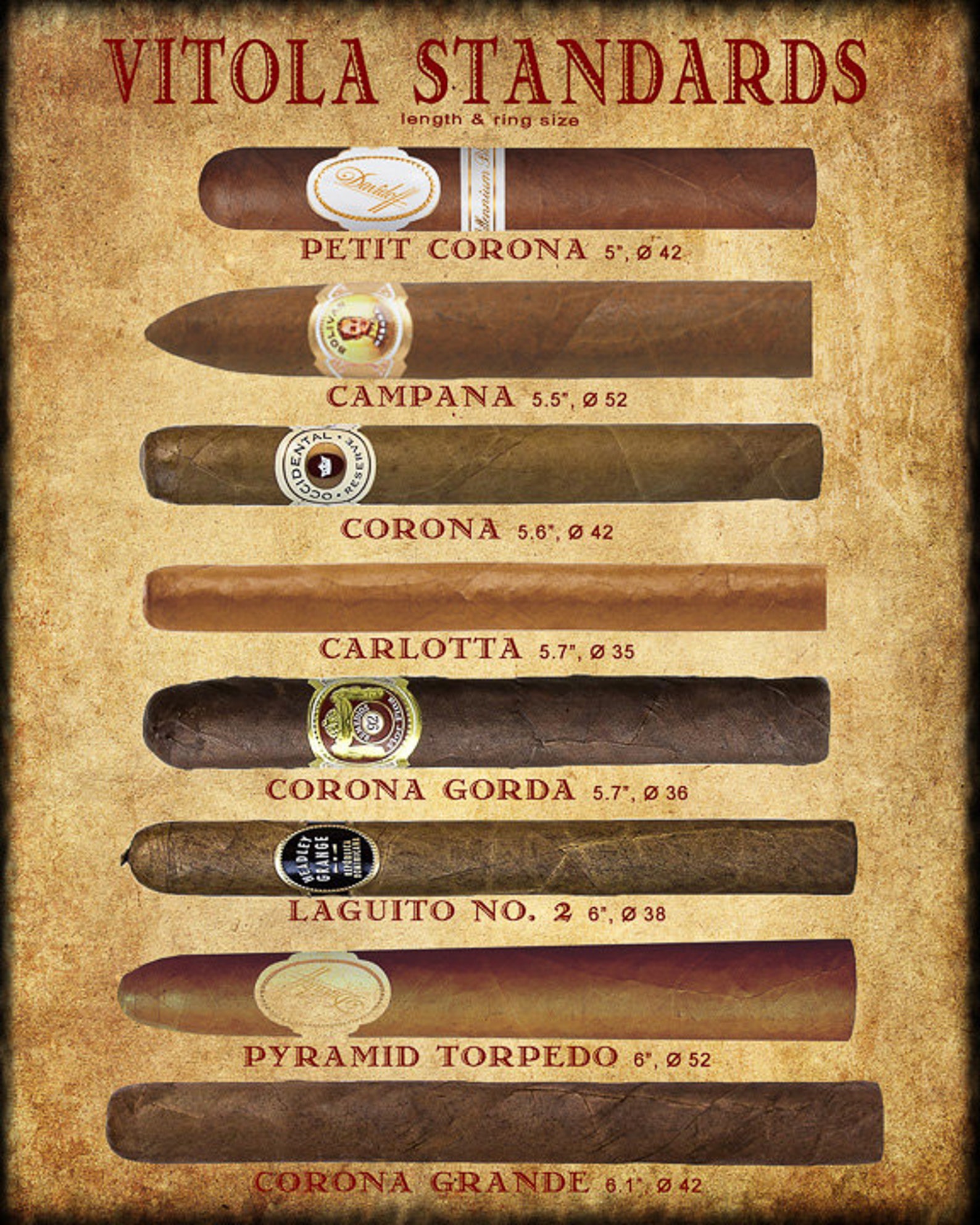
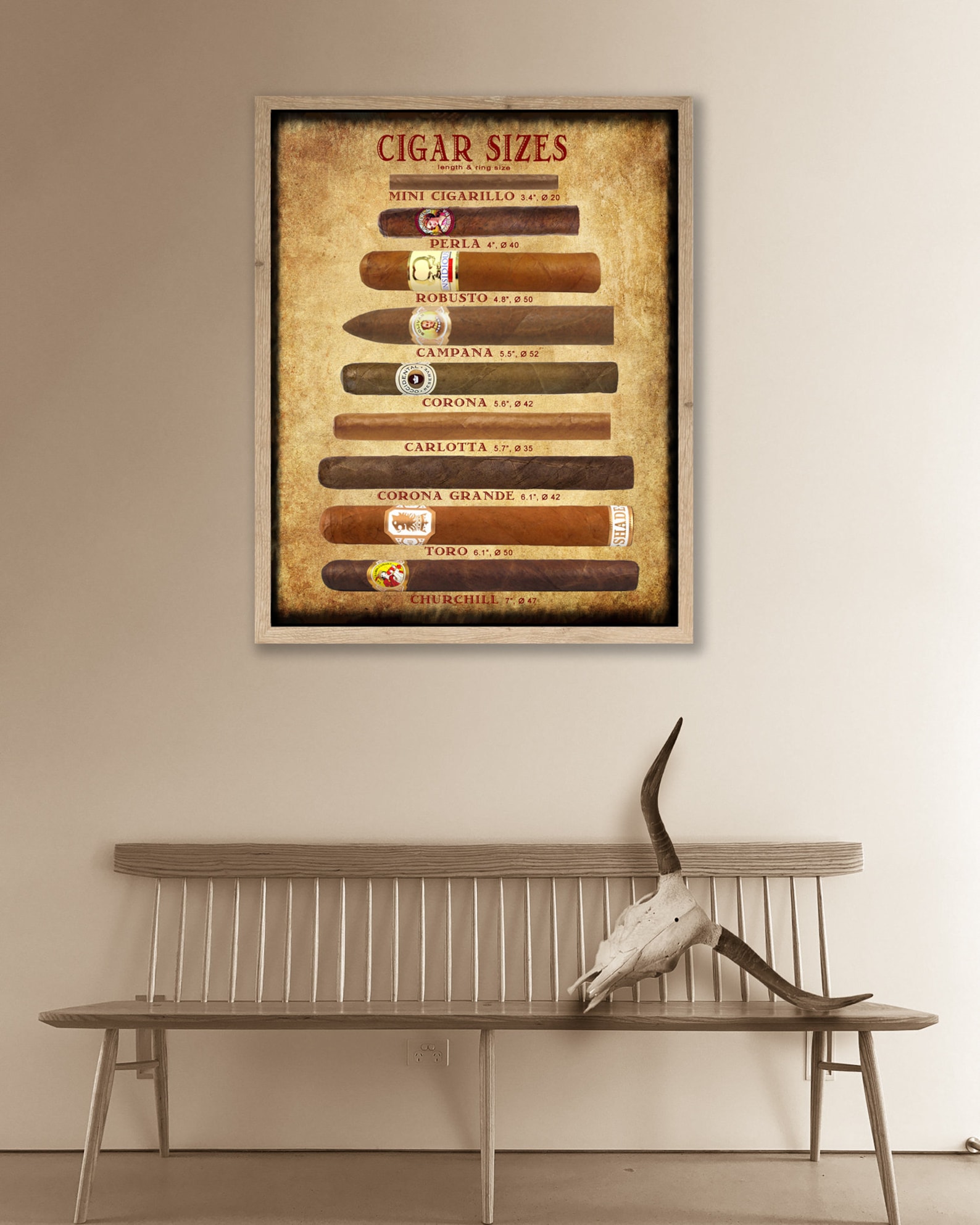
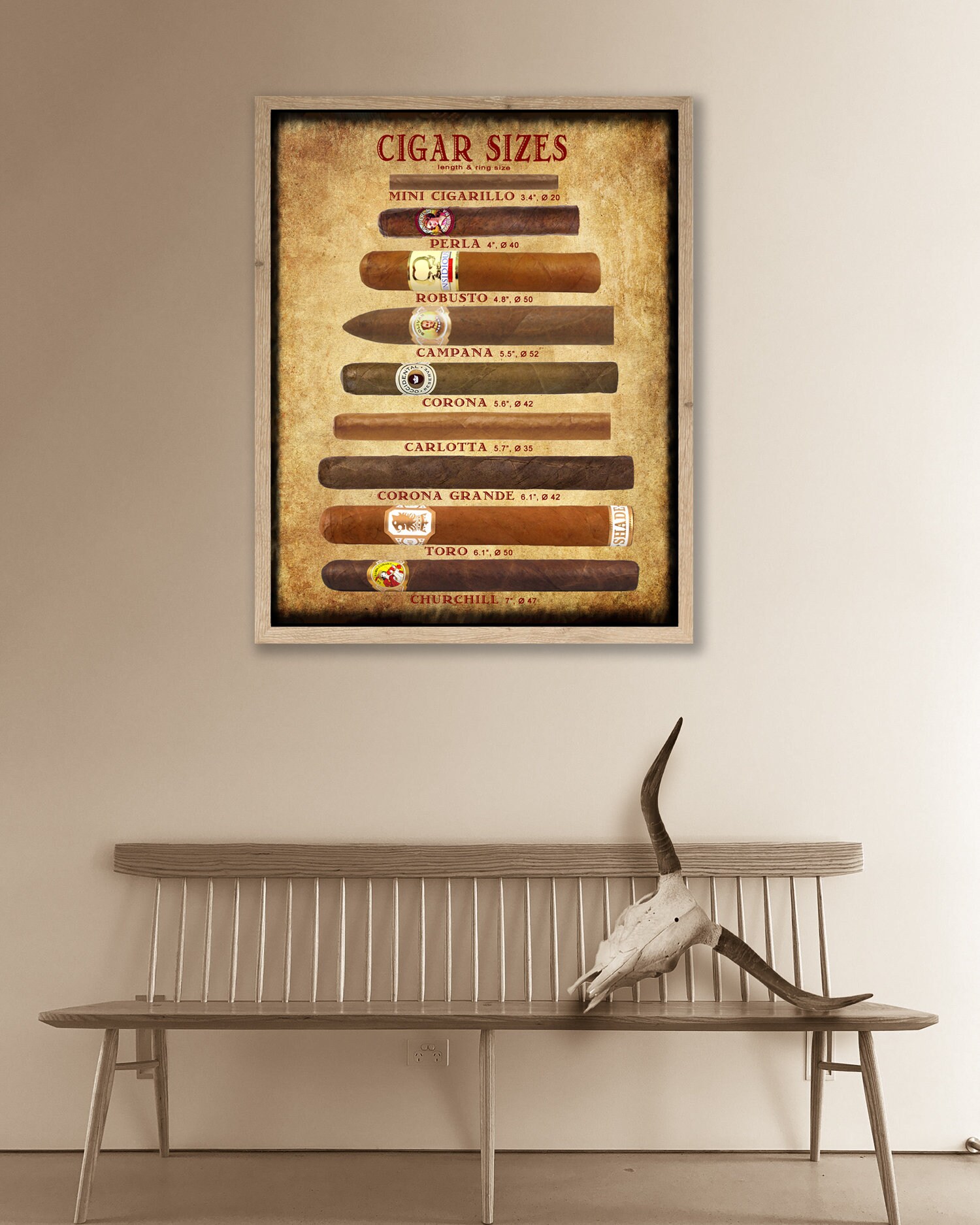
Related: How to Read a Cigar Size Chart?
A cigar size chart is a handy tool for any cigar enthusiast, offering a quick and easy way to understand cigar dimensions. This guide will take you through the basics, covering the essential info you need to read and interpret these charts like a pro.
From cigar ring gauge to length, these charts provide a simple visual reference, ensuring you can identify and choose the right cigar size. While values may vary, the cigar size chart remains a reliable starting point, offering a clear and consistent way to explore the world of cigar sizes.
Understanding Cigar Sizes: A Practical Guide
Cigar size charts are your go-to resource for navigating the world of cigars. They provide a visual representation of the various dimensions and formats cigars come in, helping you make informed choices. These charts typically showcase two key measurements: length and ring gauge. The ring gauge, often referred to as the diameter, is a critical factor in determining a cigar's burn and flavor.
Standard Cigar Dimensions: Comparing Formats
Cigar size charts offer a standardized way to understand cigar sizes. They present a range of common formats, each with its own name and unique dimensions. For instance, a robusto is typically around 5 inches long with a 50 ring gauge, while a toro might measure 6 inches with a 54 ring gauge. These charts provide a quick reference, allowing you to visualize the differences between various cigar sizes.
How to Use a Cigar Size Chart: A Step-by-Step Guide
- Identify the two primary measurements: length and ring gauge. These are usually displayed side by side or in a clear, tabular format.
- Match the length of the cigar you have or are considering with the chart's length column.
- Cross-reference the ring gauge to find the corresponding format. For example, if your cigar is 6 inches long and has a 52 ring gauge, it likely fits the description of a "Churchill."
- Understand the implications: Different sizes impact the smoking experience. Larger cigars may offer a longer, more complex smoke, while smaller ones provide a quicker, more focused flavor profile.
Common Misreadings and How to Avoid Them
One common pitfall is assuming all cigars within a size category are identical. While the ring gauge and length are standardized, other factors like brand, tobacco blend, and construction can vary. These nuances impact the smoking experience, so always consider the cigar's brand and specific details when making comparisons. Additionally, be mindful of regional variations; some countries may use different measurement systems or have unique size names.
Factors Affecting Accuracy and Real-World Use
Several variables can influence the accuracy of a cigar size chart. Firstly, the chart's origin matters; some are designed for specific regions or markets, so ensure you're using one relevant to your location. Secondly, while standardized, there can be slight variations in measurements across different manufacturers. Always check the cigar's packaging or official brand specifications for precise details. Lastly, remember that cigars, especially handmade ones, may have slight imperfections, so the chart serves as a guide rather than an absolute measurement tool.
Well, there you have it! A handy guide to cigar sizes, covering the main options, how to use the chart, and some common pitfalls to avoid. Remember, these measurements can vary slightly, so always double-check if precision is key.
Feel free to explore our other guides for more practical tips and tricks. We've got a whole range of topics to help you navigate the world of cigars and beyond!