Lion King Color Pages Overview
A matrix color chart can be a powerful tool, but many people underestimate its simplicity and end up overthinking its purpose. It's not as complex as it may seem at first glance! This chart is a straightforward visual aid, offering a clear reference for anyone working with colors. Think of it as a colorimetry cheat sheet, providing an easy-to-read guide to the RGB color model and its various shades. While the specific values and formats may vary, the concept remains the same: a color chart guide to help you navigate the world of colors with confidence.
What is the Matrix Color Chart?
The matrix color chart is a reference tool that provides a visual representation of color, helping users identify and match colors accurately. It is a valuable resource for various industries, from design and printing to manufacturing and retail, where precise color matching is essential. This chart offers a standardized way to communicate and understand color, ensuring consistency across different processes and materials.
Key Details and Prerequisites
The matrix color chart typically consists of a grid or matrix, with each cell representing a specific color. The chart uses a combination of numerical values and color swatches to define each color. The numerical values often refer to the RGB color model, which represents colors using red, green, and blue components. For instance, a color might be described as RGB (255, 0, 0), indicating full red, no green, and no blue. Other color models or systems, like CMYK or HEX codes, can also be used, depending on the industry and standard.
How to Read and Apply the Matrix Color Chart
Reading the matrix color chart is straightforward. Each color is assigned a unique position on the chart, and its corresponding numerical value is listed alongside it. To use the chart, you can:
- Identify the color you need to match or specify.
- Locate the color on the chart by either its position or by comparing it to the color swatches.
- Note down the numerical values associated with that color. These values can then be used to communicate the color accurately to others or input them into design software or printing systems.
- For more precise color matching, especially in critical applications, you may also need to consider additional factors like lighting conditions and material properties.
Understanding Common Color Variations
While the matrix color chart provides a standardized reference, color variations can occur due to various factors. Different lighting conditions, such as natural light, fluorescent lighting, or LED lights, can affect how colors appear. Additionally, the material or substrate on which the color is applied can influence its perception. For example, a color may look different on paper compared to fabric or plastic. These variations are why it's essential to consider the context and intended use when matching colors accurately.
Avoiding Common Mistakes
One common mistake is relying solely on the matrix color chart without considering the specific requirements of your project. It's crucial to understand the limitations and potential variations, especially when working with different materials or lighting environments. Another pitfall is neglecting to calibrate your equipment, such as monitors or printers, which can lead to inaccurate color representations. Regular calibration ensures that the colors you see and produce are as close to the intended values as possible.
Practical Tips for Accurate Results
To achieve accurate color matching, consider the following best practices:
- Always work in a controlled lighting environment to minimize variations.
- Calibrate your devices regularly to maintain color accuracy.
- When possible, use color management systems and profiles to ensure consistency across different devices and materials.
- For critical applications, consider investing in professional color measurement tools, such as spectrophotometers, which provide precise color data.
- Stay updated with industry standards and guidelines to ensure your color references are up-to-date and relevant. By following these tips and understanding the nuances of color representation, you can effectively utilize the matrix color chart and achieve consistent, accurate color results in your projects.
Well, there you have it! A matrix color chart is an incredibly useful tool, offering a simple and visual way to navigate the world of color. It's a handy reference guide that can save you time and effort, ensuring you get the right colors every time.
Remember, while this chart provides a great starting point, it's always wise to double-check the specific requirements for your project. Exact values may vary, so it's best to ensure you're using the right standard and context. Consider bookmarking this page for future reference; it's a quick and easy way to refresh your memory when you need it most!
Related: Need a Hair Color Guide? Use Our Simple Chart
Many people approach hair colors charts with a bit of trepidation, assuming they are complex and confusing. But fear not! These charts are your friends and can be incredibly useful tools.
They provide a simple, visual way to understand and choose hair colors. While the specific values and formats may vary, the hair colors chart remains a reliable guide, offering a clear path to achieving your desired hair color. Think of it as a map, leading you to your perfect shade, with the color wheel and hair color levels acting as your compass.
Hair Colors Chart: A Visual Guide to Hair Dye Shades
The hair colors chart is a handy reference tool for anyone looking to experiment with hair dye. It's a visual representation of different hair colors, shades, and tones, helping you choose and understand the various options available. This chart is a great starting point for anyone new to hair coloring or those seeking a specific shade.
Key Details and Categories
The hair color guide typically features a range of colors, organized into sections or families. You'll often find categories like "blonde," "brunette," "red," and "black," with further subdivisions for specific shades. Each color is usually represented by a swatch or a small square, showing the exact shade. Additionally, the chart may include a color wheel or a visual representation of color theory, which helps understand the relationships between colors.
Reading and Applying the Chart
To use the hair colors chart, start by identifying the color family you're interested in. Let's say you're looking for a specific shade of brown. Locate the "brunette" section and explore the various shades within. Each shade will have a unique code or number, which represents the specific formulation of that color. These codes are essential when purchasing hair dye, as they ensure you get the exact shade you want.
Here's a step-by-step guide:
- Identify the color family.
- Locate the specific shade you desire.
- Note the corresponding code or number.
- Use this code when purchasing hair dye to ensure an accurate match.
Variations and Differences
It's important to note that hair color charts may vary depending on the brand or manufacturer. Different companies may use slightly different shades or numbering systems. Additionally, the way hair reacts to dye can vary based on individual hair types and previous coloring treatments. Here are some key factors that can cause variations:
- Tone and depth: Hair color can appear different depending on the natural tone and depth of your hair.
- Previous coloring: If your hair has been dyed before, the new color may interact with the existing dye, resulting in a unique outcome.
- Hair type: The porosity and texture of your hair can affect how it absorbs and holds color.
- Environmental factors: Sun exposure and water quality can impact the longevity and vibrancy of your hair color.
When using a hair color chart, it's always a good idea to consult with a professional stylist, especially if you're aiming for a specific look or have unique hair characteristics. They can guide you towards the best shade and provide tips for achieving and maintaining your desired hair color.
Hey there! So, we've covered a lot of ground with this hair color chart, and I hope it's given you a clear picture of what you need to know. Remember, these charts are a great starting point, but exact details can differ slightly, so it's always good to double-check.
Feel free to explore our other guides; we've got plenty of practical tips and tricks to help you navigate the world of hair care and styling. Happy coloring!
Related: What is the DMC Color Chart All About?
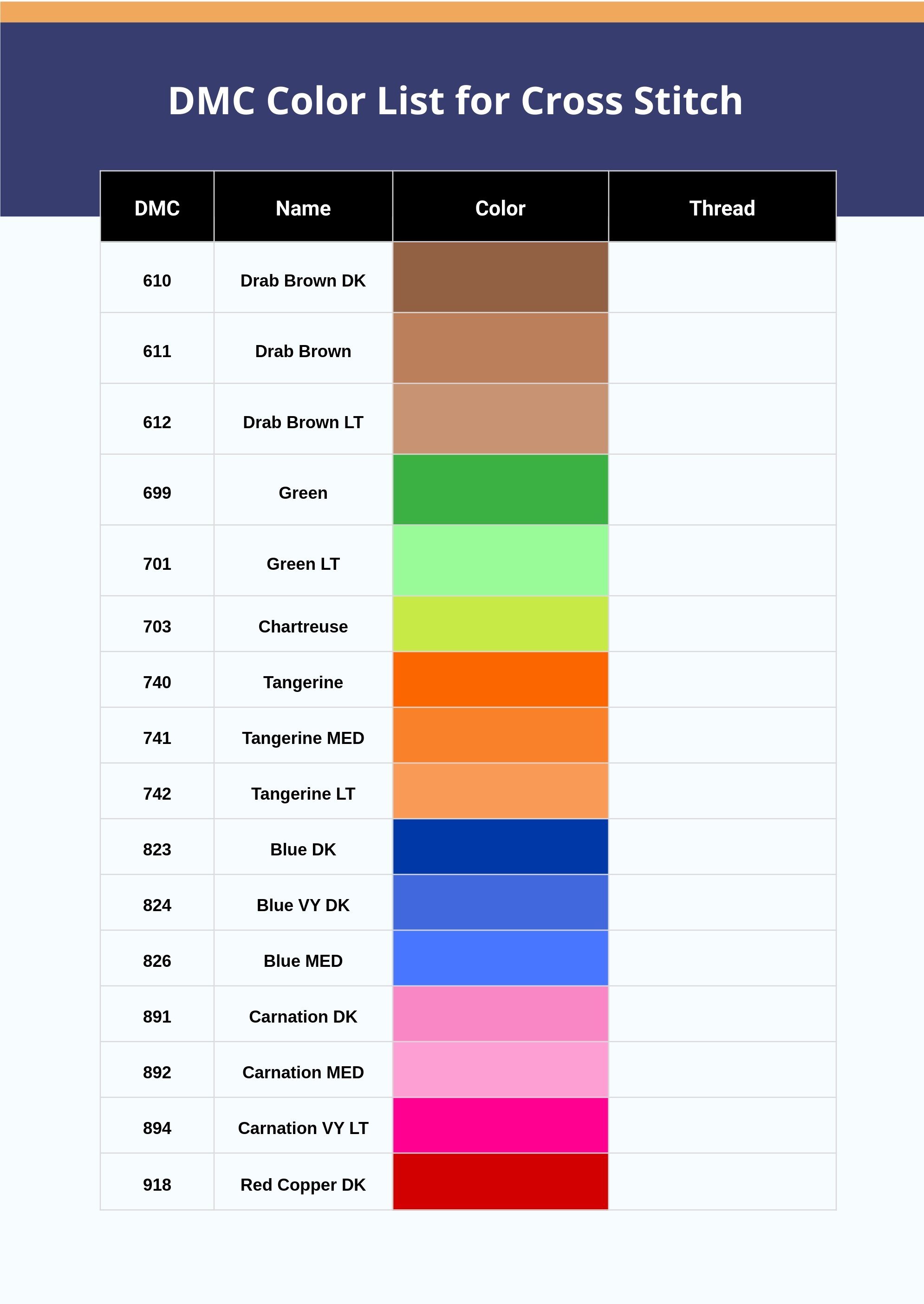
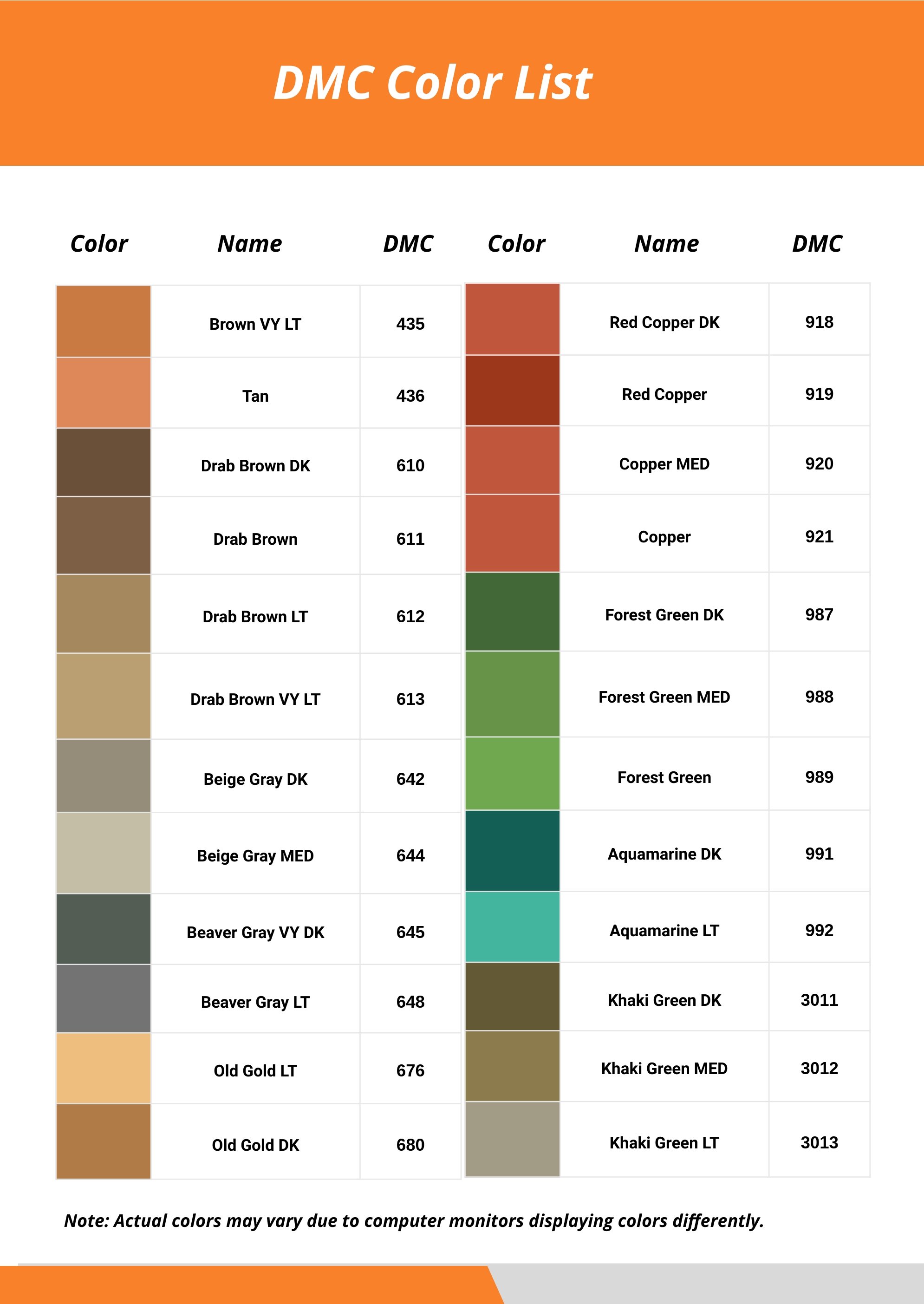
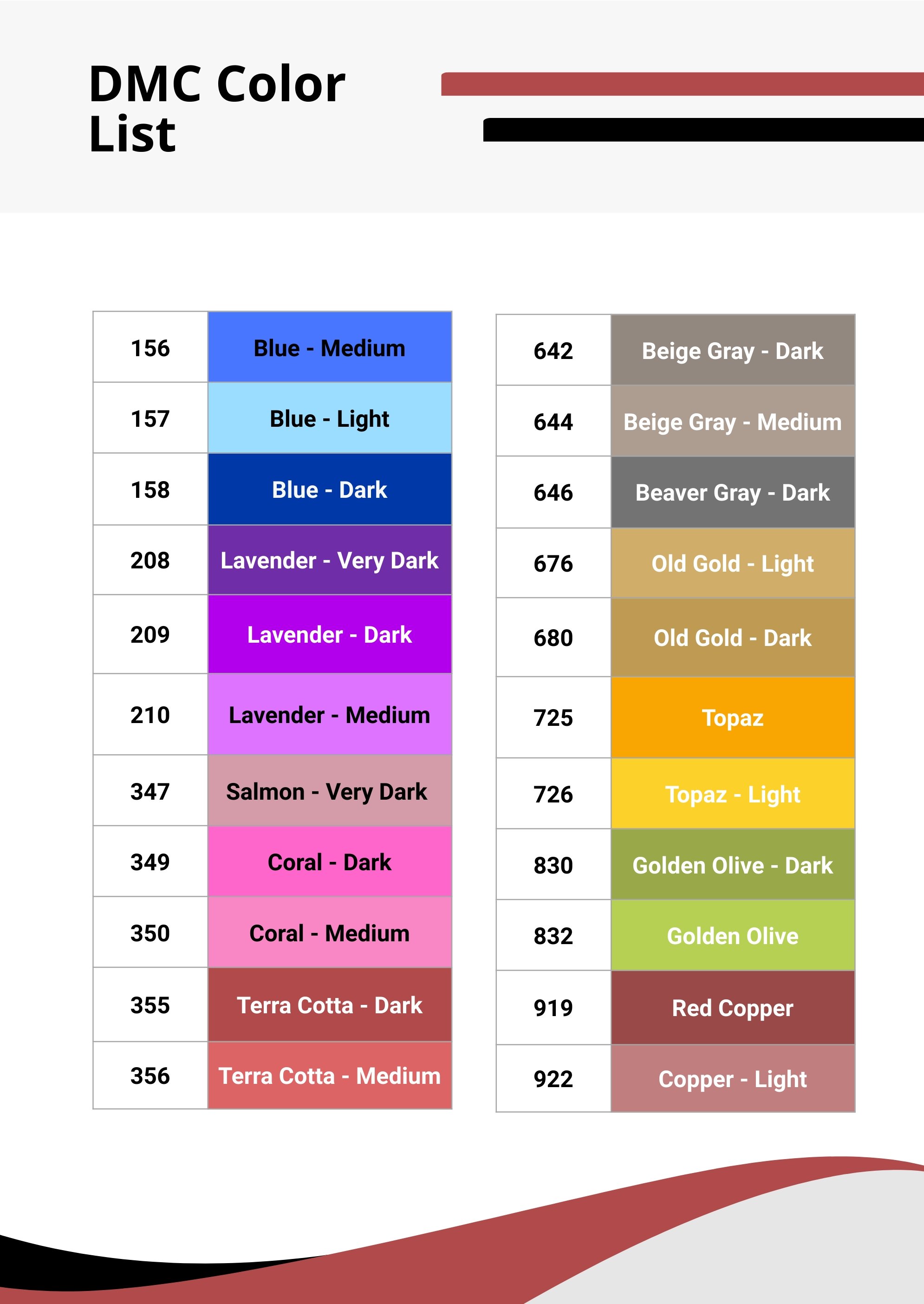
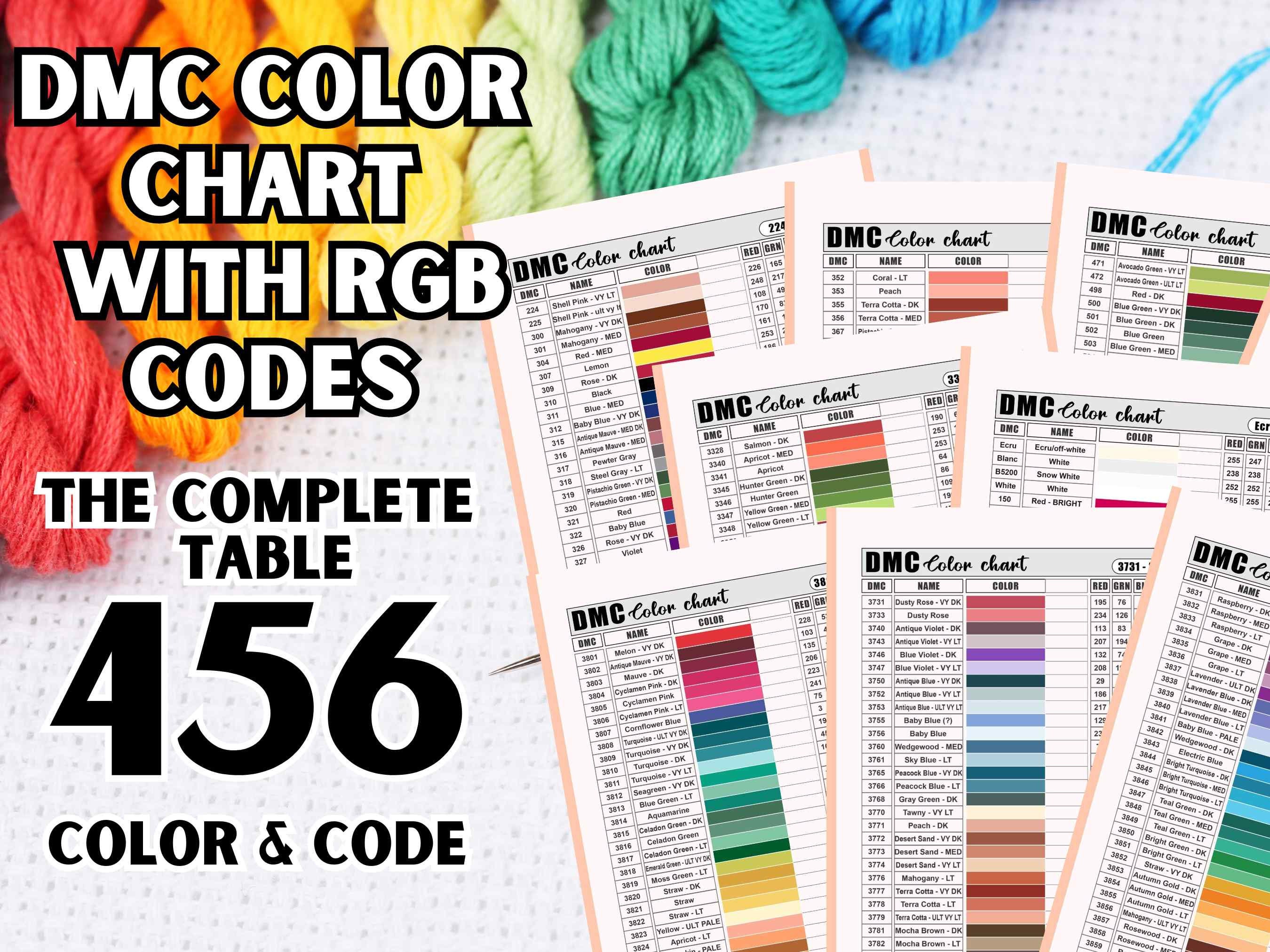
You're likely here because you need a reliable dmc color chart to guide your creative project, be it embroidery, cross-stitch, or another craft. This chart is a crucial tool, offering a clear and organized display of colors, often in the form of a thread or floss color guide. With various formats and standards, it's essential to find the right reference for your specific needs, ensuring an accurate and satisfying result.
Understanding the DMC Color Chart
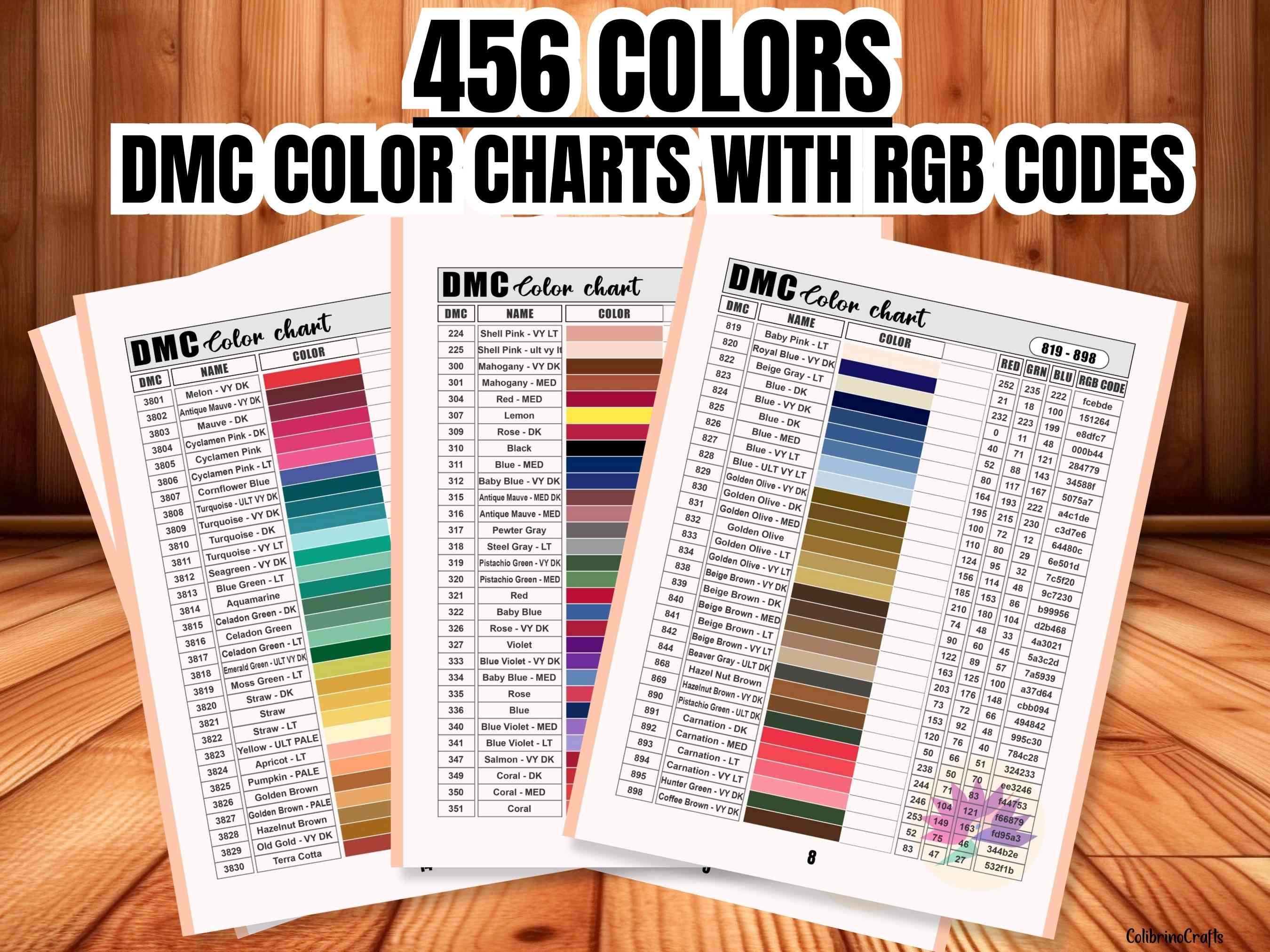
The DMC color chart is an essential tool for embroidery enthusiasts and professionals. It serves as a comprehensive guide to the vast range of DMC thread colors, providing a visual reference and accurate color codes. This chart is your key to unlocking the full potential of DMC embroidery threads.
Comparing Color Standards and Formats
DMC offers a standardized color system, ensuring consistency across their thread range. The chart typically displays a color swatch with its corresponding DMC color code. These codes are unique identifiers, allowing you to easily specify and match colors accurately.
Step-by-Step Guide to Using the DMC Color Chart
- Begin by identifying the color you wish to use. Look for the desired shade on the chart, which is usually organized by color family.
- Once you've located the color, note its DMC color code. This code is essential for referencing and ordering the correct thread.
- Use the chart as a guide when selecting threads for your embroidery projects. It ensures you achieve the intended color scheme and maintain consistency.
Avoiding Common Misreadings
It's important to note that lighting conditions can affect how colors appear. Ensure you view the chart in natural light to get an accurate representation of the shades. Additionally, be mindful of the difference between on-screen colors and physical thread colors, as screens may not always display true-to-life shades.
Factors Affecting Accuracy
Several factors can influence the accuracy of color representation on the DMC color chart. These include the type of paper or fabric used for the swatches, as well as the printing process. It's advisable to cross-reference colors with actual thread samples whenever possible to ensure precise color matching.
Choosing the Right Format
DMC provides various formats of their color chart to cater to different needs. You can opt for a physical color card, which is portable and convenient for on-the-go reference. Alternatively, digital versions are available for easy access on your device. Consider your preferred method of reference and choose the format that suits your embroidery workflow.
Maintaining Reliability for Future Projects
To ensure the longevity and reliability of your DMC color chart, handle it with care. Keep it away from direct sunlight and moisture to prevent fading or damage. Regularly update your chart to the latest version, as DMC may introduce new colors or make adjustments to their color range. By doing so, you'll always have an accurate and up-to-date reference for your embroidery endeavors.
Remember, the specifics of your DMC color chart may differ slightly, so it's always good to refer back to this guide for a quick refresh. Exact values can vary, so it's best to have your trusted reference at hand.
Feel free to bookmark this page for future use, and check out our other guides for more practical tips and insights. We aim to provide clear, concise information, so you can navigate these topics with ease. Happy crafting!