




Lowercase Bubble Letters Alphabet Overview
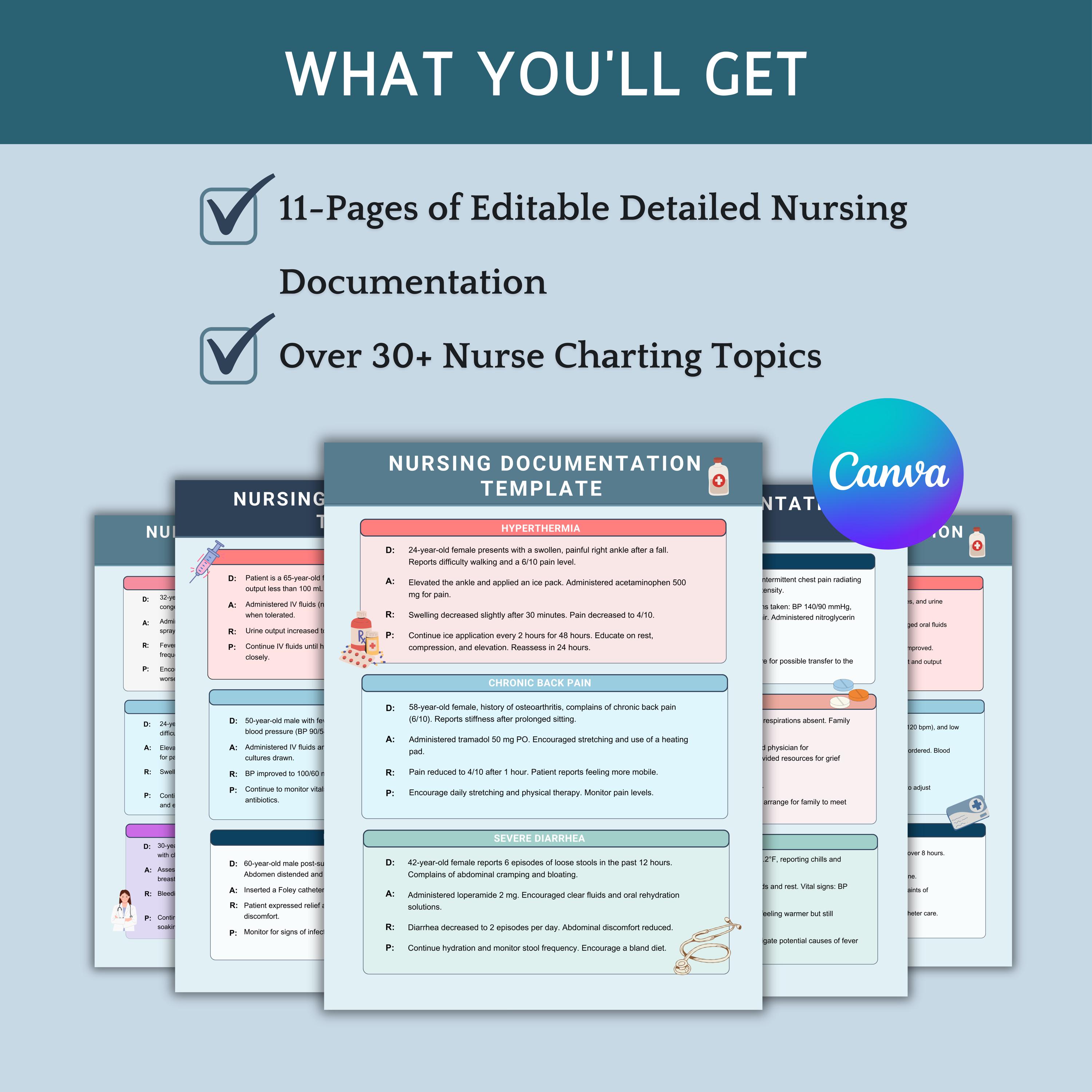
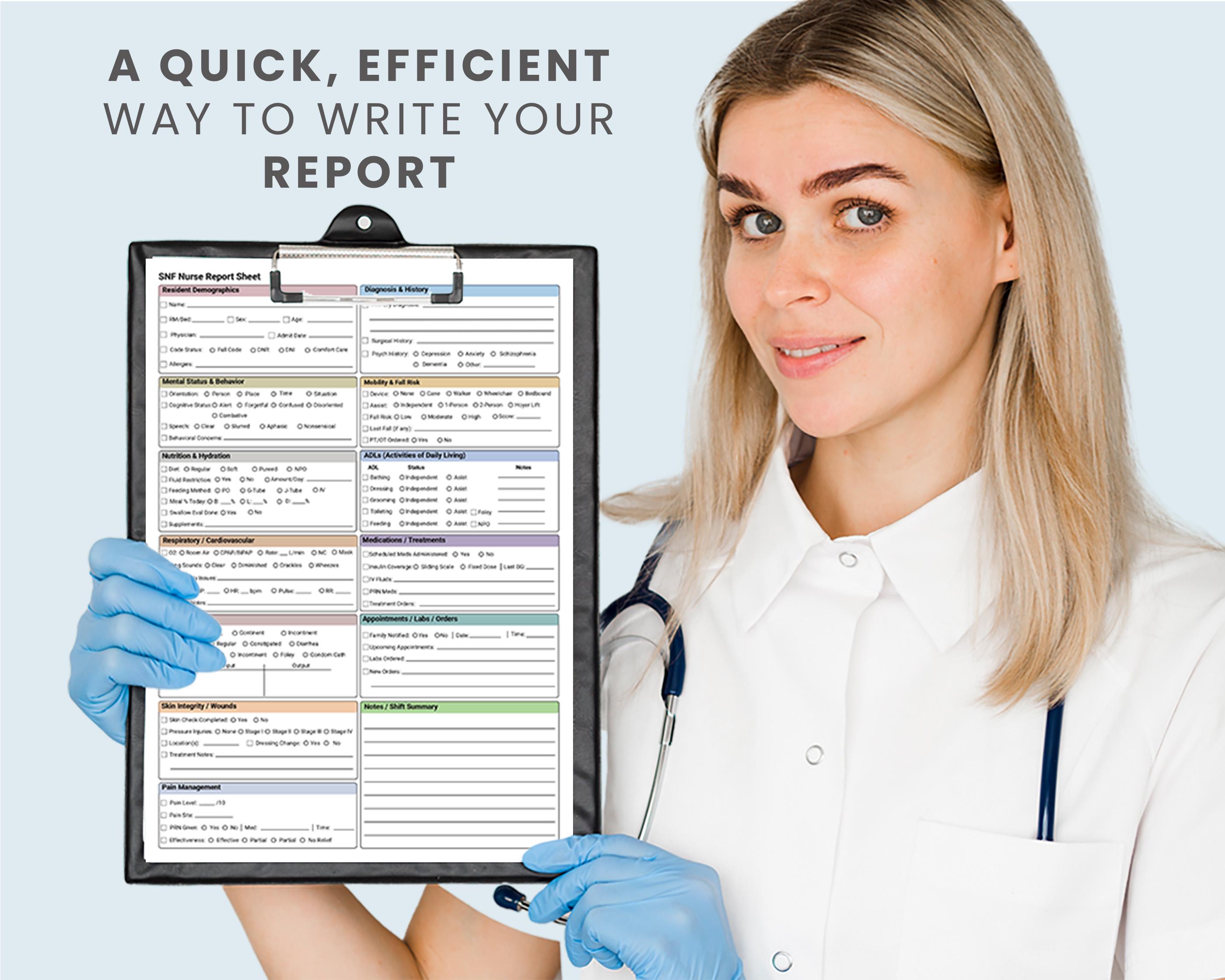
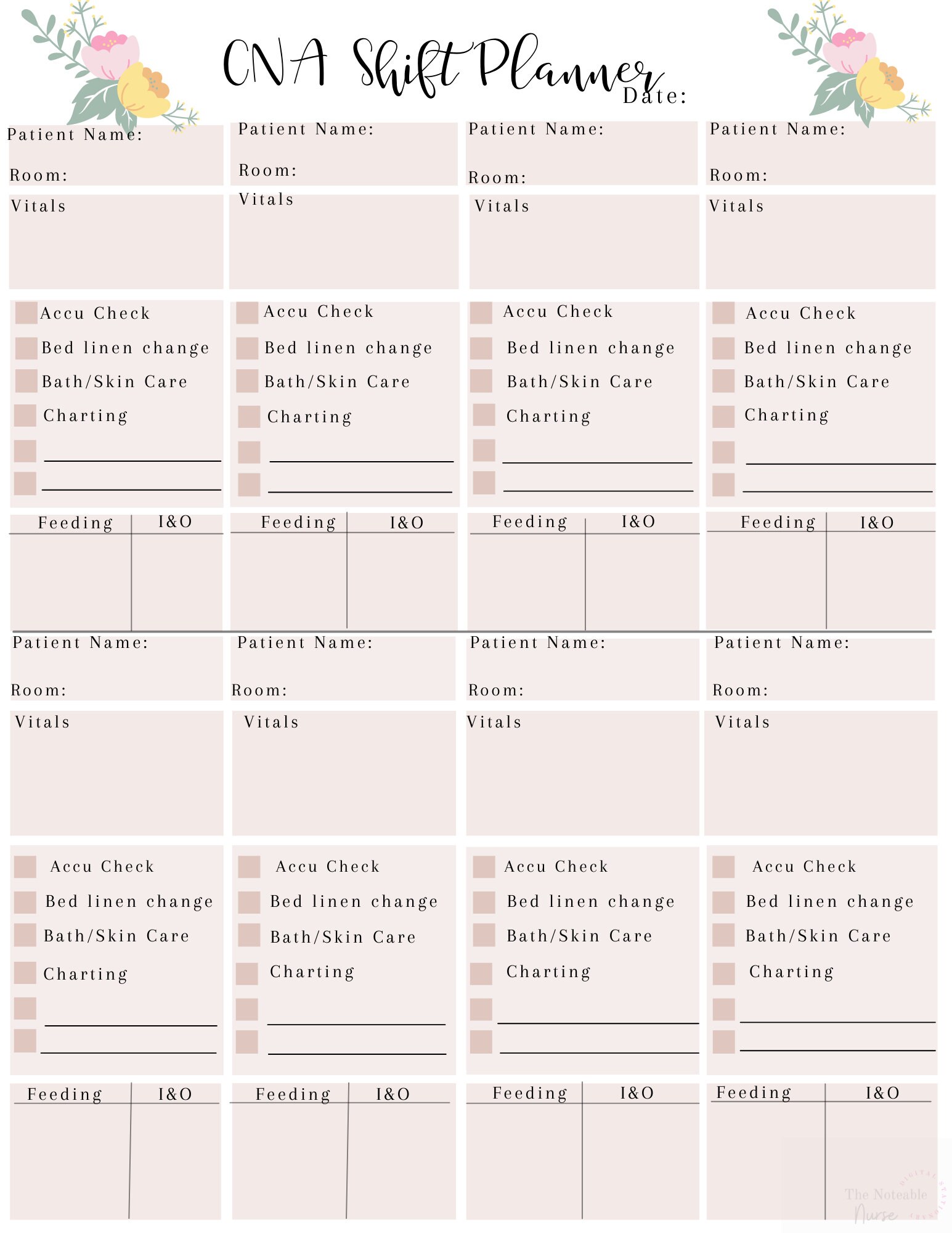
A common misconception about CNA POC charting is that it's a complex and overwhelming task, but it's actually a straightforward and essential practice for healthcare professionals. This type of charting, often referred to as point-of-care documentation, is a vital tool for CNAs and other healthcare providers to record and track patient observations and vital signs efficiently. It's a simple yet powerful way to ensure accurate and timely patient care planning. While the format and specifics may vary, the purpose remains the same: to provide a clear and concise snapshot of a patient's condition.
Understanding CNA POC Charting
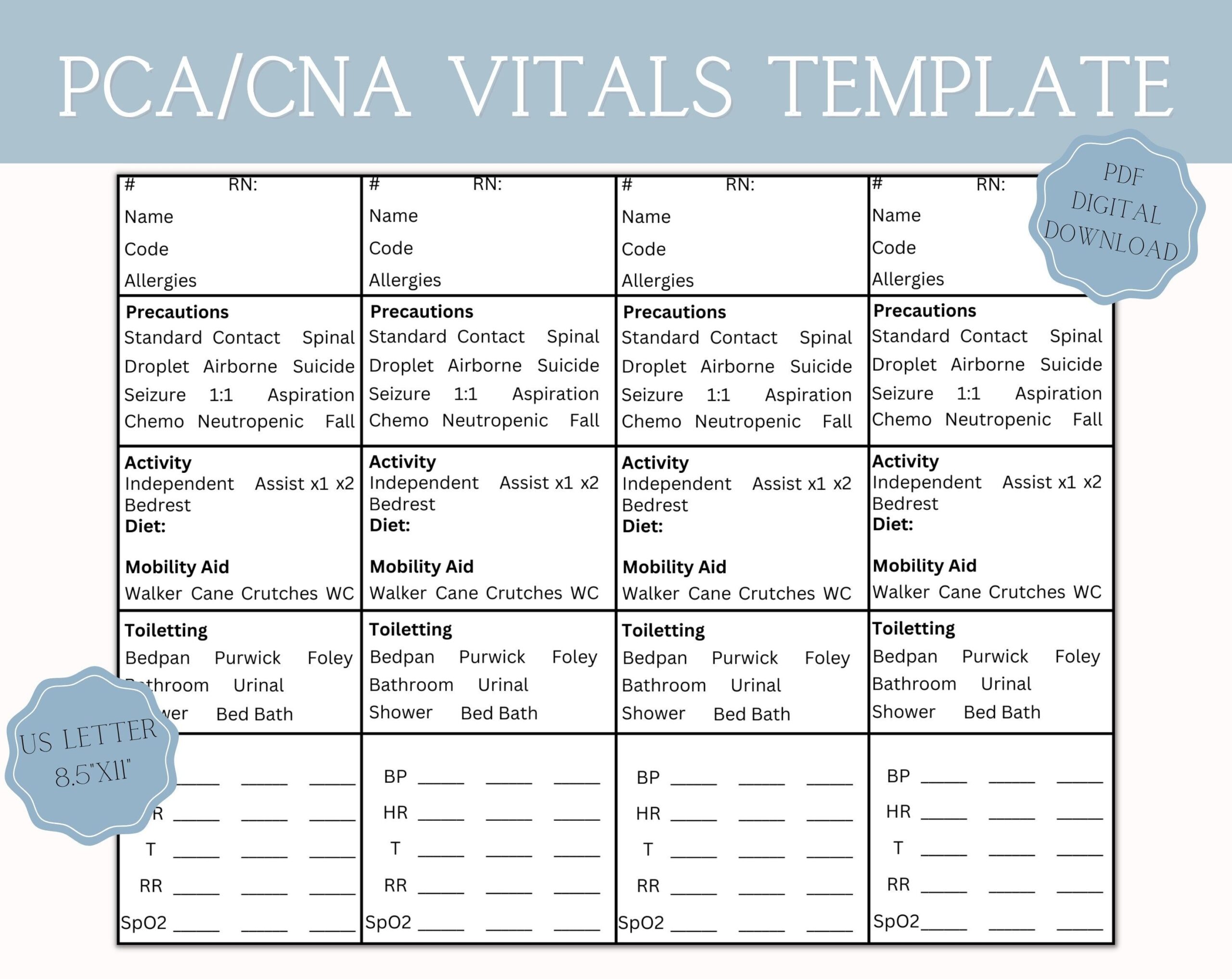
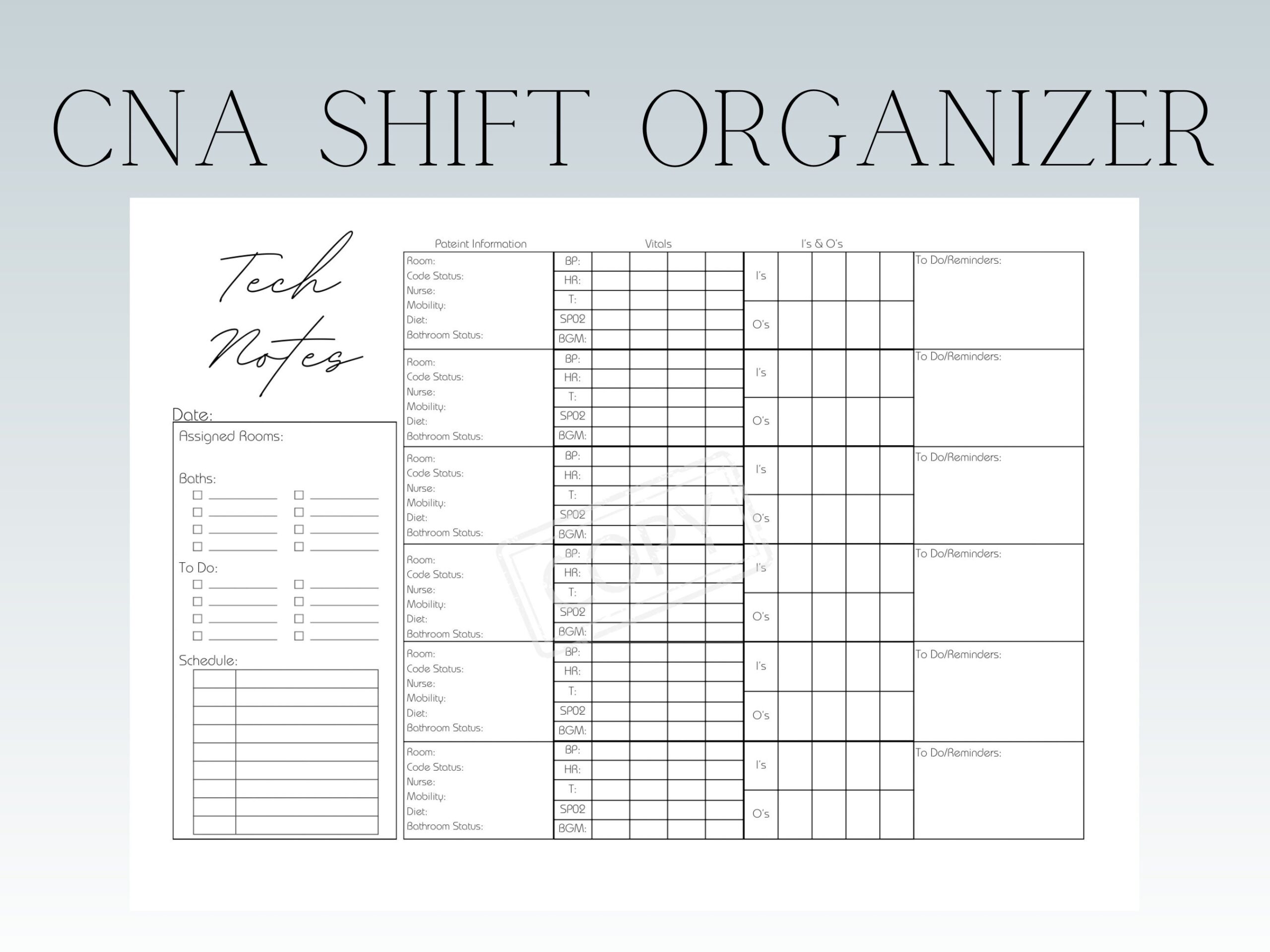
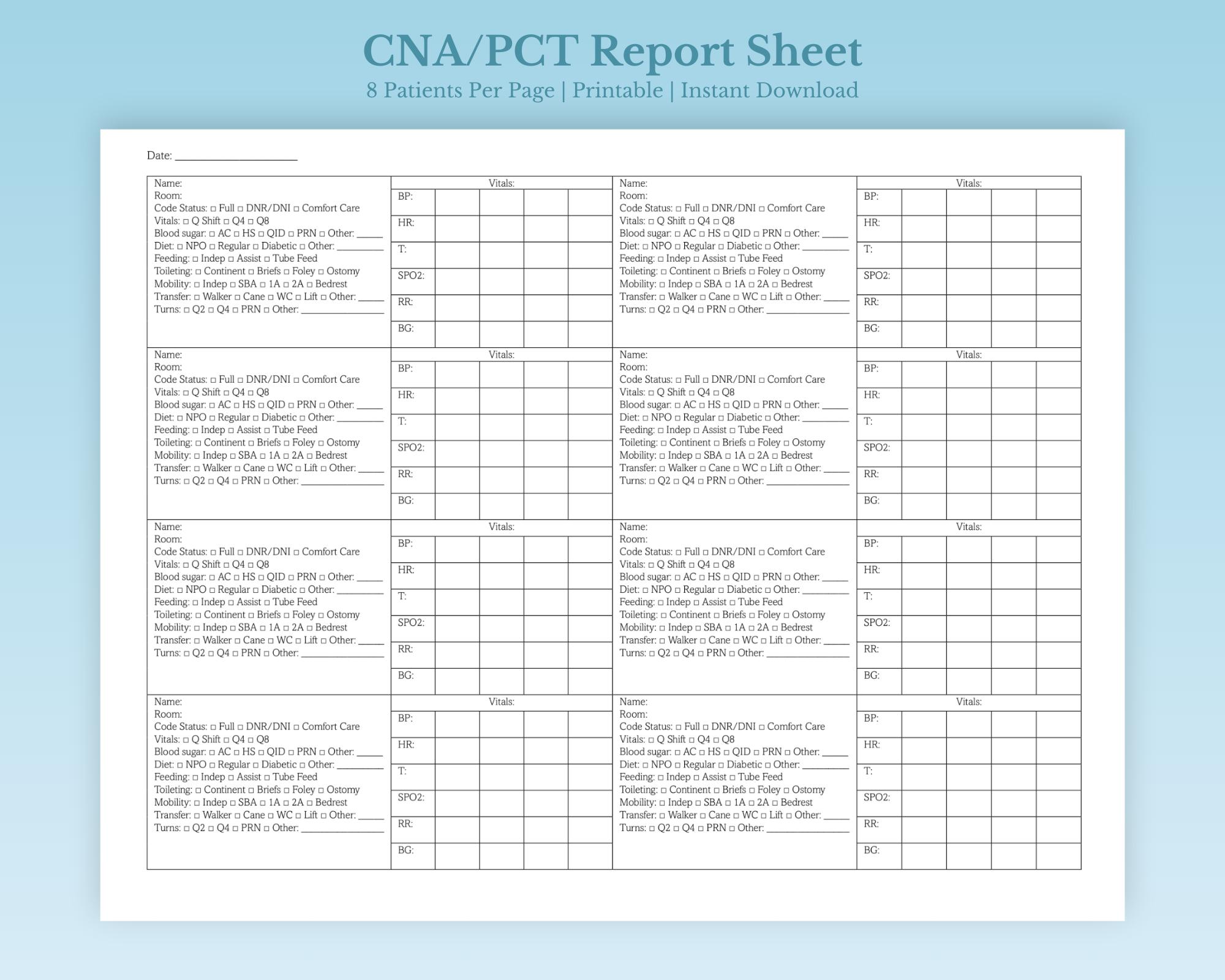
CNA POC charting is a vital tool for healthcare professionals, particularly Certified Nursing Assistants (CNAs), to record and track patient observations and vital signs. This charting method provides a structured and organized way to document patient care, ensuring accurate and consistent records.
Key Details and Categories
The CNA POC charting system typically includes various categories and sections to capture essential patient information. These may include:
- Patient Identification: Name, age, gender, and unique identifiers.
- Date and Time: Precise recording of observations to track progress and changes.
- Vital Signs: Temperature, blood pressure, pulse rate, and respiratory rate.
- Patient Observations: Notes on behavior, mood, pain levels, and any significant changes.
- Interventions and Care: Details of nursing care provided, treatments, and medications.
- Physician Orders: Instructions and prescriptions from doctors.
Step-by-Step Guide to Reading and Applying CNA POC Charts
- Start by locating the patient's record in the chart. Ensure it is correctly identified with the patient's name and other details.
- Check the date and time of the previous entry to understand the context and any recent changes.
- Record vital signs accurately using the appropriate units (e.g., °F or °C for temperature, mmHg for blood pressure).
- Observe and document any changes in the patient's condition, behavior, or mood. Use clear and concise language to describe these observations.
- Note any interventions, treatments, or medications administered, including the time and dosage.
- Refer to physician orders and ensure they are followed accurately. Document any deviations or additional instructions.
- Sign and date the chart to maintain accountability and track changes over time.
Variations and Differences in Charting Standards
While the core structure of CNA POC charting remains consistent, variations may occur due to different healthcare settings, regions, and specific patient needs. For instance, some charts may include additional sections for specialized care, such as wound care or diabetic management. It is essential to be familiar with the specific charting standards and guidelines in your facility or region. Always refer to the latest protocols and ensure you are using the correct chart format.
Common Mistakes and How to Avoid Them
- Inaccurate or incomplete vital sign recordings: Always double-check your measurements and ensure they are within the normal range for the patient's age and condition.
- Forgetting to record the date and time: This basic step is crucial for tracking changes and ensuring continuity of care.
- Inadequate patient observations: Take time to observe and document any changes, even if they seem minor. These details can be vital for patient care planning.
- Omitting or misinterpreting physician orders: Always clarify and understand instructions before acting on them.
- Failing to sign and date the chart: This simple step ensures accountability and helps track changes made by different healthcare professionals.
Best Practices for Accurate and Effective Charting
- Familiarize yourself with the charting standards and guidelines specific to your facility and region.
- Use clear and concise language when recording observations and notes. Avoid abbreviations that may be unclear to others.
- Stay updated with any changes or additions to the charting system to ensure your records are accurate and complete.
- Regularly review and analyze patient charts to identify trends, progress, or areas of concern.
- Collaborate with other healthcare professionals to ensure consistent and accurate charting practices.
CNA POC charting is a valuable tool that, when used correctly, provides a comprehensive overview of patient care and facilitates effective communication among the healthcare team. By following these guidelines and best practices, you can ensure accurate and reliable patient records, contributing to high-quality patient care.
Well, I hope this guide has provided a clear and concise overview of CNA POC charting. Remember, it's always best to refer to the specific guidelines and standards relevant to your context, as exact values and procedures may vary slightly.
Consider bookmarking this page for future reference; it might just save you some time and effort the next time you need a quick refresher on CNA POC charting. Until then, happy charting!
Related: A Comprehensive Nail Length Chart Guide
Many people approach the nail length chart with some confusion, assuming it's a complex tool when it's actually a simple, handy reference. Rest assured, it's an easy-to-use guide!
The chart provides a clear visual representation of nail lengths, offering a quick way to measure and compare. While values may vary slightly depending on your region or the brand you use, the nail length chart remains a reliable tool for anyone seeking precision and consistency. Think of it as your go-to nail size chart or fingernail measurement guide!
Nail Length Chart: A Practical Guide
A nail length chart is a handy tool that provides a reference for various nail lengths, typically used in the beauty and fashion industries. It offers a visual representation of different nail sizes, helping you understand and communicate nail lengths effectively.
Understanding the Key Details
The chart usually displays nail lengths in two common units: inches and millimeters. You'll find categories like "Short," "Medium," and "Long," each with a range of values. For example, short nails might be 0.5 to 1 inch (or 12 to 25 mm), while long nails could be 1.5 to 2 inches (38 to 51 mm).
Reading the Chart and Measuring Nails
Here's a step-by-step guide to using the nail length chart:
- Identify the unit you prefer, whether it's inches or millimeters.
- Locate the category that best describes the nail length you want to measure or achieve.
- Within that category, find the specific length you need. For instance, if you want medium-length nails, you might aim for 1 inch (25 mm).
- Use a nail length gauge or a simple ruler to measure your nails against the chart's values.
Variations and Differences
It's important to note that nail length charts may vary depending on the standard or context. Different regions and industries might have slightly different measurements or categories. For instance, the US and international standards might have slight variations in the exact ranges for each category. Additionally, specific nail art or design trends can influence the definitions of nail lengths.
To ensure accuracy, always refer to the appropriate standard for your industry or region. If you're unsure, it's best to double-check the exact specifications or consult a professional. Remember, the chart provides a general guide, but precise measurements might require additional tools or expertise.
Hey there! I hope this nail length chart guide has been helpful. Remember, these measurements are a great starting point, but they can vary slightly depending on the context and your personal preferences.
It's always good to have a reference guide like this handy, so feel free to bookmark this page for future nail adventures! You'll find other practical guides on our blog too, so make sure to check them out for more tips and tricks. Happy measuring!
Related: What is a piano chords chart?
Frustrated by the hunt for the perfect piano chords chart? You're not alone. Whether you're a beginner or an experienced player, having a reliable and easy-to-read chart is essential for quick reference and practice. A good piano chords chart should be your go-to resource, offering a clear layout of chord structures, from basic major and minor chords to more complex progressions.
Understanding Chord Symbols
A piano chords chart is a handy reference tool for musicians, especially pianists. It's like a map that shows you the layout of different chords and their components. This chart is a great way to quickly grasp the basics of chord construction and progressions. The symbols on the chart represent the notes that make up each chord, and by understanding these symbols, you can easily build and play various chords on the piano.
Common Chord Progressions and Formats
There are several standard chord progressions and formats used in music. The piano chords chart typically includes major and minor chords, which are the most common. These chords are represented by symbols like C, Dm, G7, and so on. The chart might also feature more complex chords like suspended chords (Csus) or added-note chords (Cadd9). Each symbol gives you a snapshot of the notes that create that specific chord.
Reading Chord Charts: A Step-by-Step Guide
When reading a piano chords chart, follow these steps:
- Identify the chord symbol you want to play.
- Locate the symbol on the chart and find the corresponding notes.
- Place your fingers on the piano keys according to the chart's diagram.
- Play the chord and listen to its unique sound.
For example, if you see the symbol C, you'll find it represents the notes C, E, and G. Place your fingers on these keys, and you've just played a C major chord!
Avoiding Misreadings and Pitfalls
While piano chords charts are incredibly useful, it's important to be aware of a few potential pitfalls:
- Variations: Different charts may use slightly different symbols or notations. Always double-check the specific chart's key or legend to ensure you're interpreting the symbols correctly.
- Complex Chords: Some chords, especially those with added notes or extensions, can have multiple variations. Be sure to explore all the possible fingerings to find the one that works best for you.
- Practice: Reading chord charts takes practice. Start with simple major and minor chords, and gradually work your way up to more complex progressions.
Remember, a piano chords chart is a valuable tool, but it's just one part of your musical journey. Keep exploring, practicing, and enjoying the beautiful world of music and chord progressions!
Hey there, fellow music enthusiasts! We've covered a lot of ground in this blog post, and I hope it's given you a solid foundation to start exploring piano chords. Remember, the specifics might differ slightly based on your needs and the context, so feel free to adapt and make it your own.
If you're keen to dive deeper into the world of music theory and practice, why not check out some of our other guides? We've got a whole range of topics to explore, from basic music theory to more advanced techniques. It's a great way to keep learning and growing as a musician, so take a look and see what piques your interest!