

Math Worksheets Digital Overview
A common misconception about math anchor charts is that they are only useful for teachers or advanced math enthusiasts. However, these charts are incredibly accessible and beneficial for anyone looking to improve their math skills or simply need a quick refresh!
Math anchor charts offer a visual and organized way to understand and apply mathematical concepts. Whether it's a reference chart for common formulas or a diagram explaining a specific math topic, these tools provide an easy-to-follow guide, ensuring you don't get lost in complex equations. Keep an eye out for variations in formats and values, as these can differ depending on your region or the specific math subject.
Math Anchor Charts: Your Visual Study Buddy
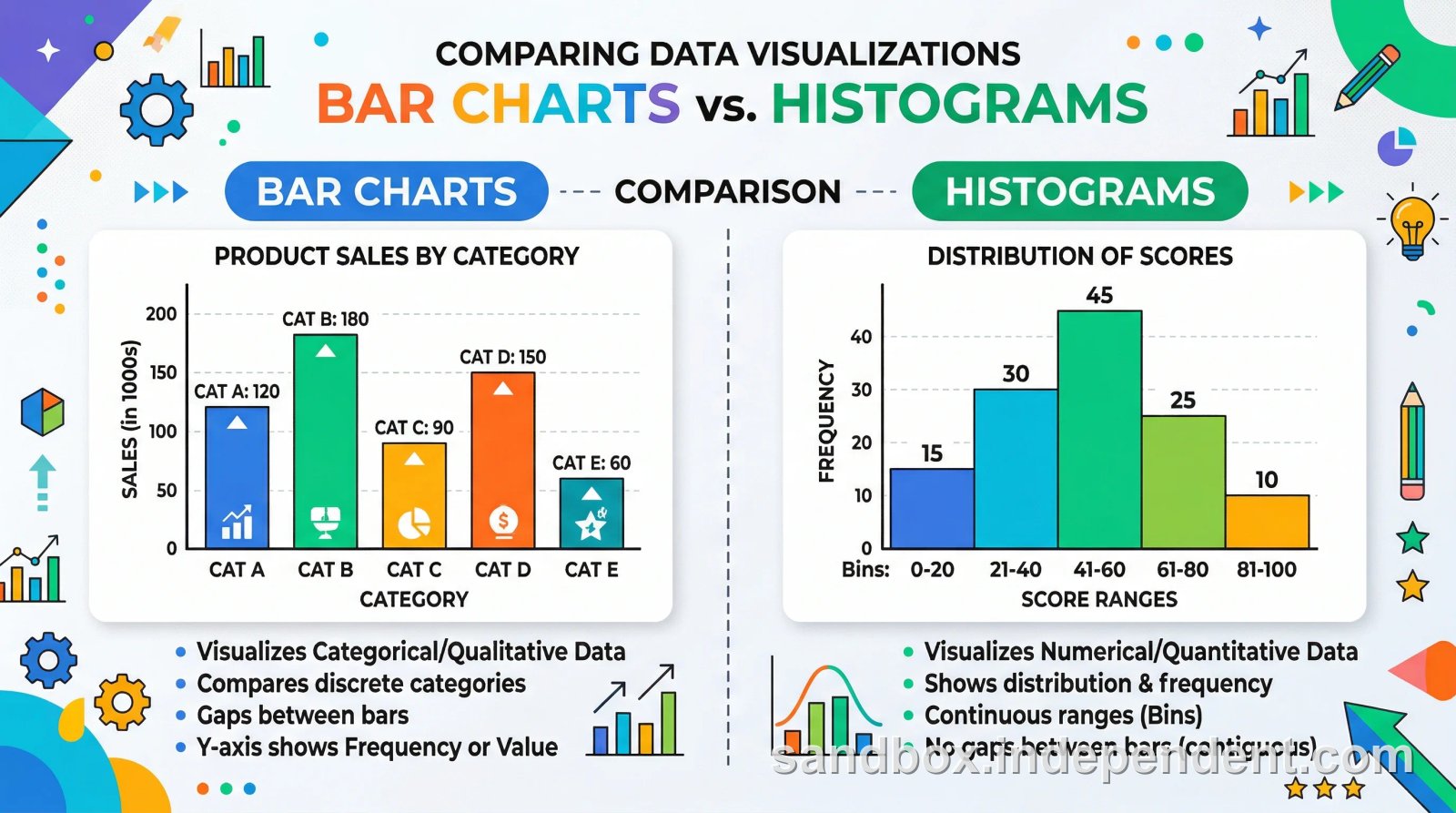
Math anchor charts are like having a helpful study guide right in front of you, making complex math concepts easier to grasp. These charts are visual tools that break down math topics into simple, organized formats, often using diagrams, graphs, or tables. They're designed to be quick references, helping you understand and apply math rules and formulas.
Standard Units and Categories
The beauty of math anchor charts is their consistency. Most charts use standard units and categories, ensuring everyone understands the same thing. For instance, when measuring angles, you'll find degrees as a standard unit. Other common categories include shapes, formulas, and mathematical operations. These charts often cover a range of topics, from basic arithmetic to more advanced concepts.
Reading and Interpreting: A Step-by-Step Guide
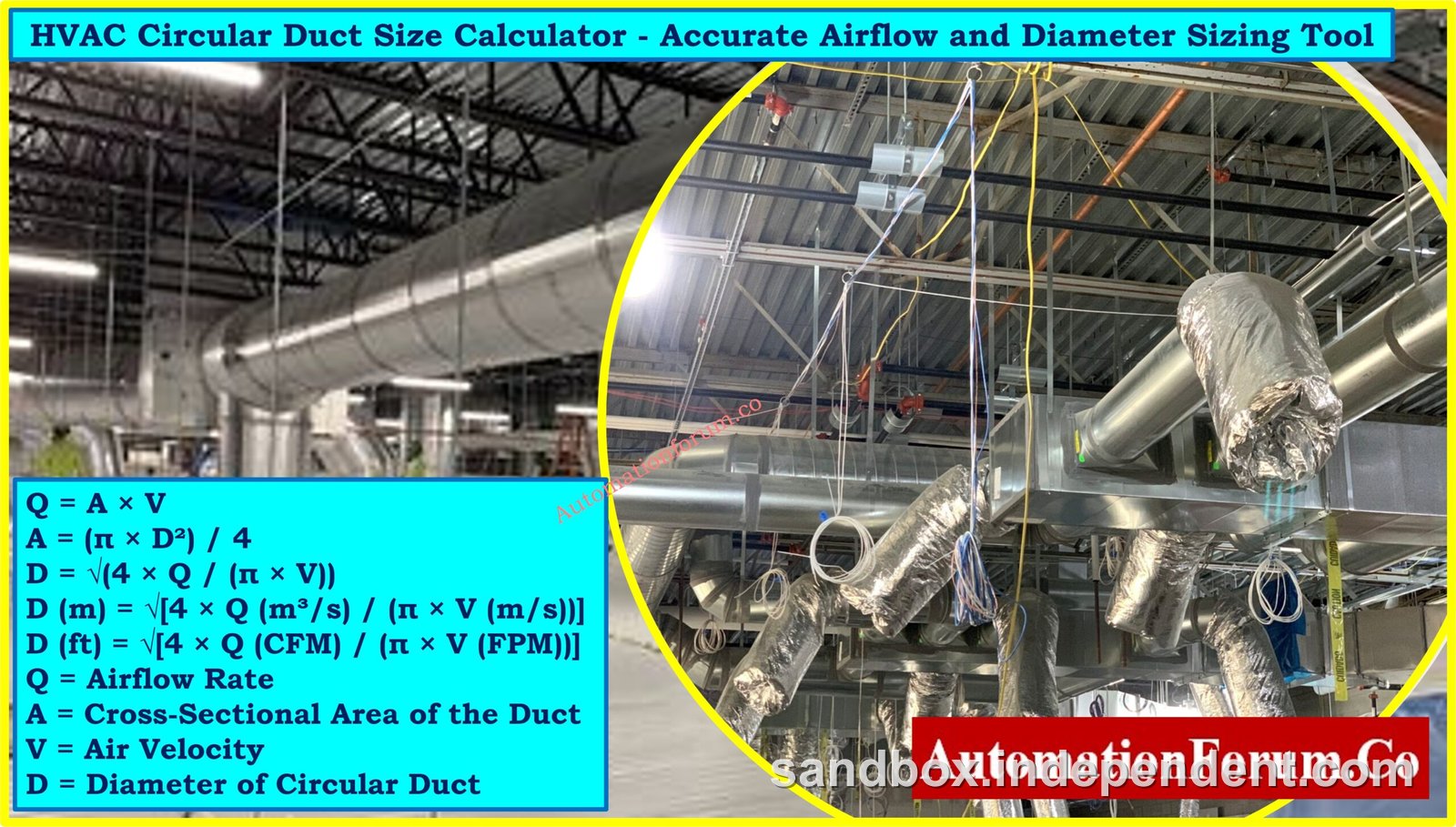
Using a math anchor chart is simple once you know how. First, identify the topic you need help with, like finding the area of a triangle. Then, locate the relevant section on the chart. Read the labels and categories carefully. The chart will often provide a formula or rule, along with a visual representation to make it clearer. For our triangle example, you might see a diagram of a triangle, the formula for its area, and perhaps some sample calculations. Follow the steps or rules provided, and you'll be solving math problems like a pro!
Common Chart Variations and Their Causes
While math anchor charts follow standard formats, there can be variations. These often depend on the specific topic or the standard being used. For instance, a chart about fractions might use different notations or representations depending on whether it's for elementary or advanced math. Other factors like regional differences (e.g., metric vs. imperial) can also lead to variations. It's important to ensure you're using the right chart for your specific needs and level of study.
Practical Tips and Tricks: Avoiding Common Mistakes
One common mistake is assuming all math anchor charts are the same. Always check the chart's title and purpose to ensure it's relevant to your topic. Another pitfall is ignoring the chart's labels and categories, which can lead to misinterpreting the information. Always read carefully! Finally, remember that charts are guides, not absolute truths. Always double-check the exact specifications or tolerances for your specific problem, especially when dealing with real-world applications.
By understanding these practical tips and being aware of potential variations, you can use math anchor charts effectively and avoid common errors. They're a great tool to have in your math toolkit!
Math anchor charts are a fantastic tool to have at your disposal, offering a quick reference guide to keep your calculations on track. Remember, the exact details might differ slightly based on your specific needs or the standards you follow, so it's always good to double-check.
Feel free to explore our other guides; we've got plenty of practical tips and tricks to make math more accessible and fun! You'll find a wealth of resources to enhance your learning journey.
Related: What's the deal with quilt sizes chart?
A quilt sizes chart can be a handy tool, but it's often misunderstood as a rigid, one-size-fits-all guide. In reality, these charts are flexible and adaptable, offering a range of standard sizes as a starting point for your quilting journey.
While the quilt sizes chart provides a great reference, it's important to remember that these dimensions can vary slightly depending on your region and personal preferences. Whether you're crafting a crib quilt size or aiming for a king-size masterpiece, understanding the chart is key to achieving your desired quilt measurements.
Understanding the Quilt Sizes Chart
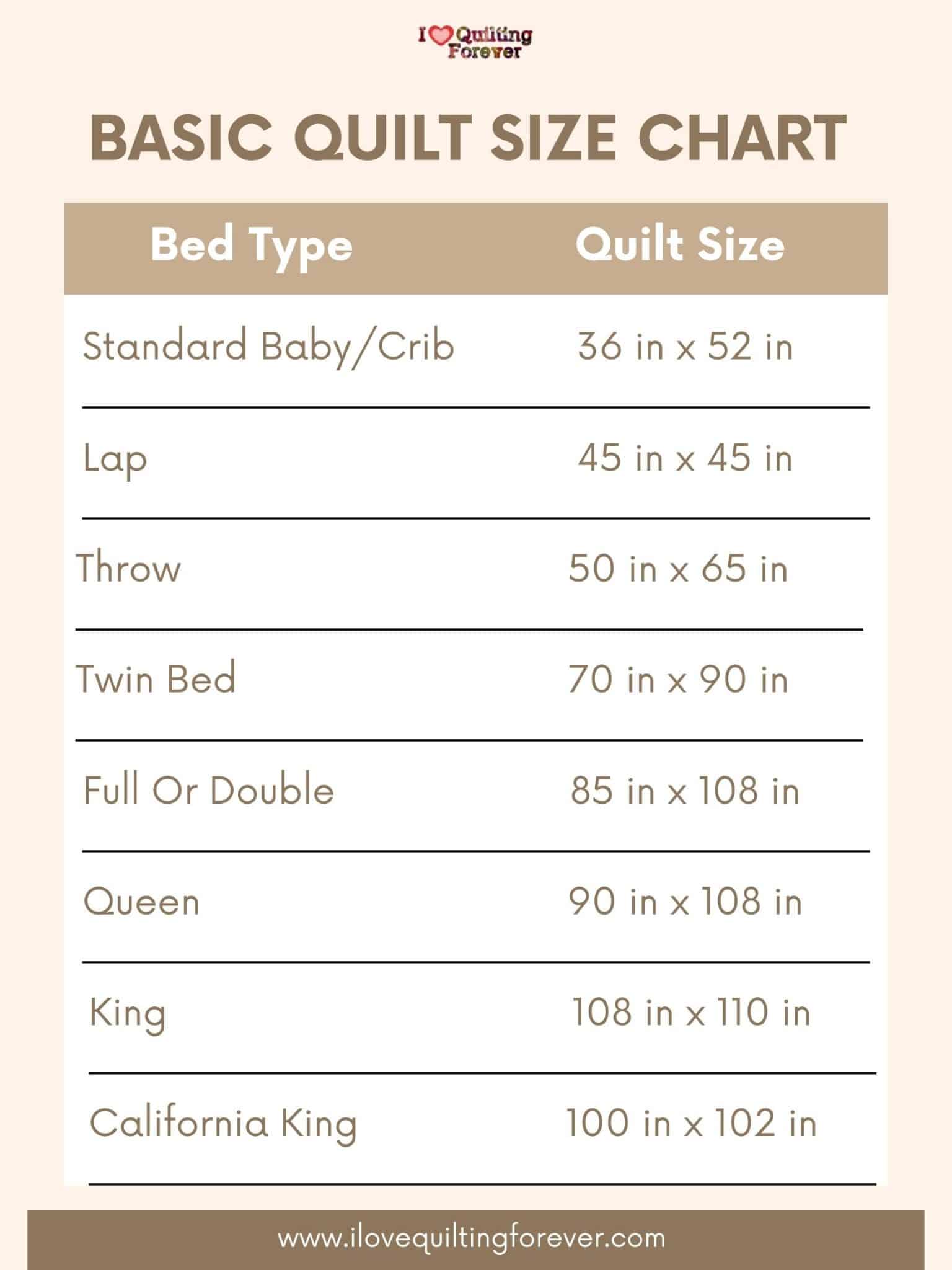
The quilt sizes chart is your practical guide to creating quilts with precision and ease. It provides a clear overview of standard quilt dimensions, helping you choose the right size for your project and ensuring a perfect fit every time. This chart is a valuable resource for quilters, offering a quick reference to common quilt sizes and their measurements.
Comparing Quilt Size Categories
When exploring the quilt sizes chart, you'll notice a range of categories, each representing a specific quilt size. These categories are typically based on standard bed sizes, such as crib, twin, full, queen, and king. The chart provides the length and width measurements for each size, allowing you to select the right dimensions for your quilt. It's a simple and effective way to ensure your quilt fits its intended purpose.
Step-by-Step Guide to Using the Chart
Using the quilt sizes chart is straightforward. Here's a simple guide:
- Identify the intended use for your quilt. Are you making a crib quilt, a baby quilt, or a larger quilt for a bed?
- Refer to the chart and locate the relevant category.
- Take note of the length and width measurements provided. These are the standard dimensions for that particular quilt size.
- Measure your available space or the intended recipient's bed to ensure the quilt will fit perfectly.
- Use the chart's measurements as a guide to create your quilt pattern and ensure a comfortable and well-fitted result.
Avoiding Common Misreadings
While the quilt sizes chart is a reliable reference, it's essential to avoid common misreadings. Always double-check the units of measurement, as some charts may use imperial or metric units. Additionally, be aware that the chart provides standard measurements, and variations may exist based on personal preferences or specific projects. Always measure your space or the intended bed to ensure an accurate fit.
Factors Affecting Accuracy
Several factors can influence the accuracy of your quilt size selection. Firstly, the intended use of the quilt is crucial. A crib quilt will have different dimensions compared to a king-size bed quilt. Additionally, personal preferences and design choices can impact the final size. Some quilters may opt for a larger or smaller quilt, depending on their style and the recipient's needs. Always consider these factors when referring to the quilt sizes chart.
Adapting to Specific Needs
While the quilt sizes chart provides standard measurements, it's flexible enough to accommodate custom quilt dimensions. If you require a unique size, you can use the chart as a starting point and adjust the measurements to fit your specific needs. This adaptability allows quilters to create one-of-a-kind quilts that perfectly suit their vision and the intended recipient's preferences.
Keeping Your Reference Reliable
To ensure the continued reliability of your quilt sizes chart, it's essential to keep it updated and accessible. Regularly refer to reputable sources to verify the accuracy of the measurements, especially if you notice any significant changes in standard quilt sizes. Consider printing the chart or saving it digitally for easy reference during your quilting projects. By keeping your chart up-to-date, you'll always have a trusted guide for creating beautifully sized quilts.
Well, there you have it! A handy guide to quilt sizes, covering all the bases and giving you the tools to tackle any quilting project.
Remember, every quilter's needs are unique, so take a moment to ensure the sizes and standards you're using fit your specific project. With these tips and tricks, you'll be quilting like a pro in no time!
Feel free to explore our other guides and resources; we've got plenty of practical advice to offer, so you can keep crafting with confidence. Happy quilting!
Related: Understanding Yarn Weights: A Comprehensive Guide
Many crafters find themselves confused by the various terms and systems used to describe yarn weights, but a simple yarn weights chart can provide a clear and concise solution. This handy reference tool, often presented as a visual guide, offers a quick way to understand and compare yarn thicknesses. While there may be slight variations in how these charts are formatted, they serve as a reliable starting point for any knitting or crocheting project.
Understanding Yarn Weights: A Practical Guide
Yarn weights, also known as yarn thickness or ply, are a crucial aspect of knitting and crocheting. The yarn weights chart provides a standardized system to categorize yarn based on its thickness. This guide will help you navigate this chart effectively, ensuring you choose the right yarn for your projects.
Key Details and Categories
The yarn weights chart typically follows a numerical system, with lower numbers indicating finer yarns and higher numbers representing thicker yarns. This system is widely recognized and used by yarn manufacturers and crafters worldwide. The chart categorizes yarns into several weight classes, each with its own unique properties and ideal uses.
Reading the Yarn Weights Chart
To read the yarn weights chart, you'll need to understand the following:
- The weight class: Each yarn will be assigned a weight class, such as lace, fingering, sport, worsted, or bulky. These classes provide a quick indication of the yarn's thickness.
- The ply: Ply refers to the number of strands twisted together to form the yarn. A higher ply number means a thicker yarn.
- Needle or hook size: The chart often suggests the appropriate needle or hook size for each weight class. This ensures your stitches have the right tension and gauge.
Step-by-Step Guide to Using the Chart
When using the yarn weights chart, follow these steps:
- Identify the weight class of your chosen yarn. This information is usually printed on the yarn label or provided by the manufacturer.
- Match the weight class to the corresponding category on the chart.
- Determine the recommended needle or hook size for that weight class. This will ensure your stitches have the desired tension and gauge.
- Consider the project you are working on. Different weight classes are suitable for various projects, from delicate lace shawls to cozy blankets.
- If you are substituting yarns, compare the weight classes and consider the overall thickness and drape of the yarn. This will help ensure your project turns out as expected.
Variations and Differences
While the yarn weights chart provides a standardized system, variations can occur due to different standards and regional practices. For instance, the US and metric systems may have slightly different categories and measurements. Additionally, manufacturers might use unique symbols or terms to describe yarn weights, so it's essential to familiarize yourself with these variations.
Common Mistakes and How to Avoid Them
To ensure accurate results, avoid these common mistakes:
- Relying solely on the ply number: While ply indicates thickness, it doesn't always correlate directly with weight class. Always refer to the weight class for a more accurate representation.
- Ignoring the needle or hook size: Using the wrong needle or hook size can affect the tension and overall look of your project. Follow the recommended sizes for the best results.
- Not checking the yarn label: Always read the label for weight class and other important information. This ensures you choose the right yarn for your project.
- Assuming all yarns are the same: Yarns within the same weight class can still vary in thickness and feel. Always swatch and test your yarn before starting a project.
While the yarn weights chart provides a great starting point, it's important to remember that exact details can vary slightly across different knitting and crochet projects and patterns. So, keep an eye out for any specific requirements and adapt as needed.
If you're keen to explore more knitting and crochet guides, you'll find a wealth of resources on our site to enhance your crafting journey. From beginner tips to advanced techniques, we've got you covered!