





Mindfulness Exercises Handout Overview
A tcu depth chart is a handy tool for any sports fan or enthusiast, offering a quick glimpse into the team's lineup and player positions. This guide will break down the essentials, ensuring you can read and understand these charts like a pro.
The depth chart is a simple yet effective way to visualize the team's structure. It displays the starter positions and provides insights into the tcu roster, offering a clear picture of the football depth chart and the team's lineup strategy. While formats may vary, the core purpose remains the same: to provide a reliable reference.
Understanding the TCU Depth Chart: A Practical Overview
The TCU depth chart is a valuable tool for any sports enthusiast, especially when it comes to football. It provides an organized view of a team's player lineup, giving you insights into their positions and rankings. Think of it as a roadmap to the team's strategy!
Comparing Common Positions and Player Rankings
The depth chart categorizes players based on their roles and skills. It typically lists offensive and defensive positions, with starters and backups clearly indicated. For instance, you'll find quarterbacks, running backs, wide receivers, and more, each with their own depth of talent.
Step-by-Step Guide to Reading the TCU Depth Chart
- Start by identifying the main positions on the chart. These are usually the core roles like quarterback, running back, and so on.
- Next, focus on the starters. They are often listed first and are the players who will begin the game.
- Look for the backups. These are the players who can step in if needed, and they are usually listed in order of their skill level or experience.
- Pay attention to the depth. A well-balanced chart will show a good spread of talent, ensuring the team has options and flexibility.
Avoiding Misreadings and Pitfalls
One common mistake is assuming the depth chart is set in stone. In reality, it can change frequently due to injuries, performance, or strategic decisions. Always check the latest version to ensure you have accurate information. Additionally, remember that the chart is a guide, and actual game-time decisions may vary.
Factors Affecting Accuracy and Real-World Use
The accuracy of the TCU depth chart depends on various factors. Firstly, it is influenced by the team's coaching staff and their strategic choices. Secondly, player performance and health can lead to adjustments. Lastly, external factors like weather or opponent strategies might impact the chart's effectiveness. It's essential to consider these variables when interpreting the chart.
Hey there! We've covered a lot of ground, but remember, every depth chart is unique, and the specifics can differ. It's always a good idea to tailor it to your needs and the context you're working with.
Feel free to explore our other guides; we've got a bunch of practical tips and tricks to help you navigate various topics. Happy learning, and don't hesitate to dive into more resources!
Related: RSMeans Construction Essential Guide For Builders
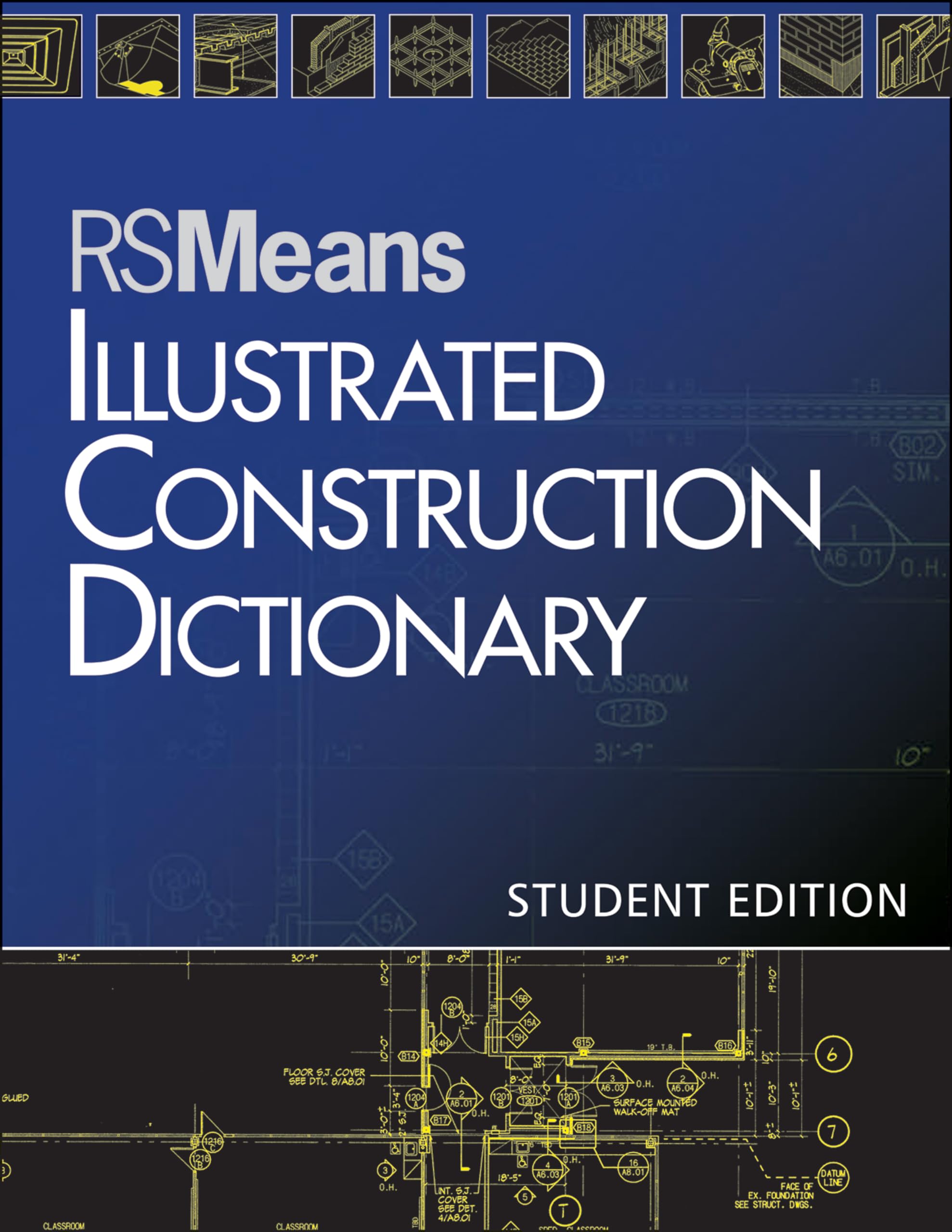
"rs means construction" is a phrase that might pop up when you're planning a home renovation or building project. It's a mouthful, but it's a useful tool for anyone wanting to understand construction costs. So, let's break it down and see what it's all about!
Understanding RSMeans and Construction Costs
RSMeans is a database and resource for construction professionals and homeowners alike. It provides detailed information on construction costs, helping you estimate and plan your project's budget. This tool is a go-to for many in the industry, offering insights into labor, materials, and other expenses. It's especially handy for comparing quotes and ensuring you get a fair deal.
When using RSMeans, you can get a good idea of what your project might cost. It considers various factors like the size of the project, the materials you choose, and the local labor rates. This data helps you set a realistic budget and understand the costs involved. It's a great way to ensure you're not overspending or underestimating the expenses.
Hiring a Contractor: What to Look For
When it comes to hiring a contractor, RSMeans can be a valuable ally. It can help you understand the typical costs for your project, so you know if a quote is reasonable. Before hiring, always check the contractor's references and licenses. Ask for a detailed breakdown of the costs and what's included in the quote. A good contractor will be transparent and provide this information.
You should also consider the scope of the project and whether the contractor has experience with similar work. Don't be afraid to ask questions and get a clear picture of what you're paying for. It's your project, and you want to ensure it's done right!
Construction Company Names and Branding
Naming a construction company is an important step. It's the first impression you give to potential clients and should reflect your business's values and services. A good name is memorable, unique, and gives a hint at what you do. For example, "BuildStrong", "Renovate Right", or "HomeCrafters" are catchy and descriptive.
When choosing a name, consider registering it and checking domain availability. You want to ensure your online presence is secure and that your name isn't already taken locally. It's a small but crucial step in building your brand and standing out in a competitive industry.
Jobs and Opportunities in Construction
The construction industry offers a range of roles, from estimators who use tools like RSMeans to project managers and skilled laborers. These jobs are in demand, and you'll often find opportunities advertised online or through local trade associations. It's a varied industry, and you can specialize in different areas, whether it's residential construction, commercial projects, or specific trades like plumbing or electrical work.
Data and Tools for the Industry
RSMeans is just one of the many tools and resources available to construction professionals. These tools help manage projects, estimate costs, and keep track of industry trends. For example, cost indexes provide an overview of construction costs over time, helping businesses and homeowners plan and budget effectively. Escalation, another term for cost increases, is also an important factor to consider when planning long-term projects.
Big Companies and the Industry
In the construction world, you'll find a mix of small, local businesses and large, national firms. The size of the company often reflects the scale of projects it takes on. Big companies may have the resources to tackle large-scale developments, while smaller businesses might focus on local renovations and additions. It's a diverse industry, and both types of companies play a crucial role in building our communities.
So, there you have it! RSMeans construction is a useful tool for anyone involved in construction, whether you're a homeowner, a contractor, or a business owner. It's a great way to stay informed and ensure your projects are on track and within budget.
Related: A Guide to the Cursive ABC Chart
A cursive abc chart is a valuable tool for anyone wishing to master the art of cursive handwriting. This guide will provide an overview of what these charts offer and how they can improve your penmanship.
The chart is a visual aid, offering a clear and concise reference for the cursive alphabet. It displays the letter formations and connections, allowing users to understand the flow and style of each letter. While there may be variations in certain styles or regional preferences, the cursive abc chart provides a solid foundation for learning and practicing this elegant writing style.
Understanding the Cursive ABC Chart
The cursive abc chart is a valuable tool for mastering cursive handwriting. It serves as a visual guide, providing a reference for the unique forms and connections of each letter in the cursive alphabet. This chart is an essential learning aid, especially for beginners, as it offers a clear overview of the basic strokes and letter formations.
Comparing Cursive Styles and Standards
Cursive writing, much like other writing styles, can vary based on regional standards and personal preferences. While the cursive abc chart typically follows a standard format, it's essential to note that there might be slight variations in letter shapes and connections. For instance, the cursive alphabet used in the United States might differ slightly from that used in the United Kingdom.
Step-by-Step Guide to Using the Chart
To make the most of your cursive abc chart, follow these steps:
- Begin by familiarizing yourself with the chart. Observe the unique shapes and connections of each letter.
- Practice forming the letters, paying attention to the starting and ending points of each stroke.
- Connect the letters to form words, focusing on the natural flow of cursive writing.
- Start with simple words and gradually increase the complexity as you gain confidence.
- Regular practice is key; allocate dedicated time for handwriting exercises.
Common Mistakes and How to Avoid Them
When learning cursive, it's common to encounter challenges. Some letters might be particularly tricky due to their intricate forms. To avoid mistakes, ensure you:
- Pay close attention to the direction and placement of each stroke.
- Practice slowly and deliberately, focusing on accuracy rather than speed.
- Seek guidance from a teacher or use online resources for additional support.
Factors Affecting Accuracy and Real-World Application
The accuracy of your cursive writing depends on various factors, including your handwriting style, practice consistency, and attention to detail. Additionally, the context in which you use cursive writing can influence its application. For instance, formal documents might require a different style or size than personal notes.
Adapting the Chart for Specific Needs
The cursive abc chart is versatile and can be adapted to suit different learning styles and goals. If you're a visual learner, consider using colored pens or markers to highlight specific letters or connections. For a more tactile approach, try tracing the letters with your finger or a stylus on a tablet. Additionally, you can create your own practice sheets based on the chart to focus on specific letters or word formations.
Hey there! I hope this guide has been a helpful resource for you. Remember, when it comes to cursive ABC charts, the specifics can differ slightly based on your unique circumstances.
Feel free to explore other guides on this topic, as well, to find the one that best suits your needs. And don't forget to bookmark this page for future reference; it's always handy to have a quick go-to resource for those moments when you need a refresher on cursive writing.