

Mindfulness Exercises With Art Overview
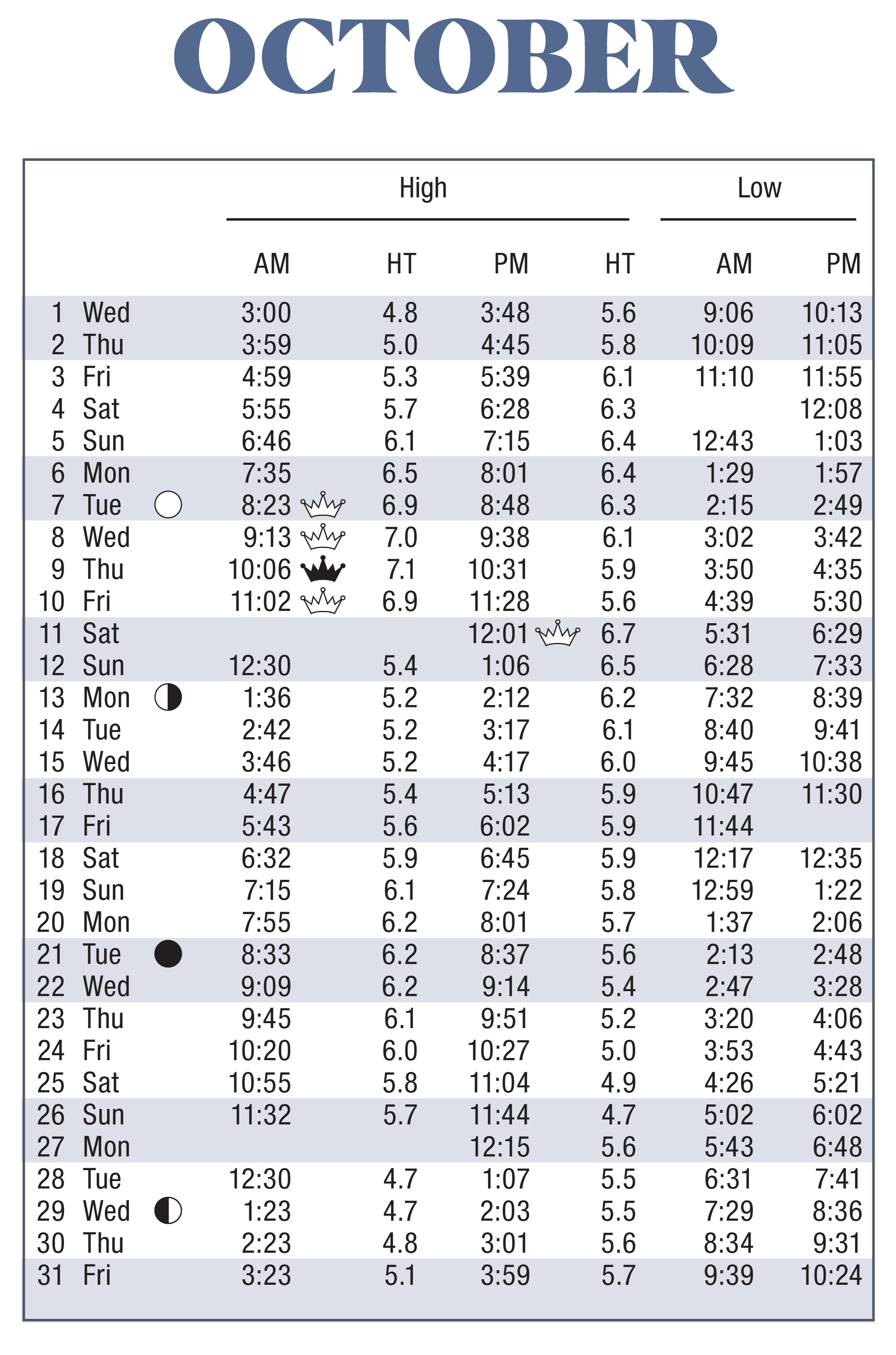
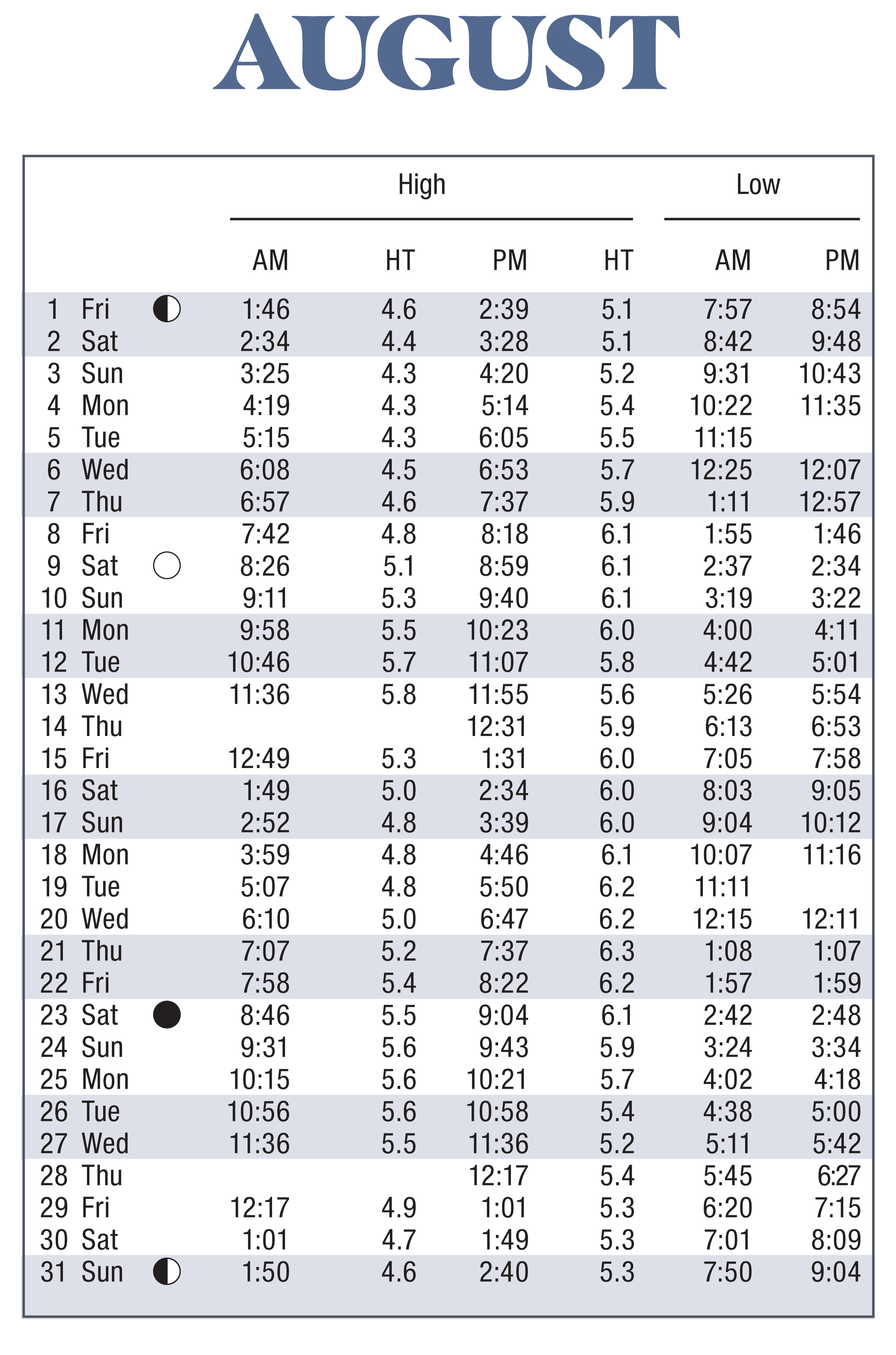
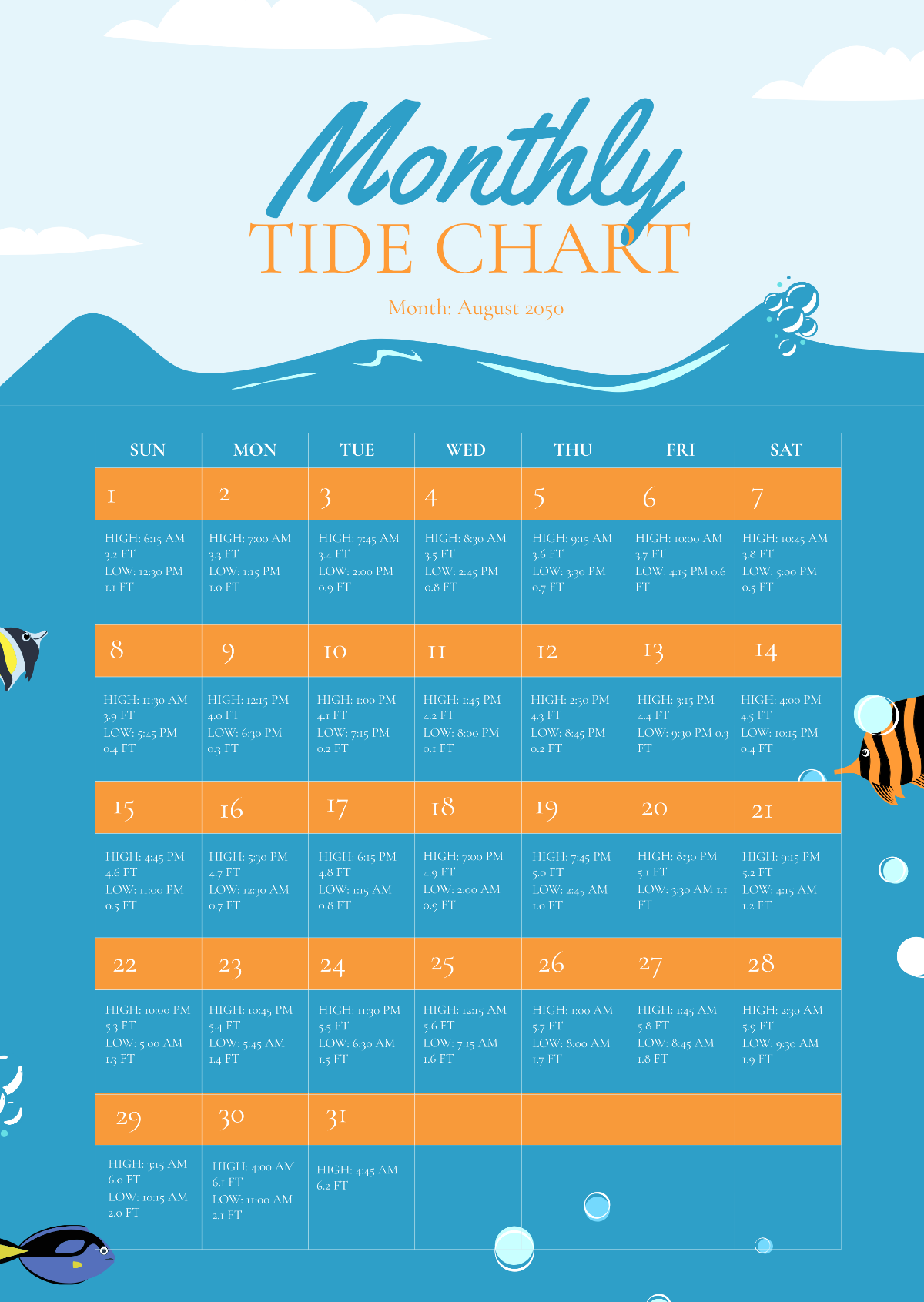
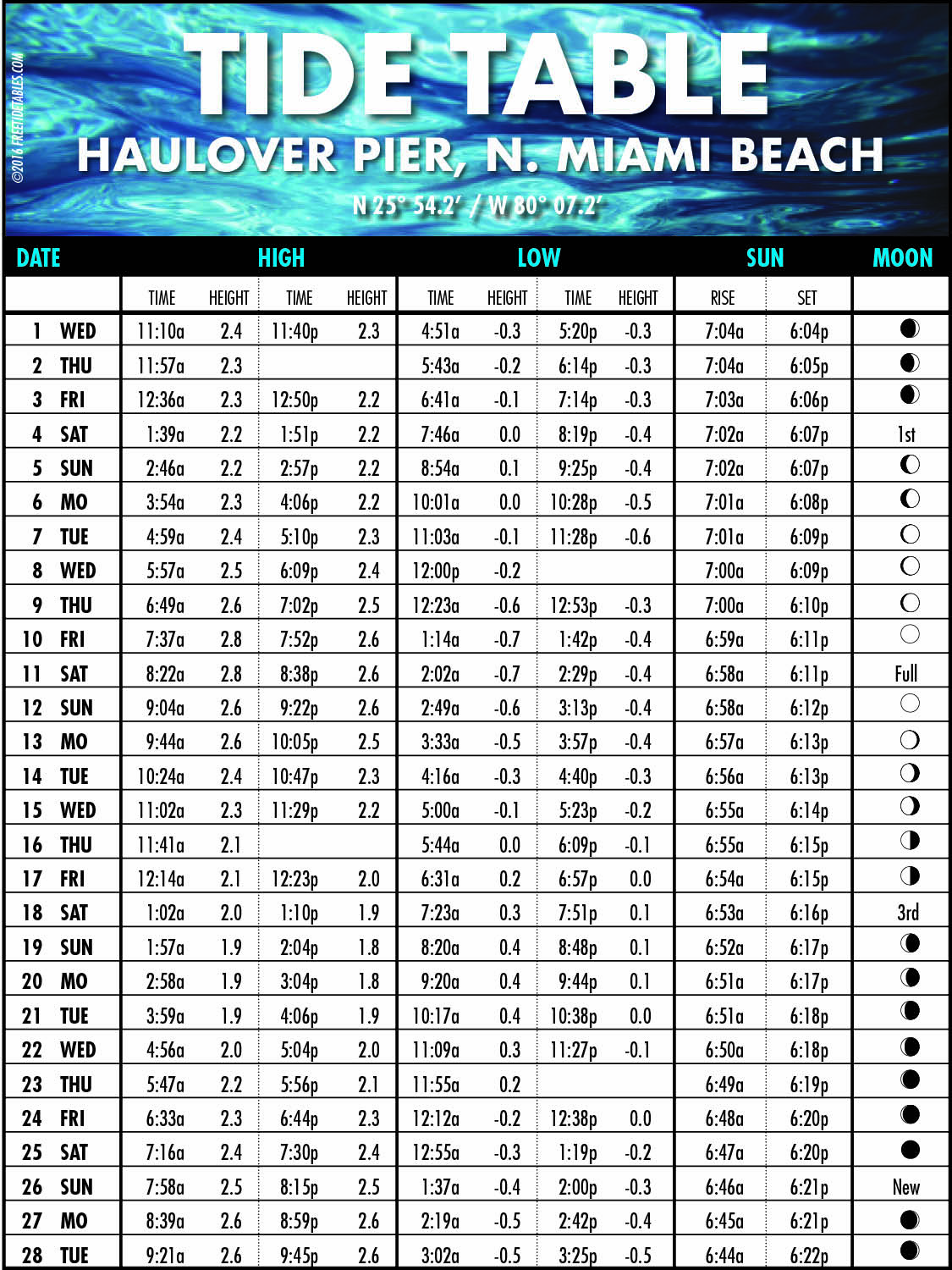
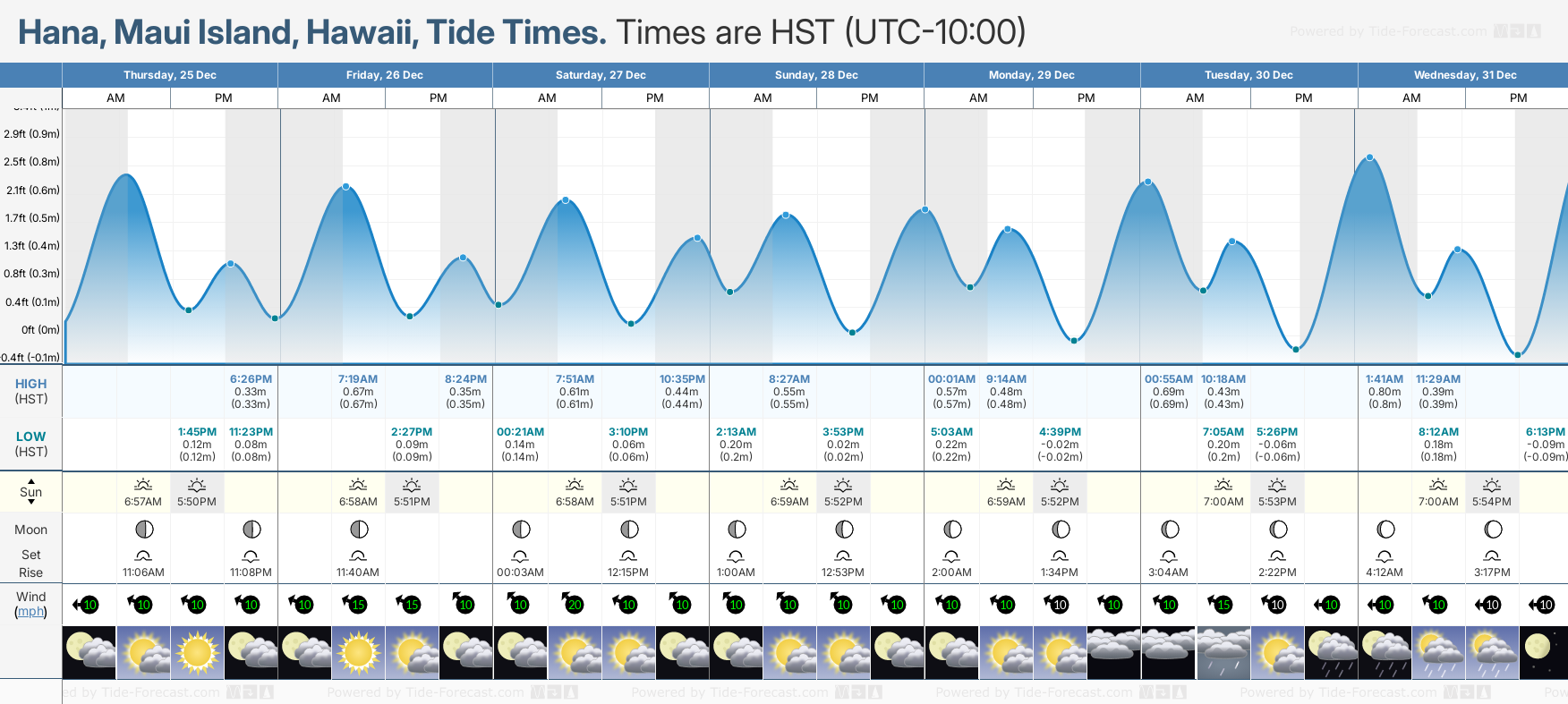
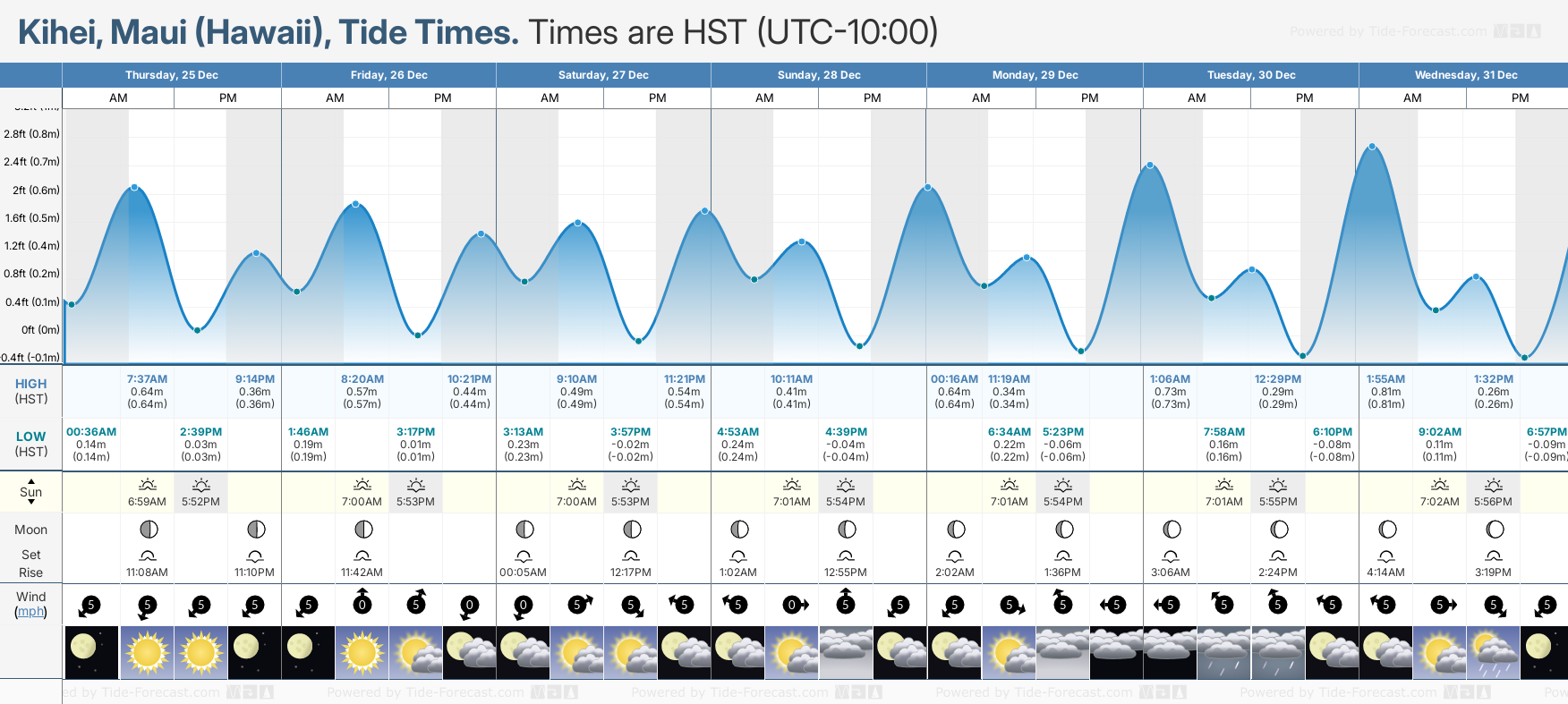
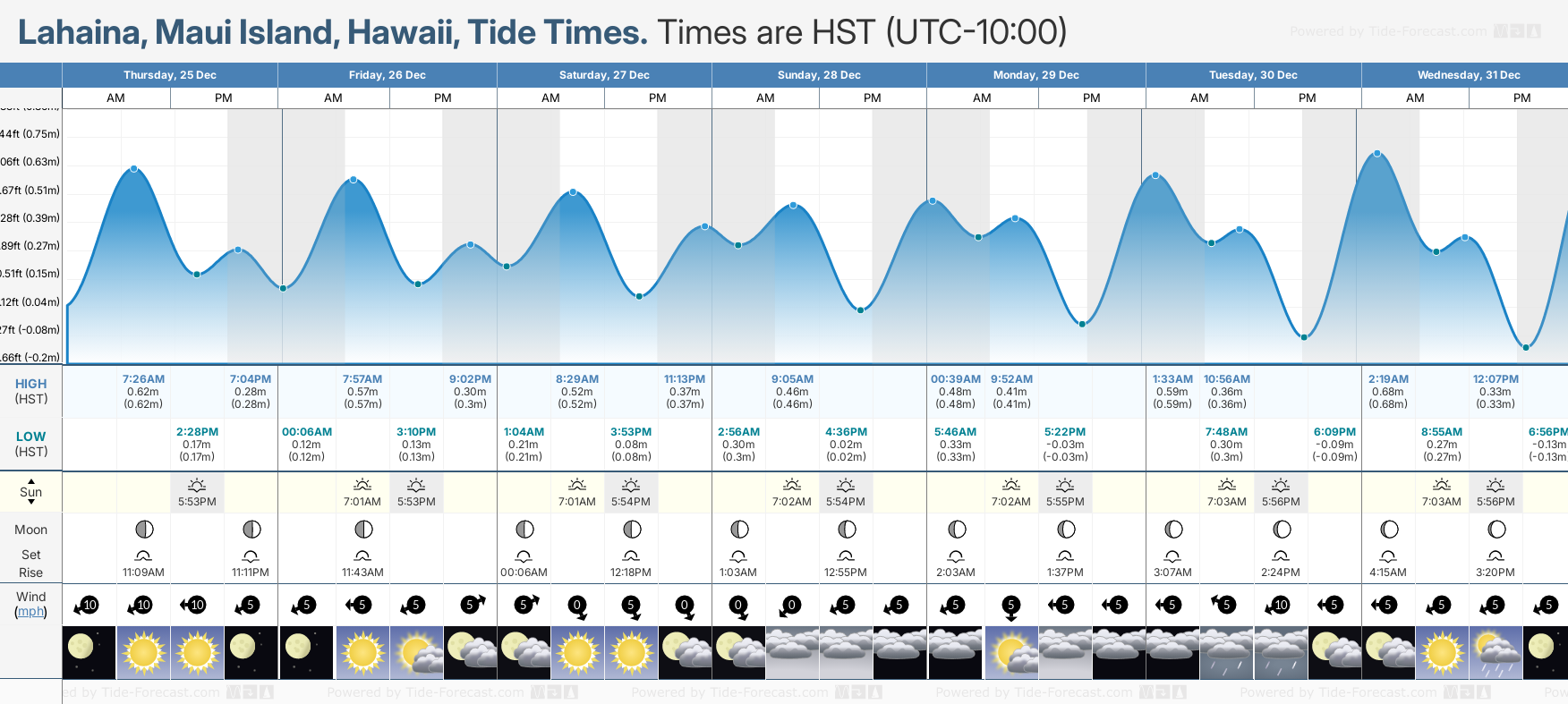
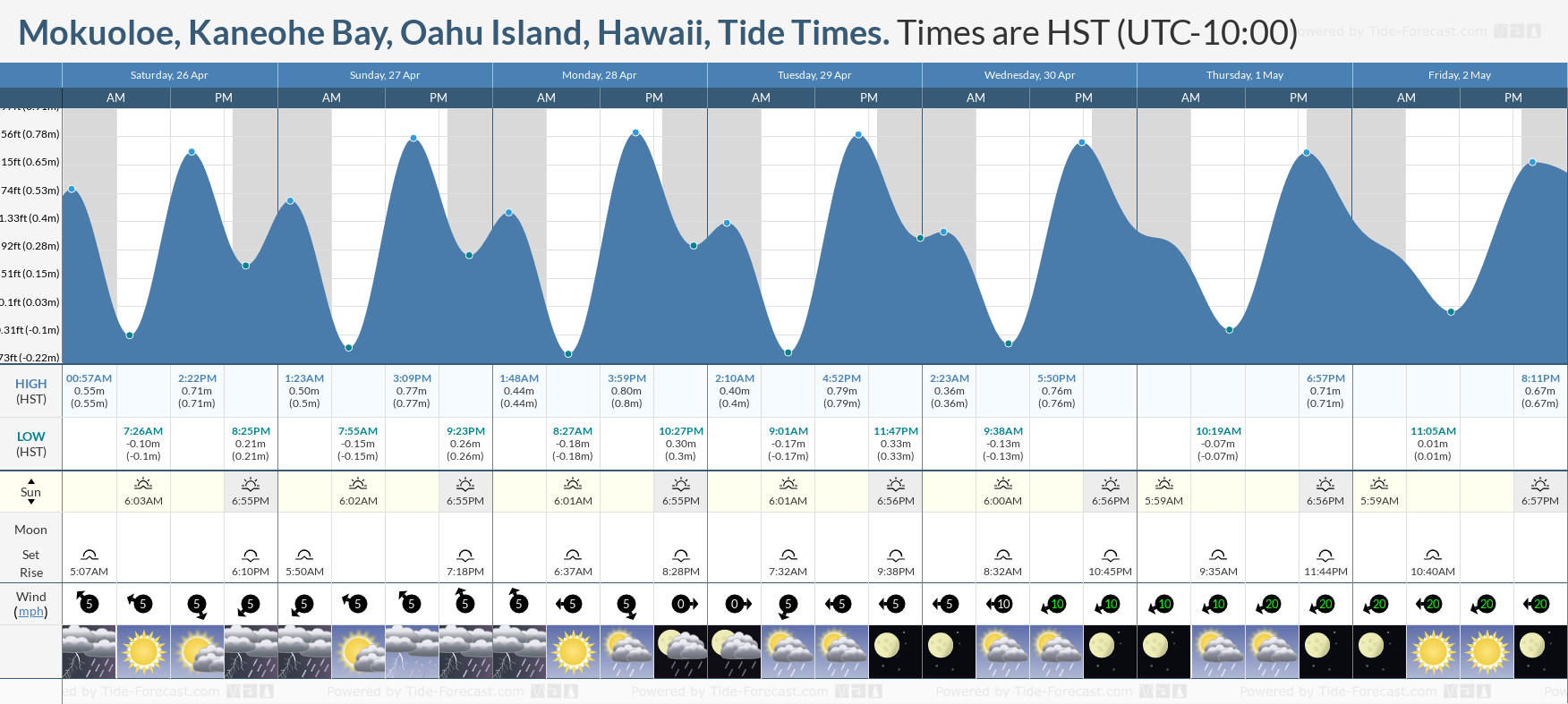
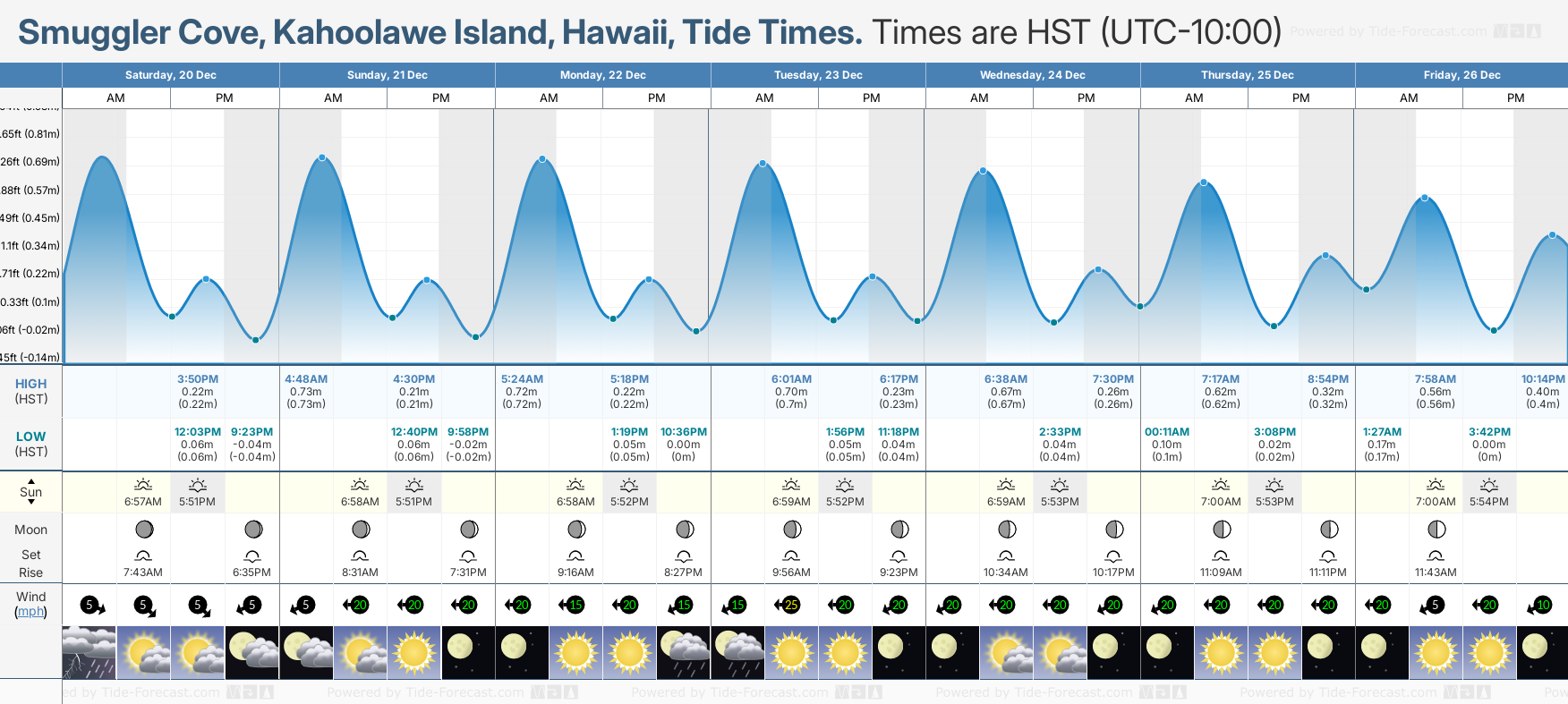
You've landed on this post because you're likely seeking a quick solution or some clarity on Maui's tide chart. It's a handy tool, a simple visual guide, that offers a snapshot of the ocean's tides and their timings. Whether you're planning a beach day, a fishing trip, or just need to know the tide heights, the Maui tide chart is your reliable companion. These charts can vary, offering different formats and details, but they all serve the same purpose: to provide an easy-to-read prediction of the ocean's tides.
Understanding Tide Patterns: A Guide to the Maui Tide Chart
The Maui tide chart is your go-to tool for predicting and understanding the ocean's movements around the Hawaiian island. It's like a secret code that reveals the rhythm of the tides, helping you plan your beach days, surfing adventures, or even fishing trips with precision.
Reading the Chart: Formats and Standards
Maui tide charts typically display two key pieces of information: the tide height and the time. The height is often shown in feet (ft) or meters (m), depending on the chart's standard. For example, a height of 2.5 ft indicates a relatively low tide, while 6 ft suggests a high tide. The time is usually in 24-hour format, so 14:00 is 2 pm. Some charts may also include additional info like the moon phase, which can influence tide patterns.
Step-by-Step: Using the Tide Chart Accurately
To make the most of your Maui tide chart, follow these simple steps:
- Identify the date and time you're interested in.
- Locate the corresponding time on the chart.
- Read the tide height for that time.
- Consider any additional info, like the moon phase, to get a fuller picture.
- Plan your activities accordingly!
For instance, if you're a surfer, you might prefer lower tides for certain breaks, while higher tides can create different wave conditions.
Common Misreadings and How to Avoid Them
It's easy to misinterpret a tide chart if you're not familiar with it. Here are some common mistakes and how to avoid them:
- Confusing tide height with water depth. Remember, the tide height is the vertical distance between the water's surface and a reference point, not the depth of the water.
- Assuming all charts are the same. Different charts may use different standards or units, so always check the labels and scales.
- Forgetting to account for time zones. If you're using a chart from a different region, ensure you convert the time to your local zone.
Key Factors Affecting Tide Variations
Several factors can cause variations in tide patterns, and understanding these can help you interpret your Maui tide chart more accurately:
- Ocean tides in Maui are influenced by the gravitational pull of the moon and sun.
- Local geography, such as bays, inlets, and reefs, can amplify or dampen tides.
- Weather conditions, especially strong winds, can affect water levels.
- Seasonal changes can lead to variations in tide heights and times.
- Human activities, like damming or dredging, can impact natural tide patterns.
By considering these factors and referring to your Maui tide chart, you'll be well-equipped to plan your activities around the island's dynamic tides.
Hey there, we hope you found this guide helpful and that it serves as a handy reference for your Maui adventures. Remember, the exact details of tide charts can vary slightly, so it's always a good idea to double-check and stay informed.
We've got more practical guides like this one, so feel free to explore and bookmark our site for future use. It's a great way to ensure you're prepared and can make the most of your time by the sea. Happy exploring!
Related: What's the deal with quilt sizes chart?
A quilt sizes chart can be a handy tool, but it's often misunderstood as a rigid, one-size-fits-all guide. In reality, these charts are flexible and adaptable, offering a range of standard sizes as a starting point for your quilting journey.
While the quilt sizes chart provides a great reference, it's important to remember that these dimensions can vary slightly depending on your region and personal preferences. Whether you're crafting a crib quilt size or aiming for a king-size masterpiece, understanding the chart is key to achieving your desired quilt measurements.
Understanding the Quilt Sizes Chart
The quilt sizes chart is your practical guide to creating quilts with precision and ease. It provides a clear overview of standard quilt dimensions, helping you choose the right size for your project and ensuring a perfect fit every time. This chart is a valuable resource for quilters, offering a quick reference to common quilt sizes and their measurements.
Comparing Quilt Size Categories
When exploring the quilt sizes chart, you'll notice a range of categories, each representing a specific quilt size. These categories are typically based on standard bed sizes, such as crib, twin, full, queen, and king. The chart provides the length and width measurements for each size, allowing you to select the right dimensions for your quilt. It's a simple and effective way to ensure your quilt fits its intended purpose.
Step-by-Step Guide to Using the Chart
Using the quilt sizes chart is straightforward. Here's a simple guide:
- Identify the intended use for your quilt. Are you making a crib quilt, a baby quilt, or a larger quilt for a bed?
- Refer to the chart and locate the relevant category.
- Take note of the length and width measurements provided. These are the standard dimensions for that particular quilt size.
- Measure your available space or the intended recipient's bed to ensure the quilt will fit perfectly.
- Use the chart's measurements as a guide to create your quilt pattern and ensure a comfortable and well-fitted result.
Avoiding Common Misreadings
While the quilt sizes chart is a reliable reference, it's essential to avoid common misreadings. Always double-check the units of measurement, as some charts may use imperial or metric units. Additionally, be aware that the chart provides standard measurements, and variations may exist based on personal preferences or specific projects. Always measure your space or the intended bed to ensure an accurate fit.
Factors Affecting Accuracy
Several factors can influence the accuracy of your quilt size selection. Firstly, the intended use of the quilt is crucial. A crib quilt will have different dimensions compared to a king-size bed quilt. Additionally, personal preferences and design choices can impact the final size. Some quilters may opt for a larger or smaller quilt, depending on their style and the recipient's needs. Always consider these factors when referring to the quilt sizes chart.
Adapting to Specific Needs
While the quilt sizes chart provides standard measurements, it's flexible enough to accommodate custom quilt dimensions. If you require a unique size, you can use the chart as a starting point and adjust the measurements to fit your specific needs. This adaptability allows quilters to create one-of-a-kind quilts that perfectly suit their vision and the intended recipient's preferences.
Keeping Your Reference Reliable
To ensure the continued reliability of your quilt sizes chart, it's essential to keep it updated and accessible. Regularly refer to reputable sources to verify the accuracy of the measurements, especially if you notice any significant changes in standard quilt sizes. Consider printing the chart or saving it digitally for easy reference during your quilting projects. By keeping your chart up-to-date, you'll always have a trusted guide for creating beautifully sized quilts.
Well, there you have it! A handy guide to quilt sizes, covering all the bases and giving you the tools to tackle any quilting project.
Remember, every quilter's needs are unique, so take a moment to ensure the sizes and standards you're using fit your specific project. With these tips and tricks, you'll be quilting like a pro in no time!
Feel free to explore our other guides and resources; we've got plenty of practical advice to offer, so you can keep crafting with confidence. Happy quilting!
Related: Decode Your Child's Behavior with an ABC Chart
Many people often assume that abc behavior charts are solely for teachers and classrooms, but they are so much more versatile and beneficial than that! While they are commonly used in educational settings, these charts are a powerful tool for anyone looking to track and improve behavior. The beauty of abc behavior charts lies in their simplicity and adaptability; they can be tailored to suit various contexts and goals.
Understanding the ABC Behavior Chart
The ABC Behavior Chart is a simple yet effective tool for tracking and managing behavior. It provides a visual representation of an individual's behavior patterns, helping to identify and address any issues or positive trends. This chart is a great way to encourage desired behaviors and set clear expectations.
Key Details and Categories
The ABC Behavior Chart consists of three main columns: Antecedent, Behavior, and Consequence. Each column represents a critical aspect of behavior analysis:
- Antecedent: This column notes the triggers or events that precede a behavior. It helps identify potential causes or situations that lead to certain behaviors.
- Behavior: Here, you record the actual behavior observed. It could be positive, negative, or neutral, depending on the context.
- Consequence: The final column details the outcome or response to the behavior. It could be a reward, a consequence, or simply a neutral reaction.
Additionally, the chart often includes a date and time column to track when behaviors occur. This provides a timeline for analysis and helps identify patterns.
Tracking Behavior: A Step-by-Step Guide
Using the ABC Behavior Chart is straightforward:
- Observe and Record: Start by noting the antecedent, the event or trigger that precedes the behavior. Be specific and descriptive.
- Describe the Behavior: Next, write down the behavior itself. Be objective and focus on the action, not judgments or interpretations.
- Note the Consequence: Finally, record the consequence or response to the behavior. This could be a reward, a redirection, or a neutral response.
- Analyze and Adjust: Regularly review the chart to identify patterns. Look for trends in behaviors and their antecedents. This analysis helps you understand what triggers certain behaviors and allows you to adjust your strategies accordingly.
Variations and Customizing the Chart
While the ABC Behavior Chart provides a standard framework, it can be customized to suit different needs and contexts. Here are some factors that may vary:
- Frequency: The chart can be used daily, weekly, or even monthly, depending on the behavior being tracked and the goals.
- Focus: The chart can be tailored to specific behaviors, such as focusing on positive behaviors or addressing challenging ones.
- Rewards and Consequences: The consequences or rewards listed can be adjusted based on individual preferences and the behavior intervention plan.
- Visual Design: The chart's design can be adapted to make it more engaging. Adding colors, icons, or even a point system can make it more appealing, especially for younger individuals.
Remember, the ABC Behavior Chart is a flexible tool. It's essential to review and adapt it to ensure it remains an effective behavior management strategy. By understanding the chart's core components and customizing it to your needs, you can create a powerful behavior tracking system.
Hey there! We've covered a lot of ground with the ABC behavior chart, and I hope it's given you a solid understanding of this practical tool. Remember, while the basics remain the same, the exact details might shift a little depending on your specific context or the source you're using. It's always a good idea to adapt and make it work for your unique situation.
So, the next time you need a quick refresh on this topic, be sure to bookmark this page for easy access. There's no need to scour the internet; you've got all the key info right here! Feel free to explore our other guides too; we've got plenty more practical tips and tricks to share. Happy learning!