







Minimal Painting Invoice Template Overview
I'm getting ready to tackle a how to remodel painting project and it's a bit daunting. I mean, where do I even start? I've never done this before and I want to make sure I do it right. So, I've been doing some research and I've learned a few things that I think might help others in a similar situation.
Understanding the Process
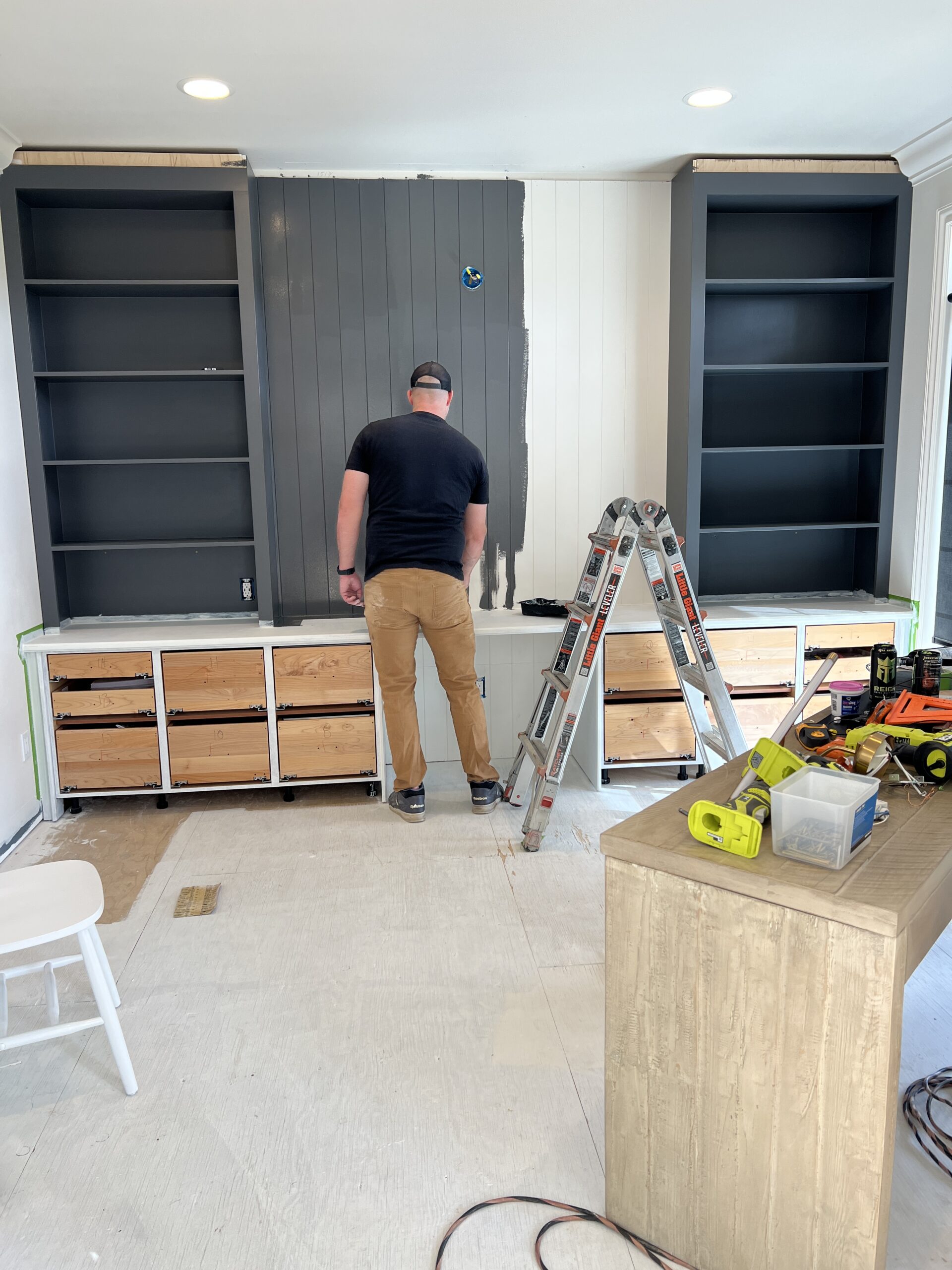
How to remodel painting is a specific type of home remodeling project that involves updating the look and feel of a room or space through a fresh coat of paint. It's a great way to transform a space without a major renovation, and it can be a fun and creative process. But, it's important to know what you're getting into and how to navigate the world of painting contractors and costs.
The first step is to assess the scope of your project. Consider the size of the space, the number of rooms, and the type of paint you want to use. This will impact the overall cost and the time it takes to complete the job. You'll also need to decide if you want to tackle the project yourself or hire a professional.
Hiring a Contractor
If you decide to hire a contractor, there are a few things to keep in mind. First, get multiple quotes. Compare prices, but also consider the quality of the work and the reputation of the company. Check online reviews and ask for references. A good contractor will be transparent about their process and pricing.
When comparing quotes, look for a detailed breakdown of the costs. This should include labor, materials, and any additional services like preparation work or special finishes. Make sure the quotes are for the same scope of work so you can make an apples-to-apples comparison.
Company Names and Reputation
The construction and remodeling industry is full of companies with unique names. A good company name should be memorable, easy to spell and pronounce, and reflect the nature of the business. It's also important to check the availability of the name and secure the relevant domain and local business registrations.
Some example names could be:
- Brushstroke Builders
- Colorful Creations
- Fresh Coat Pros
- Paint Perfect Pros
- Wall Wizards
- The Paint Pros
Construction Jobs and Salaries
The construction industry offers a range of jobs, from general contractors to estimators and project managers. Salaries can vary depending on experience, location, and the size of the company. It's a diverse industry with opportunities for growth and specialization. Many construction companies post job openings on their websites, and there are also dedicated construction job boards online.
Industry Tools and Data
Tools like RSMeans provide valuable data for the construction industry. They offer cost databases and escalation tools that help contractors and estimators calculate and manage project costs. This data is essential for accurate quotes and project planning. It ensures that costs are estimated correctly and that projects are profitable.
Large vs. Small Companies
The construction industry is diverse, with both large and small companies. Large companies often have more resources, allowing them to take on bigger projects and offer a wider range of services. They may also have more specialized staff. Small companies, on the other hand, can offer a more personalized service and may be more flexible in their approach.
Final Thoughts
How to remodel painting is a great way to update your home, and with the right approach, it can be a smooth and satisfying process. Remember to do your research, get multiple quotes, and choose a contractor who suits your needs and budget. It's a fun project that can really transform a space, so enjoy the process and the results!
Related: Unraveling the Trojan Size Chart Mystery
The Trojan size chart is a handy reference tool, offering a quick glance at condom sizes. This guide aims to demystify and simplify the process, ensuring you can easily navigate and understand the chart's information. It covers the essential details, providing a clear overview of standard condom sizes and their measurements. With variations in nominal width and length, the chart offers a visual representation, making it simple to find the right fit.
Understanding the Trojan Size Chart: A Quick Overview
The Trojan size chart is a valuable tool for anyone seeking a perfect fit and optimal protection when using condoms. It provides a standardized reference to help you choose the right size for your needs. This chart is designed to offer a clear and easy-to-understand guide, ensuring you can make an informed decision.
Comparing Condom Sizes: Standard Options and Formats
The Trojan size chart typically presents two key measurements: length and width. Length variations are common, and the chart accounts for this by offering a range of sizes. Width, often referred to as nominal width, is a more standardized measurement, usually given in millimeters (mm) or fractions of an inch. This dual approach ensures a comprehensive size guide.
Step-by-Step Guide to Using the Trojan Size Chart
To use the Trojan size chart accurately, follow these simple steps:
Measure your erect penis length. This is best done with a soft, flexible tape measure, ensuring an accurate and comfortable fit.
Note your girth (circumference) measurement. This is often more subjective and can be measured with a tape or string, then measured against a ruler.
Refer to the Trojan size chart and match your length and girth measurements to the closest size category.
Choose the condom size that aligns with your measurements.
Avoiding Common Misreadings and Pitfalls
One common mistake is assuming all condom brands use the same size standards. While the Trojan size chart is a great reference, it's important to note that other brands may have slightly different size categories. Always double-check the specific brand's size guide to ensure an accurate fit.
Factors Affecting Accuracy: Key Considerations
Erect length can vary, so it's essential to measure accurately and choose a condom that accommodates this range.
Girth (circumference) is a subjective measurement and can be influenced by factors like erection quality and personal comfort.
- Personal preference: Some may prefer a looser or tighter fit, which can impact the chosen size.
- Erection quality: The state of your erection can affect measurements and, consequently, the chosen size.
- Comfort and sensitivity: Consider your personal comfort and sensitivity when choosing a size.
Adapting the Trojan Size Chart for Specific Needs
The Trojan size chart offers a standard guide, but individual needs may vary. If you have specific requirements, such as a larger or smaller size, or if you prefer a particular brand, you may need to adapt the chart. Many brands offer extended size ranges, so exploring these options can ensure a perfect fit.
Keeping Your Reference Reliable for Future Use
To ensure the Trojan size chart remains a reliable reference, it's important to regularly update your measurements. Our bodies can change over time, so re-measuring periodically ensures you always choose the right size. Additionally, staying informed about any updates or changes to size standards or brand specifications will keep your reference accurate and up-to-date.
Well, there you have it, a comprehensive guide to Trojan size charts. With this knowledge, you can now approach your reference needs with confidence. Remember, while this guide provides a solid foundation, every situation is unique. It's essential to consider your specific context and requirements before making any final decisions.
Feel free to explore our other resources and guides; we have a wealth of information to help you navigate various topics with ease. Happy referencing!
Related: Understanding Screw Size Charts
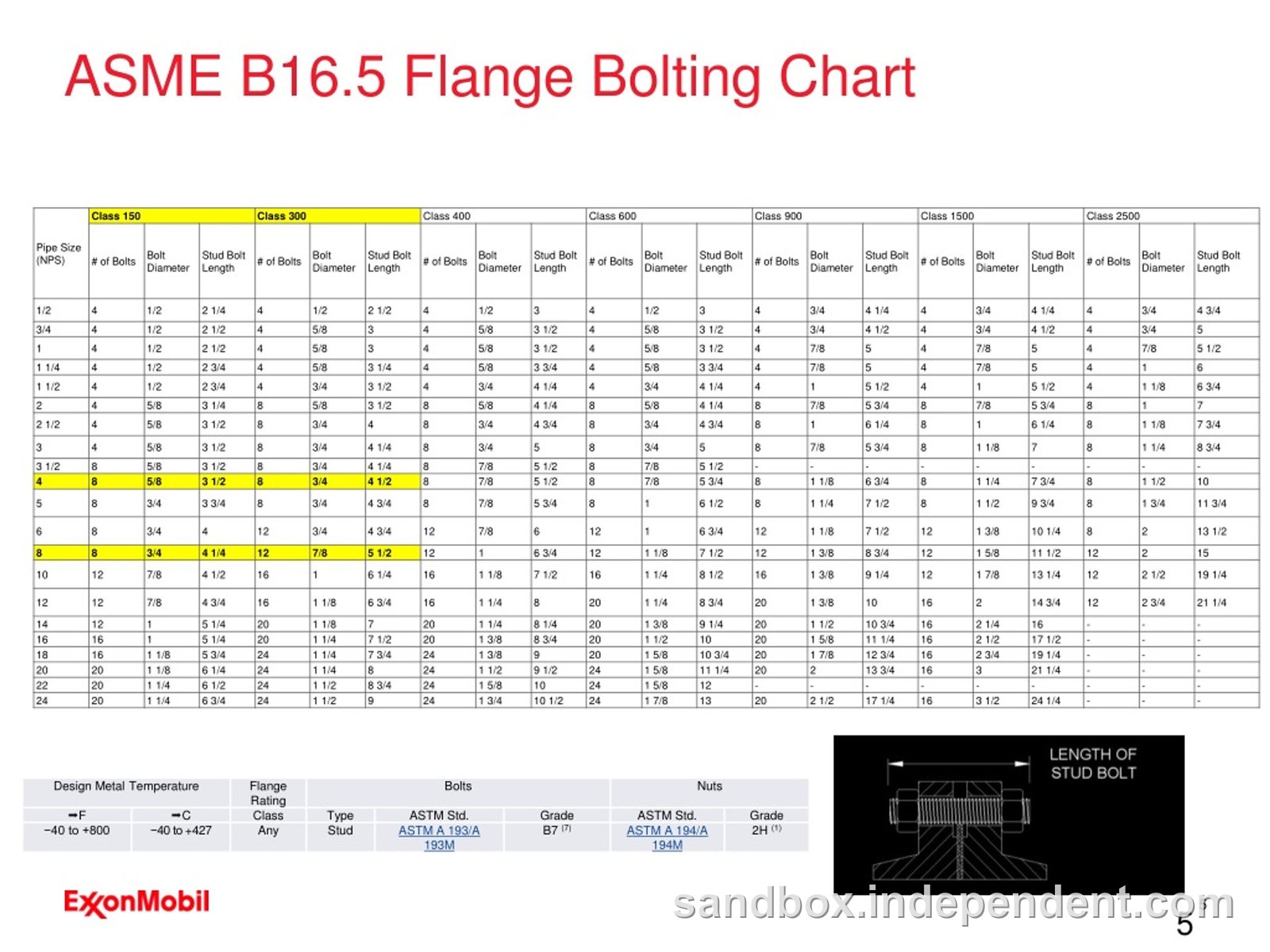
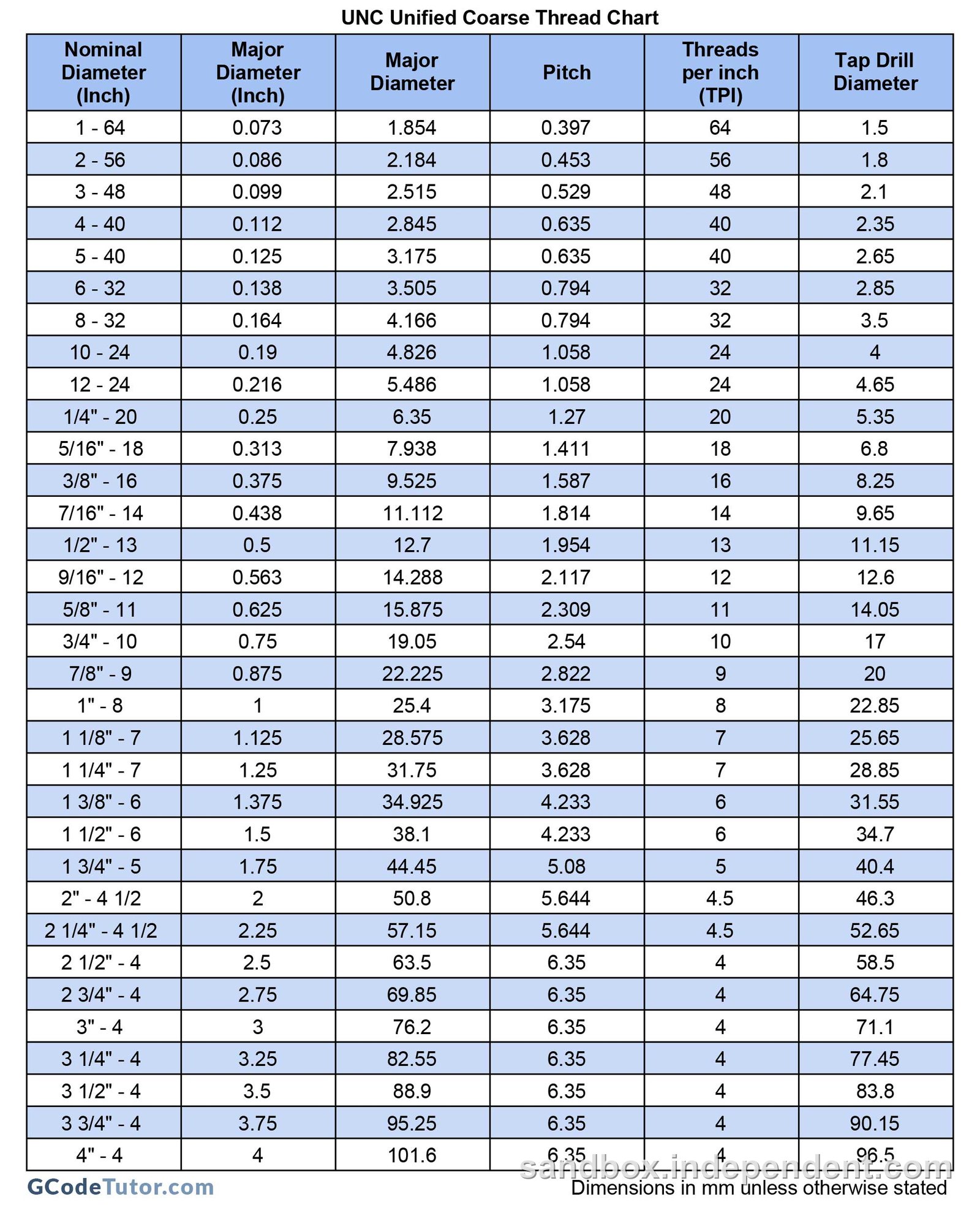
A screw size chart is a handy tool for anyone dealing with screws and fasteners. It's a simple yet effective way to ensure you're using the right size and type for your project. This guide will cover the basics, giving you the knowledge to read and utilize these charts with ease.
The chart provides a quick reference for various screw dimensions, including gauge, thread, and head type. While the values may differ slightly depending on the standard or region, the screw size chart offers a reliable starting point for your fastener needs.
Understanding the Screw Size Chart
A screw size chart is your practical guide to choosing the right screw for any project. It's a reference tool that simplifies the process of selecting screws based on their size, type, and intended use. This chart is a handy resource for anyone working with screws, from DIY enthusiasts to professional contractors.
Comparing Standards and Formats
Screw size charts can vary depending on the standard being followed. The two main standards are the metric system and the imperial system, with each having its own set of measurements and designations. The metric system is widely used internationally and offers a straightforward approach, while the imperial system, common in the US, uses a different set of thread sizes and designations. It's crucial to know which standard your project follows to ensure accurate screw selection.
Practical Screw Selection: A Step-by-Step Guide
Using a screw size chart is straightforward. Here's a simple process:
- Identify the screw's intended use. Different applications require specific screw types and sizes.
- Locate the relevant section on the chart based on the standard you're working with.
- Read across the chart to find the desired screw size. The chart typically displays screw length and diameter measurements.
- Match the measurements to the physical screw you need.
- Check the screw head type and drive style, which are often included in the chart.
- Select the appropriate screw based on your findings.
Avoiding Misreadings and Pitfalls
Misreading a screw size chart can lead to incorrect screw selection. Common mistakes include:
- Confusing metric and imperial measurements. Always double-check the standard being used.
- Misinterpreting screw head types. Pay attention to the symbols or descriptions provided.
- Overlooking drive style variations. Ensure the drive style matches your screwdriver or tool.
- Ignoring the screw's intended use. Different applications require specific screw characteristics.
Key Factors Affecting Accuracy
Several factors can influence the accuracy of your screw selection:
Screw gauge: The gauge refers to the thread pitch, which can vary and impact screw compatibility.
Head types: Different head shapes and sizes serve specific purposes and may affect your choice.
Drive style: The drive style, such as Phillips or flathead, must match your tool for easy installation.
Material: Screws are made from various materials, each with unique strengths and applications.
Finish: The screw's finish, like zinc plating or stainless steel, offers different levels of corrosion resistance.
Key factors:
- Screw gauge (thread pitch)
- Head type and size
- Drive style
- Material
- Finish
Adapting the Chart for Specific Needs
Screw size charts are versatile and can be adapted to suit specific projects. If you're working with unusual materials or have unique requirements, you may need to adjust the chart or seek expert advice. For instance, if you're dealing with soft materials, you might need longer screws to ensure a secure hold. Always consider the specific demands of your project to make the most accurate selection.
Keeping Your Reference Reliable
To ensure the reliability of your screw size chart, it's essential to keep it up-to-date. Regularly check for new standards and updates, especially if you work on diverse projects. Additionally, consider creating a personalized chart by noting down your frequently used screw sizes and their corresponding applications. This customized reference will streamline your selection process and reduce the risk of errors.
So, you've got your screw size chart, a handy tool to keep in your back pocket for any project. It's a simple yet effective reference, and with a few key considerations, you can ensure you're using it accurately.
Remember, these charts provide a great starting point, but your specific project and its unique requirements may vary. Always double-check the exact values and measurements you need, and don't be afraid to adapt and make it work for you. It's a useful guide, but it's not set in stone! Bookmark this page for a quick reminder, and you'll be a screw size expert in no time.