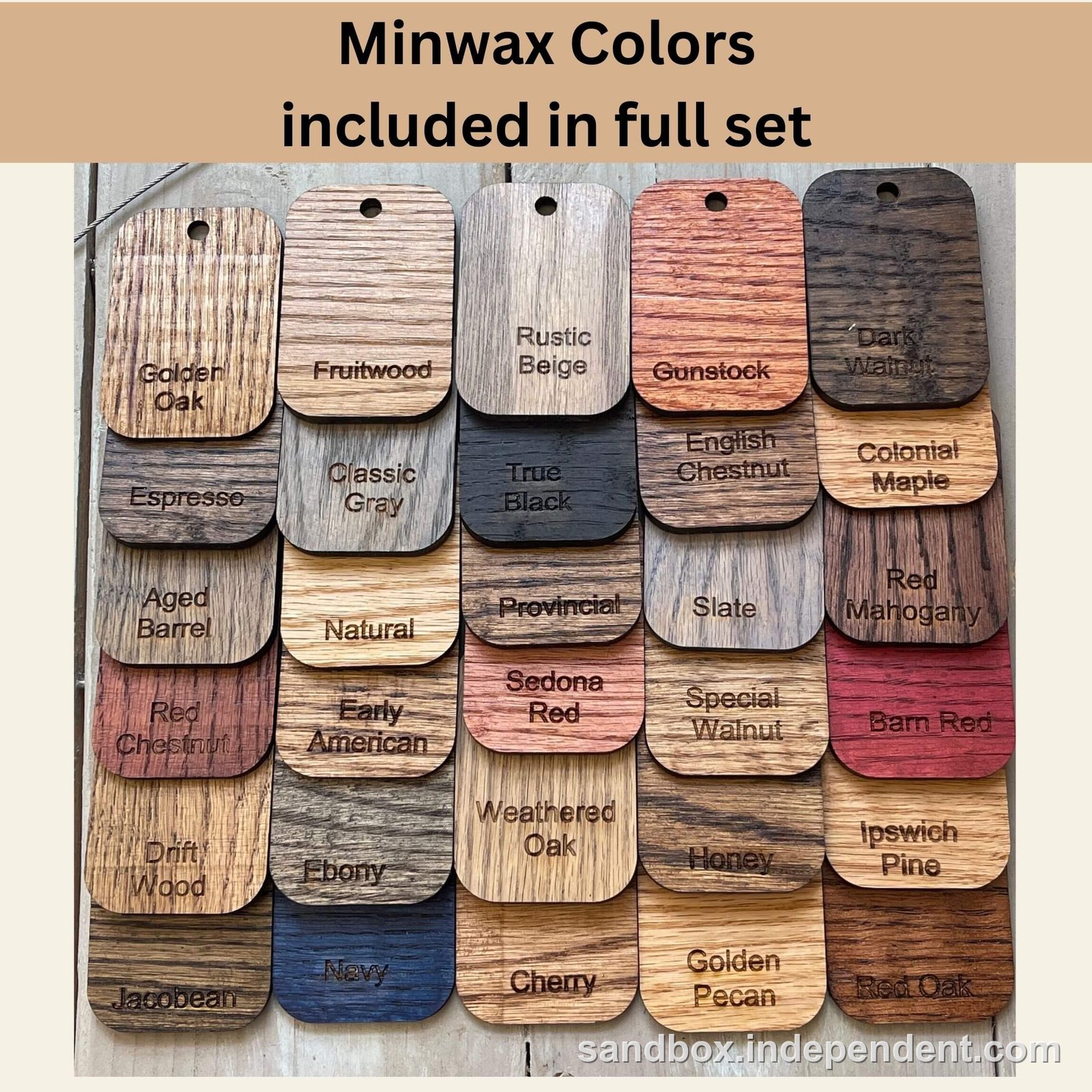







Minwax Stain Chart Sheet Overview
A common misconception about the horse colors chart is that it's solely for identifying a horse's color; however, it serves a more nuanced purpose. This chart is an essential tool, offering a comprehensive guide to understanding and categorizing equine coat colors and patterns. It provides a structured way to navigate the diverse world of horse colors, ensuring accuracy and consistency.
Horse Colors Chart: A Guide to Equine Coat Colors
The horse colors chart is a valuable tool for anyone interested in understanding and identifying the diverse range of coat colors found in horses. This reference guide provides a comprehensive overview of the various colors and patterns, helping you accurately describe and categorize equine coats.
Key Color Categories and Terminology
The chart organizes horse coat colors into several main categories, each with its own unique characteristics. These categories include:
- Base Colors: The foundation colors, such as bay, black, and chestnut, form the basis of many other variations.
- Dilute Colors: When a dilution gene is present, it modifies the base color, resulting in shades like palomino, buckskin, and cremello.
- Patterned Coats: These include distinctive patterns like pinto, which features large patches of white, and appaloosa, known for its unique spotted patterns.
- Markings and White Patterns: Separate from coat colors, these include facial markings like stars and blazes, as well as white leg markings.
Practical Color Identification: Step-by-Step
To use the horse colors chart effectively:
- Start by identifying the base color. Is it bay, black, or chestnut? This forms the foundation.
- Look for any dilution effects. Does the horse's coat appear lighter than the base color? This could indicate the presence of a dilution gene.
- Note any distinctive patterns. Are there large white patches, indicating a pinto, or unique spots, suggesting an appaloosa?
- Observe and record any facial or leg markings. These add further detail to your color description.
- Combine these observations to determine the horse's overall coat color and pattern.
Variations and Differences Across Standards
It's important to note that horse colors chart standards may vary slightly between different regions and organizations. While the basic categories remain consistent, specific definitions and terminology can differ. For example, some charts may include more detailed subcategories for certain colors or patterns. Always refer to the specific standard or association for precise definitions.
Common Mistakes and How to Avoid Them
- Misinterpreting Dilution: Mistaking a dilute color for a base color is common. Always look for signs of dilution, such as lighter eyes or a lighter mane and tail.
- Confusing Patterns: Pinto and appaloosa patterns can be similar at first glance. Take time to observe the size, shape, and distribution of white or spotted areas.
- Neglecting Markings: Facial and leg markings are unique identifiers. Don't overlook these when describing a horse's color.
- Relying on One Reference: While the horse colors chart is a great tool, it's beneficial to cross-reference with other resources or experts to ensure accuracy.
Tips for Accurate Color Description
- Lighting and Time of Day: Observe the horse's coat in various lighting conditions and times of day. Some colors may appear different under different lighting.
- Distance and Angle: View the horse from different angles and distances to get a comprehensive understanding of its coat.
- Compare and Contrast: Use reference images or consult with experienced horse owners or breeders to compare and confirm your observations.
- Document and Record: Keep a record of the horse's color and markings, especially if you're working with multiple horses. This helps with accurate identification and description.
By following these steps and tips, you can accurately utilize the horse colors chart and enhance your understanding of equine coat colors.
Remember, while this chart serves as a fantastic reference, it's always wise to cross-reference with other resources or experts in your field to ensure you're up-to-date with the latest standards and practices.
Take a moment to review the specific requirements of your project or context. Every situation is unique, and while this guide provides a solid foundation, it's important to tailor your approach accordingly. Consider bookmarking this page for future reference; it might just save you some time and effort down the line!
Related: How to Read the FDNY Salary Chart?
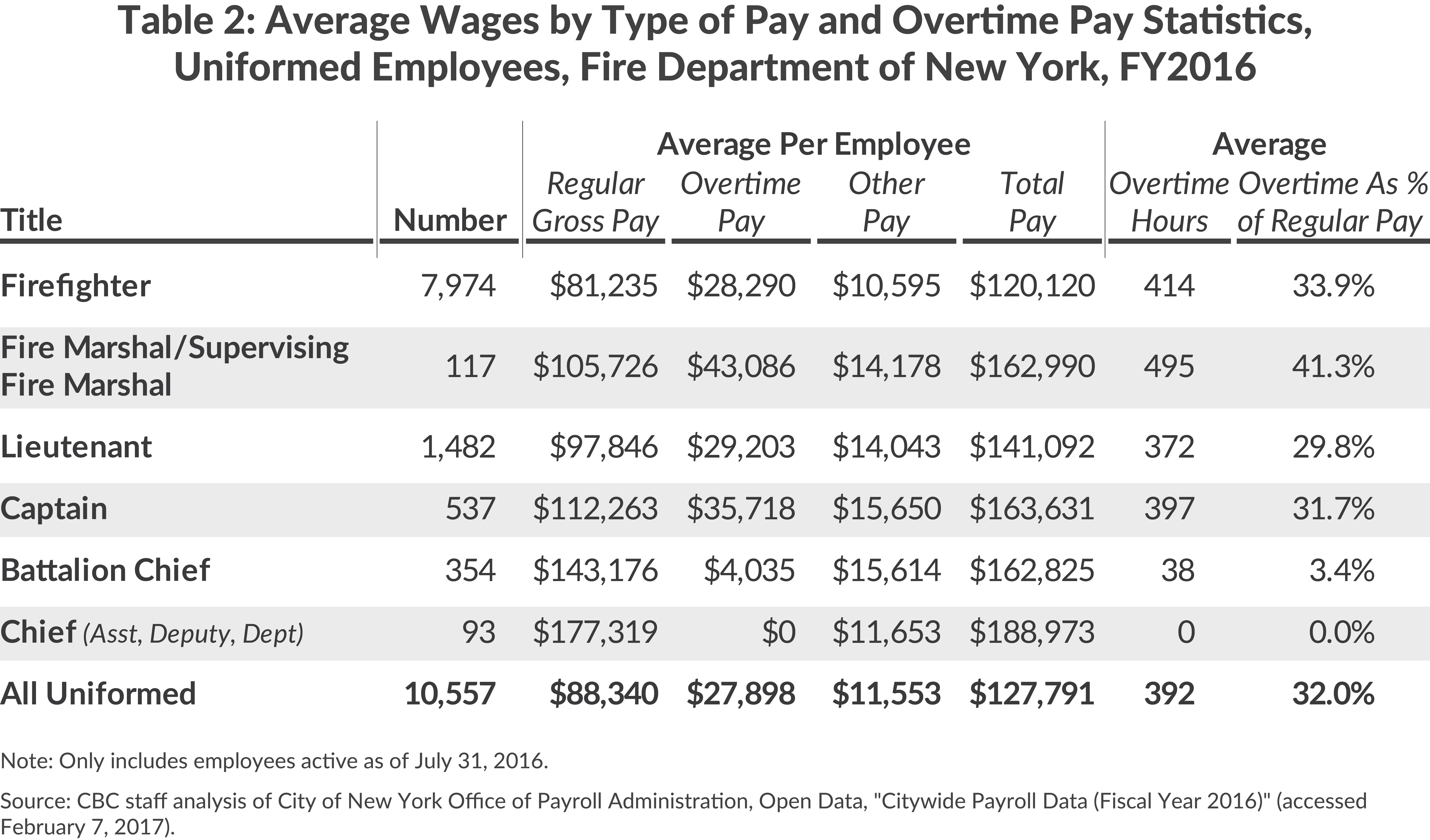
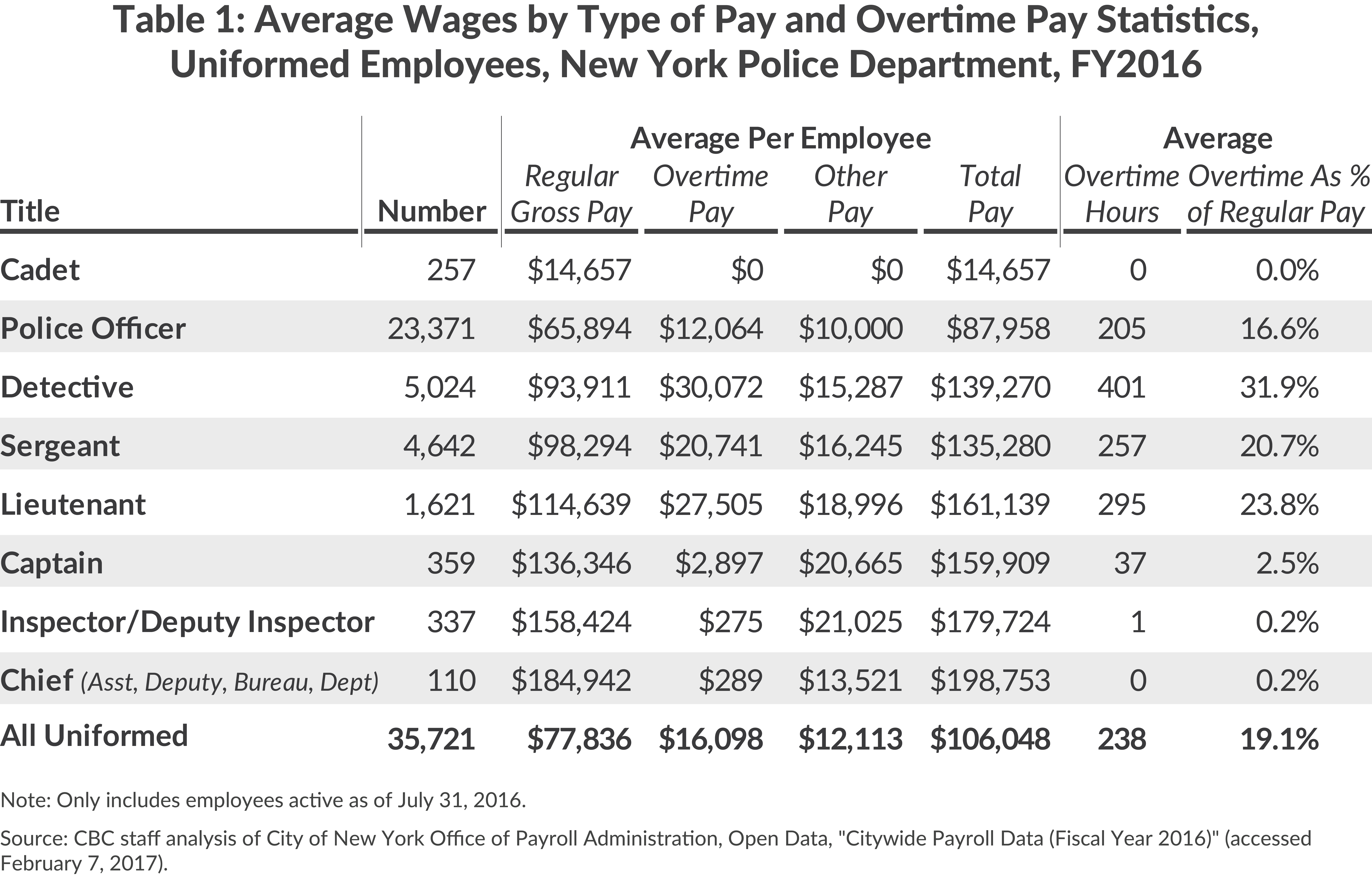
You're here, searching for that fdny salary chart, probably to get a quick glimpse of the numbers and understand what you're dealing with. It's a handy reference, and these charts can vary, so it's great to have an overview. The FDNY salary structure is designed to reward experience, and you'll see that reflected in the different roles and their pay grades. From firefighters to EMS, captains, and lieutenants, each position has its own pay scale, and the fdny salary chart gives you a snapshot of these.
Understanding the FDNY Salary Chart
The FDNY salary chart is a valuable tool that provides insight into the compensation structure for firefighters and emergency medical services (EMS) personnel within the Fire Department of New York City (FDNY). It offers a clear overview of the salary ranges, rank-based pay, and benefits associated with different positions.
Key Details and Categories
When examining the FDNY salary chart, you'll notice it's organized by rank and position. The chart typically includes roles such as firefighters, lieutenants, captains, and EMS personnel. Each position is further categorized by years of service or experience, with corresponding salary ranges. Additionally, the chart may provide information on overtime pay and pension calculations, which are essential components of FDNY compensation.
Reading and Applying the Chart
To utilize the FDNY salary chart effectively, follow these steps:
- Identify your position and rank within the FDNY. This is crucial as it determines your specific salary range.
- Locate your rank on the chart and find the corresponding salary column. Ensure you're considering the correct pay grade based on your years of service.
- Review the salary range provided for your position and rank. This range typically represents the minimum and maximum earnings for that role.
- Understand that overtime pay is often calculated separately and may not be included in the base salary range.
- If you're planning for retirement, use the pension calculator section of the chart to estimate your pension benefits.
- Remember, the chart provides a general overview, so individual circumstances and factors may impact your exact compensation.
Variations and Differences
Salary variations within the FDNY can occur due to several factors:
- Years of Service: As you gain experience and progress in your career, your salary range typically increases.
- Rank and Position: Different ranks and positions within the FDNY have distinct salary structures.
- Overtime Pay: FDNY personnel may earn additional income through overtime work, which can significantly impact their overall compensation.
- Pension Benefits: Retirement benefits vary based on individual contributions and years of service.
- Special Assignments: Certain roles or assignments within the FDNY may come with unique compensation packages.
Common Mistakes and How to Avoid Them
When interpreting the FDNY salary chart, avoid these common pitfalls:
- Assuming the chart covers all aspects of compensation: Remember, it provides a general overview. Double-check with official FDNY resources for detailed information on specific benefits and allowances.
- Ignoring rank-based pay differences: Each rank has its own salary range, so ensure you're considering the correct pay grade.
- Overlooking overtime pay: Overtime work can significantly boost your earnings, so factor it into your financial planning.
- Forgetting about pension calculations: Retirement planning is crucial. Use the pension calculator to estimate your future benefits accurately.
- Not considering individual factors: Your exact compensation may vary based on personal circumstances and performance. Consult with FDNY resources for a precise understanding of your earnings.
Well, there you have it! A handy guide to understanding the FDNY salary chart. It's always good to have a clear picture of the numbers, and now you know where to start.
Remember, these figures are a great reference, but it's important to check the specifics for your situation. Exact values may differ slightly, so always double-check the official sources for your context. It's a quick and easy process, and now you have the tools to do it confidently.
Related: Get the Right Fit: New Era Size Chart
A new era size chart is your go-to tool for finding the perfect fit for your headgear. This guide will show you how to navigate and utilize these charts effectively, ensuring you get the right size every time.
Whether you're after a classic new era hat or a trendy cap, understanding the size chart is key. It's a simple process, but one that can vary slightly depending on the style and brand. We'll cover the basics and some tips to ensure you're confident in your measurements.
Understanding the New Era Size Chart
The new era size chart is your go-to guide for finding the perfect fit when it comes to New Era hats and caps. This chart is designed to help you determine your ideal size, ensuring a comfortable and stylish headwear experience.
Key Details and Categories
Before diving into the chart, let's break down some essential information. The new era size chart typically uses a numerical system, ranging from 6 3/4 to 8, with increments of 1/4. These numbers represent the head circumference measurements in inches. So, if you have a head circumference of 22 inches, you'd be looking at a size 7. It's a simple and straightforward system!
How to Read and Apply the Chart: A Step-by-Step Guide
- Measure your head circumference. This is the most crucial step for an accurate fit. Wrap a flexible tape measure around your head, just above your ears and eyebrows. Ensure the tape is not too tight or too loose.
- Refer to the new era size chart. Locate your measured head circumference on the chart. The chart will provide you with the corresponding hat size.
- Choose your style. New Era offers various hat styles, including the iconic era 59 fit and the adjustable fifty caps. Select the style that suits your preference and occasion.
- Try it on! Once you've received your hat, give it a test run. A well-fitted hat should sit comfortably on your head, not too tight or too loose. It should stay put without slipping or feeling restrictive.
Size Variations: Why They Happen
It's important to note that head circumference measurements can vary slightly due to factors like hair volume, hairstyle, and personal preference. Additionally, standard hat sizing may differ slightly between regions and manufacturers. Some brands might offer a slightly different sizing system, so always double-check the specific new era size chart for the most accurate fit.
Common Mistakes and How to Avoid Them
- Measuring inaccurately: Ensure you measure your head circumference correctly. A slight error can lead to an ill-fitting hat. Take your time and be precise.
- Assuming sizes are universal: While new era size chart is a great guide, it's not a one-size-fits-all solution. Different hat styles and brands may have slight variations, so always refer to the specific size chart for the style you're interested in.
- Neglecting personal preference: Comfort and style are subjective. Consider your personal comfort level and the intended use of the hat. If you prefer a looser fit, go for a slightly larger size, and vice versa.
- Overlooking adjustments: Some New Era hats, like the fifty adjustable caps, offer a range of sizes within a single hat. These adjustments provide flexibility, so make sure to utilize them for the perfect fit.
Well, there you have it! A size chart that's a handy tool for anyone navigating the world of sizing. It's a simple guide, but one that can save you time and ensure a perfect fit.
Remember, while this chart offers a great starting point, exact values can vary, so always check your specific needs. It's a good idea to bookmark this page for future reference; you never know when you'll need a quick sizing solution!