




Modern Babysitting Invoice Template Xlsx Overview
"Wow, that construction site looks busy! I wonder how they plan and cost all these projects. It must be a lot of work, and someone has to do it. I'm curious about junior estimator salaries and what that job entails."
Estimating: The Foundation of Construction
As a building project begins, someone has to estimate the costs. That's where junior estimators come in. They play a crucial role in the early stages, helping to shape the financial plan. It's a detailed process, and their work affects the entire project. So, what does a junior estimator do, and what can you expect from this role?
Estimators gather data, analyze costs, and create detailed reports. They consider materials, labor, and any specific requirements. It's a precise job, and estimators must be accurate to avoid costly mistakes. They work with contractors, architects, and clients to ensure everyone is on the same page. The role is an important one, and it's a great starting point for a career in construction.
A Day in the Life of a Junior Estimator
A typical day might involve researching and comparing prices for materials. Estimators need to find the best deals without compromising quality. They also calculate labor costs, considering the scope of the project and the required skills. It's a balancing act, ensuring the estimate is competitive while also being realistic. Junior estimators often work with more experienced colleagues, learning the trade and developing their skills.
Finding a Junior Estimator Role
If you're interested in this field, you'll likely find opportunities with construction companies, remodeling firms, and even larger building organizations. It's a role often filled by recent graduates or those with some relevant experience. When looking for jobs, check online job boards and company websites. You might also find openings through industry connections or by approaching companies directly.
What to Expect from the Salary
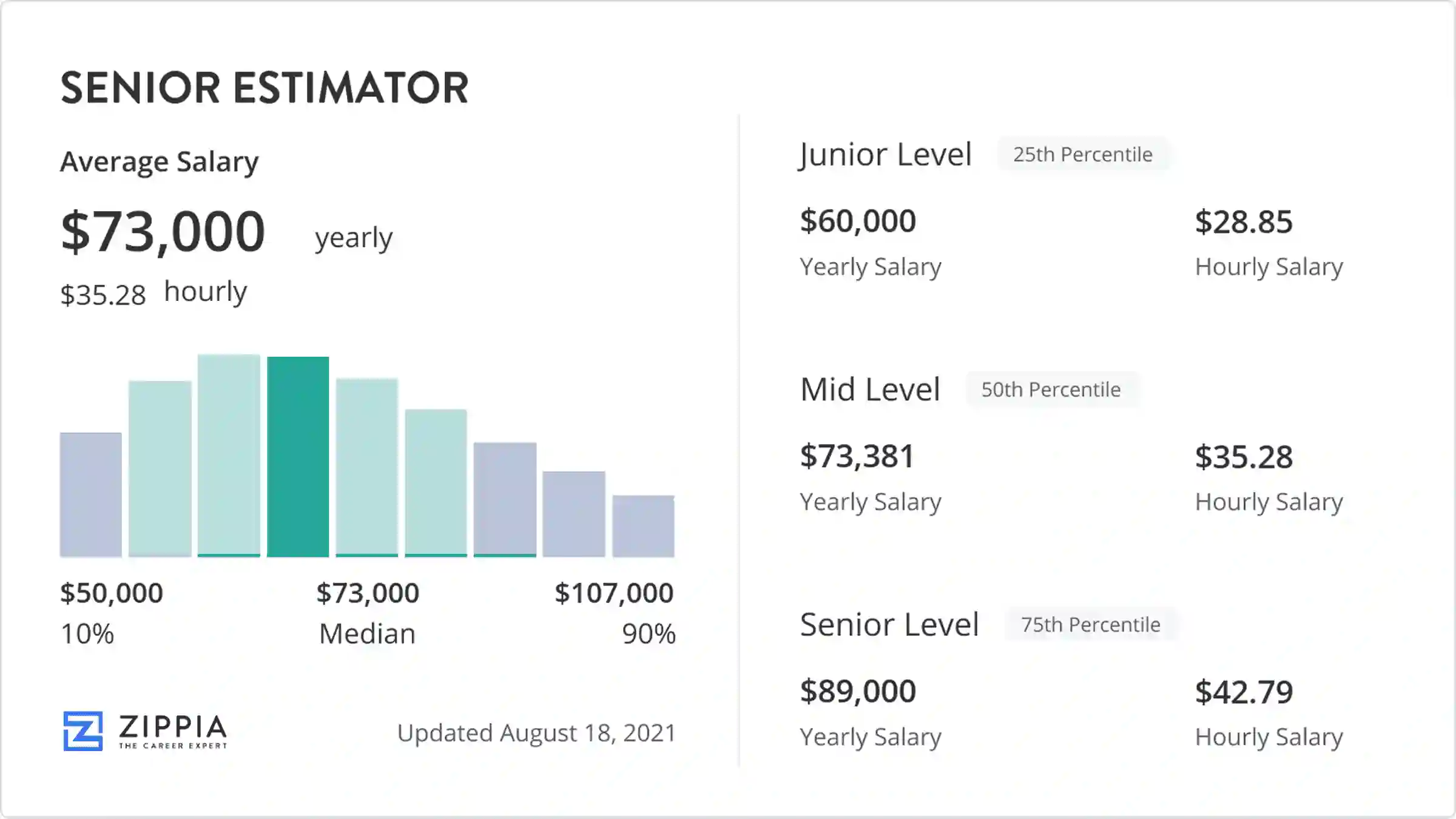
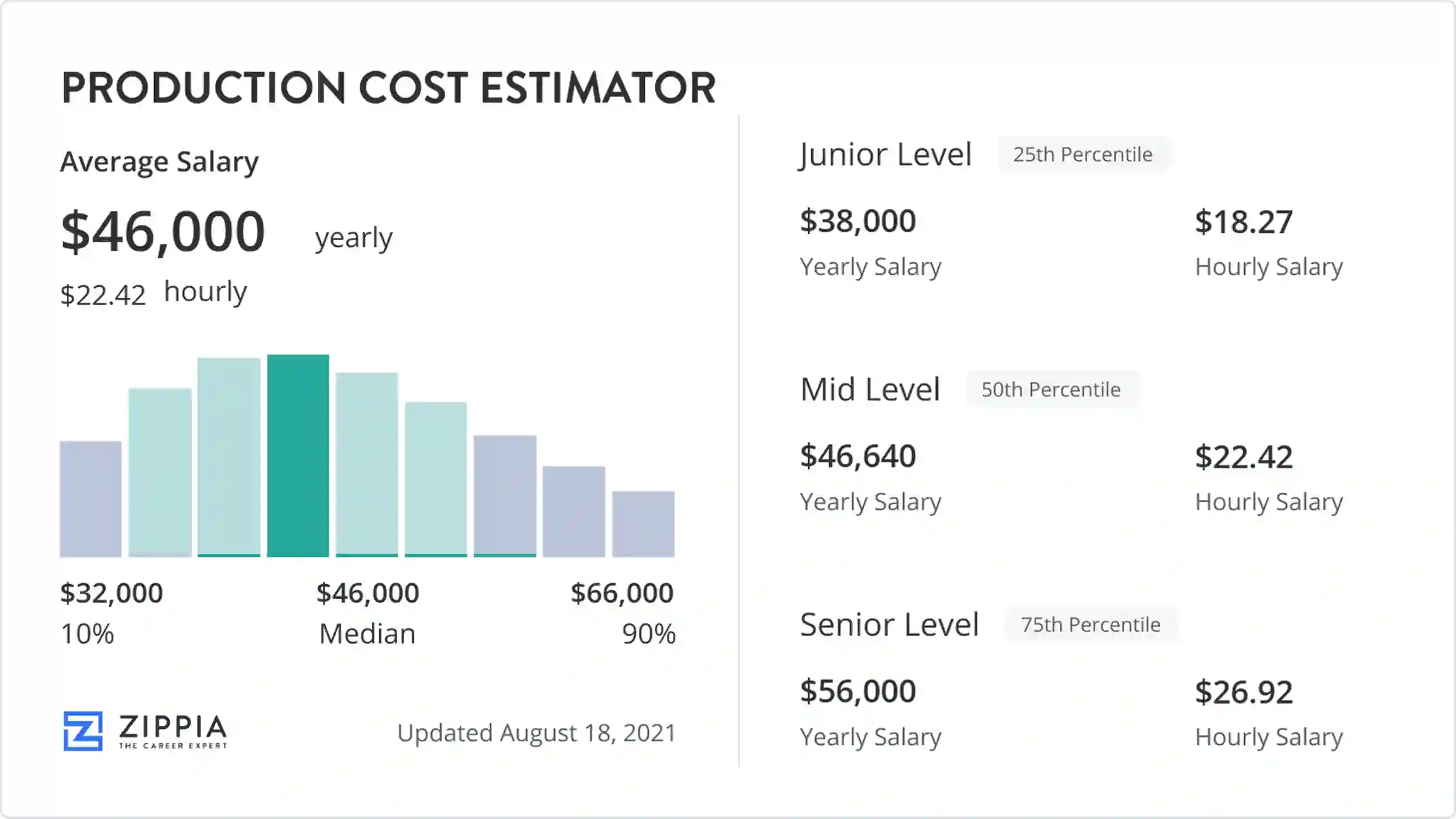
Junior estimator salaries can vary depending on the company, location, and your experience. It's a role that often comes with a set salary, rather than an hourly rate. As you gain experience, your salary is likely to increase. It's a great starting point, offering a stable income and the chance to develop valuable skills.
Building a Career in Estimating
Estimating is a specialized field, and with experience, you can progress to more senior roles. These roles often involve managing a team and taking on larger, more complex projects. You might also specialize in a particular area, such as commercial or residential construction. The skills you develop as an estimator are highly valued and can open doors to other roles in the industry.
Wrapping Up
So, there you have it! A glimpse into the world of junior estimators and their important role in construction. It's a fascinating field, and one that offers a great career path. If you're considering a role in estimating, I'd encourage you to research further and explore the opportunities. It's a rewarding career with plenty of room to grow and develop.
Related: Unravel the Tog Rating Chart: A Simple Guide
A common misconception about tog rating charts is that they are complex and confusing, but in reality, they are a simple and effective tool for understanding fabric and bedding warmth. This chart, often presented as a visual guide, provides a clear indication of thermal resistance, making it an accessible reference for anyone seeking insulation performance information.
While the exact values and formats may vary depending on standards and regions, the tog rating chart remains a reliable indicator, offering a quick and easy way to compare and choose the right warmth level for your needs. Whether you're looking at bedding or fabric weight, this chart simplifies the process, ensuring an accurate and informed decision.
Understanding the Tog Rating Chart
The tog rating chart is a valuable tool for anyone seeking to understand the warmth and insulation provided by different fabrics and materials. This chart offers a standardized way to measure and compare the thermal resistance of various items, from bedding to clothing. By using the tog scale, you can make informed decisions about the warmth and comfort you need for different seasons and activities.
Comparing Tog Ratings: Standards and Categories
Tog ratings typically range from 1 togo to 15 togs, with each number representing a specific level of warmth. Lower tog values indicate lighter, cooler fabrics, while higher togs signify greater insulation and warmth. The chart often includes categories such as 'Summer', 'Autumn/Spring', and 'Winter', making it easy to choose the right level of warmth for the season. It's important to note that tog ratings can vary slightly depending on the standard used; common standards include the international metric system and specific regional guidelines.
Step-by-Step Guide: Reading the Tog Rating Chart
To read and utilize the tog rating chart effectively, follow these steps:
- Identify the item you want to assess, whether it's a duvet, blanket, or garment.
- Locate the tog rating on the label or packaging. If it's not provided, you may need to contact the manufacturer for this information.
- Refer to the chart and find the corresponding tog value.
- Match the tog value with the appropriate season or activity category. For instance, a tog rating of 4 is suitable for summer, while a rating of 10 is ideal for autumn or spring.
- Consider personal preferences and the specific climate you'll be using the item in. If you tend to feel cold easily, you might opt for a slightly higher tog rating.
Avoiding Misinterpretations: Common Pitfalls
One common mistake is assuming that a higher tog rating always indicates better quality. While a higher tog generally means more warmth, it doesn't necessarily reflect the overall quality or durability of the item. Additionally, some materials, like down, can provide excellent warmth with lower tog ratings due to their natural insulating properties. Always consider the material and construction alongside the tog rating.
Factors Affecting Accuracy: Key Considerations
- Fabric Type: Natural fibers like cotton and wool have different insulating properties compared to synthetic materials.
- Thickness: The physical thickness of the fabric or filling can impact warmth, even if the tog rating is the same.
- Climate: Regional climates and personal preferences can influence the ideal tog rating for a specific item.
- Activity: The level of physical activity and the resulting body heat generation can affect the required tog rating.
Adapting the Tog Rating Chart for Your Needs
While the tog rating chart provides a standardized guide, it's flexible enough to accommodate specific needs. If you require a more precise measurement, you can convert tog ratings to clo values, which are used in the clothing industry. This conversion allows for a more detailed analysis of insulation performance. Additionally, some charts offer sub-categories or variations to account for different fabric types or intended uses, ensuring you find the right fit for your requirements.
Well, there you have it! A comprehensive guide to TOG ratings, covering all the bases. I hope this has been a useful reference for you and has clarified any uncertainties.
Remember, while this guide offers a solid framework, every situation is unique. Double-check your specific needs and ensure you're applying the right TOG rating for your project. Exact values may vary, so always refer back to this chart as a reliable starting point.
Feel free to bookmark this page for future reference. It's always good to have a quick, handy reminder for those moments when you need a refresh on TOG ratings. Happy rating!
Related: How to Understand the Navajo Clan Chart?
You're here, perhaps with a Navajo clan chart in front of you, wanting a straightforward guide to understanding this unique system. These charts are an essential tool for anyone exploring Navajo culture and its intricate kinship ties. While the Navajo clan chart may seem complex at first, with its specific symbols and terms, it's a valuable resource for navigating the traditional Navajo family structure and its unique clan system diagram.
Understanding the Navajo Clan Chart
The navajo clan chart is a fascinating tool that provides insight into the traditional Navajo kinship system. It visually represents the complex web of relationships and connections within Navajo communities, offering a unique perspective on their cultural heritage.
Key Details and Categories
This chart is a reference guide to the Navajo clan system, which is based on a complex set of relationships and roles. It consists of various symbols and categories that represent different clans, their affiliations, and the associated kinship terms. The chart typically includes four main sections: clan names, kinship terms, clan affiliations, and symbols. Each section provides specific information to navigate the clan system effectively.
Reading the Chart: A Step-by-Step Guide
- Start by identifying the clan names. These are often represented by unique symbols or icons. Understanding the clan names is crucial as they form the foundation of the kinship system.
- Next, locate the kinship terms. These terms describe the relationships between individuals within the clan system. For example, there are specific terms for parents, siblings, cousins, and other extended family members.
- Clan affiliations are an essential part of the chart. They indicate the relationships between different clans and how they are interconnected. This section helps navigate the complex web of clan relationships.
- Symbols play a significant role in the navajo clan chart. Each symbol represents a specific clan or kinship term. Learning to recognize these symbols is key to understanding the chart's visual representation.
Common Variations and Differences
While the navajo clan chart provides a comprehensive overview, it's important to note that variations may exist across different Navajo communities and regions. These variations can include slight differences in kinship terms, clan names, or even the visual representation of symbols. It's essential to be aware of these potential variations when using the chart, especially when dealing with specific cultural contexts.
Avoiding Common Mistakes
One common mistake is assuming that the navajo clan chart is a universal guide applicable to all Navajo communities. While it provides a solid framework, it's crucial to respect the diversity within Navajo culture and be mindful of regional differences. Another pitfall is misinterpretation of symbols. Each symbol has a specific meaning, so it's essential to refer to reliable sources or consult with knowledgeable individuals to ensure accurate interpretation. Lastly, remember that the chart is a tool for understanding, not a strict rulebook. Flexibility and cultural sensitivity are key when applying the navajo clan chart in real-life situations.
Well, there you have it! A handy Navajo clan chart to guide you through the basics. Remember, this chart provides a general overview, so be sure to cross-reference and double-check any specific details or unique cases that may apply to your situation.
Consider bookmarking this page for future reference; it's a quick and easy way to refresh your memory on the Navajo clan system and its key components. Happy exploring!