



Morris Code Chart Black And White Overview
Many people often assume that a cake serving chart is a rigid, one-size-fits-all guide, but in reality, it is a flexible tool with some room for adjustment. While it provides a helpful framework, the chart's values can vary depending on factors like the cake's density and the desired portion size.
Understanding and utilizing a cake serving chart effectively ensures you have the right quantities for any occasion, be it a wedding or a simple celebration. It's a simple yet powerful tool to ensure your cake serves the perfect number of people.
The Cake Serving Chart: A Guide to Portion Sizes
The cake serving chart is a valuable tool for anyone planning a special event, from weddings to birthday parties, to ensure they have the right amount of cake for their guests. This chart provides a practical guide to estimating portion sizes, helping you avoid the common pitfall of having too much or too little cake.
Key Details and Units
The cake serving chart typically displays two main categories: the size of the cake and the number of servings it provides. Cake sizes are often measured in inches or centimeters, with standard round cakes ranging from 6 to 14 inches in diameter. Each cake size is then assigned a serving range, indicating the approximate number of portions it can yield. These serving sizes are usually given in whole numbers, such as slices per person, with some charts also providing fractional amounts for more precise estimates.
Reading the Chart: Step-by-Step Guide
To use the cake serving chart effectively, follow these simple steps:
Identify the size of your cake. Measure the diameter of your cake, ensuring it aligns with the standard sizes provided on the chart.
Locate the corresponding serving range. The chart will indicate the approximate number of servings for the cake size you've chosen. For instance, a 10-inch cake may serve 18-24 slices, depending on the desired portion size.
Adjust for your needs. Consider the appetite of your guests and the other food items served. If you expect larger portions or a more substantial meal, err on the side of fewer servings per person. Conversely, for a lighter meal or a larger crowd, you may need to increase the serving size.
Plan for leftovers. It's always a good idea to have a little extra, especially for a wedding cake or a special occasion. Aim for a slightly higher serving estimate to ensure everyone gets a taste and there's some cake left for photos and memories.
Common Variations and Differences
While the cake serving chart provides a useful guideline, it's important to note that serving sizes can vary based on several factors:
Cake type: Different cake styles, such as layer cakes, sheet cakes, or tiered cakes, may have varying densities and serving recommendations.
Guest preferences: Consider the age range and cultural backgrounds of your guests, as these can influence portion sizes and preferences.
Event style: A casual gathering may allow for larger servings, while a formal event might require more delicate portions.
Additional food: If you're serving a full meal, adjust the cake servings accordingly to avoid overwhelming your guests.
Avoiding Common Mistakes
To ensure accurate portion estimates, avoid these common pitfalls:
Overlooking the cake's height: The height of a cake can impact its volume and, consequently, the number of servings. Ensure you consider both diameter and height when estimating portions.
Ignoring guest diversity: Every crowd is unique. Consider the appetite and preferences of your guests, especially if you have a wide age range or cultural mix.
Forgetting about leftovers: Always plan for some extra cake, especially for special occasions. It's better to have a little left over than to run out unexpectedly.
Relying solely on the chart: While the cake serving chart is a great starting point, it's essential to use it as a guide and adjust portions based on your specific needs and preferences.
By understanding the cake serving chart and its applications, you can confidently plan your cake servings, ensuring a delightful and memorable experience for your guests.
Well, I hope that cake serving chart has left you feeling prepared and confident for your next baking adventure. Remember, when it comes to these guides, it's always a good idea to cross-reference and ensure you're using the right measurements for your specific needs.
Feel free to explore our other practical guides; we've got a whole host of resources to ensure your baking and entertaining endeavors are a success. Happy baking, and don't forget to adapt and adjust as needed!
Related: What's the right window size chart for your needs?
A window size chart is a handy tool for anyone looking to understand window measurements quickly and easily. This guide will take you through the basics, covering what you need to know to read and use these charts effectively.
It's a simple reference, but one that can vary depending on your location and the type of window you're dealing with. Whether you're after standard window dimensions or more specific measurements, a good chart will provide a clear overview, helping you choose the right size for your needs.
Understanding Window Size Charts
A window size chart is a valuable tool for anyone planning a construction or renovation project. It provides a quick reference guide to standard window dimensions, helping you choose the right size and type for your space. These charts are a handy way to visualize and compare options, ensuring your windows fit the intended space and serve their purpose.
Key Details and Categories
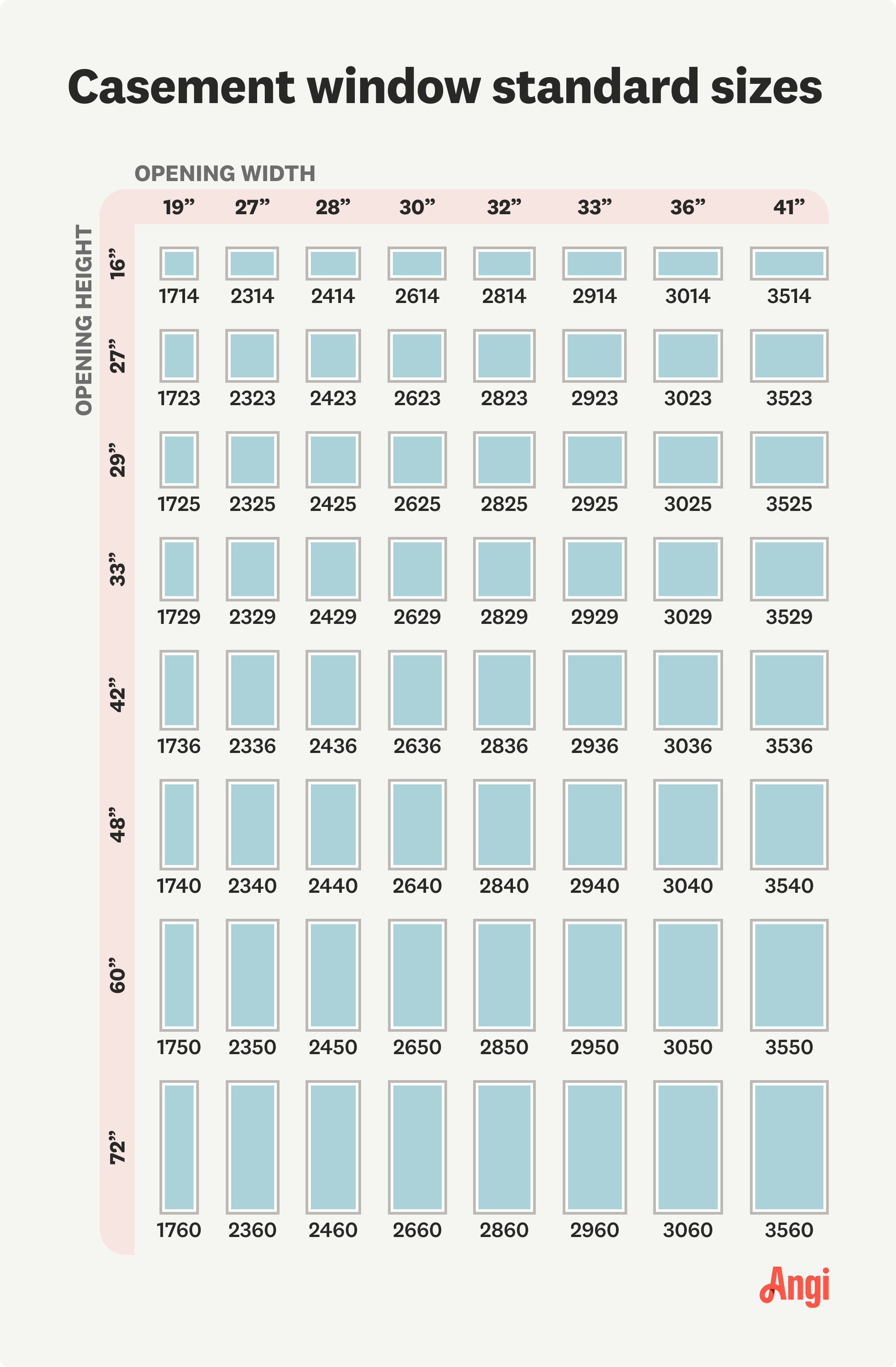
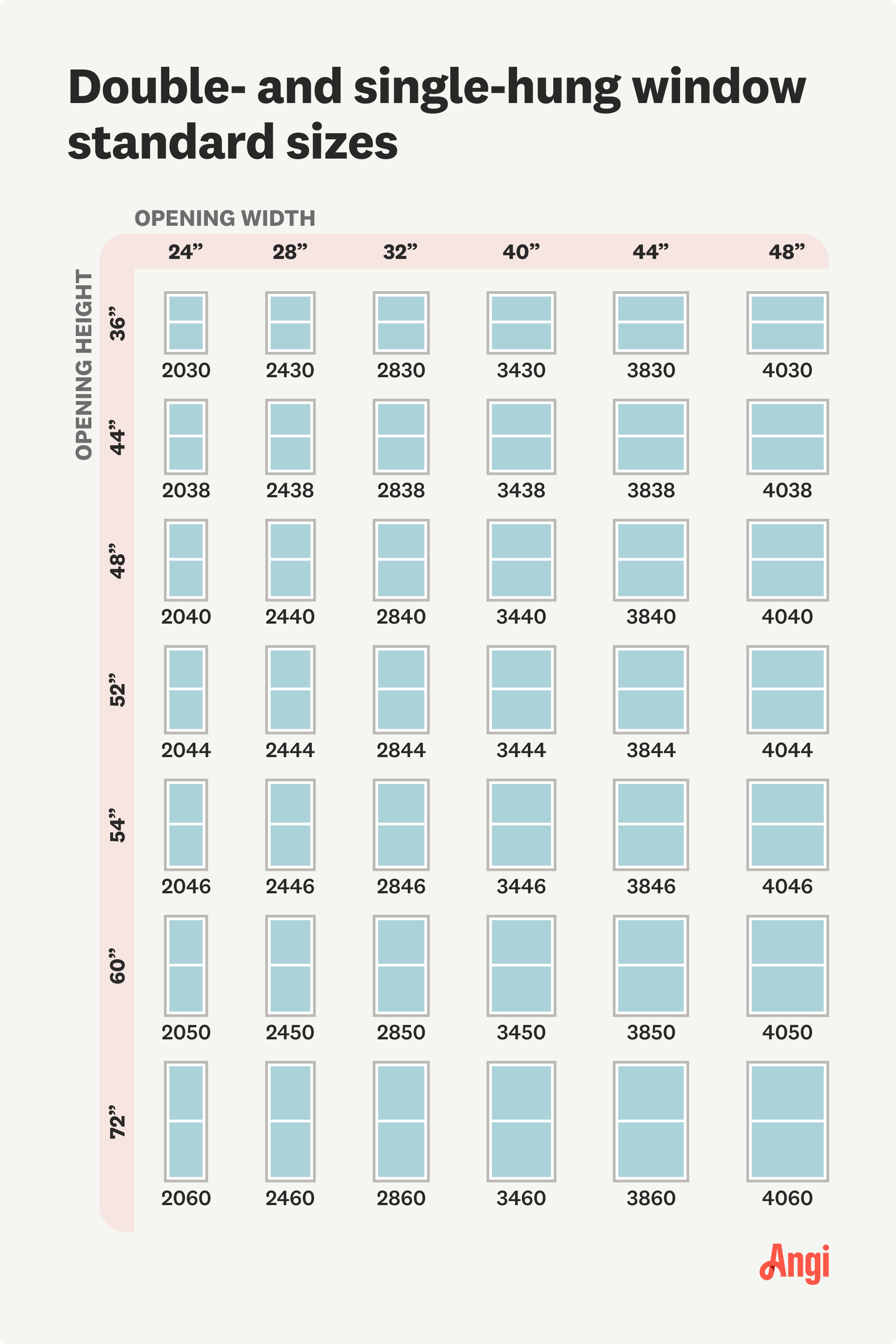
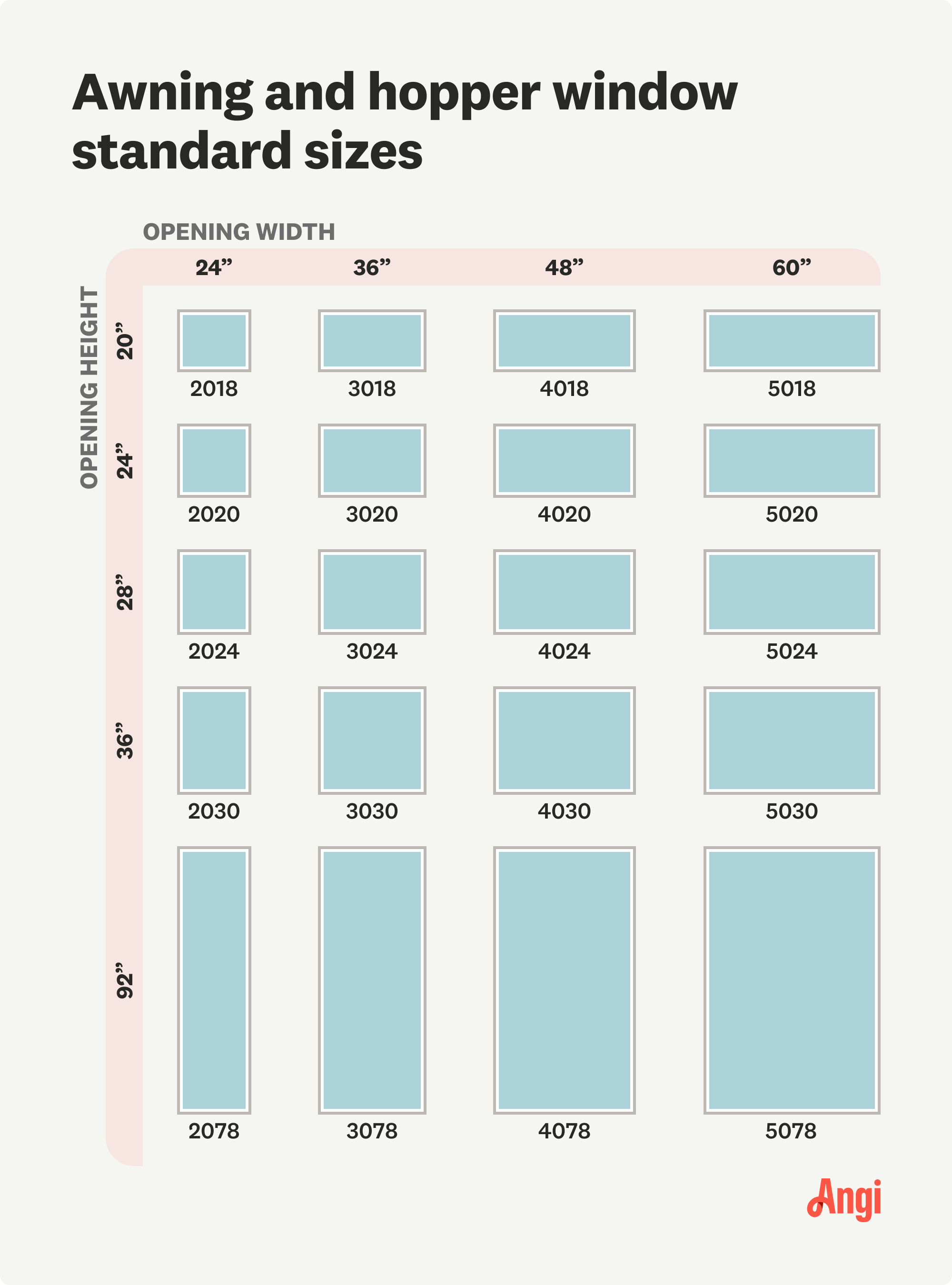
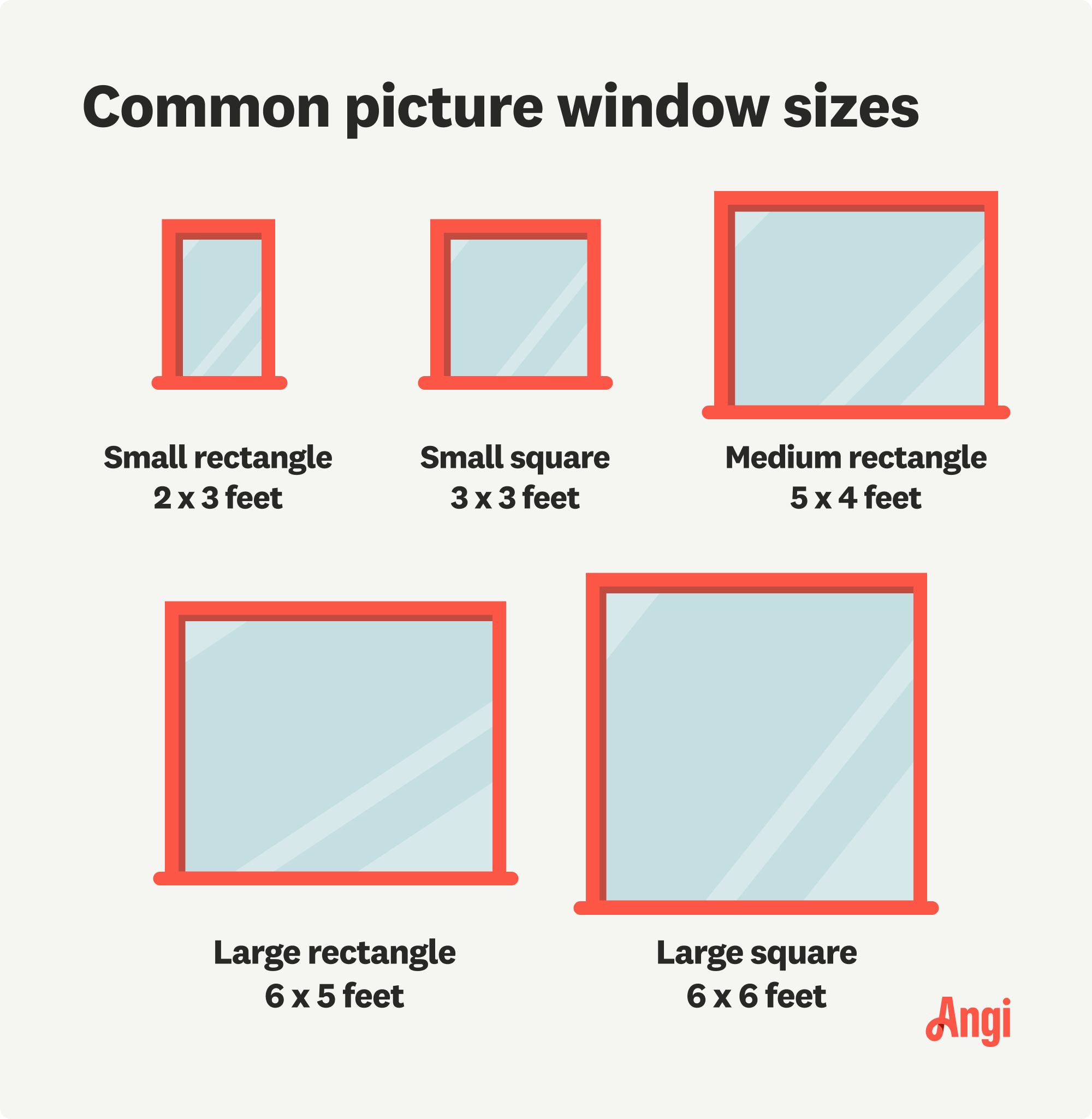
Before diving into a window size chart, it's essential to understand the basic units and categories. Most charts use inches for width and height, with standard sizes ranging from 18" x 18" to 36" x 72". These dimensions cover a wide range of common window types, including single-hung, double-hung, casement, and fixed windows. The charts often include a breakdown of these categories, making it easy to identify the right type for your needs.
Reading the Chart: A Step-by-Step Guide
- Identify the window type you require. This could be a double-hung window for ease of use or a casement window for ventilation.
- Locate the relevant section on the chart. Each type will have its own set of standard sizes.
- Choose the size that best fits your space. Consider the width and height of the opening and ensure the window provides adequate coverage.
- Note the dimensions and any additional details, such as the number of panes or the window's energy efficiency rating.
- Cross-reference with other charts or guidelines to ensure accuracy, especially if you're working with non-standard sizes or unique architectural features.
Variations and Differences
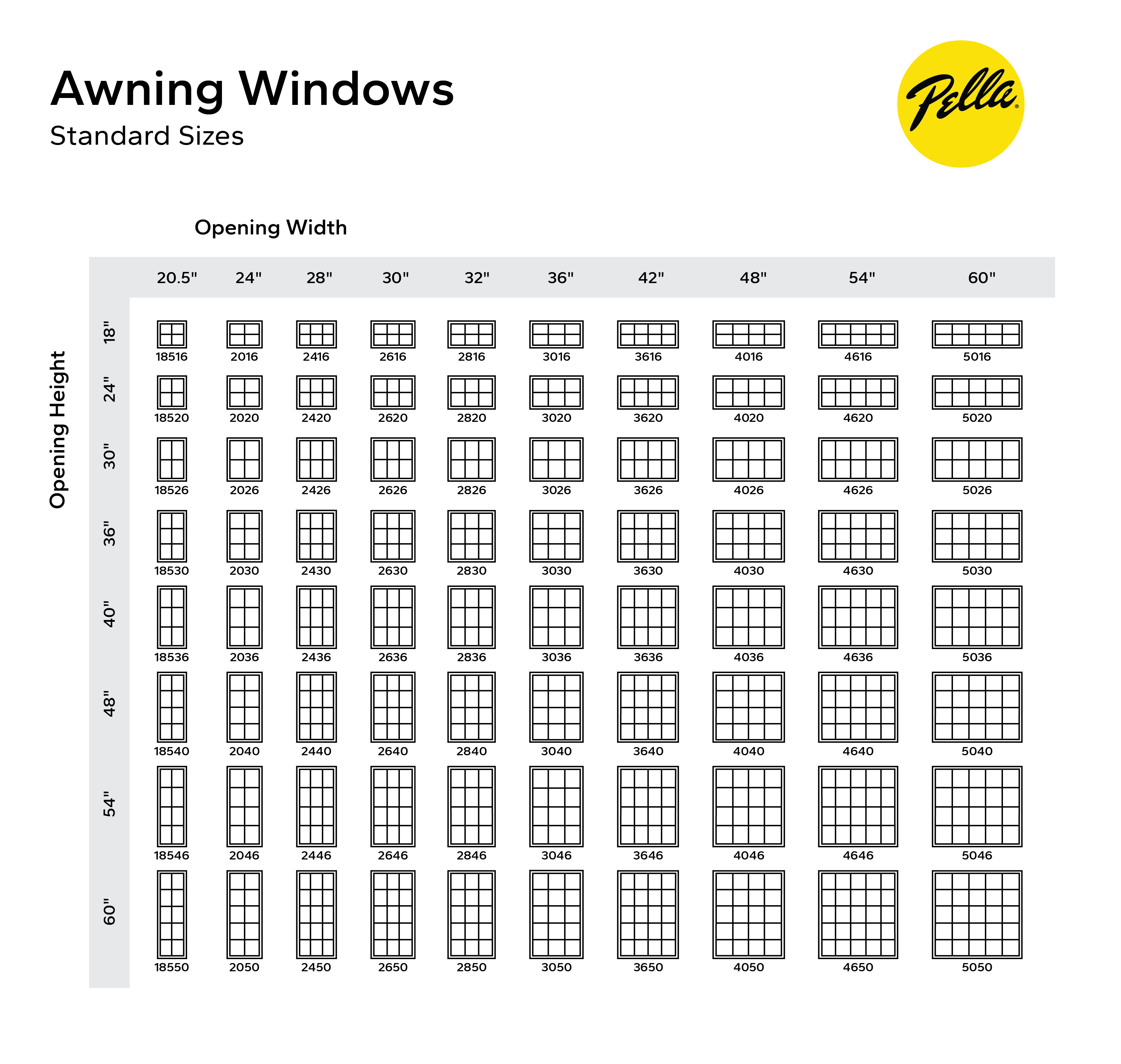
Window size charts can vary depending on the standard being used. While most follow a similar format, there may be slight differences in dimensions or the inclusion of specific window types. For instance, some charts might cater to a wider range of window styles, including awning or bay windows. It's crucial to refer to the right chart for your region or project requirements. Additionally, manufacturers may have their own charts with slight variations to accommodate their product range.
Common Mistakes and How to Avoid Them
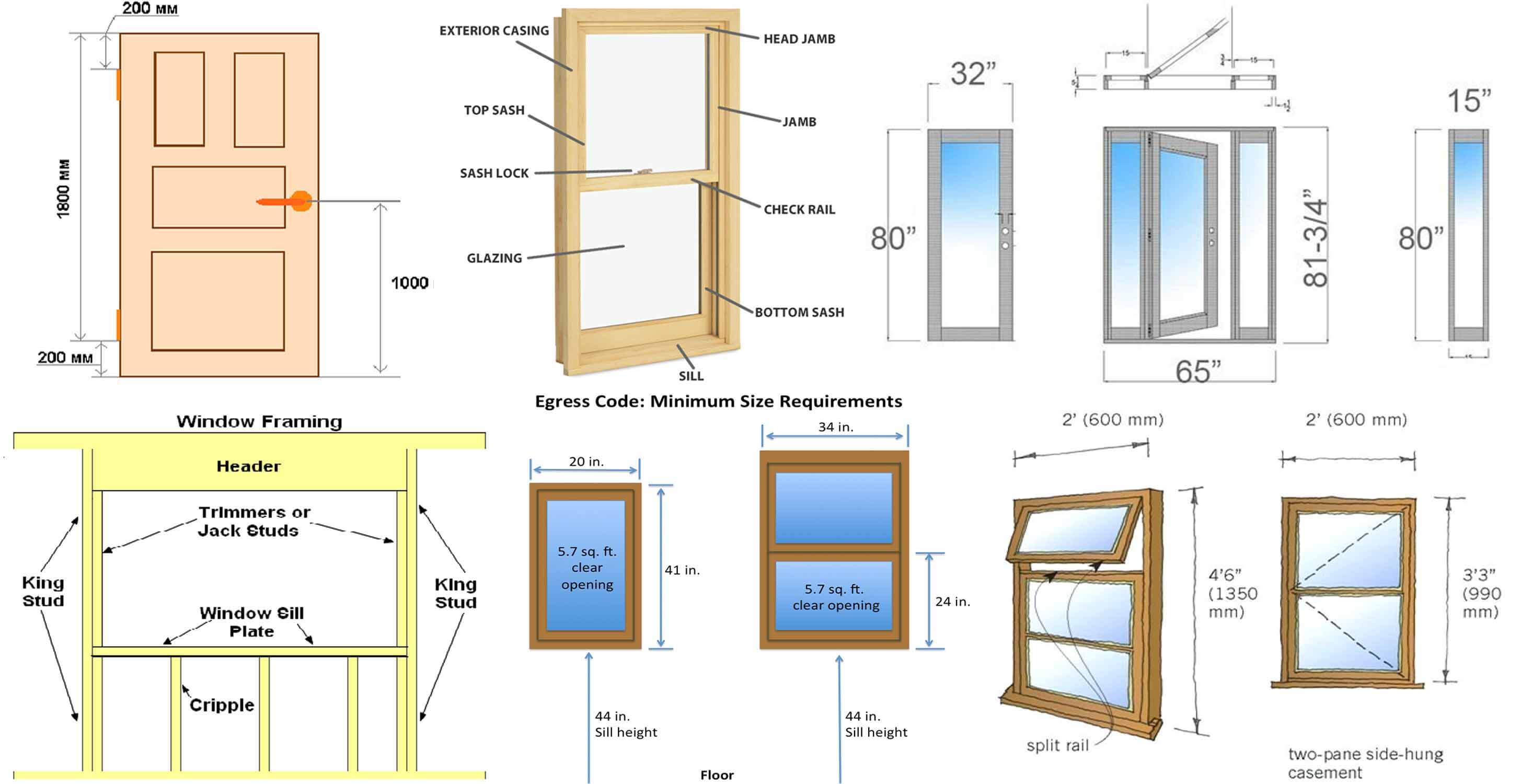
One of the most common mistakes is assuming that all windows are created equal. Different window types have unique purposes and may not fit the same space. Always refer to the correct chart for the window style you need. Another pitfall is neglecting to consider the frame size. The window size chart typically refers to the glass dimensions, so ensure you account for the frame when measuring your space. Finally, don't forget to check for any local building regulations or guidelines that might impact your window choices.
Well, there you have it! A window size chart is a handy tool to keep in your back pocket. It's a simple reference guide, but one that can save you time and ensure accuracy when planning your next project.
Remember, while this chart provides a great starting point, it's always wise to double-check the specific requirements for your unique situation. Exact values can vary, so it's best to be prepared and avoid any potential pitfalls. So, bookmark this page, and you'll have a quick and easy solution whenever you need it.
Related: Need a Seed Cycling Chart?
The seed cycling chart is a handy tool for those looking to support their menstrual cycle and hormone health naturally. It's a simple visual guide that outlines a seed cycling protocol, which involves consuming specific seeds at different phases of your cycle.
This guide will walk you through the basics, explaining how to read and use the seed cycling chart effectively. You'll discover the benefits of seed cycling, including its potential to promote hormone balancing and natural fertility. So, let's dive in and explore this fascinating and accessible practice!
Seed Cycling Chart: A Practical Guide
The seed cycling chart is a simple yet effective tool to guide you through the seed cycling protocol. It provides a visual representation of when to consume specific seeds during your menstrual cycle to support hormone balance and overall well-being. This chart is a handy reference for anyone looking to incorporate seed cycling into their daily routine.
Understanding the Phases and Categories
The seed cycling chart typically divides the menstrual cycle into two phases: the follicular phase and the luteal phase. Each phase has its own recommended seed combination. The chart will indicate which seeds to consume during these phases, usually flax and pumpkin seeds for one phase, and sesame and sunflower seeds for the other. It's important to note that the chart may vary slightly depending on the source and individual needs.
Seed Rotation Guide: Step-by-Step
Here's a simple guide on how to read and use the seed cycling chart:
- Identify your cycle: Determine the length of your menstrual cycle. The average cycle is around 28 days, but it can vary. Count from the first day of your period to the day before your next period starts.
- Divide your cycle: The follicular phase typically lasts from day 1 to ovulation, which is usually around day 14 for a 28-day cycle. The luteal phase begins after ovulation and continues until the start of your next period.
- Follow the chart: During the follicular phase, incorporate flax and pumpkin seeds into your diet. You can grind them and add them to smoothies, yogurt, or salads. For the luteal phase, switch to sesame and sunflower seeds.
- Daily intake: Aim for approximately 1-2 tablespoons of the recommended seeds each day during their respective phases. You can adjust the quantity based on your personal preference and dietary needs.
- Repeat the cycle: Continue this seed rotation with each menstrual cycle to support hormone balance and overall health.
Potential Variations and Considerations
While the seed cycling chart provides a general guide, it's important to note that individual variations may occur. Here are some factors to consider:
- Cycle length: If your cycle is shorter or longer than average, adjust the seed rotation accordingly. Consult a healthcare professional for personalized advice.
- Seed allergies: Be mindful of any seed allergies or sensitivities. Always introduce new foods gradually and monitor for any adverse reactions.
- Storage and preparation: Proper storage and preparation are key. Store seeds in a cool, dry place, and consider grinding them fresh for maximum nutritional value.
- Dietary supplements: Seed cycling is a natural approach, but it may be combined with other dietary supplements for additional support. Consult a healthcare provider for guidance.
Remember, the seed cycling chart is a tool to support your overall health and well-being. It's always a good idea to seek professional advice, especially if you have specific health concerns or conditions.
Hey there, we hope this seed cycling chart has been a helpful tool for you! While the basics remain the same, you might find that the exact details can differ slightly depending on your specific needs and sources.
So, keep this guide handy and feel free to explore our other practical reference articles for more quick tips and tricks. We're here to make your life easier, one chart at a time!