

My Norton Chart Free Printable Overview
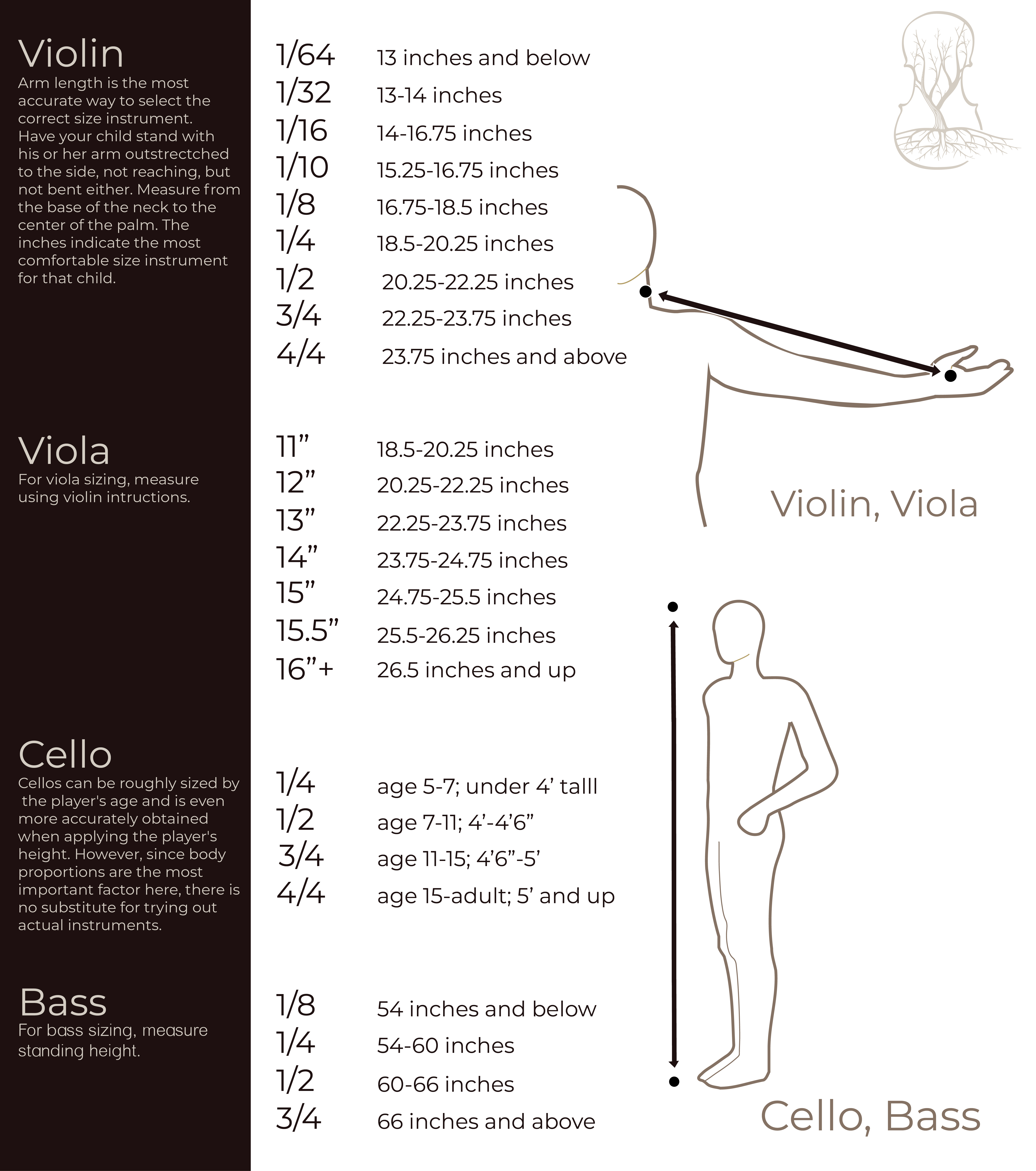
You're likely here because you need a quick solution, and that's exactly what the violin size chart offers. It's a simple yet effective tool, providing an at-a-glance guide to violin sizing. Whether you're a parent seeking the right violin for your child or a musician looking for a new instrument, this chart is your reliable companion.
While it may seem straightforward, there are a few things to note. Sizing can vary slightly depending on the brand and region, so it's always good to cross-reference. The chart includes standard violin dimensions, but it's always wise to check specific violin measurements too.
Understanding Violin Size Charts
Violin size charts are your guide to choosing the perfect-sized violin, especially for beginners and kids. These charts provide a clear, visual reference to help you match your body size to the ideal violin dimensions. It's an essential tool to ensure comfort, playability, and a positive learning experience.
Key Details and Categories
A violin size chart typically includes two main categories: body length and violin size. Body length refers to the measurement from your neck to the palm of your hand when your arm is extended. This measurement helps determine the appropriate violin size. Violin sizes are usually given as fractions, such as 1/8, 1/4, 1/2, and so on, indicating the instrument's overall length. These fractional sizes are especially useful for children, as they grow and progress in their violin journey.
How to Read and Apply the Chart
Using a violin size chart is straightforward. First, measure your body length as described earlier. Then, locate your measurement on the chart's body length scale. The chart will guide you to the corresponding violin size, ensuring a comfortable fit. For example, if your body length measurement falls within the range for a 1/4 violin, that's the size you should choose. It's as simple as that!
- Measure your body length.
- Find your measurement on the chart.
- Follow the chart's guidance to the recommended violin size.
- Select the violin with the indicated size.
Variations and Differences
While violin size charts provide a great starting point, it's important to note that individual preferences and playing styles can influence the ideal violin size. Some players may prefer a slightly larger or smaller violin for comfort or sound reasons. Additionally, the type of music played and the player's physical attributes can also impact the choice. It's always a good idea to consult with a violin teacher or specialist to fine-tune your selection.
Common Mistakes and How to Avoid Them
One common mistake is relying solely on age to determine violin size. While age can be a rough guide, it's not an accurate indicator of body size or playing ability. Always measure your body length and use the violin size chart as the primary reference. Another mistake is assuming all charts are the same. Different charts may use varying units or have slight differences in recommendations. Always double-check the chart's units and compare it to a trusted source or expert advice. Lastly, don't rush the process. Taking the time to choose the right violin size will ensure a comfortable and enjoyable playing experience.
Hey there! I hope this violin size chart has been helpful and easy to understand. Remember, while we've covered the basics, exact details can differ slightly, so always double-check your sources.
This guide is a handy reference, but we've got plenty more where that came from! Feel free to explore our other practical guides; we've got something for everyone. And when you need a quick reminder, just bookmark this page for future use. Happy violin adventures!
Related: Learn Morris Code Chart: A Simple Reference Guide
You've stumbled upon the Morris Code Chart, a handy tool that's a real lifesaver for those seeking a quick and efficient way to decipher and master Morse code. This chart is your go-to reference, offering a straightforward visual guide to understanding the international Morse code alphabet and its unique frequency patterns. It's a simple yet powerful resource, and you'll soon see why it's so popular!
The Morris Code Chart: Your Quick Reference Guide
The morris code chart is a handy tool for anyone wanting to learn or use Morse code. It provides a visual representation of the Morse code alphabet, numbers, and special characters, making it an essential reference for beginners and a quick guide for experienced users. This chart is your go-to resource for decoding and encoding messages efficiently.
International Morse Code vs. Other Standards
There are different versions of Morse code, but the most widely recognized is International Morse Code. This standard is used globally and is what the morris code chart typically represents. Other variations, like the American Morse Code or Continental Morse Code, exist but are less common and often used for specific purposes or in certain regions. It's important to note that while the basic principles remain the same, the symbols and timings can vary between these standards.
Step-by-Step Guide to Using the Morris Code Chart
Using the morris code chart is straightforward:
- Identify the character you want to encode or decode. This could be a letter, number, or special character.
- Locate the character on the chart. The chart usually arranges characters in a logical order, making it easy to find what you need.
- Read the corresponding Morse code representation. Each character has a unique sequence of dots and dashes, which you can then use to transmit or interpret the message.
- Practice and familiarize yourself with the code. The more you use the chart, the quicker you'll become at recognizing and recalling the Morse code sequences.
Common Misreadings and How to Avoid Them
One of the challenges with Morse code is the potential for misreading or misinterpretation. Here are some common pitfalls:
- Confusing similar-sounding codes: For instance, the letters "E" and "T" have very similar Morse code sequences. Practice and familiarity can help you distinguish between them.
- Mistaking the length of dashes: Dashes can vary in length, so ensure you're consistent and accurate when interpreting or transmitting.
- Overlooking the spaces: The spaces between characters and words are just as important as the dots and dashes. Pay attention to these gaps to ensure accurate decoding.
Factors Affecting Accuracy in Real-World Use
When using the morris code chart in practical situations, several factors can influence accuracy:
- Transmission quality: Interference, static, or poor signal quality can make it challenging to interpret Morse code accurately.
- Operator skill: The experience and proficiency of the person sending or receiving the message play a significant role.
- Environmental conditions: Factors like weather, distance, and the presence of obstacles can impact the clarity of the signal.
- Equipment: The type and quality of the equipment used for transmission and reception can affect the accuracy of the Morse code interpretation.
Adapting the Morris Code Chart for Specific Needs
While the morris code chart provides a standard reference, it can be adapted for specific purposes:
- Custom abbreviations: You can create your own abbreviations or shortcuts for frequently used phrases or words, making communication faster.
- Specialized charts: For certain industries or applications, specialized Morse code charts may be available, tailored to their unique needs.
- Practice and customization: Regular practice and customization of your Morse code skills can lead to creating your own efficient communication system.
Remember, the morris code chart is a versatile tool, and with practice, you can become proficient in using it for various communication needs.
Well, there you have it! A comprehensive guide to morse code charts and their practical uses. Remember, when it comes to choosing and using these charts, it's always best to consider your unique needs and the specific context you're working in. Exact values and details may vary, so be sure to double-check and adapt as required.
Feel free to explore our other guides and resources on related topics. We've got plenty of useful content to help you on your way, so take a look around and find what works for you!
Related: Understand the Blonde Hair Chart: A Simple Guide
A common misconception about the blonde hair chart is that it's solely for professionals; however, this handy tool is accessible and beneficial for anyone interested in hair coloring. The chart, a simple yet effective visual aid, offers a clear path to understanding and achieving desired blonde shades. It provides an organized system, often using a level system and tone guide, to navigate the world of blonde hair colors.
Understanding the Blonde Hair Chart
The blonde hair chart is a visual guide that helps you navigate the world of blonde hair colors. It provides a comprehensive overview of various blonde shades, their characteristics, and how they can be achieved. This chart is an essential tool for anyone looking to explore and experiment with blonde hair, whether you're a professional stylist or an individual seeking the perfect blonde.
Key Details and Categories
The blonde hair chart typically consists of a color wheel or a grid-like layout, with each section representing a specific blonde shade. These shades are categorized based on their level of lightness or darkness, often referred to as the "level system." The levels range from 1 to 10, with 1 being the darkest blonde and 10 being the lightest, almost white blonde. Additionally, the chart may include sub-categories to indicate the tone, such as ash, golden, or platinum. Each shade is further described using a combination of numbers and letters, providing a unique code for each color.
Reading and Applying the Blonde Hair Chart
To use the blonde hair chart, follow these steps:
- Identify your current hair color's level and tone. This will help you determine the starting point for your blonde journey.
- Choose your desired blonde shade from the chart. Consider the level and tone that appeal to you and match your personal style.
- Understand the required process. The chart may indicate if a simple tone change is enough or if you need a more extensive color transformation.
- Consult a professional. While the chart provides a guide, a qualified stylist can offer personalized advice and ensure a safe and successful hair color change.
- Maintain your blonde. Follow aftercare instructions and use specialized products to preserve the color and health of your hair.
Variations and Differences
It's important to note that blonde hair charts may vary depending on the standard or brand being used. Different manufacturers may have slightly different level systems or tone guides. Additionally, individual hair types and previous color treatments can affect the final result. Here are some key factors that can cause variations:
- Hair porosity: The ability of hair to absorb and retain moisture can impact color uptake.
- Natural hair color: Starting from a darker base may require multiple processes to achieve a light blonde.
- Previous color history: Hair that has been previously colored may react differently to new color applications.
- Environmental factors: Sun exposure and water quality can affect the longevity of blonde shades.
Remember, while the blonde hair chart is a valuable tool, it's always recommended to seek professional advice for the best results and to ensure the health of your hair.
Before you put this chart into action, remember to tailor it to your specific needs. While we've covered the basics, the exact values and categories may vary slightly between different sources and standards. So, take a moment to ensure you have the right references for your context.
Consider bookmarking this page for future reference. It's a handy tool to have at your fingertips, and with a quick refresh, you'll be ready to navigate the world of blonde hair tones with confidence!