





My Virtua Chart Template Overview
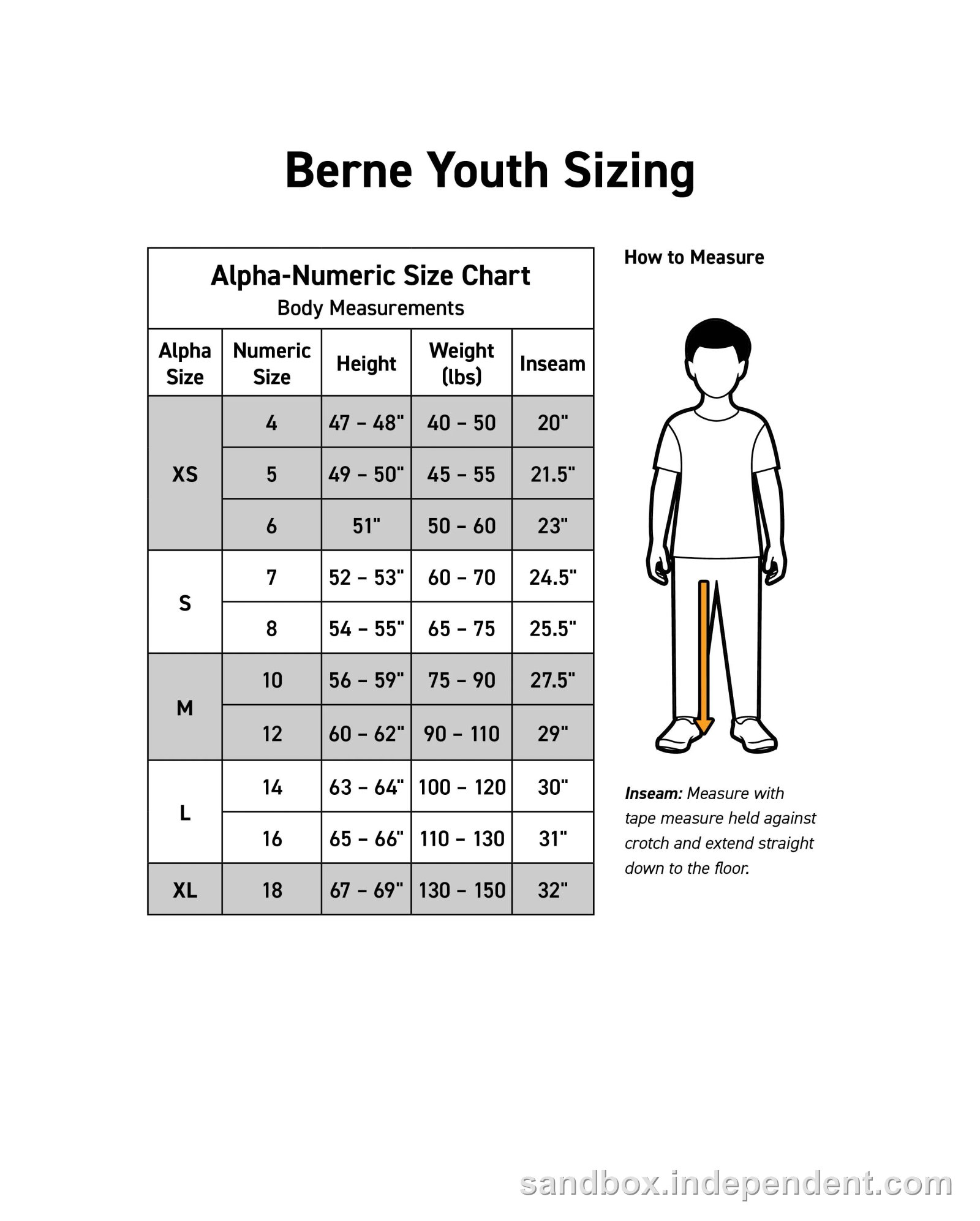
A common misconception about diaper size charts is that they are one-size-fits-all, but in reality, these charts are a guide, and an important one at that, to help you find the perfect fit for your little one. While it may seem straightforward, choosing the right diaper size is crucial for your baby's comfort and well-being.
These charts provide a quick reference, offering a range of sizes and their corresponding weight and height recommendations. It's a simple tool, but one that can save you from the hassle of constantly guessing and ensuring your baby has the right-sized diaper. With various brands and types available, including cloth and disposable options, the diaper size chart is your go-to resource for an accurate fit.
Understanding the Diaper Size Chart: A Practical Overview
The diaper size chart is a handy tool for parents and caregivers, offering a quick reference guide to ensure your little one's diaper fits perfectly. This chart provides a simple way to match your baby's weight and waist size to the right diaper size, typically categorized by letters or numbers.
Comparing Diaper Size Standards and Formats
Diaper size charts can vary depending on the brand and region. While most follow a similar format, the specific weight and waist measurements may differ slightly. For instance, some brands might use a letter-based system (e.g., S, M, L), while others prefer a numerical approach (e.g., 1, 2, 3). Additionally, international standards may use different units, such as kilograms and centimeters, so it's essential to check the chart's origin.
Step-by-Step Guide to Using the Diaper Size Chart
Here's a simple process to determine the correct diaper size for your baby:
Weigh your baby: Use a reliable scale to get an accurate weight measurement.
Measure the waist: Place your baby on their back and use a soft measuring tape to get the waist circumference. Ensure the tape is snug but not tight.
Refer to the chart: Locate your baby's weight and waist size on the diaper size chart. The chart will guide you to the appropriate diaper size, usually indicated by a letter or number.
Choose the right diaper: Select diapers that match the size indicated on the chart.
Common Misreadings and How to Avoid Them
It's easy to misinterpret the diaper size chart, especially if you're new to parenting. Here are some common mistakes and how to avoid them:
Don't rely solely on age: While age can be a rough guide, it's not always accurate. Babies grow at different rates, so always check the weight and waist measurements.
Understand weight ranges: Diaper sizes often cover a range of weights. Ensure your baby's weight falls within the specified range for that size.
Consider growth spurts: If your baby is going through a growth spurt, their weight and size may change rapidly. Regularly check the chart to ensure you're still using the right size.
Factors Affecting Accuracy: Key Considerations
Several factors can impact the accuracy of the diaper size chart:
Cloth vs. disposable diapers: Cloth diapers often have different sizing standards, so ensure you're using the right chart.
Baby's build: Some babies have a stockier build, while others are longer and leaner. The chart provides a general guide, but individual variations may require some trial and error.
Manufacturer variations: Different diaper brands may have slightly different sizing standards, so always check the specific brand's chart.
Newborns and preemies: Newborn and preemie diaper sizes are critical, as these babies have unique needs. Ensure you're using the correct chart for their specific size.
Adapting the Diaper Size Chart for Your Needs
While most diaper size charts provide a general guide, you may need to adapt them for specific situations:
Premature babies: Preemie diaper sizes are essential for these tiny babies. Ensure you're using a chart designed for premature infants, as their sizes may differ significantly from full-term babies.
Mixed-age daycare: If you're caring for multiple children of different ages, you may need to refer to different charts or have a clear system to ensure each child gets the right size.
Overweight or underweight babies: If your baby is significantly above or below the average weight for their age, you may need to consult a healthcare professional for advice on the best diaper size.
Keeping Your Diaper Size Guide Reliable
To ensure your diaper size chart remains accurate and reliable:
Regularly update: As your baby grows, their size will change. Ensure you update your chart or refer to a newer version to account for these changes.
Check for updates: Manufacturers may update their sizing standards over time. Stay informed by checking for the latest charts or asking healthcare professionals or other parents for recommendations.
Keep a record: Consider keeping a record of your baby's weight and waist measurements. This can help you quickly identify when it's time to move up a size and ensure a perfect fit every time.
Well, that's a wrap on our diaper size chart guide! We've covered a lot of ground, from understanding the different standards to finding the right fit and avoiding common mistakes. Remember, when it comes to diaper sizing, exact details might differ slightly, so always refer to the brand's guidelines or consult a professional if needed.
If you found this guide helpful, why not explore more of our practical parenting resources? We've got plenty of other tips and tricks to share, so feel free to browse and discover something new!
Related: What's the Minwax Stain Chart All About?
The Minwax stain chart is a handy tool for anyone working with wood stains, offering a visual guide to explore and choose the perfect shade. This guide will help you navigate the chart effectively, ensuring you find the right stain for your project.
It provides a simple way to visualize and compare Minwax wood stain colors, making it easier to select and match the desired tone. While the chart's format may vary slightly, the basic concept remains the same, offering a reliable reference for wood enthusiasts and professionals alike.
Understanding Wood Stains: The Minwax Stain Chart
The Minwax stain chart is a handy tool for anyone looking to stain wood and achieve the perfect color. It's a reference guide that displays a range of wood stain colors, helping you visualize and choose the right shade for your project. This chart is a valuable resource, especially for those new to wood staining, as it provides a visual representation of the final result.
Key Details and Categories
The Minwax stain chart typically features a grid-like layout, with each square representing a specific stain color. The colors are organized in a systematic way, often progressing from light to dark shades. Along the sides of the chart, you'll find labels indicating the wood species and the stain color name or code. This chart is designed to be user-friendly, making it easy to navigate and compare different stain options.
How to Read and Apply the Minwax Stain Chart
Reading the Minwax stain chart is straightforward. First, identify the wood species you're working with; this is usually listed on the left side of the chart. Then, scan across to find the desired stain color. The stain colors are often arranged in rows, with each row representing a different wood species. Once you've found your preferred color, note the corresponding stain code, which you can use to purchase the correct stain. It's as simple as that!
Variations and Differences
While the Minwax stain chart provides a great starting point, it's important to note that wood staining can be influenced by various factors. The final color may vary slightly due to differences in wood grain, the wood's natural color, and even the lighting conditions during application. Additionally, the stain's intensity can be affected by the number of coats applied and the wood's porosity. These factors contribute to the unique character of each stained wood piece.
Common Mistakes and How to Avoid Them
One common mistake is assuming that the stain color on the chart will match your wood exactly. Remember, the chart is a guide, and the actual result may differ slightly. To avoid disappointment, it's a good practice to test the stain on a small, inconspicuous area of your wood before committing to the entire project. This way, you can assess the color and make any necessary adjustments.
Practical Tips for Accurate Results
To ensure accurate results, consider the following tips:
- Always follow the manufacturer's instructions for stain application.
- Ensure your wood is clean, dry, and free of any finish or residue.
- Apply the stain evenly, using a brush or cloth, and wipe away any excess.
- Allow sufficient drying time between coats, as recommended by the stain manufacturer.
- Consider using a wood conditioner or primer, especially for porous woods, to achieve a more consistent color.
Double-Checking and Handling Exceptions
While the Minwax stain chart covers a wide range of stain colors, it's always a good idea to double-check the exact specifications for your chosen stain. Some stains may have specific instructions or recommendations for certain wood types or projects. Additionally, if you're working with a unique or exotic wood species, you might need to seek additional guidance or samples to ensure the best color match.
So, there you have it! A handy guide to the Minwax stain chart, a simple yet effective tool for your wood staining adventures. Remember, while this chart is a great starting point, it's always wise to consider your specific project and its unique needs.
Don't forget to check out our other guides and resources for more practical tips and tricks. We've got you covered with all the info you need to tackle your next DIY project with confidence. Happy staining!
Related: How to use the Lulus size chart?
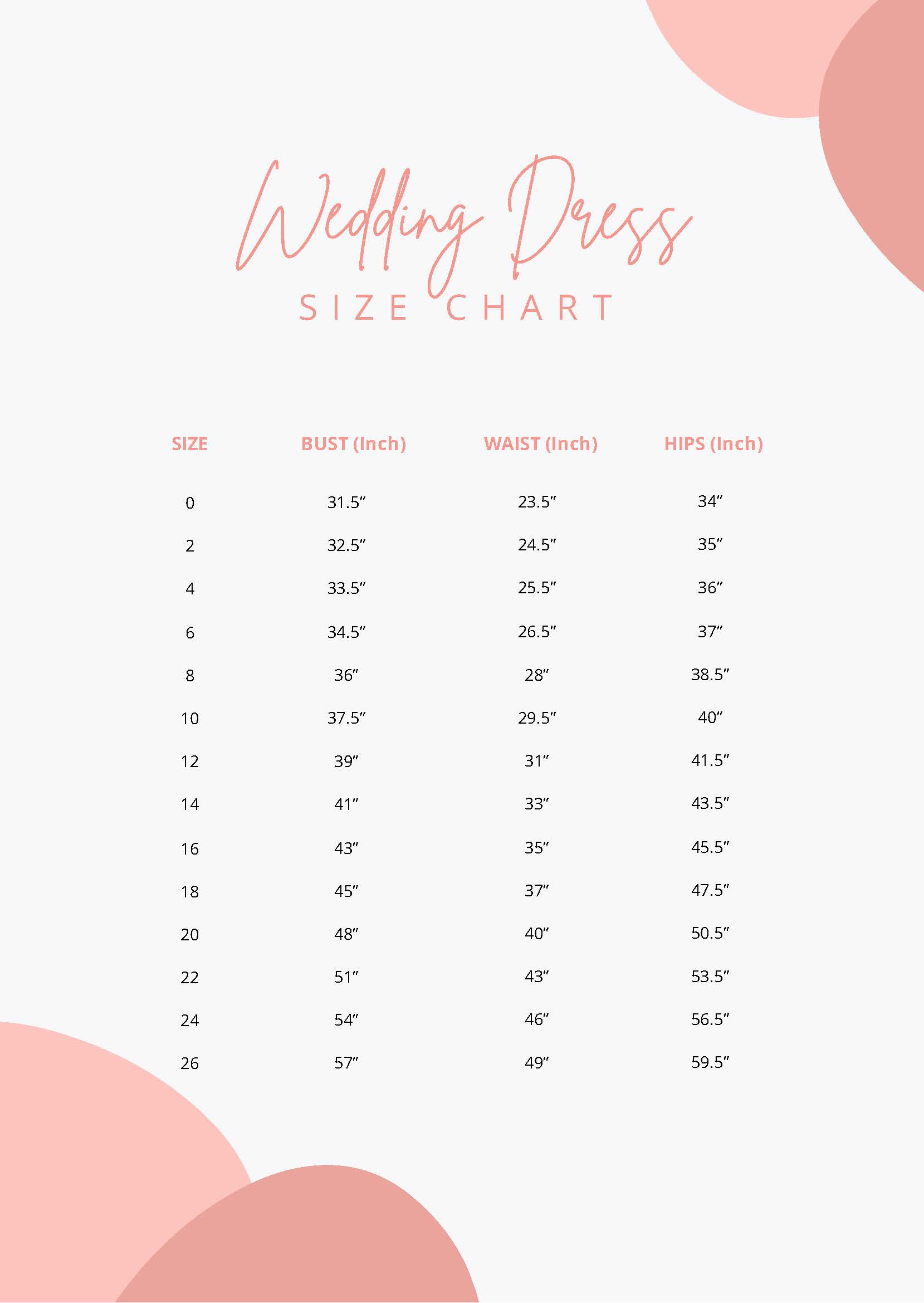
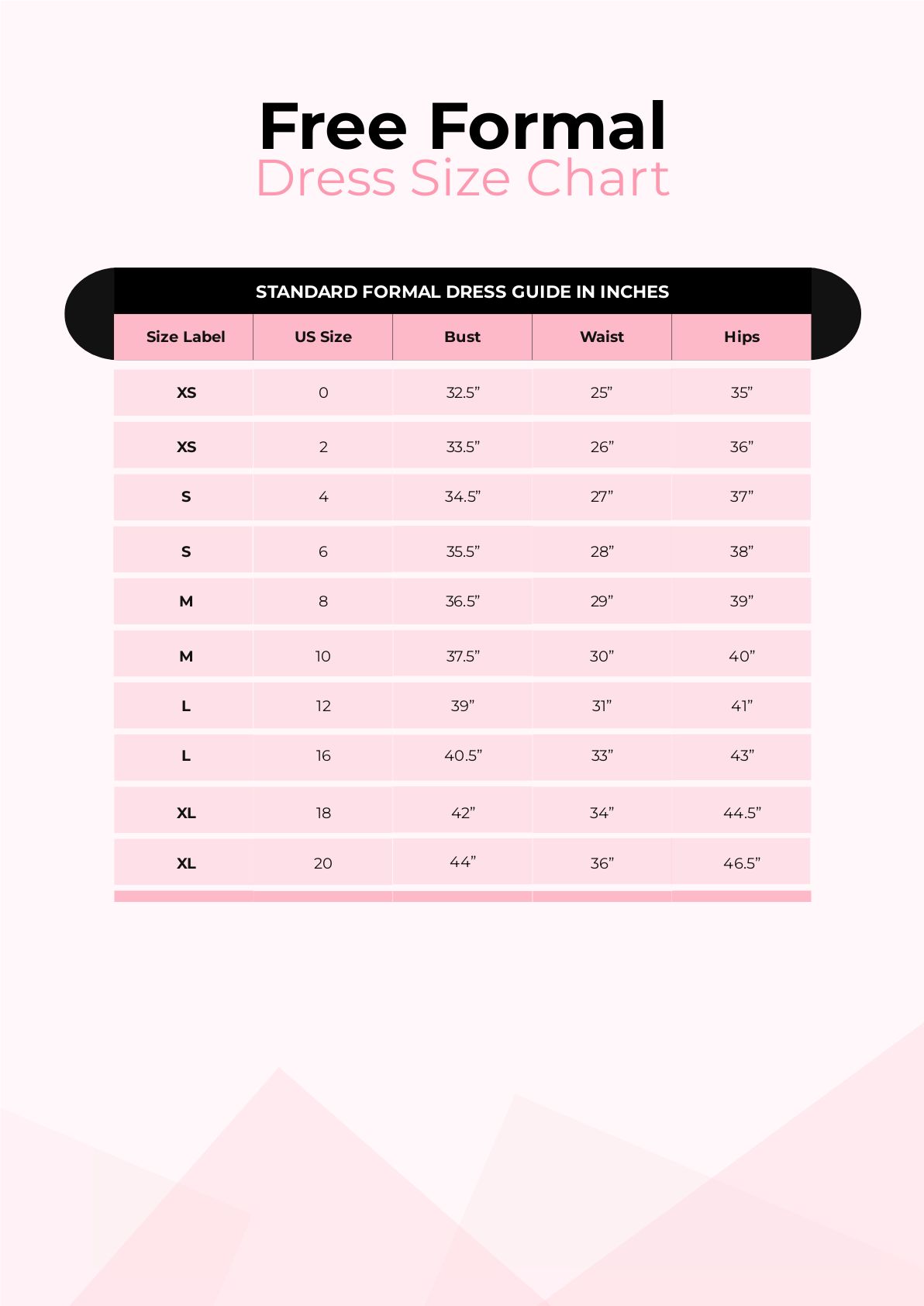
The lulus size chart is a handy tool for anyone who wants to ensure they're getting the perfect fit when shopping. This guide will take you through the ins and outs of reading and using this chart effectively. From understanding the different measurements to knowing how to convert sizes, we'll cover it all, making sizing a breeze!
Understanding the Lulus Size Chart
The lulus size chart is a handy tool that helps you find your perfect fit when shopping for clothing. It provides a standardized guide to help you match your body measurements with the corresponding size options. This chart is a great reference, especially when shopping online, as it ensures you make an informed choice and avoid any sizing surprises.
Comparing Size Chart Standards
Size charts can vary depending on the brand and region. Lulus, being a popular fashion brand, follows a specific sizing standard. Their chart typically includes measurements for bust, waist, and hip, which are crucial for finding the right fit. It's essential to note that these measurements are in inches, following the US standard. Other brands or international charts might use different units, so always check the chart's legend or key.
Step-by-Step Guide to Using the Chart
Using the lulus size chart is straightforward. First, measure your bust, waist, and hip accurately. You can do this by using a measuring tape and following a few simple tips: stand straight, measure at the fullest part of your bust, and ensure the tape is parallel to the floor. Once you have these measurements, find the closest match on the chart. For example, if your bust measurement is 36 inches, look for the size that corresponds to this range. The chart will provide a recommended size, usually in the form of numerical values or standard dress sizes (e.g., small, medium, large).
Avoiding Common Misreadings
One common mistake is not considering the entire body when referring to the chart. The lulus size chart provides a general guide, but your specific body shape might require some adjustments. For instance, if you have a curvier figure, you might need to size up for a more comfortable fit. Another pitfall is ignoring the brand's unique fit. Some brands have a reputation for running small or large, so always check the brand's sizing guide or reviews for any specific fit notes.
Factors Affecting Size Variations
Several factors can cause size variations, and understanding these is key to accurate sizing. Firstly, body measurements can fluctuate, especially if you're between sizes. In such cases, it's best to choose the larger size for a more comfortable fit. Secondly, different fabric types and styles can affect the fit. For instance, a stretchy fabric might provide a more forgiving fit, while structured fabrics might require a more precise size match. Lastly, personal preference plays a role. If you prefer a looser or tighter fit, you might need to adjust your size choice accordingly.
Adapting the Chart for Your Needs
The lulus size chart is a versatile tool, and you can adapt it to suit your specific needs. If you're shopping for a particular style, such as a fitted dress or a relaxed-fit top, refer to the brand's size guide for any style-specific measurements or recommendations. Additionally, if you're between sizes, consider the fabric and style of the garment. A looser-fit top might allow for more flexibility, while a structured blazer might require a more precise size match.
Keeping Your Sizing Reliable
To ensure reliable sizing, it's crucial to measure accurately and consistently. Invest in a good-quality measuring tape and follow a standardized measuring technique. Take your measurements at the same time of day, as slight variations can occur due to water retention or other factors. If you're shopping for multiple items, consider creating a personal sizing profile. Note down your key measurements and the corresponding sizes for easy reference. This way, you can quickly refer to your profile and make informed choices, ensuring a consistent and reliable fit.
Hey there! I hope this guide has been helpful in navigating the world of size charts. Remember, when it comes to Lulus' size chart, the specifics might differ slightly based on the item and your unique body. So, keep an eye out for those little variations!
If you found this guide useful, why not bookmark this page for future reference? It's always handy to have a quick reminder, especially when you're shopping online and need to make those important size decisions. Check out our other guides for more practical tips and tricks!