My Wakemed Chart Letter Size Overview
A youth size chart is a handy tool for parents and caregivers, offering a quick and accurate way to find the right fit for kids' clothing and shoes. This guide will show you how to navigate these charts, ensuring you get the perfect size every time.
Understanding the youth size chart is essential, especially when shopping online or for specific brands. While the charts provide standard measurements, they can vary slightly, so knowing how to read them is key.
Youth Size Chart: A Practical Guide
A youth size chart is an essential tool for parents and caregivers to ensure kids' clothes and shoes fit comfortably and correctly. This chart provides a standardized guide to help you choose the right size for children's apparel and footwear.
Key Details and Categories
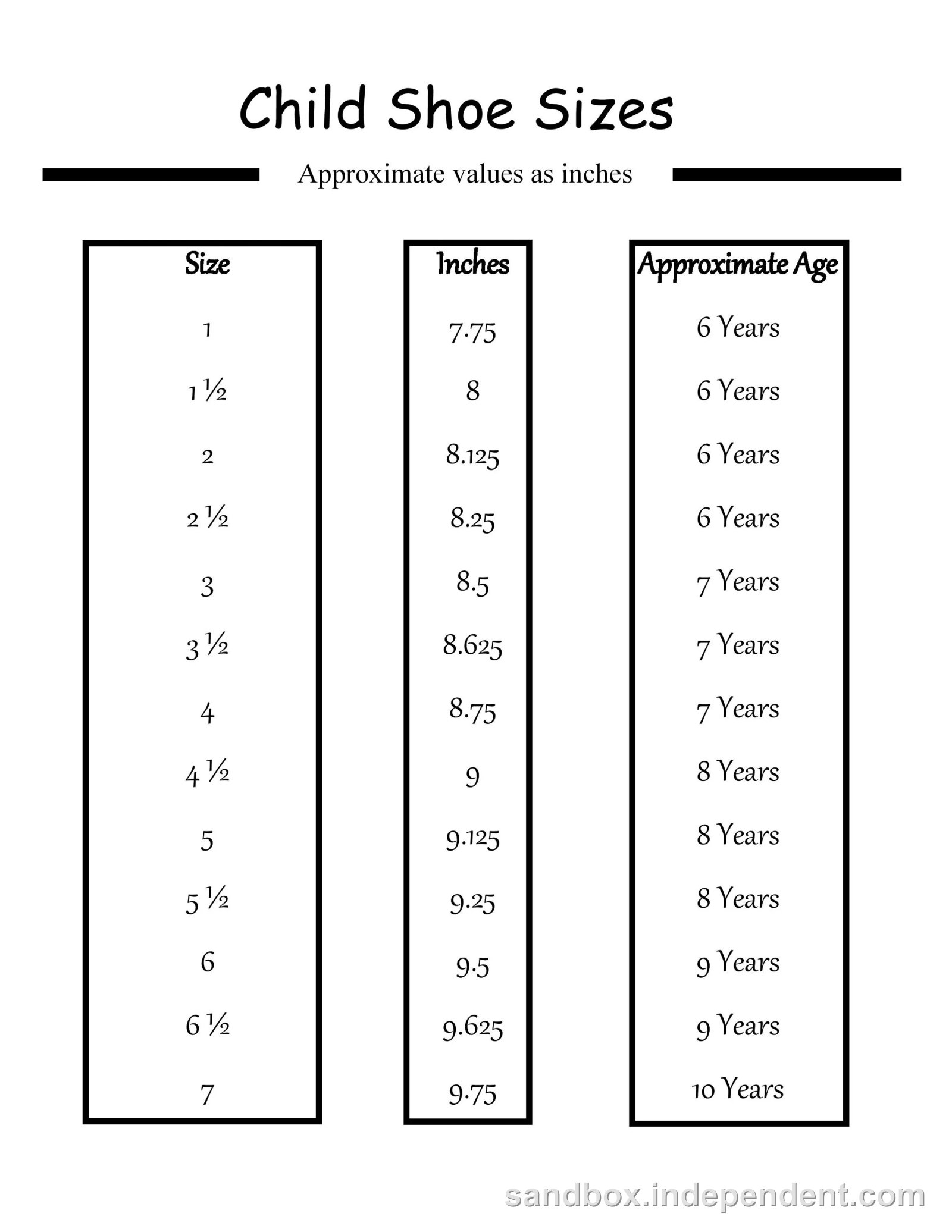
The youth size chart typically includes categories for clothing and shoes, with specific measurements for each. For clothing, you'll find sizes ranging from XS (extra small) to XL (extra large), each with corresponding chest, waist, and height measurements in inches or centimeters. Shoe sizes, on the other hand, are numbered and often include an age range as a reference.
Understanding the Chart: Step-by-Step
To use the youth size chart accurately, follow these steps:
- Measure your child's chest, waist, and height. Ensure you use a flexible measuring tape for an accurate reading.
- Locate the appropriate category on the chart: clothing or shoes.
- For clothing, find the size that best matches your child's measurements. If their measurements fall between two sizes, choose the larger size for comfort and room to grow.
- For shoes, identify the size that aligns with your child's age or foot length.
- Always double-check the specific brand or manufacturer's guidelines, as sizing can vary slightly between brands.
Common Size Variations and Why They Occur
It's important to note that youth sizes can vary depending on several factors:
- Region and Standard: International youth size charts may use different units or have slightly different measurements. Always check if the chart follows US or international standards.
- Clothing Style: Different types of clothing, like shirts, pants, or jackets, may have unique sizing requirements.
- Shoe Type: Athletic shoes, for instance, might have a different fit compared to dress shoes.
- Individual Differences: Every child's body is unique, so variations in body shape and size are common.
Practical Sizing Tips and Common Mistakes to Avoid
Here are some tips to ensure accurate sizing:
- Measure your child regularly, as they grow quickly!
- Don't assume that all brands follow the same sizing guidelines.
- When in doubt, opt for a slightly larger size to allow for growth.
- Avoid relying solely on age for shoe sizing; foot length is a more accurate indicator.
- Remember that comfort and fit are crucial, so always try items on if possible.
By following these guidelines and understanding the factors that influence youth sizing, you'll be able to choose the perfect fit for your child's clothes and shoes.
Hey there, I hope this youth size chart guide has been a helpful resource for you. Remember, when it comes to sizing, exact values can differ slightly, so always double-check the source and standard you're using.
It's always a good idea to bookmark pages like these for future reference, especially when you're shopping for kids and need a quick reminder of the right measurements. Feel free to explore our other guides too; we've got plenty of practical tips and tricks to make your life easier!
Related: What is the shades eq chart all about?
Many folks get overwhelmed when they first see a shades eq chart, thinking it's some complex, mysterious tool. But it's actually a simple, visual guide to hair color magic! This chart is your friend, offering a clear path to achieving those perfect hair tones.
It's a handy reference, whether you're a pro stylist or a color-curious individual. You'll find it covers various color mixing ratios and toning techniques, and while the specifics might vary slightly depending on your region or brand, the shades eq chart concept remains a reliable companion for your hair color adventures.
Understanding the Shades EQ Chart: A Simple Guide
The Shades EQ Chart is a valuable tool for hair professionals and enthusiasts, offering a visual guide to hair color mixing and toning. It simplifies the process of achieving desired hair shades and helps avoid common color mistakes.
Key Details and Categories
This chart typically features a grid-like structure, with rows and columns representing different hair color categories. The rows often indicate the base color or starting shade, while the columns represent the desired end result or tone. Each cell in the grid provides a specific mixing ratio or formula to achieve the target color.
How to Read and Apply the Chart
Reading the Shades EQ Chart is straightforward. Identify your client's current hair color on the chart, which serves as the base. Then, determine the desired new color or tone. The intersection of these two colors on the chart provides the recommended mixing ratio. For instance, if the base color is a level 6 and you aim for a warm brown tone, the chart will guide you to mix specific amounts of warm brown toner with the base color.
Variations and Differences
It's important to note that Shades EQ Chart variations exist, often due to different standards or manufacturer-specific formulas. These charts may use various color notations and mixing ratios, so always refer to the specific chart's guidelines. Additionally, hair porosity, previous color treatments, and natural hair texture can influence the final result, requiring adjustments to the standard ratios.
Common Mistakes and How to Avoid Them
A frequent error is overlooking the hair's condition and history. Always consider the client's hair health and previous color treatments. Another mistake is not following the recommended mixing ratios precisely. Accurate measurements are crucial for consistent results. Lastly, neglecting to perform a strand test before a full application can lead to unexpected outcomes.
Tips for Accurate Results
For precise color outcomes, ensure you're using the correct Shades EQ Chart for your product and standard. Always measure toners and developers accurately, and follow the recommended ratios. Conduct a strand test to preview the final result, especially with dramatic color changes. Additionally, be mindful of the hair's porosity and adjust the developer strength or processing time accordingly.
Double-Checking and Handling Exceptions
While the Shades EQ Chart is a valuable guide, it's essential to double-check the exact specifications for your product and client's hair. Some hair types may require customized formulas or additional steps. Always refer to the product manufacturer's guidelines and consider seeking professional advice for complex color corrections or unique hair conditions.
Remember, the Shades EQ Chart is a tool to simplify the hair coloring process, but it's not a one-size-fits-all solution. Adapt and customize the formulas based on individual hair needs for the best results.
Well, there you have it! A handy guide to navigating the shades eq chart with ease. Remember, these charts are a great reference, but it's always wise to double-check the specifics for your unique situation.
Consider bookmarking this page for future reference; it might just save you some time and effort the next time you need a quick reminder. Happy charting!
Related: Unravel the PNC Seating Chart
A common misconception about pnc seating charts is that they are merely static diagrams, when in fact, these charts are powerful tools that offer a unique perspective and can greatly enhance your event experience. While it may seem straightforward, understanding the nuances of a seating chart is essential to making the most of your time at venues like the PNC Arena or PNC Music Pavilion. These charts provide a bird's-eye view, offering insights into the layout, views, and capacities, ensuring you find your perfect spot.
Understanding the PNC Seating Chart
The PNC seating chart is a visual representation of the seating layout for various venues, including the PNC Arena, PNC Park, and PNC Music Pavilion. It provides a clear and organized view of the seating options, helping attendees choose the best seats for their preferences and needs.
Key Details and Categories
The chart typically displays a bird's-eye view of the venue, with each section labeled and color-coded. Seat numbers are assigned sequentially, and the chart may also indicate the row and seat position within each section. It is essential to note that the specific layout and numbering system can vary depending on the venue and event.
How to Read and Apply the Seating Chart
To navigate the PNC seating chart, follow these steps:
- Identify the venue you are interested in. Different venues may have unique seating arrangements, so ensure you are referring to the correct chart.
- Locate the section you wish to explore. Sections are usually labeled with letters or numbers and may have a corresponding color code.
- Within each section, rows are typically labeled alphabetically or numerically. Find the row you prefer, considering factors like proximity to the stage or field.
- Each row has assigned seat numbers. Choose the seat number that suits your preference, keeping in mind that lower numbers are closer to the aisle.
- Consider any additional information provided, such as obstructed view seats or premium seating areas. These details can help you make an informed decision.
Variations and Differences
It is important to understand that PNC seating charts may vary across different venues and events. Here are some key factors that can cause variations:
- Venue size and shape: Larger venues may have more complex seating arrangements, while smaller venues might offer a more intimate experience.
- Event type: Concerts, sports events, and theatrical performances often have unique seating configurations to accommodate different stages or fields of play.
- Seating capacity: The overall seating capacity of a venue can influence the layout and availability of seats.
- Regional standards: Different regions may have their own seating chart conventions, so it is essential to be aware of any regional variations.
Common Mistakes and How to Avoid Them
When using a PNC seating chart, avoid these common pitfalls:
- Assuming all venues are identical: Each venue has its own unique layout, so always double-check the specific chart for the event you are attending.
- Ignoring seat numbers: Seat numbers are crucial for finding your assigned seat. Pay attention to the row and seat number to avoid confusion.
- Overlooking obstructed view seats: Some seats may have limited or obstructed views due to pillars, sound equipment, or other obstacles. Check the chart for any indications of these seats to avoid disappointment.
Practical Tips for Accurate Results
To ensure a smooth experience, consider these best practices:
- Research the venue: Familiarize yourself with the venue's layout and any unique features, such as balconies or standing-room-only sections.
- Check for recent updates: Seating charts may be updated periodically, especially for major renovations or changes. Ensure you are using the most recent version.
- Consider your preferences: Think about your personal preferences, such as proximity to the stage, sound quality, or comfort. Choose seats that align with your priorities.
- Seek recommendations: If you are unsure, seek advice from friends or online communities who have attended similar events at the venue. Their experiences can provide valuable insights.
Double-Checking and Handling Exceptions
While the PNC seating chart is a valuable tool, it is essential to be aware of potential exceptions and edge cases:
- Venue-specific variations: Some venues may have unique seating configurations or seating categories not typically found in other venues. Always refer to the specific chart for accurate information.
- Seat availability: Seat availability can change rapidly, especially for popular events. Check the availability of your preferred seats regularly to avoid missing out.
- Accessibility needs: If you have specific accessibility requirements, contact the venue or event organizers to ensure they can accommodate your needs. They may have designated accessible seating areas or provide alternative arrangements.
Hey there, reader! I hope this PNC seating chart guide has been a helpful resource for you. Remember, while the basics remain consistent, exact details can indeed vary slightly based on the specific context and the source you're referring to. So, keep an eye out for those nuances!
Feel free to explore our other guides and resources on the site. We've got a range of practical, no-nonsense content to help you navigate various topics. Happy reading, and here's to finding the perfect seat for your next event!