







Mythical Animal Coloring Pages Overview
House addition contractors can be a real lifesaver when you need some extra space in your home. Whether you're looking to expand your family or just need a dedicated home office, these pros can help make it happen. But before you dive in, it's good to know what you're getting into and how to find the right people for the job.
What Do House Addition Contractors Do?
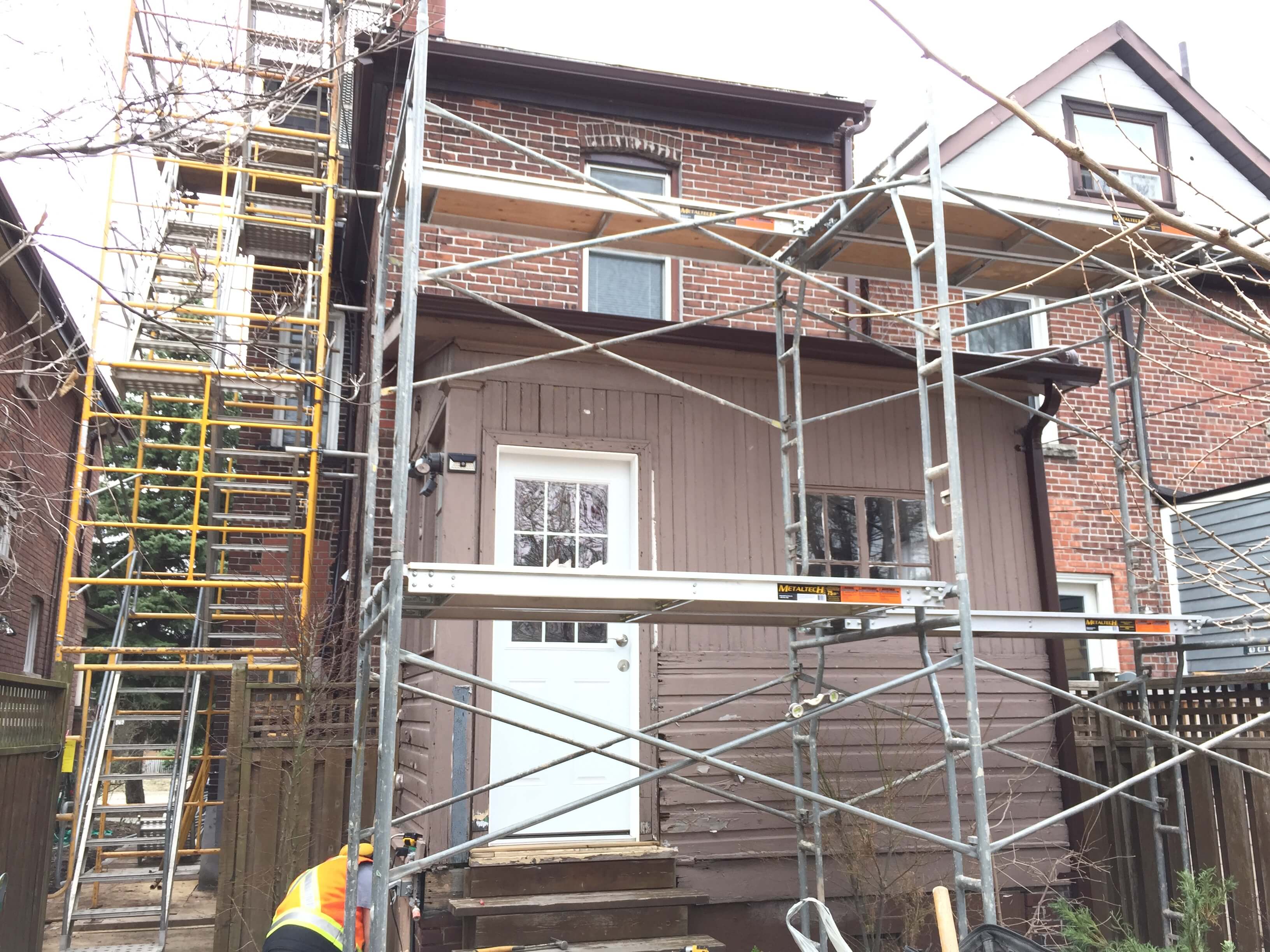
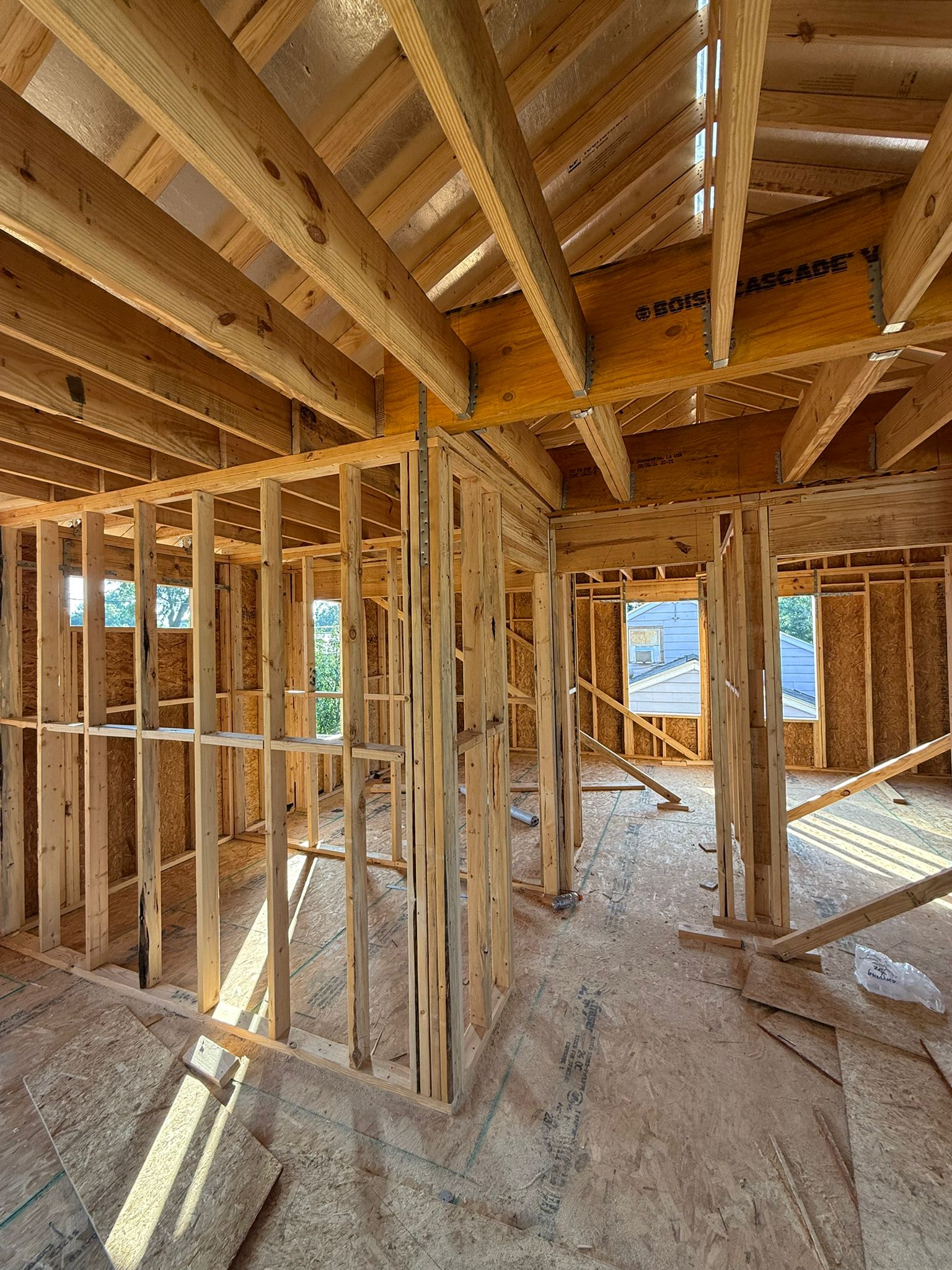
House addition contractors are the experts you call when you want to add a new room, bump out a wall, or even build a whole new floor on your house. They handle the entire process, from planning and permits to construction and finishing. These pros will work with you to design the addition, ensuring it fits your needs and the style of your home. They'll then manage the build, coordinating the various tradespeople and keeping the project on track.
Finding and Hiring the Right Contractor
When it comes to hiring a house addition contractor, it's important to do your research. Check out their past projects and read reviews to get a sense of their work. You'll want to ask about their experience with similar projects and ensure they're licensed and insured. Get quotes from a few contractors to compare prices and services. A good quote will include a detailed breakdown of costs, the timeline, and any potential issues or challenges.
Costs and Pricing
The cost of a house addition can vary widely depending on factors like the size and complexity of the project, the materials used, and local labor rates. It's a good idea to get several written quotes to compare. Remember, the cheapest quote might not always be the best value. Look for a contractor who offers a fair price and has a track record of delivering high-quality work.
Construction and Remodeling Companies
There are many construction and remodeling companies out there, from small, family-run businesses to large, established firms. The size of the company doesn't always determine the quality of their work. It's more about finding a company that suits your needs and budget. Larger companies might offer more services and have more resources, but smaller firms can often provide a more personalized experience.
Company Names and Branding
Naming a construction business can be fun, but it's important to choose a name that's memorable and reflects your company's values and services. It should be unique and easy to recognize. Some examples could be "Build-It-Right Contractors," "Home Expansion Specialists," or "Room for Growth." Before settling on a name, check its availability for local registration and domain names to ensure you can establish an online presence.
Jobs and Salaries in the Industry
The construction industry offers a range of roles, from general contractors and project managers to skilled tradespeople like carpenters, plumbers, and electricians. Salaries can vary depending on experience, qualifications, and the specific role. Many construction jobs are advertised through online job boards and local newspapers, but it's also worth checking with local trade associations and construction companies directly.
Industry Tools and Data
Construction professionals often use tools like RSMeans to estimate costs and plan projects. RSMeans provides cost data and resources to help contractors and estimators accurately price their work. It's a valuable tool for ensuring projects stay on budget. Cost databases like these are essential for the industry, providing up-to-date information on materials, labor, and other costs.
The Outlook for House Addition Contractors
The demand for house addition contractors can vary depending on the housing market and local trends. In areas with a growing population or a shortage of housing, these professionals are in high demand. It's always a good idea to check with local building departments to understand the market and any specific rules or regulations that might impact your project.
So, if you're thinking of adding some space to your home, house addition contractors are the way to go. With the right research and a bit of planning, you can find the perfect team to help bring your vision to life.
Related: Unraveling the Tape Measure Chart Mystery
A tape measure chart is a handy tool, a visual aid that simplifies the process of measuring and converting lengths. This guide will navigate you through the world of tape measure charts, offering a clear understanding of their purpose and usage.
These charts provide a quick reference, allowing you to decipher the various markings on a standard tape measure. They can vary slightly, depending on the type of tape measure and the region, but their core function remains the same: to ensure accurate measurements and easy conversions, be it for metric or imperial units.
Understanding Tape Measure Charts
A tape measure chart is a visual reference tool that displays measurements and their corresponding values, typically in a tabular or diagrammatic format. It serves as a quick guide for understanding and interpreting the markings on a tape measure, ensuring accurate readings.
Key Details and Units
The tape measure chart presents measurements in two primary systems: the metric system and the imperial system. Metric measurements are denoted in centimeters (cm) and millimeters (mm), while imperial measurements use inches (in) as the standard unit. The chart often includes conversions between these systems, aiding in quick metric-to-imperial and imperial-to-metric conversions.
Reading Tape Measure Charts: A Step-by-Step Guide
- Identify the System: Determine whether you are working with metric or imperial measurements. This is crucial as it dictates the scale and units used on the tape measure and in the chart.
- Locate the Markings: On the tape measure, you will find various markings indicating different lengths. These markings correspond to the values shown on the tape measure chart.
- Match the Markings: Align the tape measure's markings with the values on the chart. This allows you to read and interpret the measurements accurately.
- Convert if Needed: If your project requires converting between metric and imperial units, refer to the conversion section of the chart. This ensures consistency and accuracy when working with different measurement systems.
Variations and Differences
Tape measure charts may vary depending on the standard being used. Different regions and industries may have specific measurement standards and tolerances. For instance, the US typically uses imperial measurements, while many other countries follow the metric system. It is essential to refer to the appropriate chart based on your location and the project's requirements. Additionally, some charts may provide specific measurements for specialized fields, such as construction or tailoring, where precise measurements are crucial.
Common Mistakes and How to Avoid Them
- Misreading Markings: Ensure you understand the scale and units of your tape measure. Misinterpreting the markings can lead to significant errors.
- Imperial-Metric Confusion: Be mindful of the measurement system you are using. Converting between systems without referring to the tape measure chart can result in inaccurate readings.
- Neglecting Tolerances: Some projects have specific tolerance requirements. Always check the project's specifications to ensure your measurements meet the necessary standards.
- Relying on Memory: Avoid relying on memory for conversions. Always refer to the tape measure chart for accurate and consistent results.
- Inaccurate Tape Measures: Ensure your tape measure is in good condition and has clear, visible markings. Worn-out or damaged tape measures can lead to imprecise readings.
Hey there! I hope this tape measure chart has been a helpful reference for you. Remember, while the basics remain the same, exact details can indeed vary, so it's always good to double-check your sources and standards.
Feel free to explore our other guides for more practical tips and tricks. And when you need a quick reminder, don't forget to bookmark this page for easy access! It's a simple way to ensure you always have the right measurements at your fingertips.
Related: What is the shades eq chart all about?
Many folks get overwhelmed when they first see a shades eq chart, thinking it's some complex, mysterious tool. But it's actually a simple, visual guide to hair color magic! This chart is your friend, offering a clear path to achieving those perfect hair tones.
It's a handy reference, whether you're a pro stylist or a color-curious individual. You'll find it covers various color mixing ratios and toning techniques, and while the specifics might vary slightly depending on your region or brand, the shades eq chart concept remains a reliable companion for your hair color adventures.
Understanding the Shades EQ Chart: A Simple Guide
The Shades EQ Chart is a valuable tool for hair professionals and enthusiasts, offering a visual guide to hair color mixing and toning. It simplifies the process of achieving desired hair shades and helps avoid common color mistakes.
Key Details and Categories
This chart typically features a grid-like structure, with rows and columns representing different hair color categories. The rows often indicate the base color or starting shade, while the columns represent the desired end result or tone. Each cell in the grid provides a specific mixing ratio or formula to achieve the target color.
How to Read and Apply the Chart
Reading the Shades EQ Chart is straightforward. Identify your client's current hair color on the chart, which serves as the base. Then, determine the desired new color or tone. The intersection of these two colors on the chart provides the recommended mixing ratio. For instance, if the base color is a level 6 and you aim for a warm brown tone, the chart will guide you to mix specific amounts of warm brown toner with the base color.
Variations and Differences
It's important to note that Shades EQ Chart variations exist, often due to different standards or manufacturer-specific formulas. These charts may use various color notations and mixing ratios, so always refer to the specific chart's guidelines. Additionally, hair porosity, previous color treatments, and natural hair texture can influence the final result, requiring adjustments to the standard ratios.
Common Mistakes and How to Avoid Them
A frequent error is overlooking the hair's condition and history. Always consider the client's hair health and previous color treatments. Another mistake is not following the recommended mixing ratios precisely. Accurate measurements are crucial for consistent results. Lastly, neglecting to perform a strand test before a full application can lead to unexpected outcomes.
Tips for Accurate Results
For precise color outcomes, ensure you're using the correct Shades EQ Chart for your product and standard. Always measure toners and developers accurately, and follow the recommended ratios. Conduct a strand test to preview the final result, especially with dramatic color changes. Additionally, be mindful of the hair's porosity and adjust the developer strength or processing time accordingly.
Double-Checking and Handling Exceptions
While the Shades EQ Chart is a valuable guide, it's essential to double-check the exact specifications for your product and client's hair. Some hair types may require customized formulas or additional steps. Always refer to the product manufacturer's guidelines and consider seeking professional advice for complex color corrections or unique hair conditions.
Remember, the Shades EQ Chart is a tool to simplify the hair coloring process, but it's not a one-size-fits-all solution. Adapt and customize the formulas based on individual hair needs for the best results.
Well, there you have it! A handy guide to navigating the shades eq chart with ease. Remember, these charts are a great reference, but it's always wise to double-check the specifics for your unique situation.
Consider bookmarking this page for future reference; it might just save you some time and effort the next time you need a quick reminder. Happy charting!