


New Era Size Chart Blank Overview
A common mistake when dealing with socket size charts is assuming they are universal. While these charts are incredibly useful, it's important to understand that they can vary depending on your location and the specific standards you're working with.
So, when you're tackling a project, whether it's a simple home repair or a more complex task, referring to the right socket size chart is key. These charts provide a quick and accurate way to identify the right tool for the job, ensuring you don't end up with a metric socket when you need an imperial one!
Understanding Socket Size Charts
Socket size charts are your practical guides to choosing the right socket for the job. They provide a clear, visual reference for different socket sizes, helping you select the correct tool for your needs.
Key Details and Units
These charts typically display socket sizes in either metric or imperial measurements, depending on the standard being used. The metric system is widely adopted internationally, while the imperial system is more common in certain regions like the United States. The chart will list socket sizes in these units, often in millimeters (mm) or inches (in).
Reading the Chart: A Step-by-Step Guide
- Identify the measurement system: Determine whether your chart uses metric or imperial measurements. This is crucial as it affects the size categories and conversions.
- Locate the size category: Look for the specific size you need. Socket size charts often list sizes in ascending or descending order, making it easy to find the right one.
- Note the dimensions: The chart will provide the inner and outer dimensions of the socket. These are critical for ensuring a proper fit with your fastener or tool.
- Consider the drive size: Socket size charts may also include information about the drive size, which is the size of the square hole in the socket that fits onto a ratchet or breaker bar. Ensure this matches your tool.
Variations and Differences
Socket size charts can vary depending on several factors:
- Measurement System: As mentioned, the metric and imperial systems have different units and size categories.
- Standard Organizations: Different organizations or regions may have their own standards and specifications, leading to variations in socket sizes.
- Manufacturer Preferences: Some manufacturers may use slightly different sizes or designs, especially for specialty sockets.
- Tool Type: Sockets designed for specific tools, like impact wrenches, may have unique dimensions.
Common Mistakes and How to Avoid Them
- Mixing Measurement Systems: Always ensure you're using the correct system (metric or imperial) to avoid mismatched sizes.
- Assuming Standard Sizes: Don't assume all sockets follow the same standard. Double-check the exact specifications, especially for specialty sockets or tools.
- Neglecting Drive Size: The drive size is crucial for a proper fit with your ratchet or bar. Always check this specification.
- Forgetting Tolerances: Sockets have tolerance ranges. Ensure your fastener falls within the socket's tolerance range for a secure fit.
Remember, while socket size charts are invaluable tools, they are just guides. Always refer to the specific tool's or manufacturer's instructions for exact specifications.
Hey there, I hope this socket size chart has been a handy reference for you! Remember, while these charts provide a solid framework, the exact details can vary slightly depending on the specific context or standard you're working with. It's always a good idea to double-check the relevant specs for your project.
Feel free to explore our other guides on similar topics. We've got a whole collection of practical resources to help you tackle various DIY and technical challenges. Happy learning and keep those tools organized!
Related: How to Read the Moncler Size Chart: A Simple Guide
A Moncler size chart is a handy tool for anyone looking to navigate their sizing options with ease. This guide will provide a clear overview, offering insights into how to utilize this chart effectively. Whether you're familiar with Moncler's sizing or new to the brand, understanding the size chart is key to ensuring a perfect fit. It's worth noting that sizing can vary, so we'll cover some essential tips to help you interpret the chart accurately, ensuring you make the right choices for your wardrobe.
Understanding the Moncler Size Chart
The Moncler size chart is a valuable tool for anyone looking to purchase Moncler clothing, especially online. It provides a clear guide to help you find your perfect fit, ensuring a comfortable and well-tailored experience. This chart is designed to simplify the sizing process, making it accessible and user-friendly.
Key Details and Categories
The Moncler size chart typically includes measurements for various body parts, such as chest, waist, hips, and sleeve length. These measurements are presented in a clear, tabular format, often with columns for different sizes and rows for each body measurement. The chart may also indicate the standard fit for each size, helping you choose the right style. It's essential to note that Moncler, like many other clothing brands, uses both European and US sizing standards. The chart will usually specify which standard is being used, ensuring accuracy.
Step-by-Step Guide: Reading the Moncler Size Chart
To use the Moncler size chart effectively, follow these steps:
- Identify the sizing standard: Check if the chart uses European or US sizing. This information is crucial for an accurate fit.
- Take your measurements: Using a measuring tape, record your chest, waist, hip, and sleeve length measurements. Ensure the tape is straight and snug, but not tight, to get precise results.
- Compare your measurements: Match your measurements to the corresponding size on the chart. Look for the size where most of your measurements align.
- Consider the standard fit: Moncler provides guidance on the standard fit for each size. This information helps you decide if you prefer a more relaxed or fitted look.
- Double-check specific items: Some Moncler pieces, like jackets, may have unique sizing details. Always refer to the product-specific sizing guide for such items.
Size Variations and Potential Differences
While the Moncler size chart aims for consistency, variations can occur due to:
- Manufacturing processes: Slight differences in production can lead to minor variations in sizing.
- Material stretch: Some fabrics have more give, which can affect the final fit.
- Personal preferences: Individuals may prefer a looser or tighter fit, influencing their size choice.
- Design variations: Certain Moncler styles may have unique cuts or features, impacting the overall fit.
Common Mistakes and How to Avoid Them
To ensure an accurate fit, avoid these common mistakes:
- Relying solely on your usual size: Sizing can vary across brands. Always refer to the Moncler size chart for an accurate fit.
- Ignoring specific item guides: Some Moncler pieces have unique sizing. Always check the product-specific guide.
- Measuring incorrectly: Take precise measurements to ensure an accurate comparison with the chart.
- Neglecting personal preferences: Consider whether you prefer a relaxed or fitted look, and choose accordingly.
Remember, the Moncler size chart is a valuable tool, but it's essential to be mindful of these factors to achieve the perfect fit. With careful consideration and attention to detail, you'll enjoy a comfortable and stylish Moncler experience.
Remember, while this guide offers a comprehensive overview, exact details can vary slightly depending on the specific Moncler product and the context in which you're using the size chart. It's always a good idea to double-check the size guide provided with your chosen item to ensure an accurate fit.
Feel free to bookmark this page for future reference. We also have a range of other practical guides on various topics, so be sure to check them out for all your reference needs!
Related: How to Find Your Glove Size Chart?
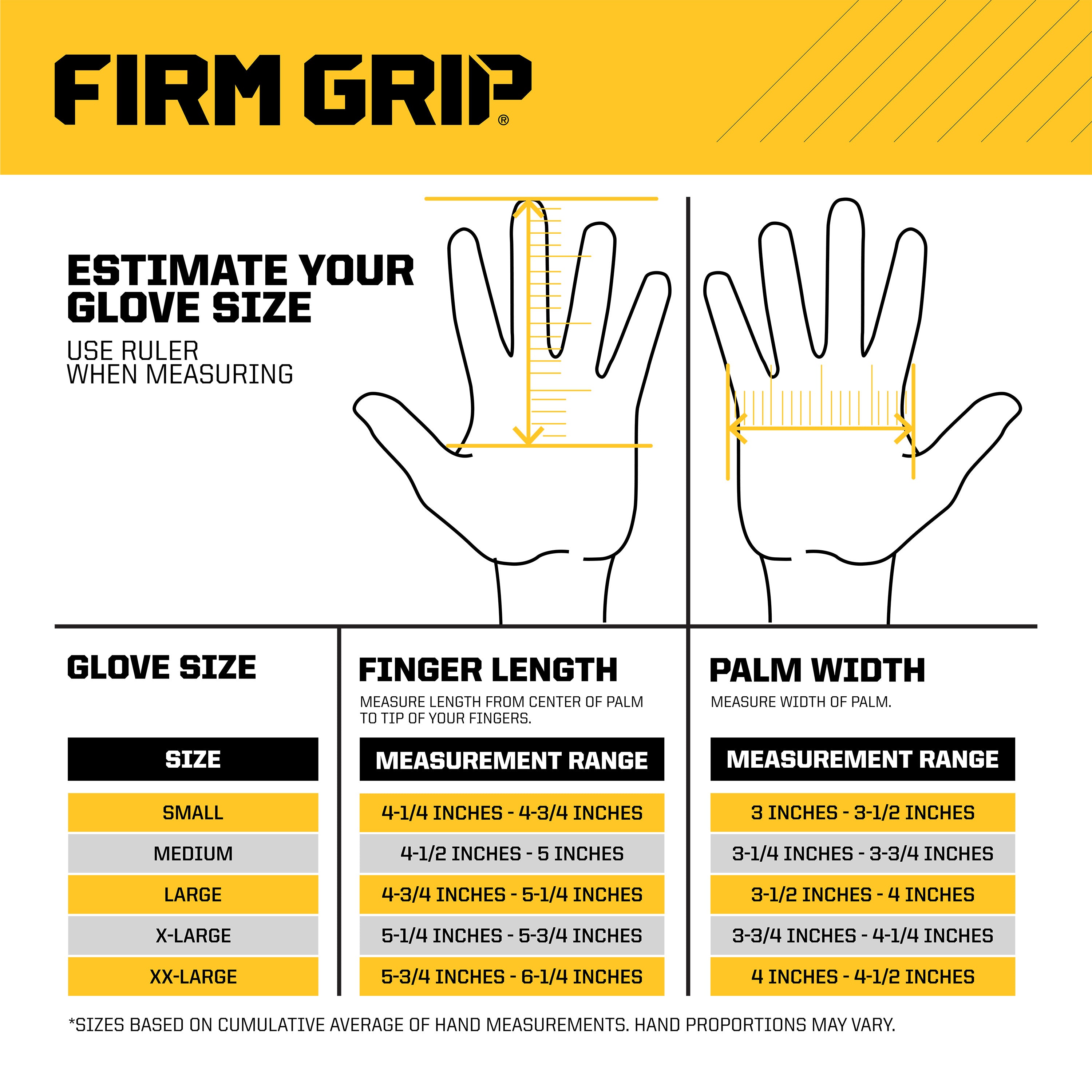
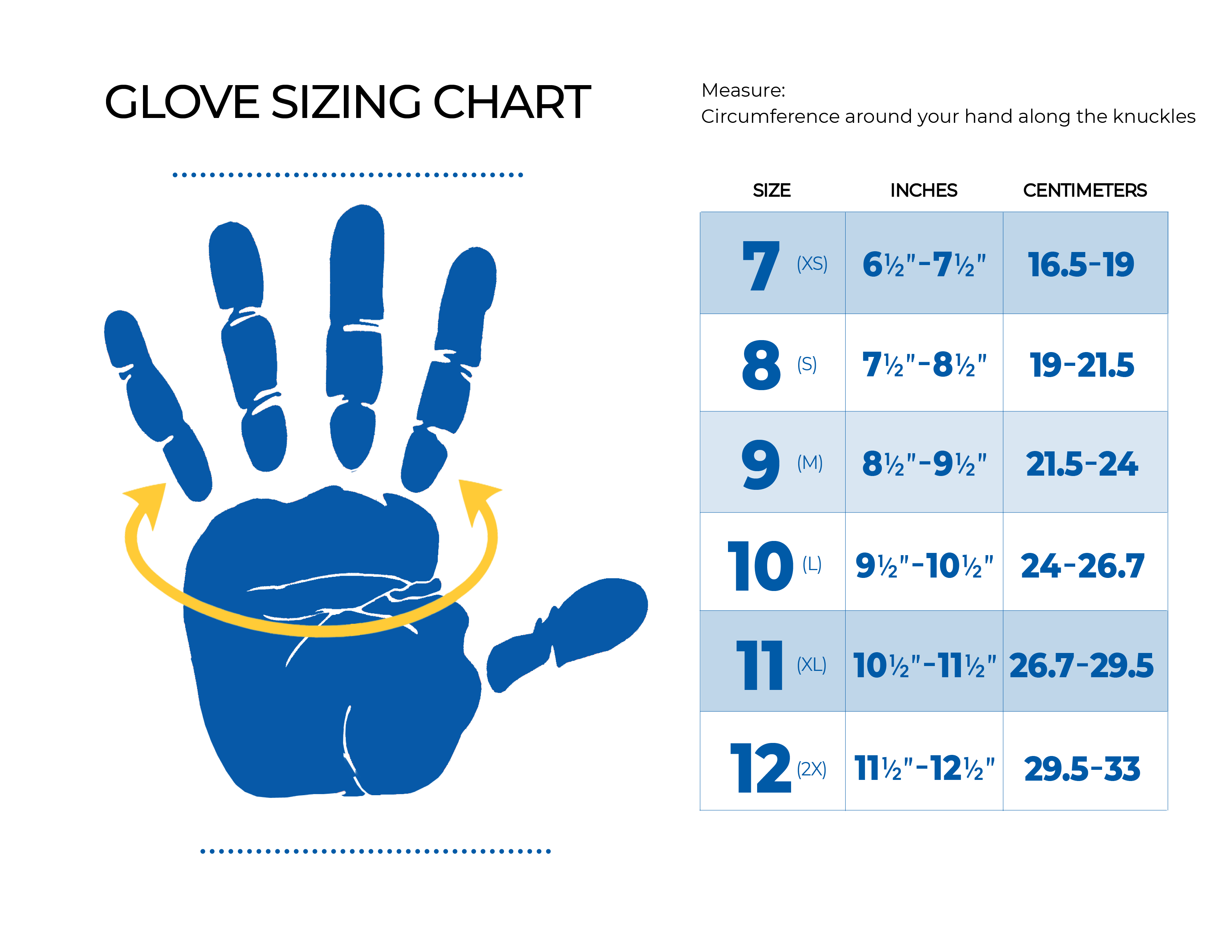
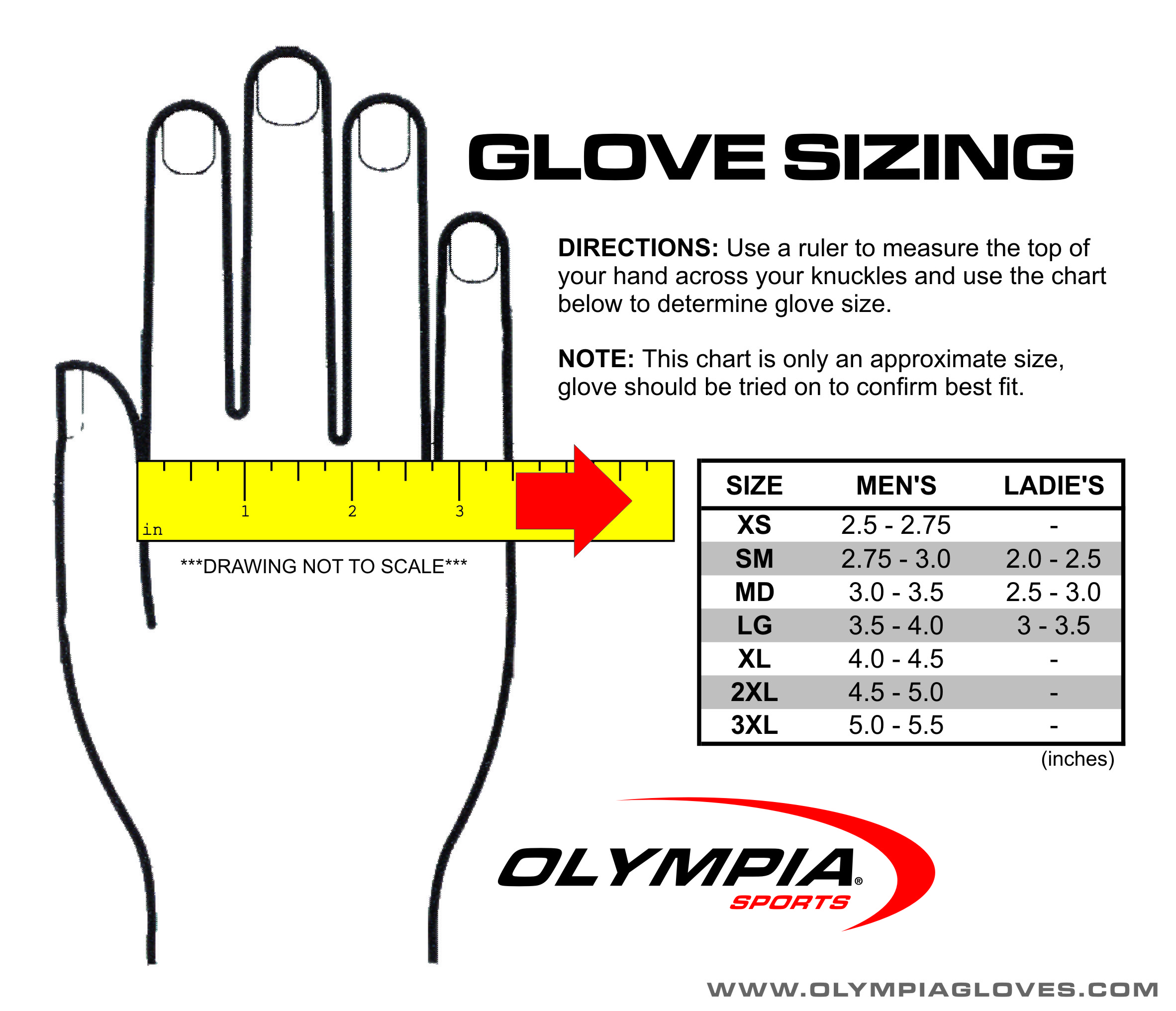
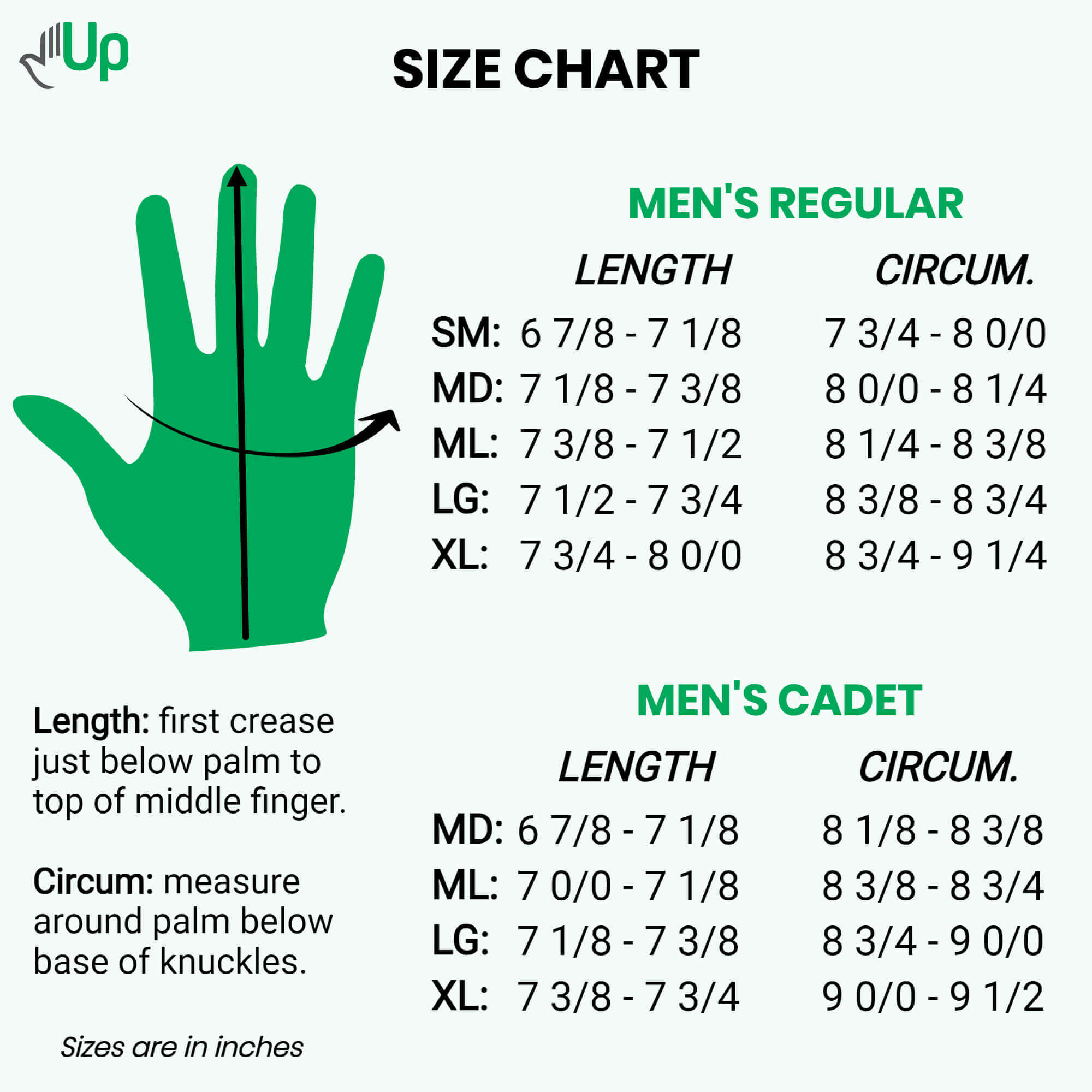
A glove size chart is a handy tool to ensure you get the perfect fit for your hands. This guide will show you how to navigate these charts and find your ideal glove size with ease.
Glove sizing can vary depending on the type and purpose of the glove, so having a reliable chart is key. It's a simple process to measure your hand and find your size, and we'll cover the steps to ensure you get it right. With a glove size chart, you'll be able to choose the right gloves for any task, from gardening to safety gear.
Glove Size Chart: A Quick Overview
A glove size chart is your handy guide to finding the perfect fit for your hands. It's a simple yet effective tool that ensures your gloves are neither too loose nor too tight, offering comfort and functionality. This chart typically includes measurements for hand length and width, helping you choose the right size for various glove types.
Comparing Standards and Formats
Glove size charts can vary depending on the standard used. Common standards include the US sizing system and the international glove size standards. These standards provide different measurement categories and ranges. For instance, the US system often uses letter sizes like S, M, L, while international standards may employ numerical sizes with more precise measurements. It's essential to know which standard your chart follows to ensure accurate sizing.
Step-by-Step Guide to Using the Chart
Using a glove size chart is straightforward. First, measure your hand length from the tip of your middle finger to the base of your palm. Then, measure your hand width across your palm at its widest point. These measurements will guide you to the right size on the chart. For instance, if your hand length is 7.5 inches and your hand width is 3.5 inches, you'd likely need a medium-sized glove according to the US standard. Always refer to the chart's legend or key to understand the measurements and categories.
- Measure your hand length and width accurately.
- Locate these measurements on the chart.
- Identify the corresponding glove size.
- Cross-check with the glove's product description or packaging for any specific sizing details or recommendations.
- Try on the gloves to ensure a comfortable fit.
Common Misreadings and Pitfalls
Misreading a glove size chart can lead to an inaccurate fit. One common mistake is assuming all glove types follow the same sizing standards. For example, safety gloves might have different measurements than regular gloves. Always check the chart's specific use case or purpose. Another pitfall is neglecting to measure both hand length and width. Both measurements are crucial for an accurate fit. Lastly, remember that hand shapes can vary, so a size that fits one hand perfectly might not fit the other.
Factors Affecting Accuracy
Several factors can influence the accuracy of a glove size chart. Here are some key considerations:
- Hand Shape: Hands come in various shapes, and some gloves might fit certain shapes better than others.
- Material Stretch: The material of the glove can affect its stretch and fit. For instance, leather gloves might have less give than fabric gloves.
- Safety Features: Gloves with extra padding or safety features might have a different fit compared to standard gloves.
- Personal Preferences: Some people prefer a tighter or looser fit, so personal preference plays a role in sizing.
- Manufacturing Tolerances: Gloves from different manufacturers might have slight variations in sizing, so always check the brand's specific measurements.
Always refer to the glove sizing guide provided by the manufacturer for the most accurate fit.
So, there you have it, a handy guide to glove sizing. Remember, it's always a good idea to double-check your specific needs and consider any unique factors that might impact your glove choice.
We've covered a lot of ground, but there's always more to explore. If you found this helpful, why not check out some of our other practical guides? We've got a range of topics to keep you informed and ensure you're always making the right choices. Happy reading!