

New Era Size Chart Sheet Overview
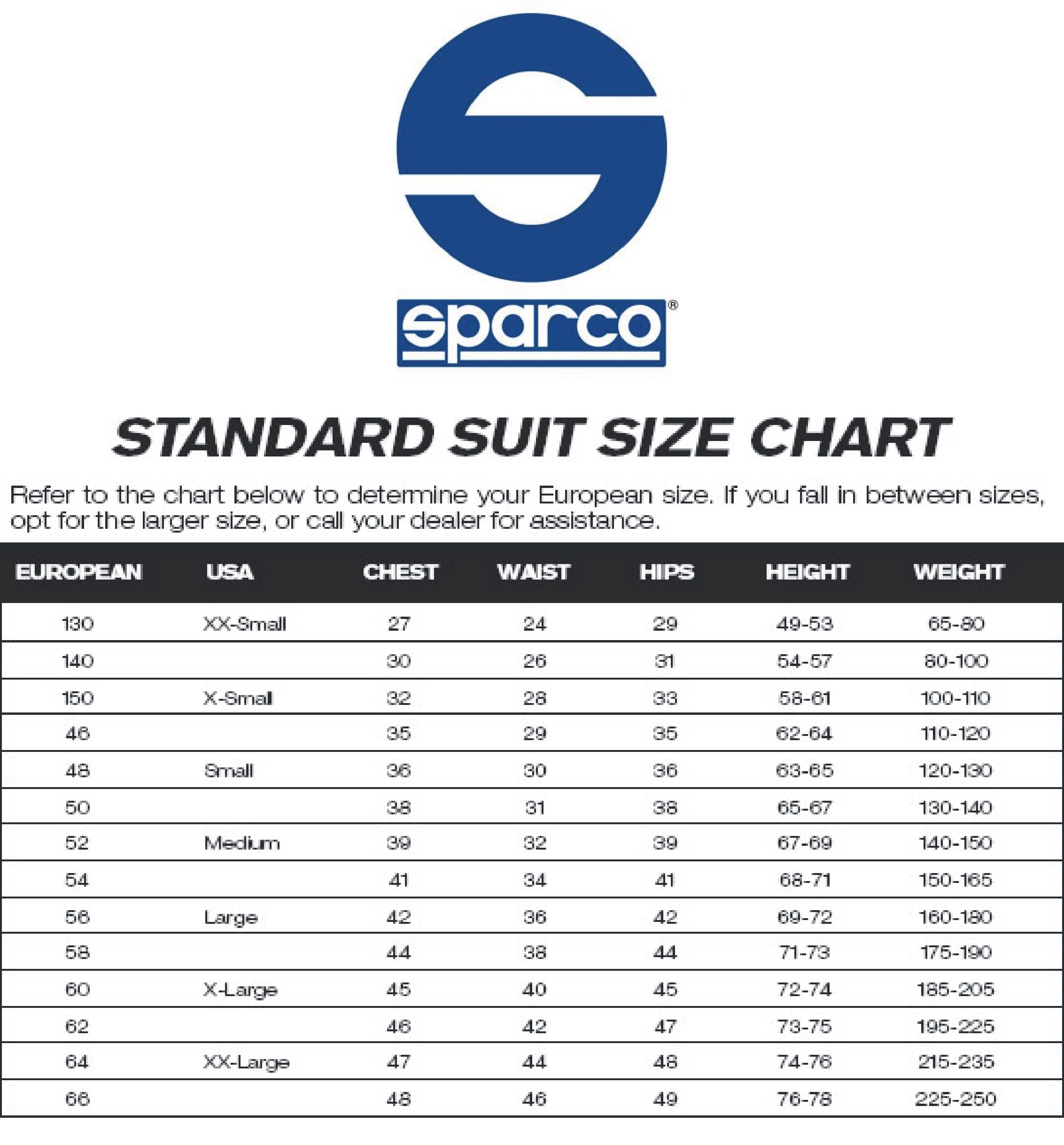
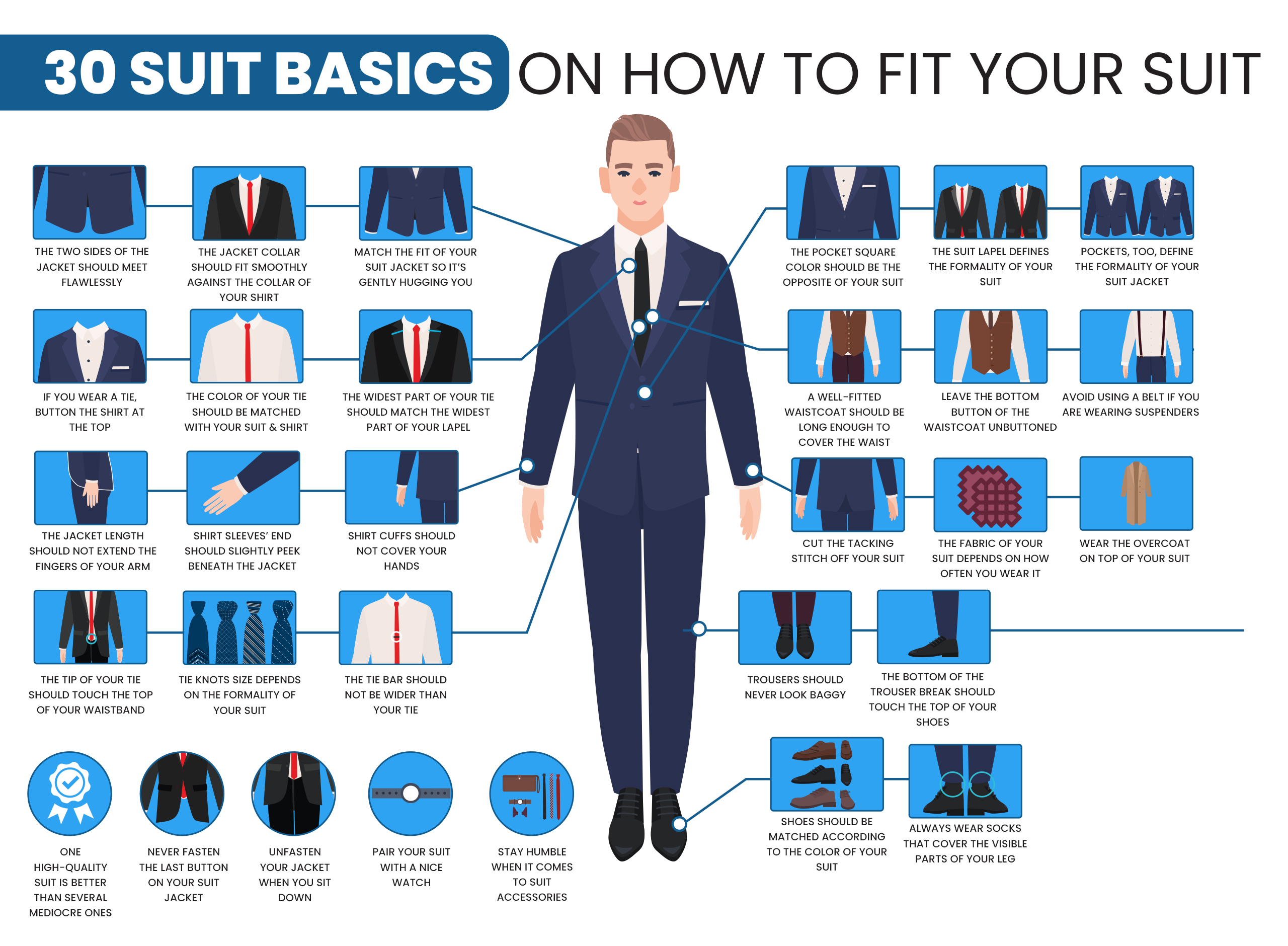
You're likely here because you need a suit size chart to ensure a perfect fit, and you're right to prioritize this. A well-fitted suit is essential, and having an accurate reference is key. The chart provides a simple yet effective way to determine your size, whether you're measuring yourself or referring to a tailor's guide. It's a straightforward process, but it's worth noting that sizing can vary slightly, depending on the brand and your personal preferences. With a quick glance at the suit size chart, you can navigate the differences and find the right measurements for a suit that flatters your figure.
Understanding the Suit Size Chart: A Quick Overview
The suit size chart is an essential tool for anyone looking to purchase or tailor a suit. It provides a standardized guide to help you find the perfect fit for your body type and preferences. This chart offers a simple yet effective way to determine your suit size, ensuring a comfortable and stylish look.
Comparing Suit Size Chart Standards and Formats
Suit size charts can vary slightly depending on the region and standard being used. The most common standards are the US and EU systems, each with its own measurement units and categories. The US system typically uses inches, while the EU system employs centimeters. It's crucial to know which standard you are referring to when using a size chart.
The charts often include categories such as chest size, waist size, and jacket length, providing a comprehensive guide for both the jacket and pants. These categories are further divided into specific measurements, ensuring a precise fit. For instance, the chest size may be categorized into small, medium, and large, with corresponding numerical ranges.
Taking Accurate Measurements: A Step-by-Step Guide
To use the suit size chart accurately, follow these steps:
- Gather a measuring tape and a mirror. Ensure the tape is flexible and can conform to your body's curves.
- Measure your chest size by wrapping the tape around your chest at the widest point, usually just below your armpits. Record this measurement.
- Determine your waist size by measuring the narrowest part of your waist. This measurement is crucial for a well-fitted jacket and pants.
- For jacket length, measure from the base of your neck to where you want the jacket to end. This measurement ensures the jacket's length suits your preference and body type.
- Compare your measurements to the suit size chart's categories and ranges. Choose the size that best aligns with your measurements for a comfortable and stylish fit.
Common Misreadings and How to Avoid Them
Misinterpreting the suit size chart is common, especially when dealing with different standards and measurement units. Always ensure you are using the correct standard for your region or the manufacturer's specifications.
Another pitfall is assuming that one size fits all. Suit sizes can vary between brands and styles, so it's essential to double-check the exact specifications, especially when ordering online. Additionally, remember that the chart provides a guide, and slight variations are normal.
Key Factors Affecting Accuracy and Real-World Use
- Suit measurement guide: Ensure you follow the guide accurately, taking precise measurements.
- Common size variations: Suit sizes can differ between brands, so always check the manufacturer's size guide.
- Pant waist size: This measurement is crucial for a comfortable fit and should be considered carefully.
- Standard suit sizing: While charts provide a standard, individual body shapes and preferences may require adjustments.
- Cm to inches conversion: If you are used to one unit of measurement, ensure you understand the conversion when referring to a different standard.
Adapting the Chart for Your Specific Needs
The suit size chart is a versatile tool, and you can adapt it to suit your preferences and body type. If you prefer a more tailored look, you can use the chart as a starting point and make adjustments based on your measurements.
For instance, if you have a broader chest and a narrower waist, you may need to size up for the jacket and size down for the pants. The chart provides a foundation, but it's essential to consider your unique body shape and style choices.
Remember, the perfect suit fit is a combination of accurate measurements and personal preference. With the right suit size chart and a little tailoring, you can achieve a stylish and comfortable look.
Remember, while this guide offers a comprehensive overview, the exact details can vary slightly across different sources and standards. It's always a good idea to refer back to this page for a quick refresh when you need it, and feel free to explore our other guides for more practical tips and insights. Stay organized, and happy measuring!
Related: Unravel the Capsule Size Chart Mystery
A capsule size chart is a handy tool for anyone working with capsules, whether it's for medication, supplements, or even food products. This guide will help you navigate and understand these charts, ensuring you can quickly find the right capsule size for your needs.
The chart provides a clear overview of capsule dimensions, typically showing both metric and imperial sizes. It's a simple reference, but one that can vary slightly depending on the standard or region, so it's good to know how to read and interpret them accurately.
A Quick Overview
The capsule size chart is your go-to guide for understanding and selecting the right capsule size for your needs. It's a handy reference tool that simplifies the process of identifying and working with different capsule sizes, especially when dealing with various standards and formats.
Comparing Capsule Size Standards
When it comes to capsule sizes, there are two main standards to consider: the metric system and the imperial system. The metric system, used internationally, employs a straightforward numbering system for capsule sizes, ranging from 000 to 5. Each size corresponds to specific dimensions, with the larger numbers indicating smaller capsules. On the other hand, the imperial system, commonly used in the US, utilizes lettered sizes (A to E) and has its own set of dimensions. It's crucial to know which standard you're working with to ensure accurate selection.
Step-by-Step Guide to Using the Chart
Using the capsule size chart is simple:
- Identify the standard: Determine whether you're working with metric or imperial capsules. This information is typically provided by the manufacturer or can be found on the packaging.
- Locate the size: Refer to the chart and find the corresponding size based on the standard. The chart will provide you with the specific dimensions for each size, including length and diameter.
- Consider your needs: Evaluate the capsule's intended use and the amount of content it needs to hold. This will help you choose the appropriate size.
- Double-check: Always confirm the exact specifications, especially if you're working with sensitive or specialized formulations. Some manufacturers may have slight variations, so it's best to verify.
Common Misreadings and How to Avoid Them
One common mistake is assuming that all capsules within a size category are identical. While the capsule size chart provides standard measurements, there can be minor variations between brands or even within the same brand. Always refer to the specific product details to ensure accuracy. Additionally, be cautious when converting between metric and imperial sizes; direct conversions may not always provide an exact match, so it's best to consult the chart for the closest equivalent.
Factors Affecting Real-World Accuracy
Several factors can influence the accuracy of your capsule selection and filling process:
- Capsule Type: Gelatin vs. hard capsules can have slight size variations.
- Manufacturer: Different brands may have unique specifications, so always check.
- Content Volume: Ensure the capsule size accommodates the intended dosage or content.
- Environmental Conditions: Humidity and temperature can affect capsule dimensions over time.
- Filling Technique: Proper filling techniques ensure accurate dosing and avoid overpacking.
Remember, while the capsule size chart provides a valuable reference, it's essential to consider these factors and double-check specific product details for precise results.
Hey there! I hope this capsule size chart has been a handy reference for you. Remember, these values can vary slightly, so always double-check your sources and standards to ensure you're getting the right information for your specific needs.
Feel free to explore our other guides and resources; we've got plenty of practical tips and tricks to help you navigate various topics with ease. Happy learning, and keep those capsules organized!
Related: Need the Torrid Size Chart? A Quick Guide?
Frustrated by the lack of clarity in size guides? You're not alone! Many of us have been there, staring at a Torrid size chart, wondering if the numbers align with our bodies. It's a common struggle, especially when shopping for plus-size clothing. But fear not! Understanding these charts is easier than you think.
The Torrid size guide, for instance, offers a simple solution. It provides a clear breakdown of measurements, ensuring you find the perfect fit. Whether you're after a Torrid dress size chart or a Torrid jeans size chart, the key is to take your time and measure accurately.
Understanding the Torrid Size Chart
The torrid size chart is your go-to guide for finding the perfect fit in Torrid clothing. It's a simple yet effective tool that helps you navigate their range of sizes and styles, ensuring you get a comfortable and flattering look every time.
Key Details and Categories
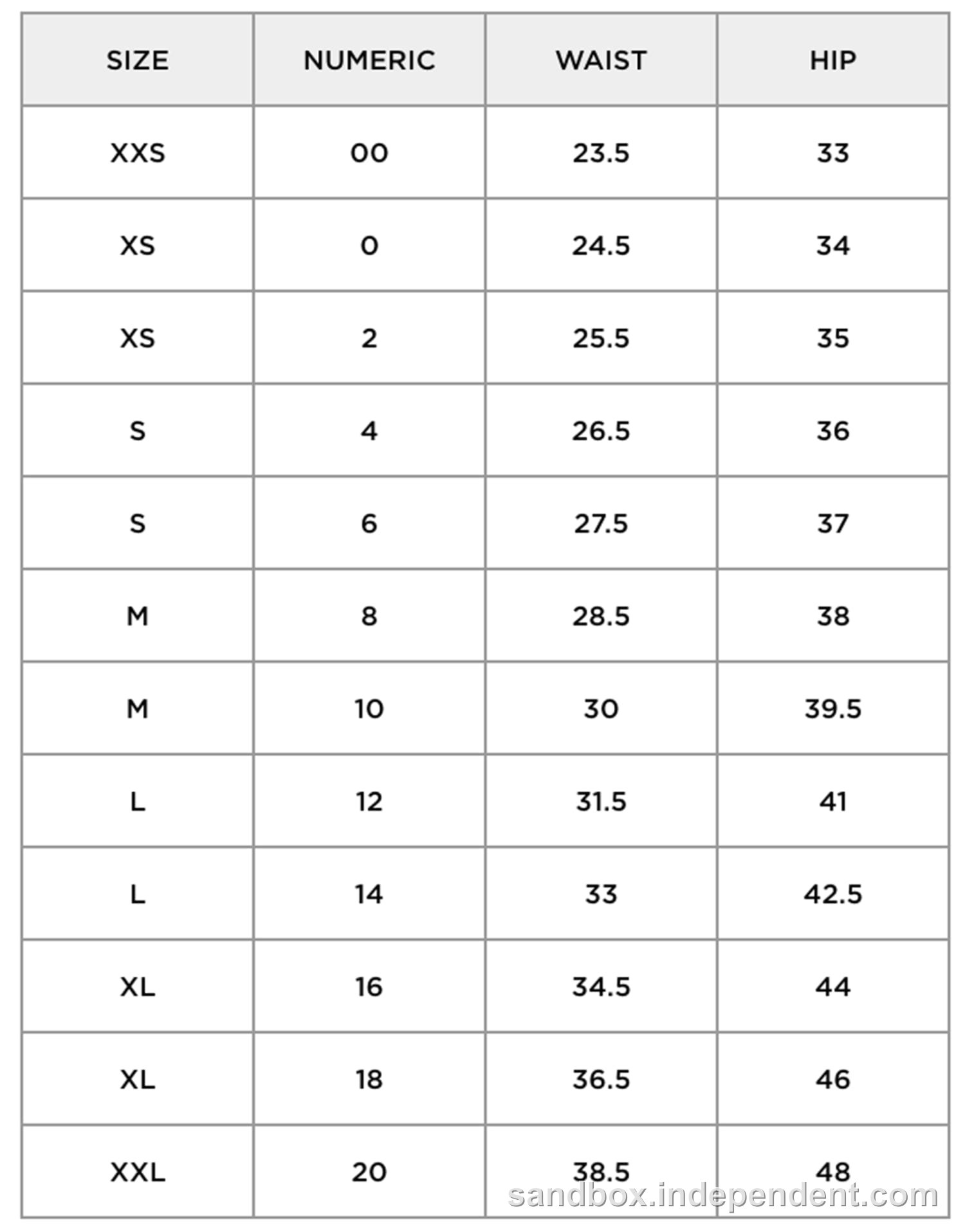
The chart provides a clear breakdown of measurements for different body parts, typically including bust, waist, hips, and inseam. These measurements are presented in a table format, with sizes ranging from 00 to 6X, covering a wide range of body types. The units used are inches, a standard measurement system. It's important to note that the chart is designed specifically for Torrid's clothing line, so it may differ from other size guides.
Step-by-Step Guide to Reading the Chart
Here's a simple process to follow when using the torrid size chart:
- Identify your body type and the specific item of clothing you're interested in.
- Locate the relevant size guide for that item on the chart.
- Measure your body according to the guide's instructions. Ensure you're measuring the right body parts accurately.
- Compare your measurements to the size chart. Find the size that most closely matches your measurements across all relevant body parts.
- If you fall between sizes, consider the fabric and style of the garment. Some fabrics have more give, and certain styles may be more forgiving.
- Don't forget to check the reviews and fit notes provided by Torrid and other customers. These can offer valuable insights into how the garment fits in real life.
Size Chart Variations and Differences
It's important to remember that size charts can vary across brands and even within a brand for different clothing types. Torrid clothing size charts may differ slightly for jeans compared to dresses or bras, as these items have unique fit requirements. Additionally, Torrid, like many brands, offers size guides for both US and international (metric) measurements, so ensure you're using the correct guide for your region.
Common Mistakes and How to Avoid Them
- Measuring inaccurately: Ensure you're using a flexible measuring tape and following the instructions precisely.
- Assuming sizes are universal: Remember, each brand's size chart is unique. Don't assume your Torrid size will be the same as another brand.
- Not considering fabric and style: The fit of a garment can vary significantly based on fabric and design.
- Neglecting to check reviews: Customer reviews often provide valuable insights into how an item fits in practice.
- Forgetting to account for personal preferences: If you prefer a looser fit, size up; if you like it snug, size down.
- Relying solely on the size chart: While the chart is a great guide, it's always a good idea to check the fit notes and reviews for a more accurate picture.
Hey there, I hope this guide has been helpful in understanding the Torrid size chart and its practical use. Remember, while the core principles remain the same, the exact details can differ slightly, so it's always good to refer to the specific chart you're using.
Don't hesitate to explore other guides on our site, where you'll find more tips and tricks to enhance your shopping experience and make informed choices. Happy shopping, and stay stylish!