



Oib Tide Chart Easy Overview
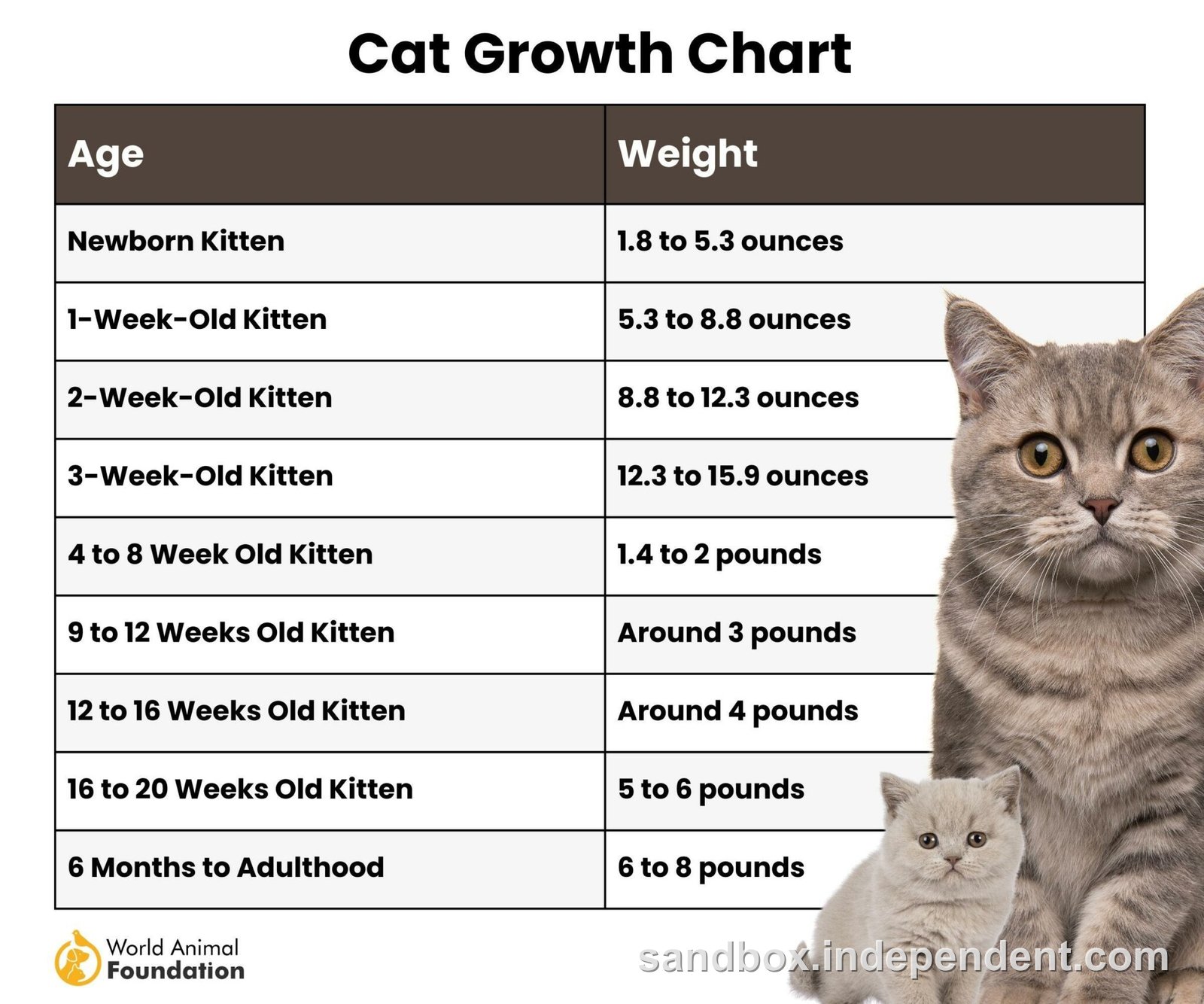
A common misconception about dog growth charts is that they are solely for show, a decorative element on a vet's wall. In reality, these charts are practical tools, offering valuable insights into your dog's development.
While the values and formats may vary, the purpose remains the same: to provide a quick reference guide for pet owners and professionals alike. With a dog growth chart, you can track your furry friend's progress, ensuring they are on a healthy growth trajectory. It's a simple yet effective way to monitor their well-being, especially during those crucial early months.
Understanding Dog Growth Charts
Dog growth charts are a handy tool for pet owners to monitor their furry friend's development. These charts provide a visual representation of a dog's growth journey, offering insights into their weight, height, and overall progress.
Key Details and Categories
The dog weight chart typically includes two main axes: one for age and another for weight or height. Age is often measured in weeks or months, while weight is in pounds or kilograms, depending on the standard used. Some charts also include height measurements, usually in inches or centimeters. It's essential to know your dog's breed and age to choose the right chart and interpret the data accurately.
Reading and Applying the Chart
Here's a step-by-step guide to using a dog growth chart:
- Identify your dog's breed and age. Different breeds have unique growth patterns, so ensure you're using the correct chart.
- Locate your dog's age on the chart's horizontal axis.
- Find the corresponding weight or height range on the vertical axis.
- Compare your dog's actual weight or height with the chart's values. If they fall within the range, your dog is likely growing as expected.
- Track your dog's progress over time by marking their weight or height on the chart regularly. This helps identify any deviations from the average growth rate.
Variations and Differences
It's important to note that dog growth charts are general guidelines and may not apply to every dog. Several factors can influence a dog's growth, leading to variations:
- Breed: Different breeds have distinct growth patterns and sizes.
- Gender: Male and female dogs may have slightly different growth trajectories.
- Nutrition: A dog's diet and overall health play a significant role in their growth.
- Environment: Factors like exercise and living conditions can impact development.
- Individual variations: Just like humans, dogs can have unique growth rates and milestones.
Common Mistakes and How to Avoid Them
When using a dog growth chart, avoid these common pitfalls:
- Relying solely on the chart: While charts provide valuable insights, they are not a substitute for professional advice. Consult a veterinarian if you have concerns about your dog's growth.
- Ignoring individual variations: Every dog is unique. Don't compare your dog's growth directly to another dog's; focus on their personal progress.
- Using the wrong chart: Ensure you select a chart specific to your dog's breed and age group.
- Overinterpreting data: Growth charts offer a general overview; they may not capture all nuances of a dog's development.
- Neglecting regular check-ups: Schedule routine visits to the vet to monitor your dog's overall health and growth accurately.
Remember, dog growth charts are a tool to assist, not a strict rulebook. Stay vigilant, and enjoy watching your furry companion grow and thrive!
So, there you have it, a handy guide to understanding your dog's growth and keeping track of their development. Remember, while these charts provide a great reference, every dog is unique, and growth rates can differ. It's always a good idea to consult your vet for personalized advice.
Before you go, make sure to check the specific standards and guidelines relevant to your breed and region. There's a wealth of information on our site to explore, so feel free to browse and discover more practical guides and fun reads!
Related: How to Read a Hair Color Chart?
A hair color chart is a valuable tool for anyone seeking to explore the world of hair coloring, offering a visual guide to an array of shades and tones. This simple yet effective reference, often presented as a table or diagram, provides an easy way to navigate and understand the vast options available. In this guide, we'll uncover the key elements of the hair color chart, ensuring you can confidently interpret and utilize it for your hair coloring needs. Whether you're a professional stylist or a home enthusiast, a basic understanding of this chart is essential, as it can vary slightly between brands and regions.
Hair Color Chart: A Visual Guide to Hair Dye
Hair color charts are essential tools for anyone looking to achieve a specific hair color. These charts provide a visual representation of various hair shades, helping individuals choose and understand the desired color outcome.
Key Details and Categories
The hair color chart typically consists of a range of colors, often organized in a grid or palette format. Each color is assigned a unique code or number, indicating its position on the chart. These codes are essential for accurate communication when selecting and purchasing hair dye. The chart may also include additional information, such as tone, level, and intensity, to further describe the color.
Reading and Applying the Chart
To use the hair color chart effectively, follow these steps:
Identify the desired hair color by referring to the chart. Compare the existing hair color to the chart to determine the best match or desired change.
Note the color code or number associated with the chosen shade. This code is crucial for selecting the correct hair dye product.
When purchasing hair dye, check the product label for the color code. Ensure it matches the desired shade to avoid any surprises.
Follow the instructions provided with the hair dye for application. Pay attention to the recommended development time and any specific mixing instructions.
Test the color on a small strand of hair before full application. This step helps ensure the desired result and prevents any unwanted surprises.
Variations and Differences
It's important to note that hair color charts can vary depending on the standard or brand being used. Different manufacturers may have their own unique charts and color codes. Additionally, factors like lighting, hair porosity, and previous hair treatments can influence the final color outcome.
Lighting conditions can affect how the color appears, so consider testing the dye in natural light to get an accurate preview.
Hair porosity, which refers to the hair's ability to absorb moisture, can impact color absorption and intensity.
Previous hair treatments, such as bleaching or using certain shampoos, can also alter the way hair absorbs and displays color.
Common Mistakes and How to Avoid Them
One common mistake is relying solely on the hair color chart without considering individual hair characteristics. Always take into account your hair's natural color, texture, and any previous treatments. Another pitfall is neglecting to test the dye on a small section of hair before full application. This simple step can prevent unwanted color results.
Practical Tips for Accurate Results
To achieve accurate results, consider the following best practices:
Consult with a professional hairdresser or colorist, especially if you're new to hair dye or seeking a dramatic change. They can provide expert advice and ensure a safe, satisfactory outcome.
Understand the hair color levels and their impact on the final result. Levels refer to the lightness or darkness of a hair color, and choosing the right level is crucial for achieving the desired shade.
Be aware of the color wheel and how colors interact. Complementary colors can enhance each other, while contrasting colors may create a unique effect.
When mixing colors, start with a small amount and gradually add more to avoid over-saturation or unwanted results.
Remember, hair color charts are valuable guides, but they are not infallible. Always consider individual hair characteristics and consult professionals when needed.
Remember, while this guide provides a solid foundation, the specifics may differ slightly depending on the context and reference you're working with. It's always a good idea to double-check and adapt to your particular situation.
Feel free to explore our other guides for more practical tips and insights. We've got a range of topics covered, so you can find the information you need to navigate any project with confidence. Happy learning and experimenting!
Related: What is an AWG Size Chart?
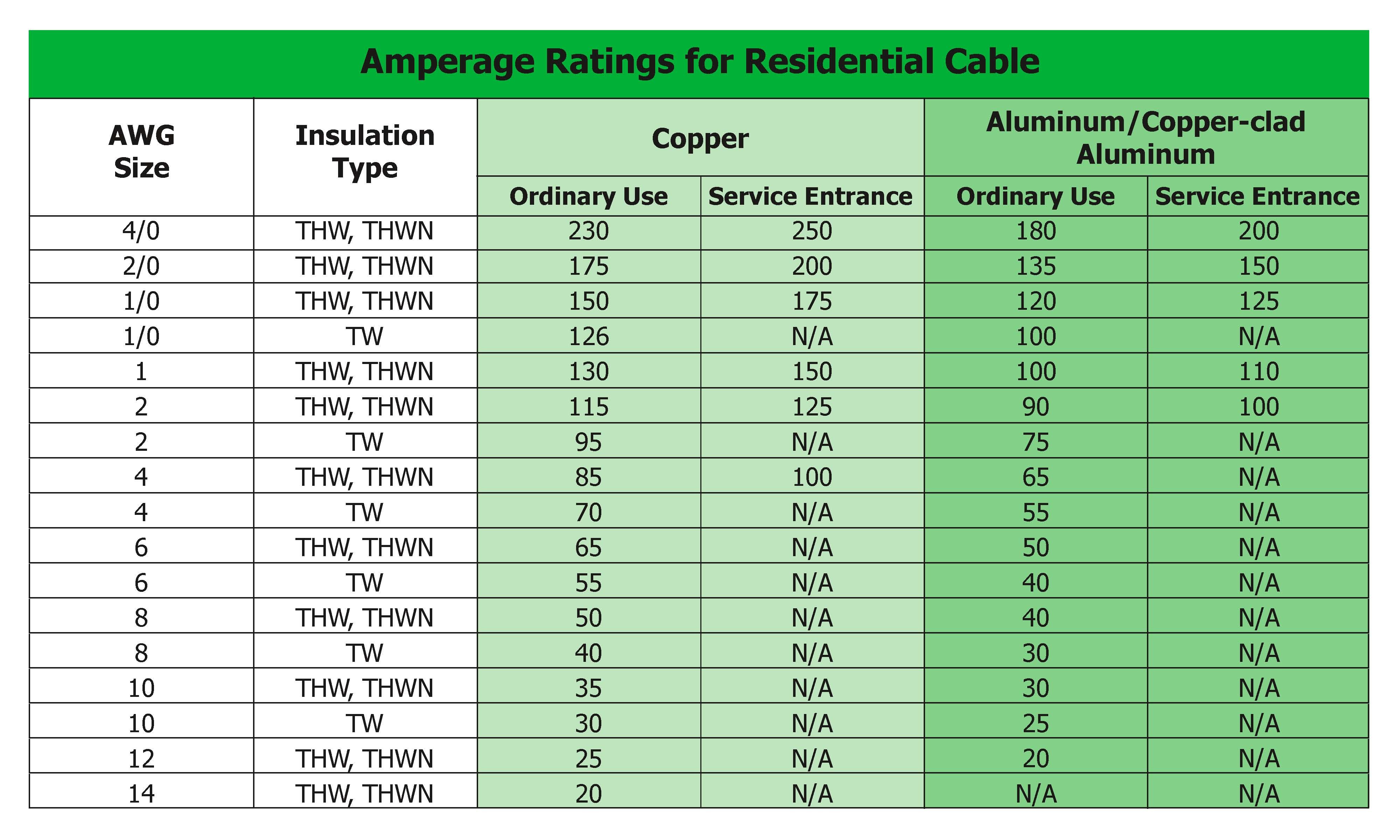
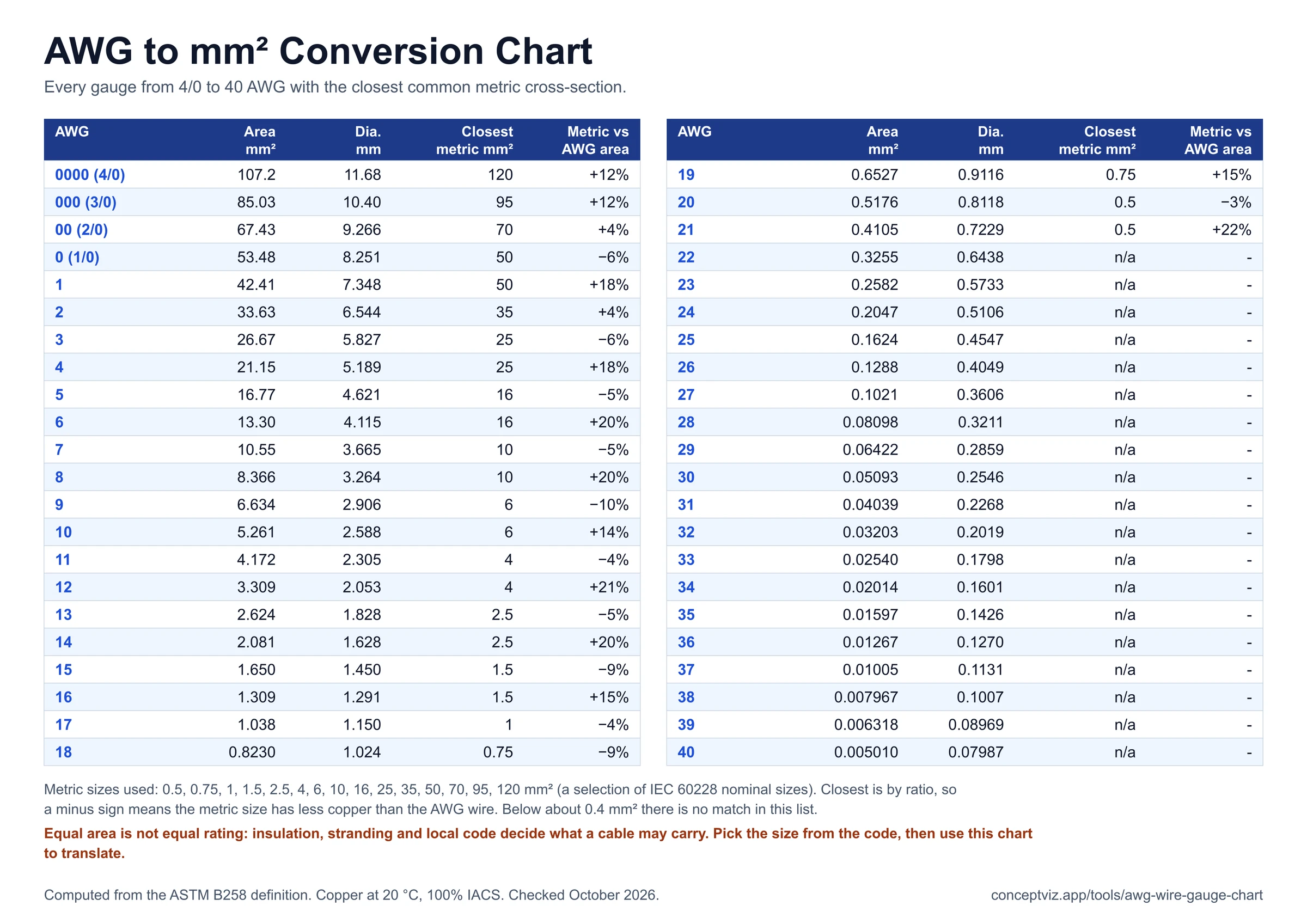
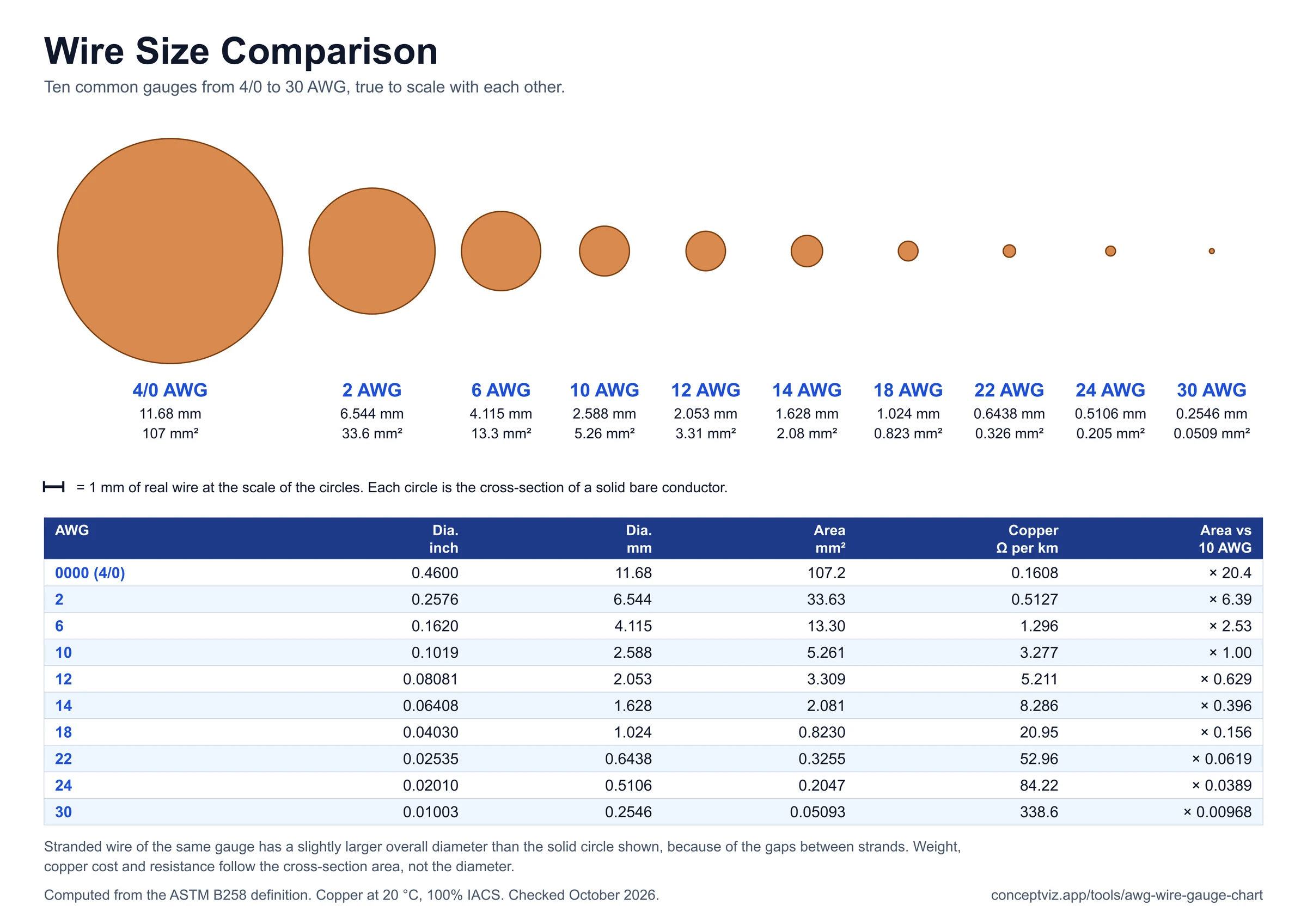
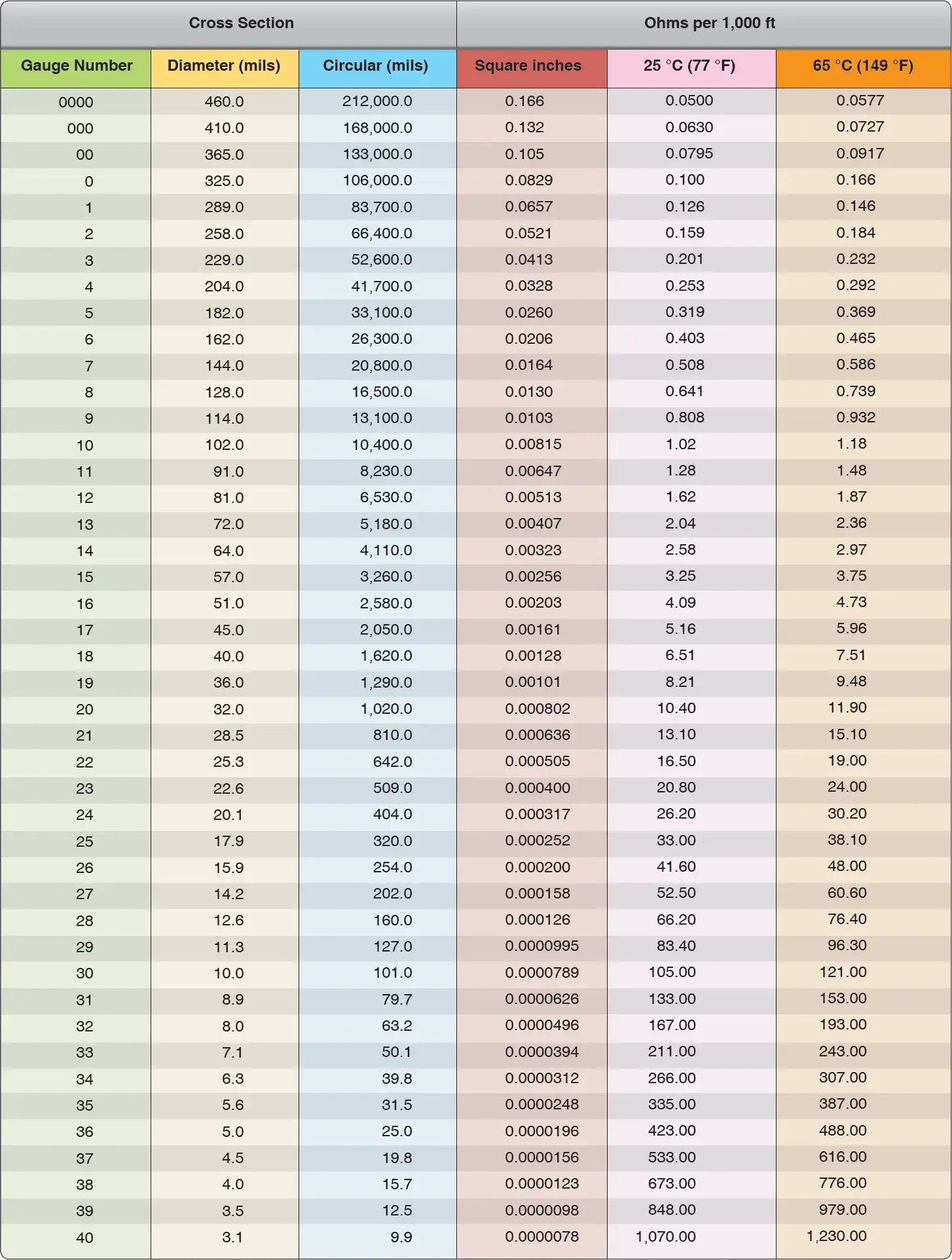
A common misconception about the AWG size chart is that it's a complex, mysterious tool, but it's actually a simple and practical reference guide. This chart, often referred to as the American Wire Gauge or wire size chart, is your go-to for quickly finding wire dimensions and properties. It's not as daunting as it may seem; the AWG size chart is a straightforward visual aid, ensuring you select the right wire size for your electrical projects.
Understanding the AWG Size Chart
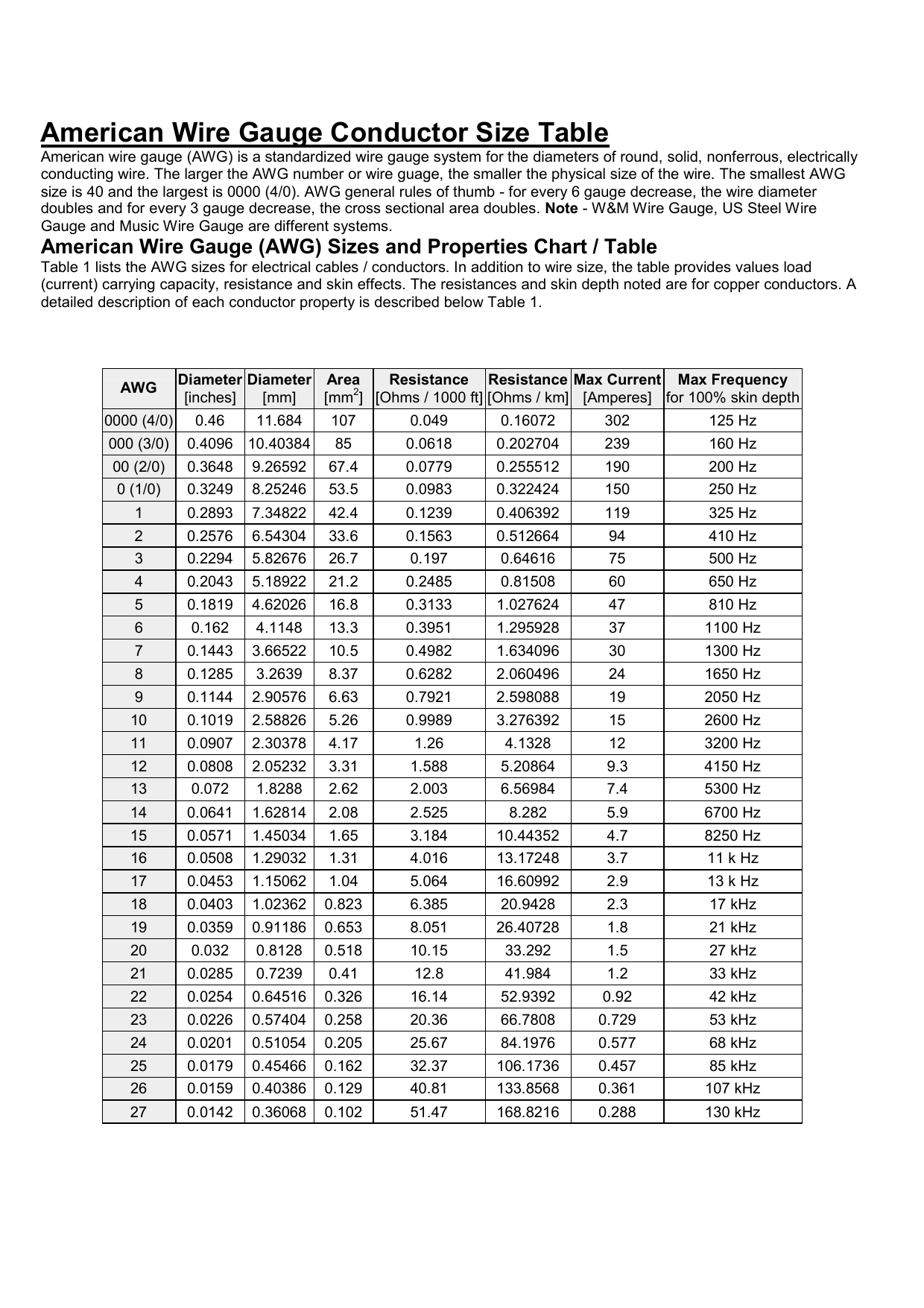
The AWG (American Wire Gauge) size chart is a handy reference tool for anyone working with electrical wiring. It provides a standardized way to determine the size and characteristics of different wires, making it an essential guide for electrical installations and projects. This chart offers a quick and reliable method to identify wire sizes, ensuring accurate selections for various applications.
Comparing AWG Standards and Formats
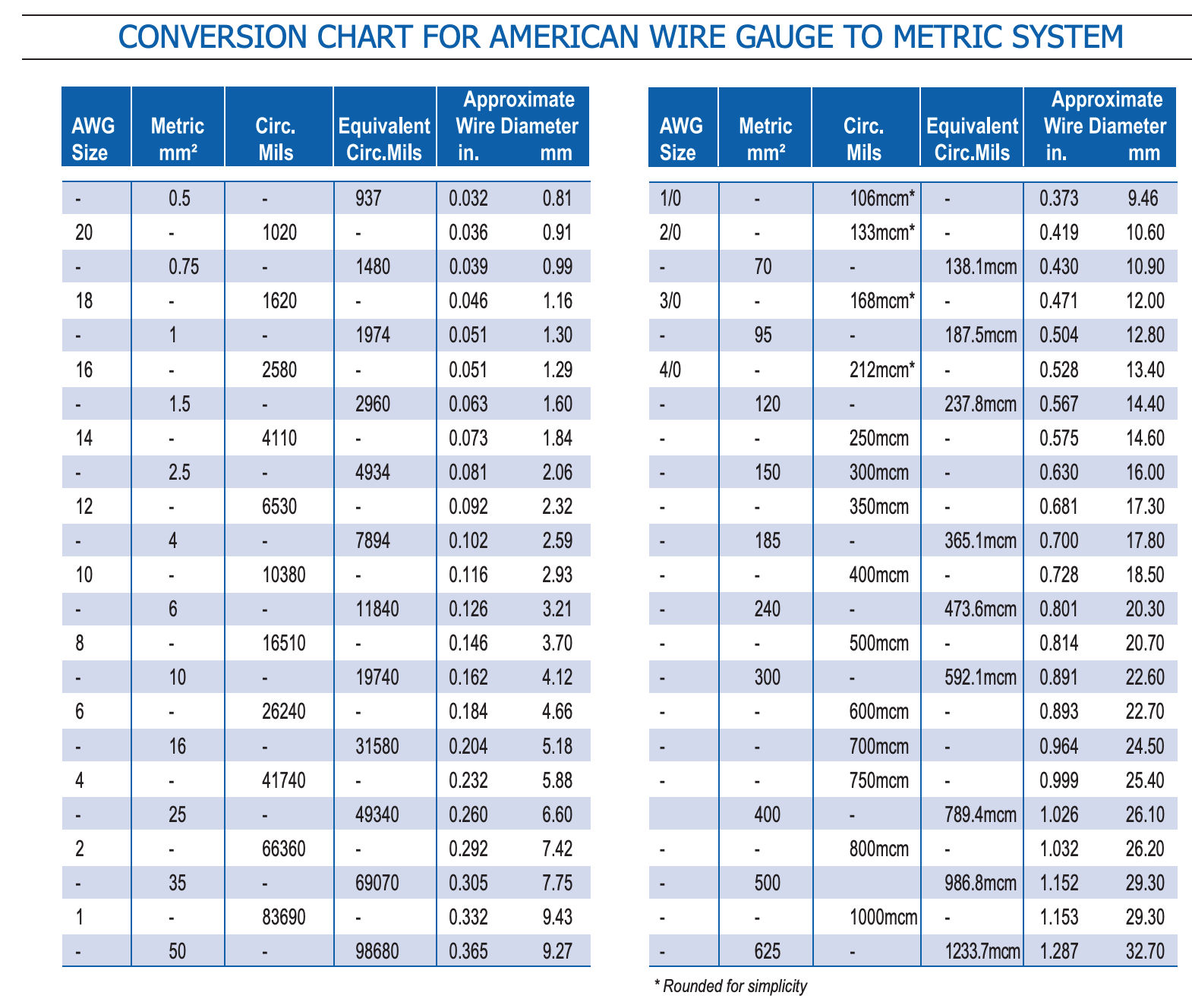
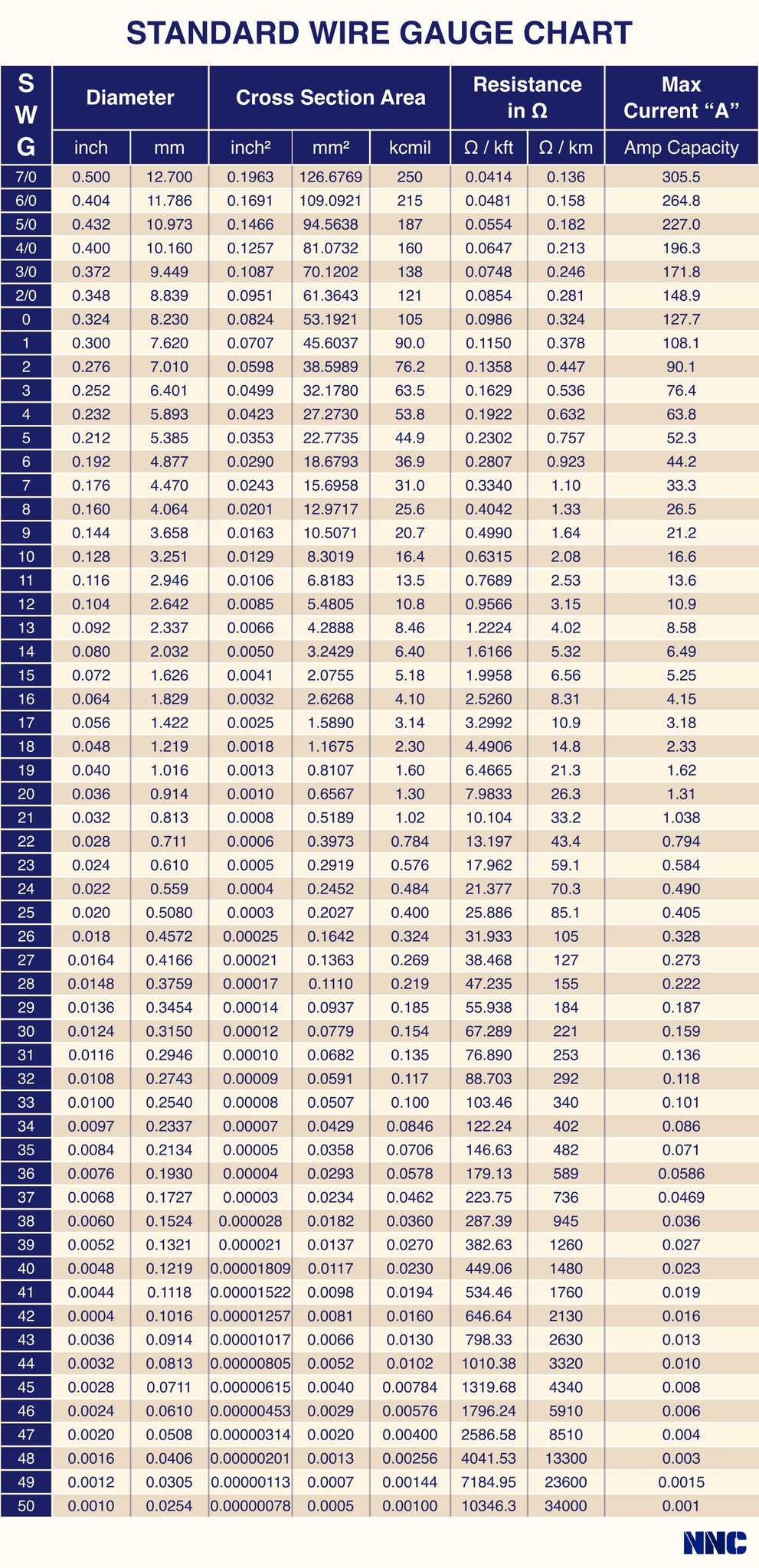
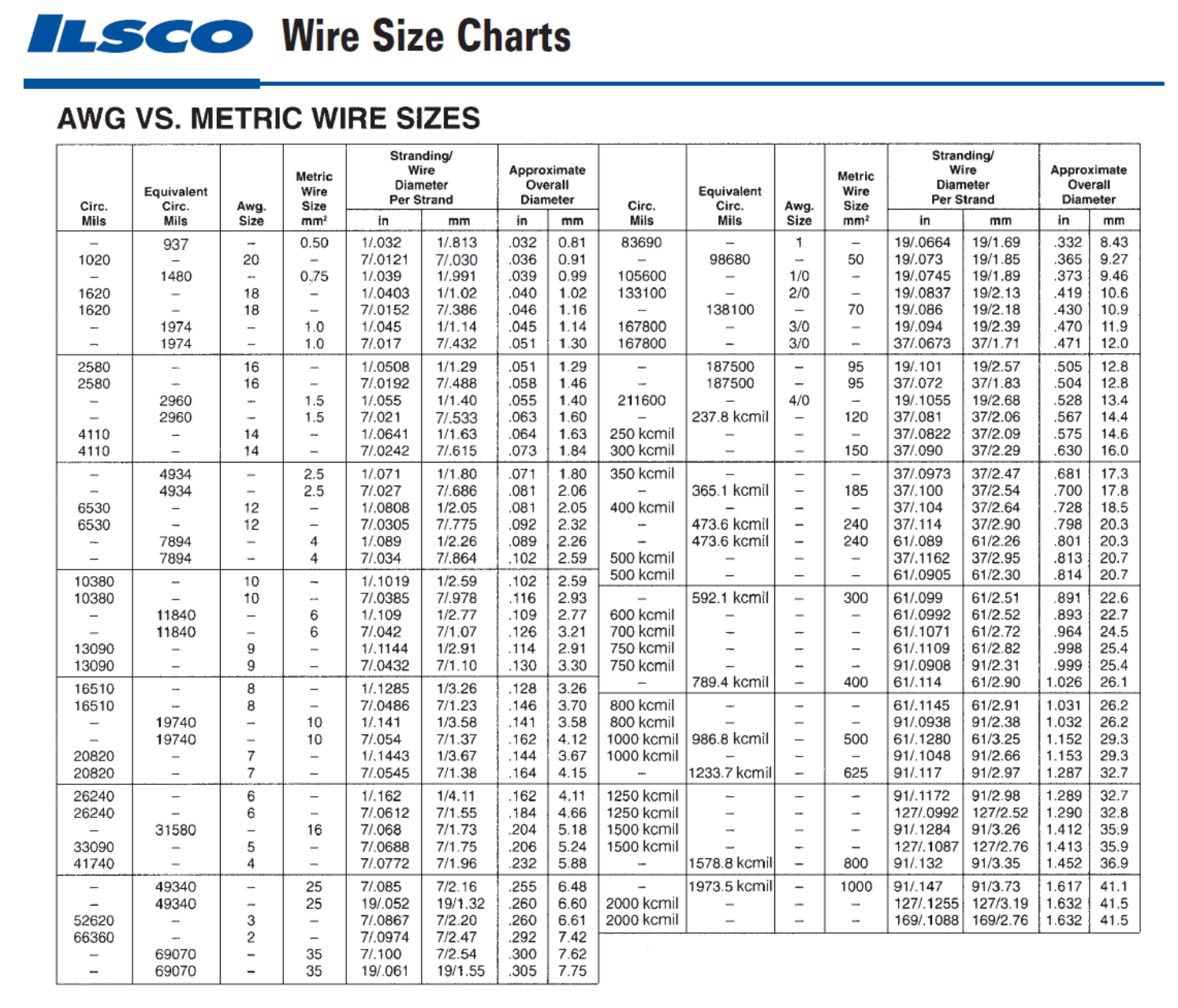
AWG charts can vary depending on the standard being followed. While the American AWG system is widely used, there are also international or metric wire gauge systems. These different standards may have slight variations in measurements and categories, so it's crucial to use the right chart for your specific region or project requirements.
Step-by-Step Guide to Reading Wire Sizes
When using an AWG size chart, follow these simple steps:
Identify the wire gauge you need for your project. This is usually specified by the electrical equipment or component you're working with.
Locate the gauge on the chart. AWG charts typically list wire gauges in ascending or descending order, making it easy to find the right one.
Read the corresponding wire diameter and other relevant data, such as cross-sectional area and current-carrying capacity. These values are essential for ensuring the wire can handle the electrical load and fit the intended application.
Compare the wire's characteristics with your project's requirements. Make sure the wire's diameter and other specifications meet the necessary standards and safety guidelines.
Common Misreadings and How to Avoid Them
One common mistake when using an AWG size chart is assuming that wire gauge and diameter are the same. While the gauge number is a convenient way to identify wire size, it doesn't directly correspond to the physical diameter. Always refer to the chart to get the accurate diameter measurement.
Another pitfall is using an outdated or incorrect chart. Ensure you have the most recent version of the AWG chart, as standards and specifications can change over time.
Factors Affecting Accuracy and Real-World Use
The accuracy of an AWG size chart depends on several factors. Firstly, the chart's reliability is based on the precision of the measurements and the adherence to the chosen standard. Secondly, real-world applications may have specific requirements or tolerances that need to be considered. For instance, high-current applications might require thicker wires than what is typically recommended by the chart. Always refer to the exact specifications for your project to ensure safety and performance.
Choosing the Right AWG Format for Your Needs
Different projects and applications may require variations of the AWG size chart. For instance, some charts provide more detailed information on wire resistance or temperature ratings, which can be crucial for specialized projects. Other charts might focus on common wire applications, offering simplified data for everyday use. Choose the format that best suits your specific needs and project requirements.
Keeping Your Reference Reliable for Future Use
To ensure your AWG size chart remains a reliable reference, consider the following:
Regularly update your chart to the latest version, especially if you work on various projects with different standards.
Store your chart in a safe and easily accessible place, ensuring it's always available when needed.
If you frequently work with wires and cables, consider investing in a durable, laminated chart that can withstand regular use.
For digital versions, keep the file backed up and easily retrievable, ensuring you always have access to the latest data.
Hey there! I hope this AWG size chart guide has been helpful and given you a solid understanding of the topic. Remember, while the basics remain the same, the exact details can vary slightly, so it's always good to double-check the specific standards or sources you're working with.
If you're keen to explore more practical guides and resources, feel free to browse around the site. We've got a range of topics covered, so you might just find something else that piques your interest and makes your life a little easier. Happy learning, and see you around!