




Oni Mask Transparent Gif Overview
A common misconception about the usmc ribbon chart is that it's solely for military personnel, but this reference tool is incredibly valuable for a wider audience. While it's true that the chart is an essential part of a Marine's uniform and awards system, it also serves as a clear and concise guide for anyone interested in understanding military awards and their significance.
The usmc ribbon chart provides a visual representation of various awards and their respective placements, offering a quick reference for accurate ribbon display. Whether you're a military enthusiast, a historian, or simply curious about the military's recognition system, this chart is an accessible way to learn and appreciate the importance of these awards.
Understanding Ribbon Order and Placement
The USMC ribbon chart is a visual reference guide that helps organize and display the various awards and decorations earned by members of the United States Marine Corps. It provides a clear and standardized way to arrange and present these ribbons, ensuring consistency and an accurate representation of an individual's achievements.
Comparing Ribbon Formats and Standards
The chart typically follows a specific order, with ribbons arranged in rows, often from left to right, and with each row representing a different category or type of award. The ribbons are usually displayed in their full-size format, with each ribbon's unique design and colors representing its specific award.
Step-by-Step Guide to Using the Ribbon Chart
- Start by identifying the different categories of awards. These may include campaign or expeditionary medals, personal decorations, unit awards, and service medals, among others. Each category will have its own unique set of ribbons.
- Within each category, ribbons are typically arranged in order of precedence, with the most senior or prestigious award at the top. This order is important to maintain when displaying ribbons, as it reflects the significance of each award.
- Pay attention to the specific placement and spacing of ribbons. Some ribbons may have unique shapes or designs that require specific positioning to ensure they are displayed correctly and visibly.
- When displaying multiple rows of ribbons, ensure that each row is aligned and evenly spaced. This creates a visually appealing and organized display, making it easier to identify and appreciate each ribbon.
Common Misreadings and How to Avoid Them
One common mistake is misinterpreting the order of precedence. It's important to refer to the official guidelines or regulations when unsure about the correct order, as this can vary depending on the specific award or the individual's service history.
Another pitfall is assuming that all ribbon charts are universal. While the USMC ribbon chart provides a standard guide, there may be variations or exceptions, especially when dealing with international awards or specialized units. Always double-check the specific requirements and guidelines for each award to ensure accurate placement and display.
Remember, the USMC ribbon chart is a valuable tool for organizing and showcasing achievements, but it requires attention to detail and an understanding of the unique characteristics of each ribbon and award.
Remember, while this chart is an excellent tool, it's always wise to cross-reference and ensure you have the most up-to-date information for your specific needs. Double-checking with official sources can save you from any potential pitfalls.
Consider bookmarking this page for future reference; it's a handy resource to have at your fingertips when you need a quick reminder or a more detailed look at the ribbon chart and its applications.
Related: What's the Auburn Depth Chart Telling You?
An auburn depth chart is a handy tool for any sports fan or follower, offering a clear snapshot of a team's lineup and player positions. This guide will walk you through the ins and outs of reading and understanding these charts, ensuring you can quickly reference and interpret them like a pro.
Whether you're a seasoned fan or new to the game, these charts provide an essential overview of the Auburn Tigers' depth and starting lineup. You'll find player positions, roster changes, and a clear visual representation of the team's structure, which can vary slightly depending on the sport and league.
Understanding the Depth Chart: An Overview
The Auburn Depth Chart is a valuable tool for any fan or follower of the Auburn Tigers football team. It's like a roadmap that shows you the team's structure and strategy. This chart provides an insight into the players' positions, their roles, and the depth of talent within the squad.
Comparing Key Positions and Formations
When you look at the Auburn Depth Chart, you'll notice it's organized by player positions. These positions are further divided into categories, such as offense, defense, and special teams. Each position has a designated starter and a list of backups, which is crucial for understanding the team's flexibility and depth. For example, the quarterback position might have a starter and three backups, each with their own unique skills and abilities.
Reading the Lineup: A Step-by-Step Guide
Here's a simple guide to help you read and understand the Auburn Depth Chart:
- Start by identifying the position you want to focus on. Let's say you're interested in the wide receiver position.
- Look for the wide receiver section on the chart. You'll see the starters listed first, usually with their names and jersey numbers.
- Below the starters, you'll find the backups. These players are often listed in order of their experience or skill level.
- Pay attention to any notes or comments next to the players' names. These might indicate injuries, special skills, or other relevant information.
- Repeat this process for other positions you're interested in.
Common Misreadings and How to Avoid Them
One common mistake is assuming that the depth chart is a rigid, unchanging document. In reality, it's a dynamic tool that reflects the team's current situation. Players can move up or down the chart based on their performance, injuries, or strategic decisions. So, always check the chart's date to ensure you're working with the most recent information.
Another potential pitfall is misinterpreting the order of backups. While backups are often listed in a specific order, this doesn't always mean they'll enter the game in that exact sequence. Coaches may make substitutions based on the game's flow, opponent, or specific plays.
Factors Affecting Accuracy and Real-World Use
The accuracy of the Auburn Depth Chart can be influenced by various factors. Injuries are a significant consideration, as they can suddenly change the team's lineup. Player performance and development can also impact the chart, with impressive newcomers or improved veterans moving up the ranks.
Additionally, the chart may vary based on the game plan and opponent. Coaches might adjust the depth chart to counter specific strategies or exploit weaknesses in the opposing team. So, while the chart provides a great overview, it's always wise to stay updated with the latest news and analysis to fully understand the team's tactics.
Choosing the Right Format for Your Needs
The Auburn Depth Chart can be presented in various formats, each with its own advantages. The most common format is a simple table, which provides a clear and concise overview. However, some charts might use a more visual approach, with diagrams or graphics to represent the team's formation and player positions.
If you're a visual learner, a diagram might be more helpful. It can provide a clearer picture of how the team sets up on the field and how players interact. On the other hand, a table might be more practical for quickly referencing specific player information, such as jersey numbers or statistics.
Remember, the key is to choose a format that suits your learning style and helps you understand the team's strategy and depth.
Well, there you have it! We've covered a lot of ground and hopefully, you now feel equipped to tackle the auburn depth chart with confidence. Remember, these charts are versatile tools, so always check your specific needs and context before diving in.
Consider bookmarking this page for future reference; it might just save you some time and effort the next time you need a quick reminder or a handy guide. Happy charting!
Related: Work From Home Construction Jobs Essential Guide
I've got a friend who's been talking about work from home construction jobs a lot lately. It's an interesting concept, and I was curious to learn more, so I did some digging. Here's what I found.
What's the Deal with Work from Home Construction Jobs?
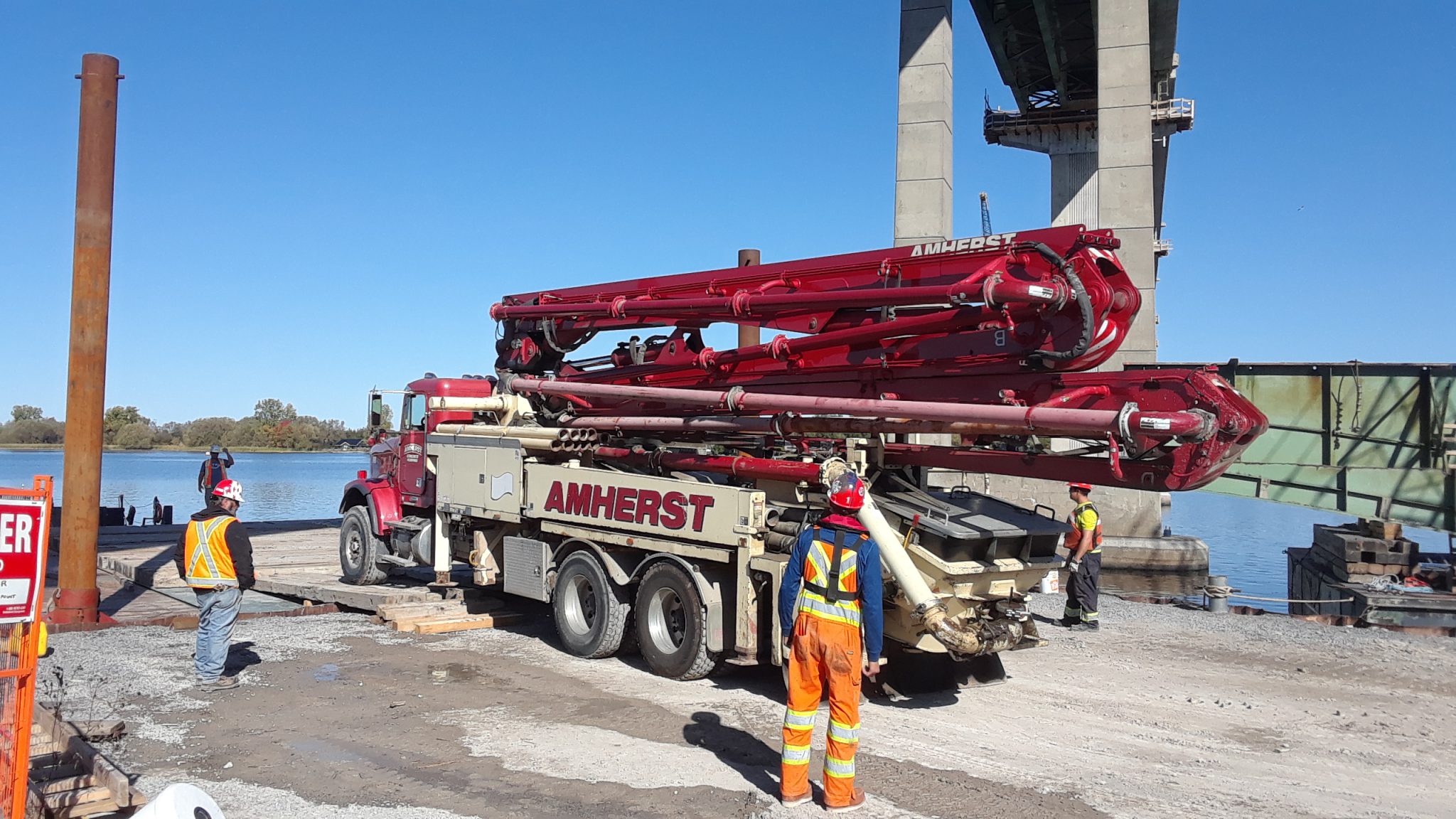
Work from home construction jobs might sound like an oxymoron, but it's a real thing! These jobs are all about managing construction projects remotely, which is a pretty cool way to stay involved in the industry without being on-site all the time. It's perfect for folks who want a more flexible work arrangement or who are based in a different location from the actual construction site.
So, how does it work? Well, these jobs often involve coordinating with teams, managing budgets, and ensuring projects stay on track. You might be working with architects, engineers, and other professionals to bring a building or renovation project to life. It's a great option for experienced construction managers or those with a background in project management.
Hiring and Pricing: What to Know
When it comes to hiring a contractor or company for your construction project, there are a few key things to consider. First, check their qualifications and experience. Make sure they have the right licenses and insurance, and ask for references from past clients. It's also a good idea to get multiple quotes to compare pricing. Remember, the cheapest option might not always be the best, so consider the value and quality of the work, too.
Pricing for construction projects can vary widely. It depends on factors like the size and complexity of the job, the materials used, and the local labor costs. You might also need to factor in permits and other regulatory costs. Getting detailed quotes from contractors will help you understand the breakdown of costs and make an informed decision.
Naming Your Construction Business
If you're thinking of starting your own work from home construction jobs business, choosing the right name is important. A good name should be memorable, unique, and reflect your brand. It might include a play on words or a reference to your specialty. Here are a few ideas to get you started:
- Remote Build Co.
- Virtual Construction Crew
- HomeBase Builders
- Off-Site Solutions
- Construct-a-Vision
Remember to check the availability of your chosen name and secure the domain and local registration before you get too attached!
Jobs and Opportunities
There are various roles within the work from home construction jobs field. You might find opportunities as a project manager, estimator, or even a remote construction administrator. These jobs are often advertised on general job boards, but it's also worth checking industry-specific platforms and networking within the construction community.
Salaries can vary depending on your role, experience, and the size of the company you work for. It's a competitive industry, so highlighting your skills and experience is key to negotiating a good salary.
Industry Tools and Resources
The construction industry has some great resources to help with work from home construction jobs. Tools like RSMeans provide cost databases and escalation data, which are essential for accurate estimating and budgeting. These tools are used by professionals to ensure projects stay on track financially.
There are also plenty of online communities and forums where you can connect with other professionals in the industry. These platforms are great for staying updated on industry trends and best practices, and they can be a valuable source of support and advice.
Large vs. Small Companies
When it comes to work from home construction jobs, you'll find opportunities in both large and small companies. Larger firms often have more complex projects and a wider range of services, which can offer more variety in your work. They might also have more established remote work policies and infrastructure.
Smaller companies, on the other hand, can provide a more personal and flexible work environment. You might have more direct involvement in projects and the opportunity to wear multiple hats. It really depends on your preferences and what you're looking for in a work arrangement.
So, there you have it! Work from home construction jobs are a real and viable option for those in the construction industry. It offers flexibility and the chance to manage projects remotely. If you're considering this path, do your research, connect with professionals, and don't be afraid to reach out and ask questions.