






Outlook Out Of Office Reply Overview
The Minwax stain chart is a handy tool for anyone working with wood stains, offering a visual guide to explore and choose the perfect shade. This guide will help you navigate the chart effectively, ensuring you find the right stain for your project.
It provides a simple way to visualize and compare Minwax wood stain colors, making it easier to select and match the desired tone. While the chart's format may vary slightly, the basic concept remains the same, offering a reliable reference for wood enthusiasts and professionals alike.
Understanding Wood Stains: The Minwax Stain Chart
The Minwax stain chart is a handy tool for anyone looking to stain wood and achieve the perfect color. It's a reference guide that displays a range of wood stain colors, helping you visualize and choose the right shade for your project. This chart is a valuable resource, especially for those new to wood staining, as it provides a visual representation of the final result.
Key Details and Categories
The Minwax stain chart typically features a grid-like layout, with each square representing a specific stain color. The colors are organized in a systematic way, often progressing from light to dark shades. Along the sides of the chart, you'll find labels indicating the wood species and the stain color name or code. This chart is designed to be user-friendly, making it easy to navigate and compare different stain options.
How to Read and Apply the Minwax Stain Chart
Reading the Minwax stain chart is straightforward. First, identify the wood species you're working with; this is usually listed on the left side of the chart. Then, scan across to find the desired stain color. The stain colors are often arranged in rows, with each row representing a different wood species. Once you've found your preferred color, note the corresponding stain code, which you can use to purchase the correct stain. It's as simple as that!
Variations and Differences
While the Minwax stain chart provides a great starting point, it's important to note that wood staining can be influenced by various factors. The final color may vary slightly due to differences in wood grain, the wood's natural color, and even the lighting conditions during application. Additionally, the stain's intensity can be affected by the number of coats applied and the wood's porosity. These factors contribute to the unique character of each stained wood piece.
Common Mistakes and How to Avoid Them
One common mistake is assuming that the stain color on the chart will match your wood exactly. Remember, the chart is a guide, and the actual result may differ slightly. To avoid disappointment, it's a good practice to test the stain on a small, inconspicuous area of your wood before committing to the entire project. This way, you can assess the color and make any necessary adjustments.
Practical Tips for Accurate Results
To ensure accurate results, consider the following tips:
- Always follow the manufacturer's instructions for stain application.
- Ensure your wood is clean, dry, and free of any finish or residue.
- Apply the stain evenly, using a brush or cloth, and wipe away any excess.
- Allow sufficient drying time between coats, as recommended by the stain manufacturer.
- Consider using a wood conditioner or primer, especially for porous woods, to achieve a more consistent color.
Double-Checking and Handling Exceptions
While the Minwax stain chart covers a wide range of stain colors, it's always a good idea to double-check the exact specifications for your chosen stain. Some stains may have specific instructions or recommendations for certain wood types or projects. Additionally, if you're working with a unique or exotic wood species, you might need to seek additional guidance or samples to ensure the best color match.
So, there you have it! A handy guide to the Minwax stain chart, a simple yet effective tool for your wood staining adventures. Remember, while this chart is a great starting point, it's always wise to consider your specific project and its unique needs.
Don't forget to check out our other guides and resources for more practical tips and tricks. We've got you covered with all the info you need to tackle your next DIY project with confidence. Happy staining!
Related: What's the AC Pressure Chart All About?
Many folks new to AC pressure charts might assume they're complex and confusing, but they're actually a simple and handy tool. It's a common misconception that these charts are hard to interpret, when in fact, they provide a clear snapshot of your AC system's health.
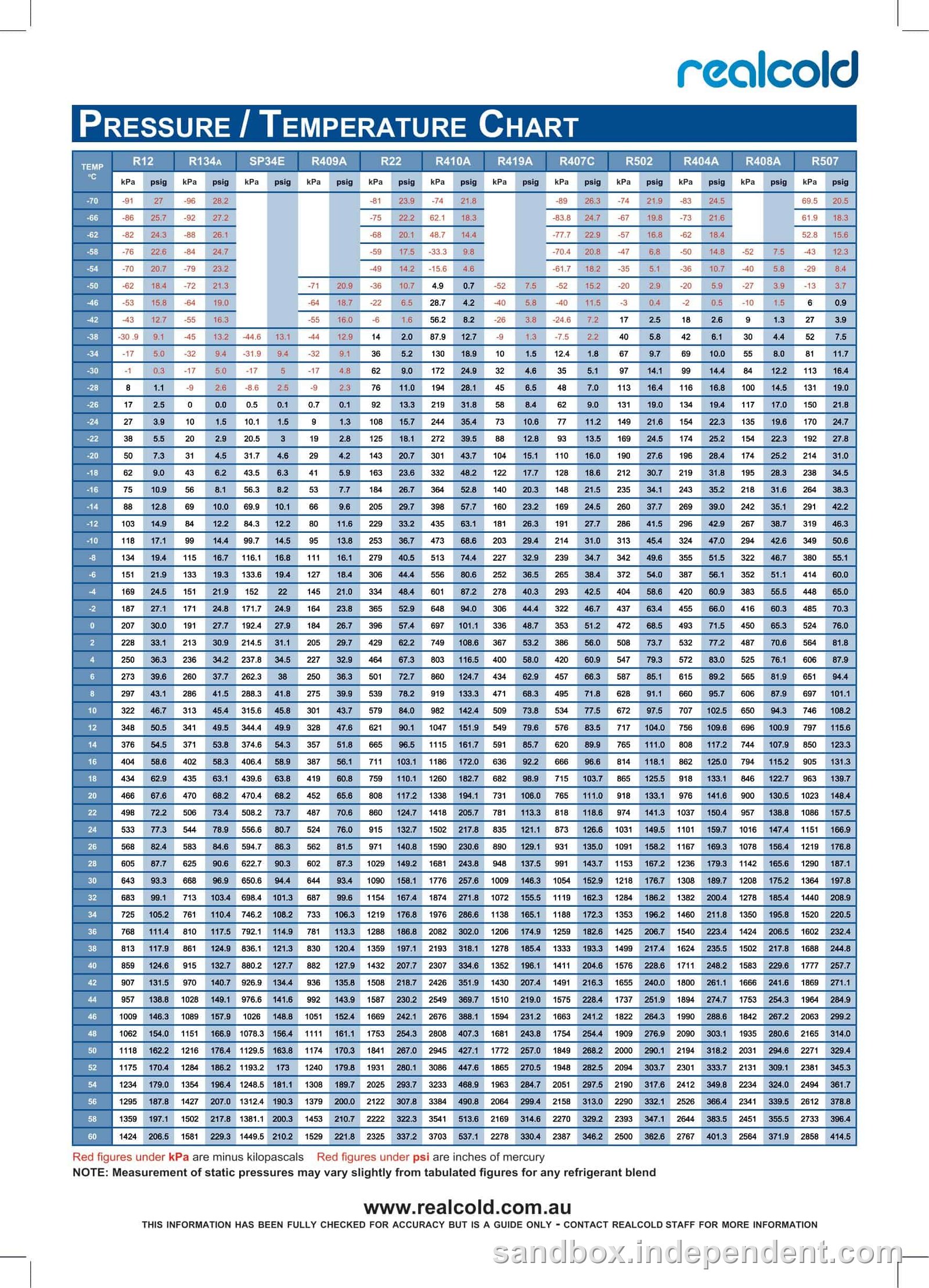
The AC pressure chart is a visual guide, often in table format, that displays pressure readings and their corresponding temperatures. These charts can vary slightly, but they offer a quick way to identify any issues and ensure your AC is running smoothly.
Understanding AC Pressure Charts
An AC pressure chart is a handy tool for anyone working with air conditioning systems. It's a visual representation of the relationship between pressure and temperature, helping you understand the state of your AC system and make informed decisions. These charts are like a map, guiding you through the complex world of AC diagnostics and maintenance.
Key Details and Units
Before diving into the chart, let's cover some basics. The AC pressure chart typically displays pressure readings in two units: psi (pounds per square inch) and kPa (kilopascals). These units measure the force exerted by the refrigerant gas inside your AC system. The chart also shows temperature, often in degrees Fahrenheit or Celsius, which is crucial for understanding the refrigerant's state.
Reading and Applying the Chart: A Step-by-Step Guide
Start by identifying the type of refrigerant used in your AC system. Common refrigerants like R134a or R410A have specific pressure-temperature relationships, so knowing this is essential.
Find the corresponding AC pressure chart for your refrigerant. These charts are readily available online or in AC maintenance manuals.
Locate the pressure reading on the chart. Pressure is usually displayed on the y-axis, with higher values indicating greater pressure.
Next, identify the temperature reading. Temperature is typically on the x-axis, with higher temperatures to the right.
Now, simply trace a line from your pressure reading to the temperature reading. The point where these lines intersect gives you the refrigerant's state.
Interpret the chart reading. If the point falls within the normal operating range, your AC system is likely functioning correctly. However, if it's outside this range, it could indicate an issue.
Variations Across Standards and Contexts
It's important to note that AC pressure charts can vary depending on the standard being used. Different regions and manufacturers may have slight variations in pressure and temperature ranges. Always refer to the specific chart for your AC system to ensure accuracy. Additionally, environmental factors like altitude can affect pressure readings, so be mindful of these variables when interpreting the chart.
Common Mistakes and How to Avoid Them
One common mistake is using the wrong AC pressure chart for your refrigerant type. Always double-check the refrigerant and ensure you have the correct chart. Another pitfall is misinterpreting the chart readings. Remember, the chart provides a snapshot of the refrigerant's state, but it doesn't account for other factors like airflow or system efficiency. Always consider the bigger picture when troubleshooting.
Practical Tips for Accurate Results
When using an AC pressure chart, ensure your AC system is running under normal conditions. This means the system should be operating at full capacity with a steady airflow. Avoid taking readings during start-up or shutdown, as these transient states can provide misleading results. Additionally, ensure your pressure gauge is calibrated and accurate. Even a small error in pressure reading can lead to incorrect interpretations.
Double-Checking and Handling Edge Cases
While AC pressure charts are valuable, they are not foolproof. Always cross-reference your chart readings with other diagnostic tools and your AC system's performance. If you suspect an issue, consider using a pressure-temperature chart or consulting an AC professional. Remember, these charts provide a general guide, but real-world conditions can vary. Always err on the side of caution and seek expert advice when needed.
Remember, while this guide provides a solid foundation, it's always a good idea to check your specific needs and requirements. Exact values can vary, so double-check the standards and sources relevant to your project.
Take a moment to explore our other resources; we've got plenty of practical guides to keep you informed and inspired. Happy reading, and stay tuned for more!
Related: Construction Outlook Essential Guide
I've just been thinking about all the construction going on around me lately, and it got me curious about construction outlook. You know, all those new builds and renovations, it's like a whole new world springing up. So, I decided to dig a bit deeper and see what's up with the construction game these days.
Understanding Construction Outlook
Construction outlook is basically a big-picture view of the construction industry. It's about understanding the trends, the costs, and the opportunities in the world of building and renovating. For anyone planning a project, whether it's a new home, an addition, or a renovation, having a handle on the construction outlook is super important. It can help you make informed decisions and avoid any nasty surprises.
So, what does it entail? Well, it's about keeping an eye on things like material costs, labor rates, and the general demand for construction services. These factors can vary wildly depending on your location and the specific project you have in mind. For example, in a place like San Francisco, you might expect higher costs due to the high demand for construction and the limited space, whereas a city like Helena might have a different set of challenges and opportunities.
Hiring and Costs
When it comes to hiring contractors or companies, the construction outlook can give you a good idea of what to expect. It's all about comparing quotes and understanding what you're paying for. You want to check out the scope of the work, the materials being used, and the timeline. A good quote will cover all these bases and more. It's also worth remembering that the cheapest quote might not always be the best. Sometimes, you get what you pay for, and construction is no exception.
Company Names and the Industry
For those in the industry, or thinking of starting a construction business, choosing a name is a big deal. It needs to be memorable, reflect your services, and be unique. Some construction companies go for a more traditional, descriptive name, like 'Atlanta Building Solutions', while others opt for something more creative, like 'Build-It-Right'. Either way, it's important to check the name's availability and register it locally and online to avoid any legal headaches down the line.
Jobs and Opportunities
The construction industry offers a whole range of jobs, from general contractors to estimators and project managers. These roles can vary in terms of salary and responsibilities, but they all play a crucial part in bringing projects to life. If you're looking for construction jobs, you'll probably find opportunities listed on job boards and company websites. It's a good idea to check out the larger construction firms, as they often have more diverse roles to offer.
Tools and Resources
There are also some great tools and resources out there to help with construction outlook. For example, RSMeans is a popular cost database that provides estimates for a range of construction projects. It's a handy resource for anyone wanting to get a handle on costs and stay informed about industry trends. There are also plenty of other cost indexes and databases out there, each with their own strengths and weaknesses.
The Big Picture
When it comes to the bigger construction companies, they often have the resources to take on larger, more complex projects. These firms might have a wider reach and the ability to offer a broader range of services. However, smaller companies can often provide a more personalized service and might be a better fit for certain projects. It all depends on your specific needs and the nature of your project.
So, there you have it. A little insight into construction outlook and what it means for those in the industry and those planning projects. It's a fascinating world, and one that's constantly evolving.
I hope this has given you some food for thought and a better understanding of the construction game. It's always good to be informed!