





Party Planner Template Excel Overview
A common misconception about the horse colors chart is that it's solely for identifying a horse's color; however, it serves a more nuanced purpose. This chart is an essential tool, offering a comprehensive guide to understanding and categorizing equine coat colors and patterns. It provides a structured way to navigate the diverse world of horse colors, ensuring accuracy and consistency.
Horse Colors Chart: A Guide to Equine Coat Colors
The horse colors chart is a valuable tool for anyone interested in understanding and identifying the diverse range of coat colors found in horses. This reference guide provides a comprehensive overview of the various colors and patterns, helping you accurately describe and categorize equine coats.
Key Color Categories and Terminology
The chart organizes horse coat colors into several main categories, each with its own unique characteristics. These categories include:
- Base Colors: The foundation colors, such as bay, black, and chestnut, form the basis of many other variations.
- Dilute Colors: When a dilution gene is present, it modifies the base color, resulting in shades like palomino, buckskin, and cremello.
- Patterned Coats: These include distinctive patterns like pinto, which features large patches of white, and appaloosa, known for its unique spotted patterns.
- Markings and White Patterns: Separate from coat colors, these include facial markings like stars and blazes, as well as white leg markings.
Practical Color Identification: Step-by-Step
To use the horse colors chart effectively:
- Start by identifying the base color. Is it bay, black, or chestnut? This forms the foundation.
- Look for any dilution effects. Does the horse's coat appear lighter than the base color? This could indicate the presence of a dilution gene.
- Note any distinctive patterns. Are there large white patches, indicating a pinto, or unique spots, suggesting an appaloosa?
- Observe and record any facial or leg markings. These add further detail to your color description.
- Combine these observations to determine the horse's overall coat color and pattern.
Variations and Differences Across Standards
It's important to note that horse colors chart standards may vary slightly between different regions and organizations. While the basic categories remain consistent, specific definitions and terminology can differ. For example, some charts may include more detailed subcategories for certain colors or patterns. Always refer to the specific standard or association for precise definitions.
Common Mistakes and How to Avoid Them
- Misinterpreting Dilution: Mistaking a dilute color for a base color is common. Always look for signs of dilution, such as lighter eyes or a lighter mane and tail.
- Confusing Patterns: Pinto and appaloosa patterns can be similar at first glance. Take time to observe the size, shape, and distribution of white or spotted areas.
- Neglecting Markings: Facial and leg markings are unique identifiers. Don't overlook these when describing a horse's color.
- Relying on One Reference: While the horse colors chart is a great tool, it's beneficial to cross-reference with other resources or experts to ensure accuracy.
Tips for Accurate Color Description
- Lighting and Time of Day: Observe the horse's coat in various lighting conditions and times of day. Some colors may appear different under different lighting.
- Distance and Angle: View the horse from different angles and distances to get a comprehensive understanding of its coat.
- Compare and Contrast: Use reference images or consult with experienced horse owners or breeders to compare and confirm your observations.
- Document and Record: Keep a record of the horse's color and markings, especially if you're working with multiple horses. This helps with accurate identification and description.
By following these steps and tips, you can accurately utilize the horse colors chart and enhance your understanding of equine coat colors.
Remember, while this chart serves as a fantastic reference, it's always wise to cross-reference with other resources or experts in your field to ensure you're up-to-date with the latest standards and practices.
Take a moment to review the specific requirements of your project or context. Every situation is unique, and while this guide provides a solid foundation, it's important to tailor your approach accordingly. Consider bookmarking this page for future reference; it might just save you some time and effort down the line!
Related: How to Read a Wrench Size Chart?
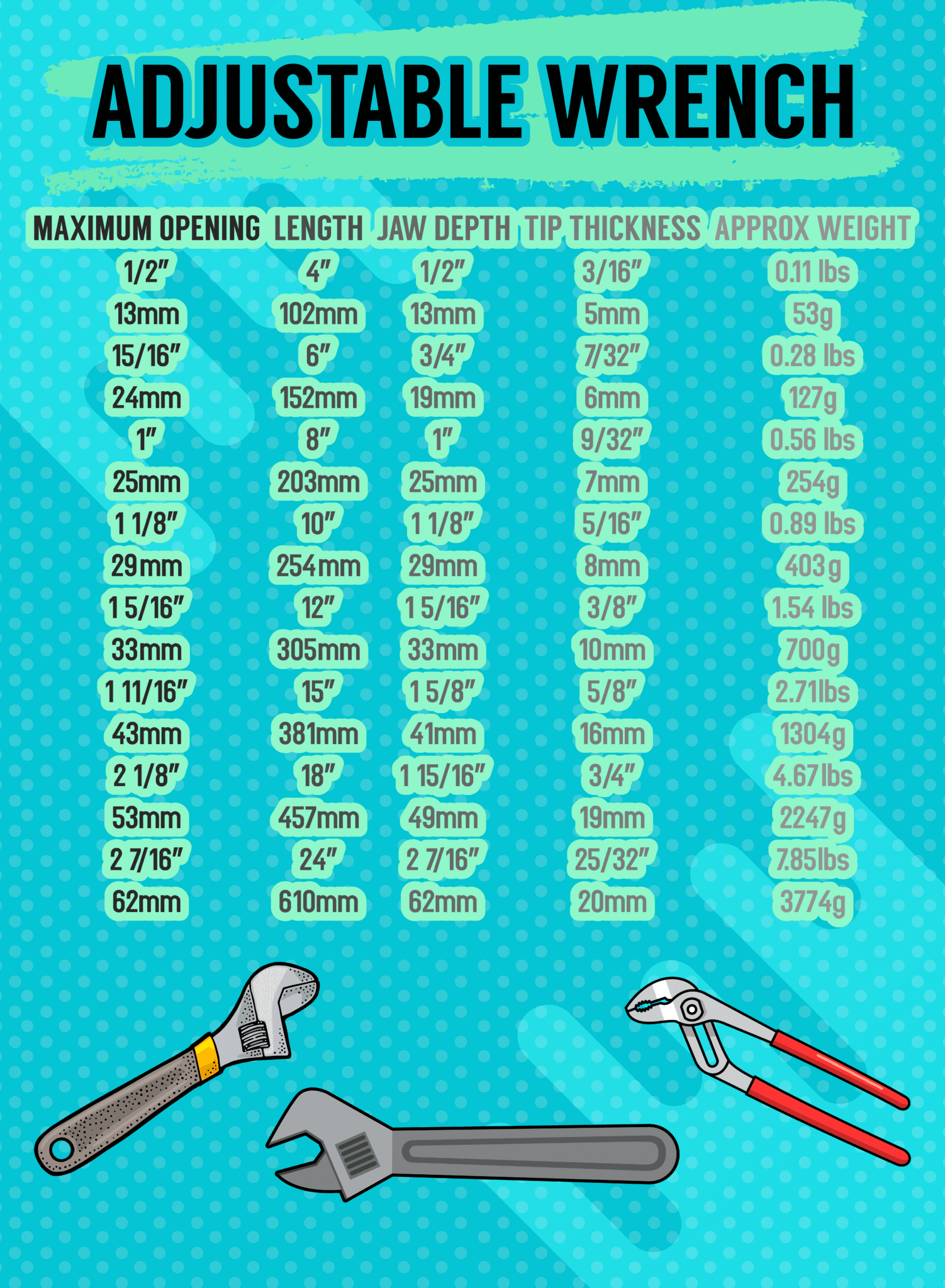
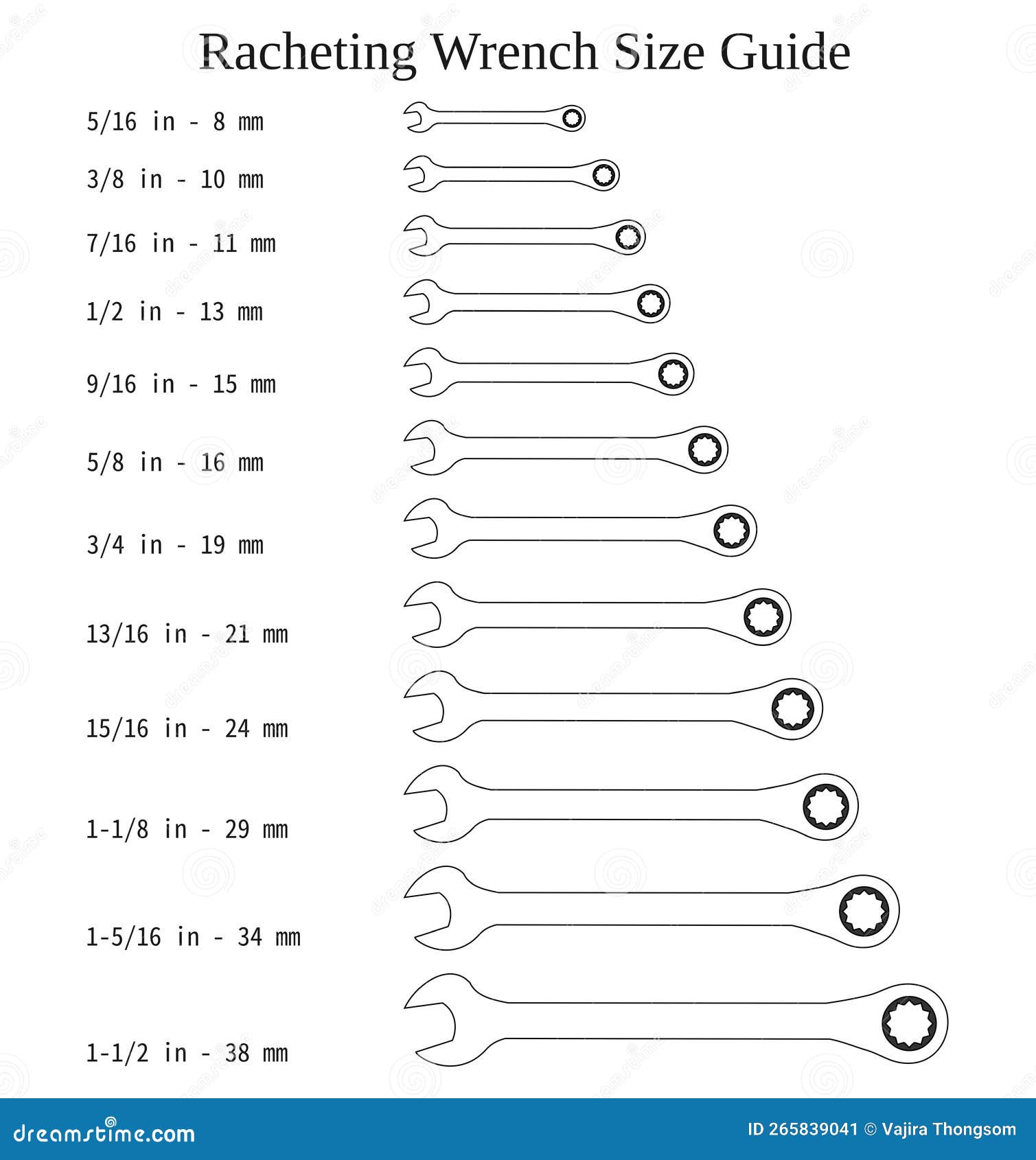
Many folks assume that a wrench size chart is a complex, intimidating tool, but it's actually a simple and handy reference guide. While it may seem like a foreign language at first, with a few key insights, you'll be reading and using it like a pro in no time. This chart is your go-to for quickly finding the right wrench size, whether you're working with metric or imperial measurements. It's a straightforward visual aid, yet its values can vary depending on the standard or region, so it's a good idea to familiarize yourself with the specific chart you're using.
Understanding the Chart: A Quick Overview
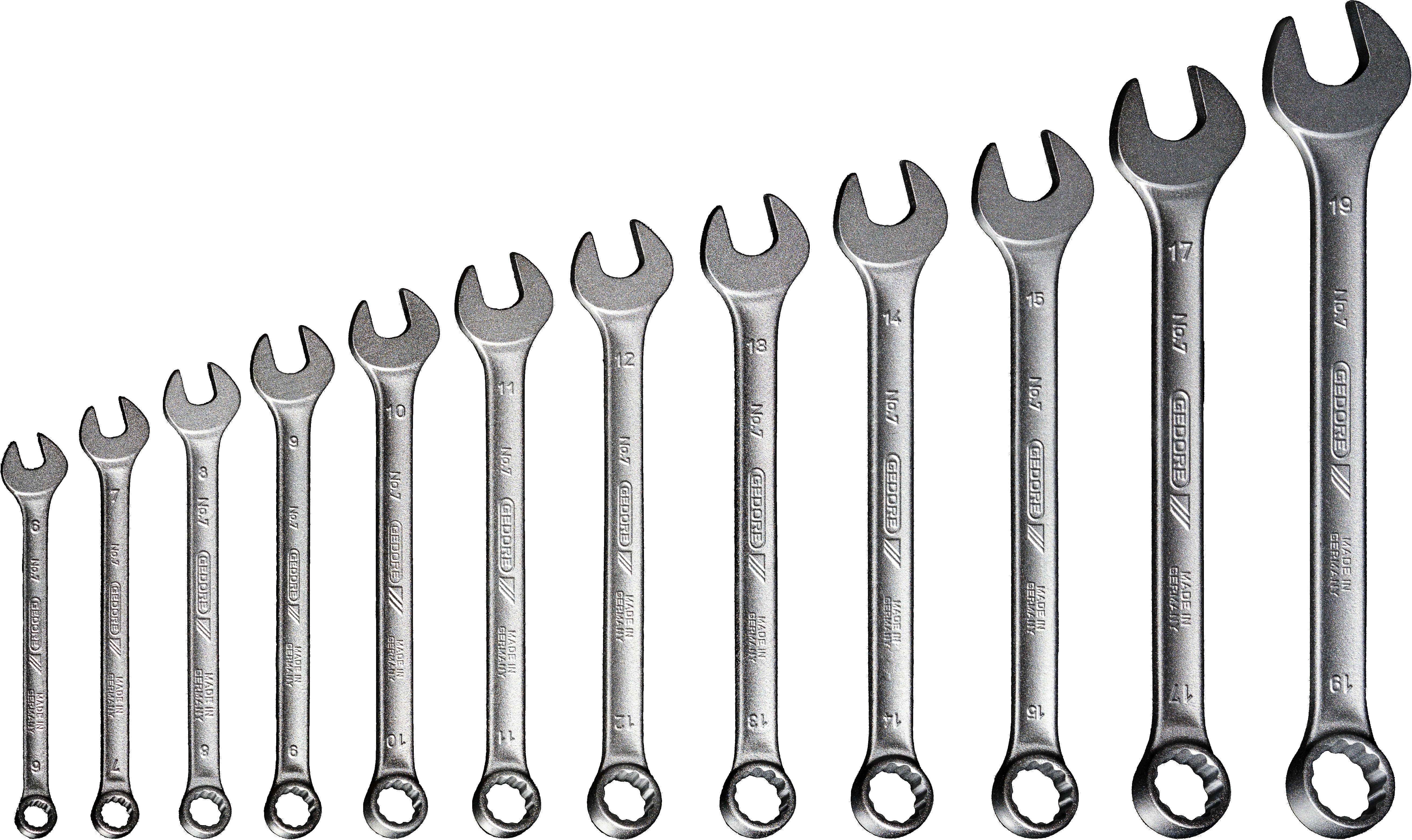
The wrench size chart is a handy reference tool for anyone working with wrenches or spanners. It provides a quick and easy way to determine the correct size and type of wrench needed for a specific job. This chart is a valuable resource for both professionals and DIY enthusiasts, ensuring you select the right tool for the task.
Comparing Standards and Formats
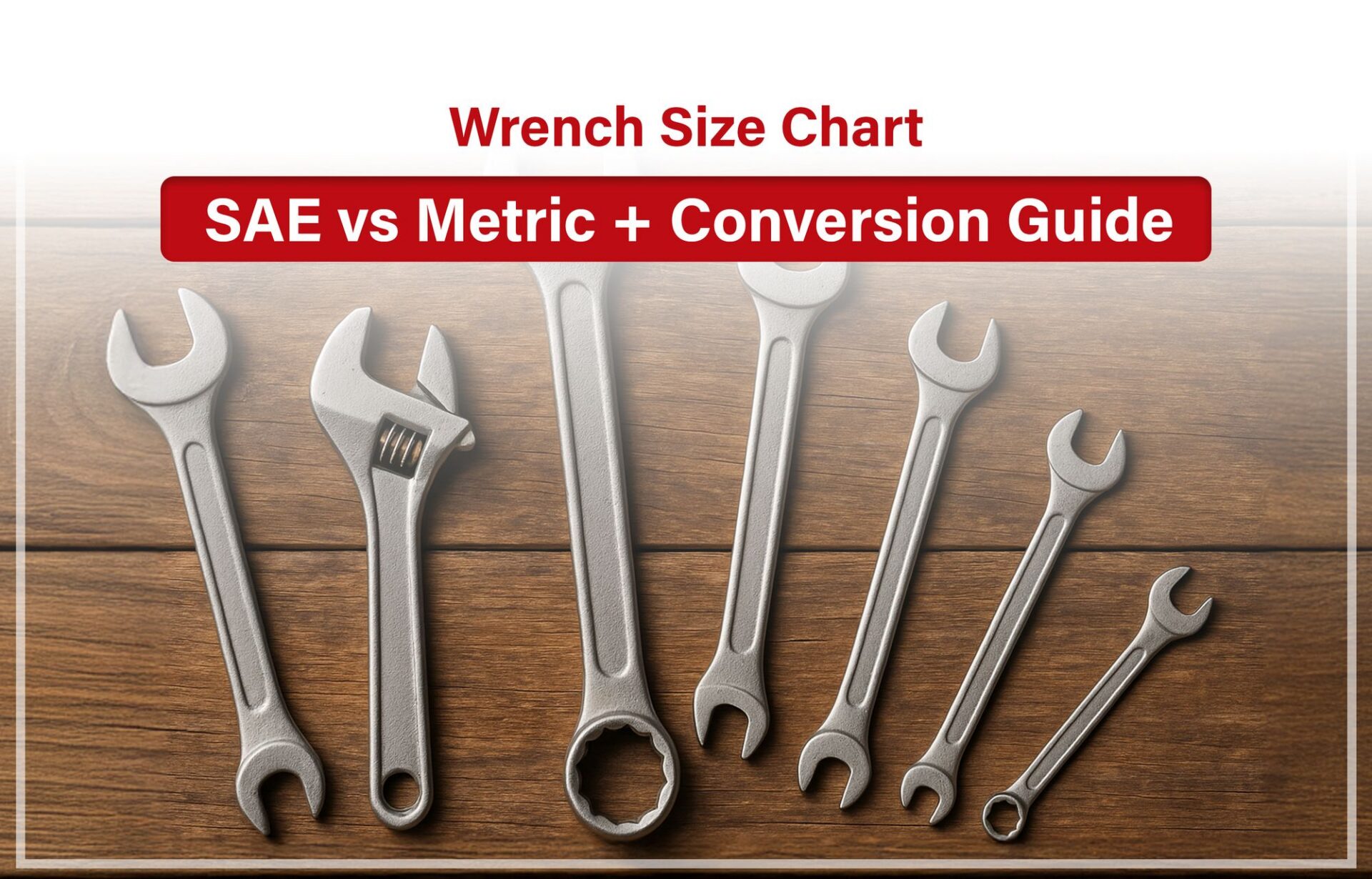
There are different standards and formats for wrench size charts, primarily based on the measurement system used. The two main systems are the metric system (international standard) and the imperial system (often used in the US). These charts display wrench sizes in their respective units, such as millimeters (mm) for metric and fractions of an inch for imperial.
Additionally, some charts may include both systems, offering a convenient conversion guide. It's essential to know which standard your tools and projects follow to ensure accurate selection.
Step-by-Step Guide: Reading Wrench Markings
Reading a wrench size chart is straightforward:
- Identify the measurement system: Determine whether your chart uses the metric or imperial system. This is typically indicated at the top or bottom of the chart.
- Locate the size: Find the size you need on the chart. Wrench sizes are often marked with a number and a unit, e.g., 12mm or 1/2 inch.
- Check the type: The chart may also indicate the type of wrench, such as open-ended, box-ended, or combination. Ensure you select the right type for your task.
- Consider tolerance: Wrench sizes often have a tolerance range, which accounts for minor variations in manufacturing. This ensures the wrench fits securely without damaging the fastener.
- Cross-reference: If you're using a multi-standard chart, double-check the size and type against both systems to ensure accuracy.
Common Misreadings and How to Avoid Them
Misreading a wrench size chart can lead to selecting the wrong tool, which may result in stripped fasteners or difficulty turning them. Here are some common pitfalls:
- Confusing metric and imperial units: Always double-check the unit system, especially if you're used to working with a different standard.
- Ignoring tolerance ranges: Wrench sizes often have a small tolerance, so a 12mm wrench may fit a 12.1mm fastener. Ignoring this can lead to an ill-fitting wrench.
- Assuming all wrenches are the same type: Different types of wrenches (e.g., open-ended vs. box-ended) have unique applications. Ensure you select the correct type for your task.
Factors Affecting Accuracy: Key Considerations
- Wrench Size Tolerance: This is the allowable variation in wrench size due to manufacturing processes. It ensures the wrench fits a range of fastener sizes, but it's essential to consider this when selecting a wrench.
- Common Wrench Types: The chart may include various wrench types, such as open-ended, box-ended, socket, or combination. Understanding these types and their applications is crucial for accurate selection.
- Standard Wrench Sizes: Wrench sizes often follow specific standards, like the metric or imperial system. Ensure your chart and tools align with the correct standard.
Adapting the Chart for Specific Needs
While wrench size charts provide a general guide, specific projects or industries may require more specialized tools. Here's how to adapt the chart:
- Custom Sizes: In some cases, you may need a custom-sized wrench for a unique application. In these situations, consult with a professional or manufacturer to determine the exact size and type required.
- SAE Wrench Sizes: The Society of Automotive Engineers (SAE) has its own standard for wrench sizes, often used in automotive applications. Ensure your chart includes SAE sizes if you're working on vehicles.
- Metric to Imperial Conversion: If you're working with both metric and imperial systems, a conversion chart can be a valuable addition to your wrench size chart. This ensures you can quickly convert between the two systems.
Remember, the wrench size chart is a practical tool to ensure you select the right wrench for the job. By understanding the chart, reading the markings accurately, and considering the key factors, you can avoid common pitfalls and ensure your projects run smoothly.
Well, that's a wrap on our wrench size chart adventure! We've covered a lot of ground, from understanding the different standards to the step-by-step process of using the chart effectively. It's important to remember that while this guide provides a solid foundation, your specific needs may require some further investigation.
So, before you put this knowledge into practice, make sure to double-check the exact values and standards relevant to your project. It's a good idea to bookmark this page for future reference, as it will save you time and effort the next time you need a quick reminder. Happy wrenching, and remember to keep those nuts and bolts in check!
Related: A Simple Guide to Blanket Size Chart
A blanket size chart is a handy tool to have when you're shopping for the perfect blanket, whether it's for your bed or a cozy throw. This guide will show you how to navigate and understand these charts, ensuring you get the right size every time.
Blanket size charts can vary, offering different measurements and sizes, so it's helpful to know the standard sizes like twin, full, and queen, and even the metric conversions. With this knowledge, you'll be able to choose the ideal blanket size with confidence.
A Quick Overview of Blanket Size Charts
Blanket size charts are a handy reference tool to help you choose the right blanket size for your needs. These charts provide standard dimensions for various blanket sizes, making it easier to find the perfect fit for your bed or specific use. Whether you're shopping for a new blanket or just want to understand the sizes better, this guide will walk you through the basics.
Comparing Blanket Size Standards and Formats
Blanket size charts can vary depending on the standard or region. In the US, you'll often find measurements in inches, with common sizes like twin, full, queen, and king. Internationally, metric measurements are used, and you might see sizes like single, double, queen, and super king. It's important to know which standard you're dealing with to ensure accurate sizing.
Step-by-Step Guide to Reading a Blanket Size Chart
Here's a simple process to read and understand a blanket size chart:
Identify the Standard: First, check if the chart uses US or metric measurements. This will impact the dimensions and size labels.
Locate the Size Category: Look for the size you're interested in, such as twin, full, or queen. These categories are typically listed clearly on the chart.
Read the Dimensions: Under each size category, you'll find the width and length measurements. These are the standard dimensions for that particular size.
Consider Variations: Keep in mind that while charts provide standard sizes, there can be slight variations between manufacturers. Always check the exact specifications if precision is crucial.
Common Misreadings and How to Avoid Them
It's easy to misinterpret a blanket size chart if you're not familiar with the format. Here are some common mistakes and how to avoid them:
Mixing Up Standards: Always double-check if the chart uses US or metric measurements. Using the wrong standard can lead to significant sizing errors.
Assuming Exact Fit: Blanket size charts provide standard dimensions, but actual products might have slight variations. Always check the product specifications for precise measurements.
Ignoring Size Labels: Pay attention to the size labels on the chart. Each label corresponds to a specific size category, so ensure you're looking at the right one.
Factors Affecting Size Variations
Several factors can cause variations in blanket sizes:
Manufacturer Differences: Each manufacturer might have slight variations in their sizing, so always check the product details.
International Standards: Blanket sizes can vary between countries due to different standards and measurements.
Product Type: Different types of blankets, such as crib blankets or throw blankets, might have unique sizing. Always check the specific product category.
Choosing the Right Size for Your Needs
When selecting a blanket size, consider your specific requirements:
Bed Size: Ensure the blanket fits your bed size comfortably. A queen-size blanket won't fit a king-size bed, for example.
Personal Preference: Some people prefer oversized blankets for extra coverage. If you like a snug fit, choose a size that matches your bed dimensions.
Blanket Type: Consider the purpose of the blanket. A crib blanket will have different dimensions compared to a standard bed blanket.
Keeping Your Reference Reliable for Future Use
To ensure you can rely on your blanket size chart for future purchases:
Save the Chart: Keep a digital or printed copy of the chart for easy reference.
Check for Updates: Blanket size standards might evolve over time. Periodically review the chart to ensure it's up-to-date.
Note Product Variations: If you find a blanket with slightly different dimensions, make a note of it for future reference. This can help you make more informed choices.
Well, that's a wrap on our blanket size chart adventure! We've covered a lot of ground, from understanding the different options to learning how to use and adapt them to your needs. Remember, the exact details might vary slightly, so always double-check the source or standard you're using.
Feel free to explore more of our practical guides and resources. We've got a whole collection of tips and tricks to make your life easier, so don't be a stranger!