





Perry Platypus Coloring Pages Overview
Many beginners in the world of finance and trading often overlook the power of visual tools, assuming they are complex and intimidating. However, a price charting app is your friendly companion, offering a simple yet effective way to understand market trends. It's not about deciphering a secret code; these apps provide an accessible gateway to interpreting historical price data and identifying patterns.
Understanding Price Charting: A Quick Overview
A price charting app is a powerful tool for anyone interested in stock market analysis and understanding historical price data. It provides a visual representation of price movements, helping investors and traders make informed decisions. This guide will walk you through the basics of reading and interpreting these charts.
Chart Types and Formats: Comparing the Options
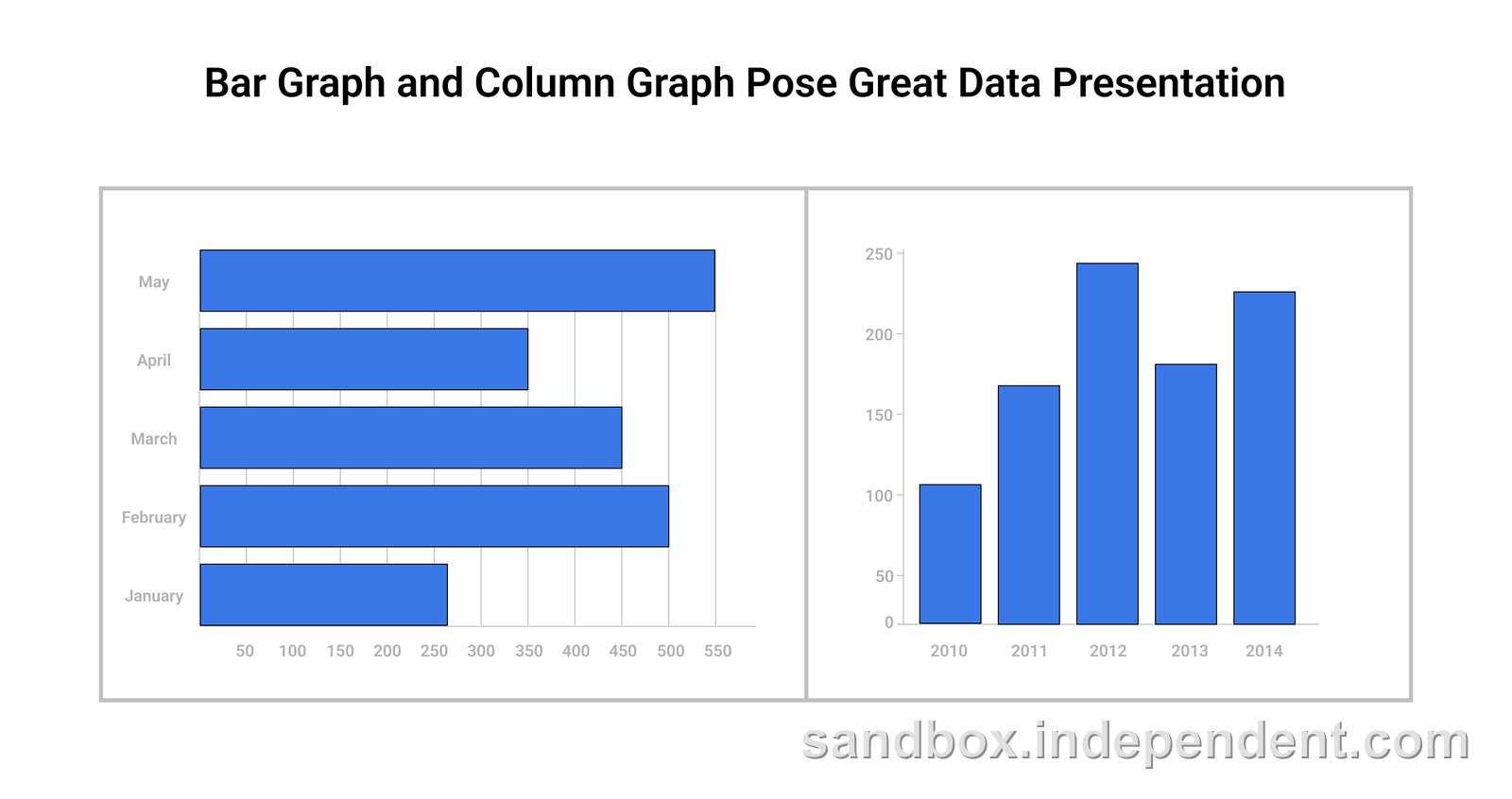
There are various chart types commonly used in the financial world. The most popular include line charts, bar charts, and candlestick charts. Each format has its strengths and is suitable for different trading strategies. Line charts offer a simple, continuous view of price changes, while bar charts provide more detail with open, high, low, and close prices. Candlestick charts are popular for their visual appeal and ability to display price patterns.
Step-by-Step Guide: Reading and Interpreting Price Charts
To read a price chart, follow these steps:
- Identify the time frame: Charts can display data for different periods, such as daily, weekly, or hourly. Choose the time frame relevant to your analysis.
- Understand the price scale: The vertical axis represents the price range. Ensure you're aware of the scale and any potential adjustments due to stock splits or dividends.
- Recognize key metrics: Look for important price levels, such as support and resistance, which indicate potential buying or selling opportunities.
- Analyze trends: Observe the overall direction of the price movement. Is it trending upwards, downwards, or ranging sideways?
- Identify patterns: Price charts often display recognizable patterns like triangles, head and shoulders, or double tops. These patterns can signal potential reversals or continuations.
- Use technical indicators: Many charts offer additional tools like moving averages, RSI, or MACD. These indicators can provide insights into momentum, overbought/oversold conditions, and potential entry or exit points.
Common Misreadings and Pitfalls: Avoiding Mistakes
When interpreting price charts, it's essential to avoid common pitfalls:
- Don't rely solely on charts: While charts are powerful, they should be used in conjunction with other analysis methods and fundamental research.
- Be cautious of confirmation bias: It's easy to interpret charts to confirm your existing beliefs. Stay objective and consider all possibilities.
- Understand chart customization: Different platforms offer various customization options. Ensure you're familiar with the settings to avoid misinterpretations.
- Watch out for false signals: Not all patterns or indicators lead to the expected outcome. Always consider the bigger picture and use multiple signals for confirmation.
Key Factors Affecting Chart Accuracy and Real-World Use
Several factors can impact the accuracy and applicability of price charts:
Market volatility: Highly volatile markets can make it challenging to identify clear trends or patterns.
Time frame selection: Choosing the wrong time frame may lead to misinterpretations. Ensure it aligns with your trading strategy.
Data quality: Ensure you're using reliable and up-to-date data sources. Inaccurate data can skew your analysis.
Chart customization: Adjusting chart settings, like adding indicators or changing the price scale, can impact your interpretation.
Market conditions: External factors like economic news, political events, or seasonal trends can influence price movements, affecting chart patterns.
Choosing the Right Chart Format for Your Needs
The choice of chart format depends on your trading style and preferences:
- If you prefer simplicity and ease of interpretation, a line chart might be ideal.
- For detailed analysis and identifying specific price levels, bar charts offer more information.
- Candlestick charts are excellent for visualizing price patterns and understanding market sentiment.
- Consider your trading strategy and the specific insights you seek. Choose a format that aligns with your goals and provides the necessary data.
Remember, price charting apps are powerful tools, but they are just one piece of the puzzle. Combine them with other analysis methods and stay updated on market news to make well-informed trading decisions.
Well, there you have it! We've covered a lot of ground, from understanding the basics to diving into the practical aspects of using a price charting app.
Remember, while this guide provides a solid foundation, every situation is unique. So, before you finalize your charts and references, take a moment to ensure they align perfectly with your specific needs and context. It's a simple step but an important one!
Feel free to explore more of our guides; we've got a range of topics that might just spark your interest and offer practical insights. Happy charting!
Related: Uncover the Secrets of a Chord Chart Piano
A common misconception about chord chart piano is that it's a complex and daunting tool, but in reality, it's a simple and incredibly useful resource for any pianist. This chart, often a pianist's best friend, is a straightforward guide, offering a visual representation of chords and their formations. While the format may vary, the essence remains the same: a quick reference for pianists to navigate and understand chord progressions and music notation with ease.
Understanding Chord Chart Piano: A Quick Overview
A chord chart piano is a valuable tool for musicians, offering a visual representation of chord structures and their corresponding finger positions on the piano. This chart acts as a quick reference guide, aiding pianists in playing various chords efficiently. It displays the piano keys and indicates where your fingers should be placed to form specific chords.
Comparing Common Chord Chart Formats
There are several formats for chord chart piano, each with its own advantages. The most common formats include:
Standard Notation: This traditional method uses symbols and notes to represent chords. It provides a comprehensive view of chord structure but can be complex for beginners.
Piano Chord Diagram: A simpler approach, often used for beginners, shows the piano keys and finger positions for each chord. It's an easy-to-read visual guide.
Chord Symbol Notation: A concise format using letters, numbers, and symbols to represent chords. While quick to read, it may require some familiarity to interpret accurately.
Step-by-Step Guide: Reading and Using a Chord Chart Piano
Follow these steps to effectively read and utilize a chord chart piano:
Identify the Chord: Start by locating the chord you want to play. Chord charts often list chords alphabetically or by their function in a song.
Find the Diagram: Look for the corresponding diagram or symbol representing the chord. This will show the finger positions and keys involved.
Place Your Fingers: Position your fingers according to the diagram. Ensure your fingers are correctly placed on the indicated keys.
Strum or Play: Once your fingers are in position, strum or play the chord. Adjust your fingers slightly if needed to achieve a clear, harmonious sound.
Practice and Memorize: Repeat this process for different chords. With practice, you'll memorize common chord shapes and positions, making playing smoother and faster.
Avoiding Common Misreadings and Pitfalls
To ensure accurate interpretation, watch out for these common misreadings:
Chord Chart Piano Variations: Different charts may use slightly different symbols or notations. Always refer to the legend or key provided with the chart to understand the specific symbols used.
Major and Minor Chords: Distinguish between major and minor chords, as their finger positions can be similar but result in different sounds. Pay attention to the chord symbol or diagram to ensure you're playing the correct type.
Finger Positioning: Ensure your fingers are correctly placed on the keys. Misplaced fingers can result in an incorrect chord or a dissonant sound.
Factors Affecting Accuracy and Real-World Use
Several factors can influence the accuracy and practicality of using a chord chart piano:
Instrument Type: While these charts are designed for pianos, they can also be adapted for other keyboard instruments. However, the finger positions may vary slightly due to differences in key sizes and layouts.
Chord Progressions: In real-world playing, you'll often encounter chord progressions, where chords change rapidly. Practicing and memorizing common progressions will help you transition smoothly between chords.
Advanced Chord Techniques: As you advance, you may encounter more complex chords and techniques. Some charts may not cover these, so you might need to refer to more specialized resources.
Choosing the Right Chord Chart Format for Your Needs
Select the most suitable chord chart piano format based on your skill level and goals:
Beginners: Opt for a piano chord diagram or a chart with simple, easy-to-understand symbols. These provide a clear visual guide without overwhelming complexity.
Intermediate Players: Consider a chart that offers a balance between simplicity and detail. Look for charts that include both chord symbols and diagrams, providing a quick reference for common chords.
Advanced Musicians: Choose a comprehensive chart with a wide range of chords and variations. These charts often include advanced techniques and less common chord structures.
Keeping Your Reference Reliable for Future Use
To ensure your chord chart piano remains a reliable reference:
Regular Practice: Consistent practice is key. The more you use the chart, the more familiar you'll become with chord shapes and positions, reducing the need for constant reference.
Update and Expand: As your skills progress, consider updating your chart or adding new sections for advanced chords and techniques. This keeps your reference relevant and useful.
Digital vs. Physical: Digital charts offer convenience, but physical charts can be more durable and easier to reference quickly during live performances. Consider having both for different scenarios.
Chord charts are a fantastic tool, and it's great to have a solid understanding of how to use them effectively. Remember, the exact details may differ slightly based on your specific needs and the resources you're working with, so adapt and customize as you see fit.
There's a wealth of knowledge to explore in the world of music, and we've got plenty of guides to help you along the way. Feel free to browse our other resources; you might find some hidden gems to enhance your musical journey!
Related: Largest Construction Firms in the World Essential Guide
I was walking through my neighborhood the other day, and I couldn't help but notice all the construction going on. It got me thinking about the largest construction firms in the world and how they operate on such a massive scale. So, I decided to do some research and share my findings with you all!
The Big Picture
When we talk about the largest construction firms in the world, we're referring to the companies that take on some of the most ambitious and complex projects globally. These firms have the resources, expertise, and reach to handle everything from high-rise buildings to major infrastructure developments. They are the go-to for governments, corporations, and even other smaller construction companies when the project is too big to handle alone.
What Makes Them So Large?
The size and success of these firms often come down to a few key factors. Firstly, they have the financial muscle to take on large-scale projects and the ability to secure funding for these ventures. This financial strength allows them to invest in the latest technology and equipment, ensuring they stay at the forefront of the industry.
Secondly, they have a vast network of skilled professionals and subcontractors. This means they can assemble a team with the right expertise for any project, no matter how specialized the skills required.
Lastly, these firms have a proven track record and a reputation for delivering projects on time and within budget. This reliability is key to securing future work and expanding their portfolio.
Practical Considerations
If you're considering hiring one of these firms for a project, there are a few things to keep in mind. Firstly, ensure you get a detailed, written quote that outlines all costs and potential additional expenses. These firms are often dealing with large-scale projects, so the scope can change, and additional costs may arise.
It's also worth checking their past projects and client testimonials to ensure they have a good track record and a style that aligns with your vision. Don't be afraid to ask for references and speak to previous clients about their experience.
Naming and Branding
The names of these firms often reflect their size and scope. They tend to be straightforward and easy to remember, often incorporating the founder's name or a word that reflects their core business. For example, "Global Construction Co." or "Johnson Builders."
If you're thinking of starting your own construction firm, choosing a name that is unique, memorable, and reflects your business values is essential. Here are a few ideas to get you started:
- BuildTech Solutions
- SkyRise Construction
- Earthworks Group
- Constructo International
- HomeFront Builders
- Urban Development Corp.
Remember to check the availability of the name, domain, and local registration before finalizing your choice.
Wrapping Up
Exploring the world of the largest construction firms is fascinating, and it's a reminder of the scale and impact of the construction industry. These firms are the backbone of many major developments and play a crucial role in shaping our world.
If you're interested in learning more, I'd recommend checking out some of their past projects and the tools they use, like RSMeans, to get a better understanding of the industry. It's a vast and ever-evolving field, and there's always more to discover!