









Photography Wedding Invoice Overview
The alo size chart is a valuable tool for anyone seeking a reliable guide to sizing, especially for activewear enthusiasts. This comprehensive guide covers the essential aspects of understanding and utilizing the alo size chart effectively. It provides a clear and concise reference for navigating the world of clothing sizes, ensuring a perfect fit for your activewear needs.
Understanding the Alo Yoga Size Chart
The alo yoga size chart is a valuable tool for anyone looking to purchase alo yoga apparel, ensuring a perfect fit. This guide will help you navigate the chart, understand its categories, and make informed size choices.
Comparing Size Chart Standards
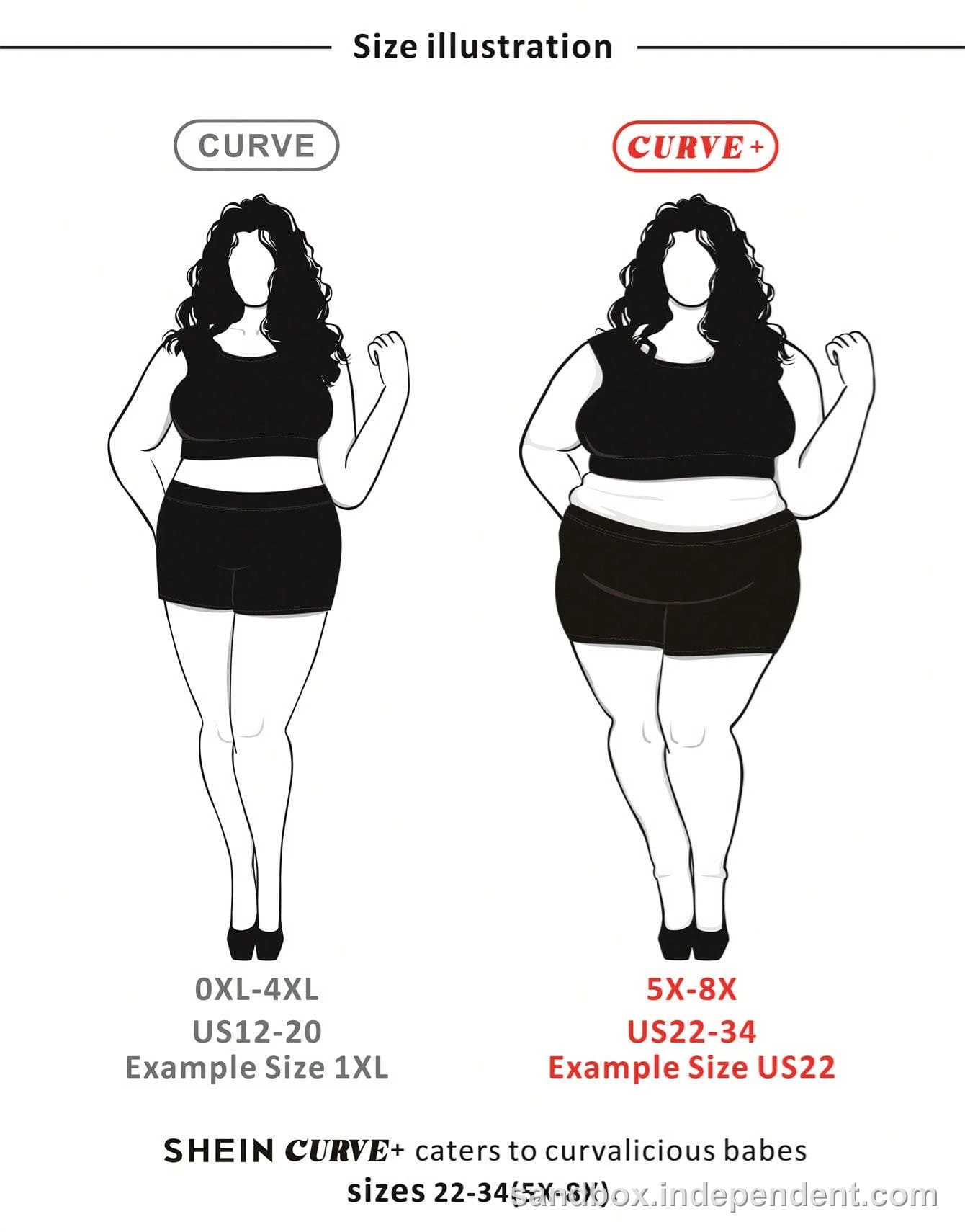
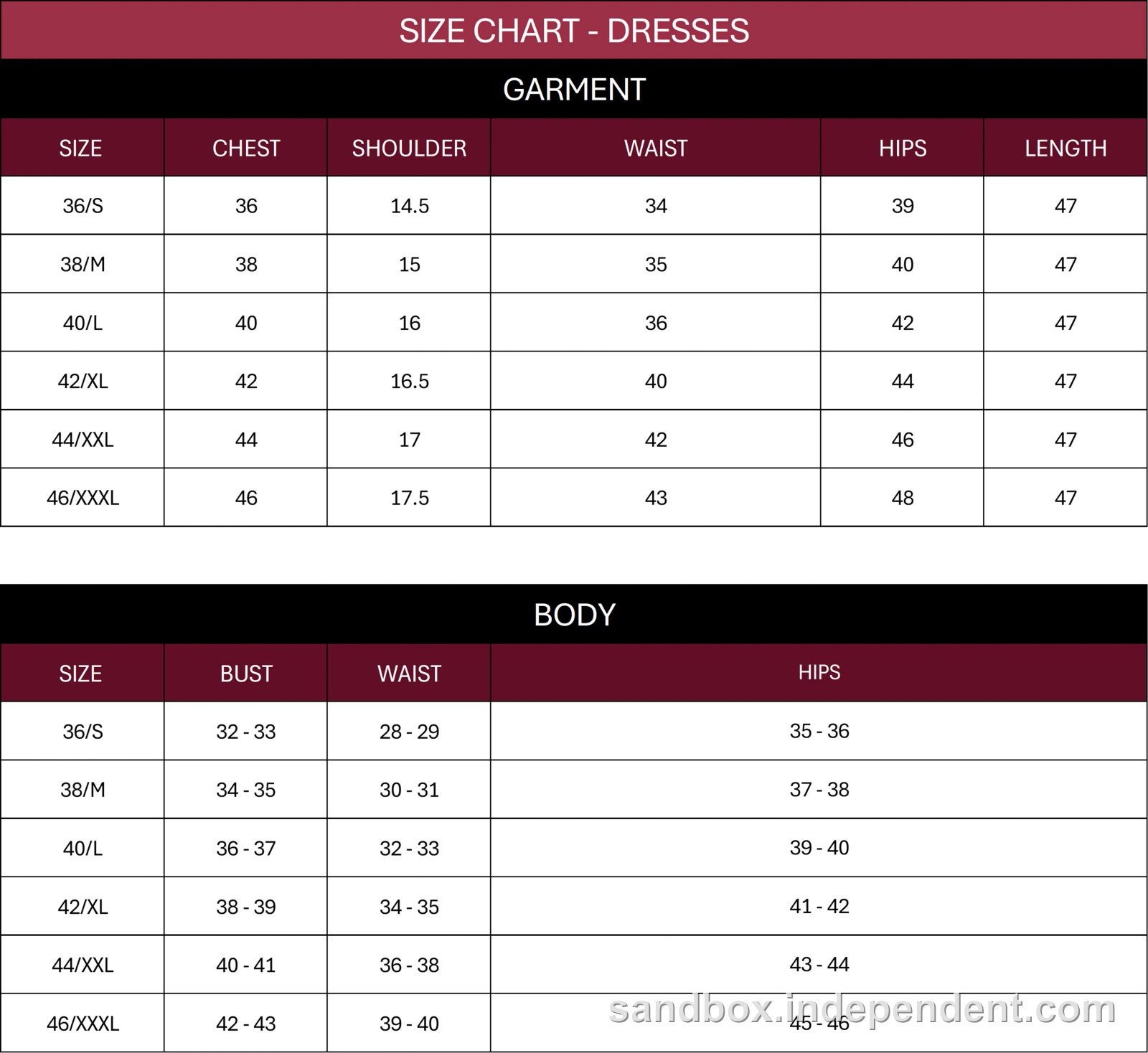
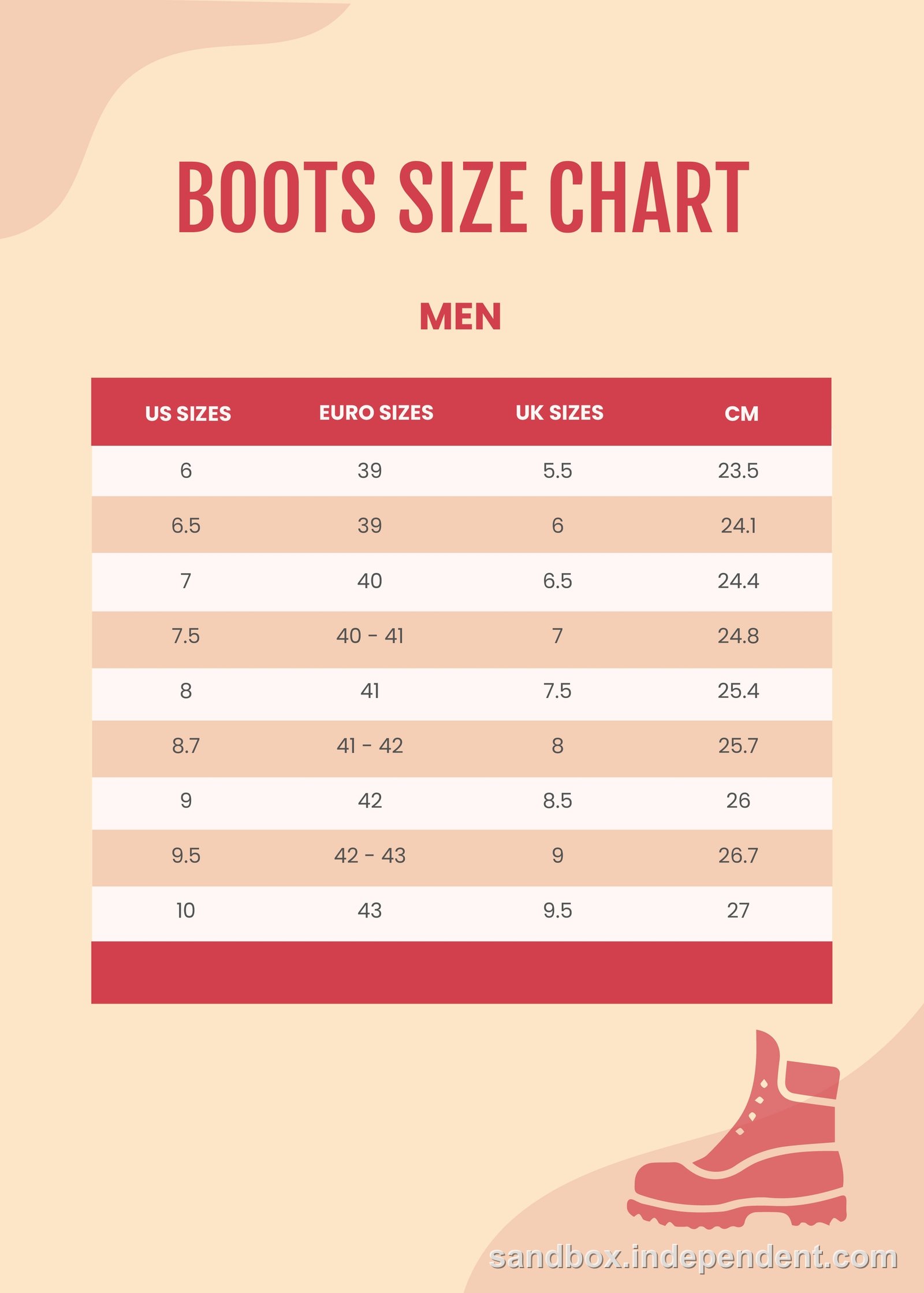
Size charts can vary depending on the brand and region. Alo yoga size charts typically follow US standard sizing, but it's essential to check the specific chart for any variations. These charts provide a range of sizes, often in small, medium, and large categories, with corresponding numerical values for bust, waist, hip, and inseam measurements.
Step-by-Step Guide to Using the Alo Size Chart
Here's a simple process to ensure you choose the right size:
Measure yourself accurately. Use a flexible tape measure to record your bust, waist, hip, and inseam dimensions. Ensure the tape is parallel to the floor and not too tight.
Refer to the alo yoga size chart. Find your closest match for each measurement. For instance, if your bust measurement is 34 inches, look for the size that corresponds to this value on the chart.
Consider the garment's intended use. If you're buying alo yoga pants, you might want a snug fit for better movement. In this case, choose the size that aligns with your smallest measurement.
Check the size guide notes. Some charts provide additional information, such as whether a garment runs small or large. This can help you make a more precise choice.
Convert if necessary. If you're more familiar with metric measurements, use a conversion tool to ensure accuracy.
Avoiding Common Misreadings
It's easy to misinterpret size charts, especially if you're not used to them. Here are some tips to avoid mistakes:
Don't assume all brands use the same sizing. Always refer to the specific brand's chart.
Be aware of the size categories. Some charts use letters (S, M, L), while others use numbers (e.g., 4, 6, 8). Ensure you're reading the right column or row.
Consider the garment's style. Fitted styles might require more precise measurements, while loose-fit garments offer more flexibility.
Factors Affecting Size Accuracy
Several factors can influence the accuracy of your size choice:
Body composition: Muscle mass and body fat distribution can affect your measurements.
Garment design: Different alo yoga styles might have varying fits, so always check the product description.
Personal preference: Some might prefer a looser fit, while others go for a more tailored look.
Material stretch: The fabric's stretchability can impact the final fit.
Manufacturing variations: Even within the same size, there can be slight differences between garments.
Remember, the alo size chart is a guide, and individual variations are normal. It's always a good idea to refer to the brand's return policy if you're unsure.
Remember, while this chart is a fantastic tool, it's always wise to double-check your specific needs and requirements. Exact values can vary, so a quick verification ensures you get the perfect fit.
Consider bookmarking this page for future reference. It's a handy guide to have on hand, and you'll be glad you did when you need it again!
Related: How to Read Liquid Charts Pro?
Many people often assume that Liquid Charts Pro and similar tools are complex and intimidating, but in reality, they are designed to simplify and provide an accessible overview. While the values and formats may vary depending on certain factors, the core purpose remains the same: to offer a clear visual representation.
Liquid Charts Pro is an invaluable resource, especially when you need a quick reference. It ensures accuracy and understanding, making it an essential companion for anyone working with liquid measurements and specific gravity charts.
Understanding the Chart: An Overview
Liquid Charts Pro is a comprehensive tool designed to help you accurately measure and understand the properties of liquids. This chart provides a visual representation of various liquid characteristics, making it an essential guide for professionals and enthusiasts alike. By using this chart, you can quickly identify key measurements and make informed decisions.
Key Measurements and Their Standards
The chart offers a range of measurements, each serving a specific purpose. One crucial aspect is the specific gravity of liquids, which is often compared to water as a reference point. Hydrometers are commonly used to measure this, and the chart provides a clear scale to interpret these readings. Additionally, the API gravity scale, a widely adopted standard, is featured, allowing for easy conversion and comparison. For those in the food and beverage industry, the Brix scale is included, offering insights into sugar content. These measurements are typically presented in both imperial and metric units, ensuring versatility.
A Step-by-Step Guide to Using Liquid Charts Pro
Using Liquid Charts Pro is straightforward:
- Identify the type of liquid you are working with and its intended application.
- Locate the relevant section on the chart, ensuring you are using the correct standard (e.g., API gravity or Brix scale).
- Take your measurement using the appropriate tool, such as a hydrometer or refractometer.
- Refer to the chart's scale and interpret your reading. The chart will guide you in understanding the liquid's properties, such as density, concentration, or purity.
- Adjust your process or recipe based on the insights gained from the chart.
Common Misreadings and How to Avoid Them
While Liquid Charts Pro is designed for accuracy, there are a few potential pitfalls to watch out for:
- Unit Confusion: Always double-check the units used on the chart, especially when converting between imperial and metric systems.
- Incorrect Scale: Ensure you are using the right scale for your liquid type. For instance, using the Brix scale for measuring alcohol content will give inaccurate results.
- Tolerances: Be aware that some liquids may have specific tolerances or exceptions. The chart provides general guidelines, so it's essential to consult detailed specifications for precise applications.
- Environmental Factors: Variations in temperature and pressure can affect liquid properties. Consider these factors when taking measurements and interpreting results.
Remember, Liquid Charts Pro is a valuable tool, but it's important to understand its limitations and always refer to industry-specific guidelines for critical applications.
Remember, every situation is unique, so while these guidelines offer a solid foundation, the exact details may shift slightly to fit your specific needs. Don't hesitate to explore other guides on our site, where you'll find a wealth of practical advice and resources to enhance your skills and knowledge. Happy learning!
Related: Whole Home Remodeling Essential Guide
I've got a whole house to remodel. From top to bottom, I want to give it a fresh look and feel. Whole home remodeling is a big project, but I'm ready to dive in and make it happen.
What's Involved in a Whole Home Remodel?
Whole home remodeling is a comprehensive process, transforming your entire living space. It's more than just a room refresh; it's about updating and modernizing your entire home. This could mean new kitchens and bathrooms, updated flooring, fresh paint, and even structural changes to create an open-plan layout. It's a chance to personalize your space and make it truly yours.
When you embark on a whole home remodel, you're likely to encounter various professionals. From general contractors who oversee the project to specialized tradespeople like plumbers, electricians, and carpenters, there's a whole team involved. They'll work together to bring your vision to life, ensuring everything is up to code and meets your expectations.
Finding the Right Contractor
Hiring the right contractor is crucial for a successful whole home remodeling project. You want someone reliable, experienced, and with a good reputation. Check their references and previous work. Ask about their process, timeline, and how they handle unexpected issues. A good contractor will provide a detailed quote, outlining the scope of work and any potential additional costs.
Get multiple quotes to compare. While price is important, it's not the only factor. Consider their expertise, communication style, and how well they understand your vision. Remember, a whole home remodel is a significant investment, so take your time to find the right fit.
Construction Company Names
Choosing a name for your construction business is an important step. It should be memorable, reflect your services, and stand out. Some unique and catchy names could be:
- BuildPro
- HomeCrafters
- Constructive Creations
- Renova
- BuildSmart
- HouseWorks
Before settling on a name, check its availability for registration and domain purchase. You want to ensure your business name is unique and can be easily found online.
Jobs in the Industry
The construction and remodeling industry offers a range of roles. From project managers who oversee the entire process to estimators who calculate costs, there are various specialized positions. Tradespeople like carpenters, plumbers, and electricians are also in high demand.
If you're looking for a career in this field, consider your skills and interests. Many professionals start as apprentices, learning on the job, while others pursue formal education or training programs. The industry offers great opportunities for growth and specialization.
Industry Tools and Data
Tools like RSMeans provide valuable data for construction professionals. They offer cost databases and escalation tools, helping contractors and estimators accurately price projects. These resources are essential for creating detailed quotes and managing costs throughout a project.
While the data is useful, it's important to remember that costs can vary. Factors like location, materials, and labor rates can impact the final price. Always get multiple quotes and compare them to ensure you're getting a fair deal.
Large vs. Small Companies
The construction industry has a mix of large and small companies. Larger firms often have more resources and can take on bigger projects. They may have specialized departments and a broader range of services. However, smaller companies can offer personalized attention and a more tailored approach.
When choosing, consider the size and scope of your project. Larger companies might be better equipped for extensive renovations, while smaller firms can provide a more intimate and focused service.
Final Thoughts
Whole home remodeling is an exciting journey, transforming your space into a home that reflects your style and needs. It's a significant undertaking, but with the right team and a well-planned approach, you can achieve amazing results. Remember, it's all about finding the right fit for your vision and budget. So, take your time, do your research, and enjoy the process!