





Piano Keys Chart Template Overview
A teeth color chart is a handy tool for anyone seeking a quick and accurate way to assess and match tooth shades. This guide will walk you through the basics, covering what these charts are and how to use them effectively.
These charts, often in the form of a simple table or visual guide, provide a reference for tooth shade comparison. While the specific values and formats may vary, the concept remains the same: an easy-to-read resource for dental shade matching.
What is a Teeth Color Chart?
A teeth color chart is a visual guide that helps dental professionals and patients understand and communicate tooth shade accurately. It provides a standardized reference for comparing and matching tooth colors, ensuring consistency in dental procedures and treatments.
Key Details and Categories
The chart typically consists of a range of tooth shades, often organized in a grid or tabulated format. Each shade is represented by a unique code or label, making it easy to identify and communicate. The shades are usually based on a recognized standard, such as the Vitapan Classical Shade Guide, which is widely used in dentistry. This guide categorizes tooth colors into various groups, with each group further divided into sub-shades, providing a comprehensive and precise color reference.
Reading and Applying the Teeth Color Chart
To use the teeth color chart effectively, follow these steps:
- Prepare the teeth for shade matching by cleaning and drying them thoroughly. Natural light or specialized lighting can enhance color accuracy.
- Compare the patient's teeth with the shades on the chart. Hold the chart close to the teeth and observe the color match.
- Identify the closest shade match. Consider the overall color and any subtle variations.
- Confirm the shade with the patient and document it for future reference.
- Repeat the process for multiple teeth if needed, ensuring consistency across the dental arch.
Understanding Shade Variations
Shade variations can occur due to several factors. Natural tooth color can differ based on genetics, age, and lifestyle factors like diet and oral hygiene. External factors like staining from food, drinks, or tobacco can also impact tooth color. Additionally, lighting conditions and the observer's perception can influence shade matching. It's essential to consider these variables when using a teeth color chart to ensure accurate results.
Common Mistakes and How to Avoid Them
When working with a teeth color chart, it's crucial to avoid these common pitfalls:
- Relying solely on memory: Always refer to the chart for an accurate shade match. Avoid guessing or relying on past experiences.
- Inconsistent lighting: Ensure consistent lighting conditions to minimize errors. Natural daylight or specialized dental lighting is recommended.
- Neglecting patient feedback: Involve the patient in the shade selection process. Their perception and feedback are valuable for an accurate match.
- Overlooking oral health: Ensure the teeth are clean and free from debris or stains before shade matching.
- Using outdated charts: Keep your teeth color chart up-to-date to reflect the latest standards and shades. Regularly check for new versions or updates.
Well, there you have it! A teeth color chart is a handy tool, and now you know how to navigate it like a pro. Remember, the exact shades and values might differ slightly depending on the source or standard, so always double-check.
Feel free to explore other guides on our site for more practical tips and tricks. We've got you covered with a range of topics, so take a look and discover something new!
Related: Unravel the Tog Rating Chart: A Simple Guide
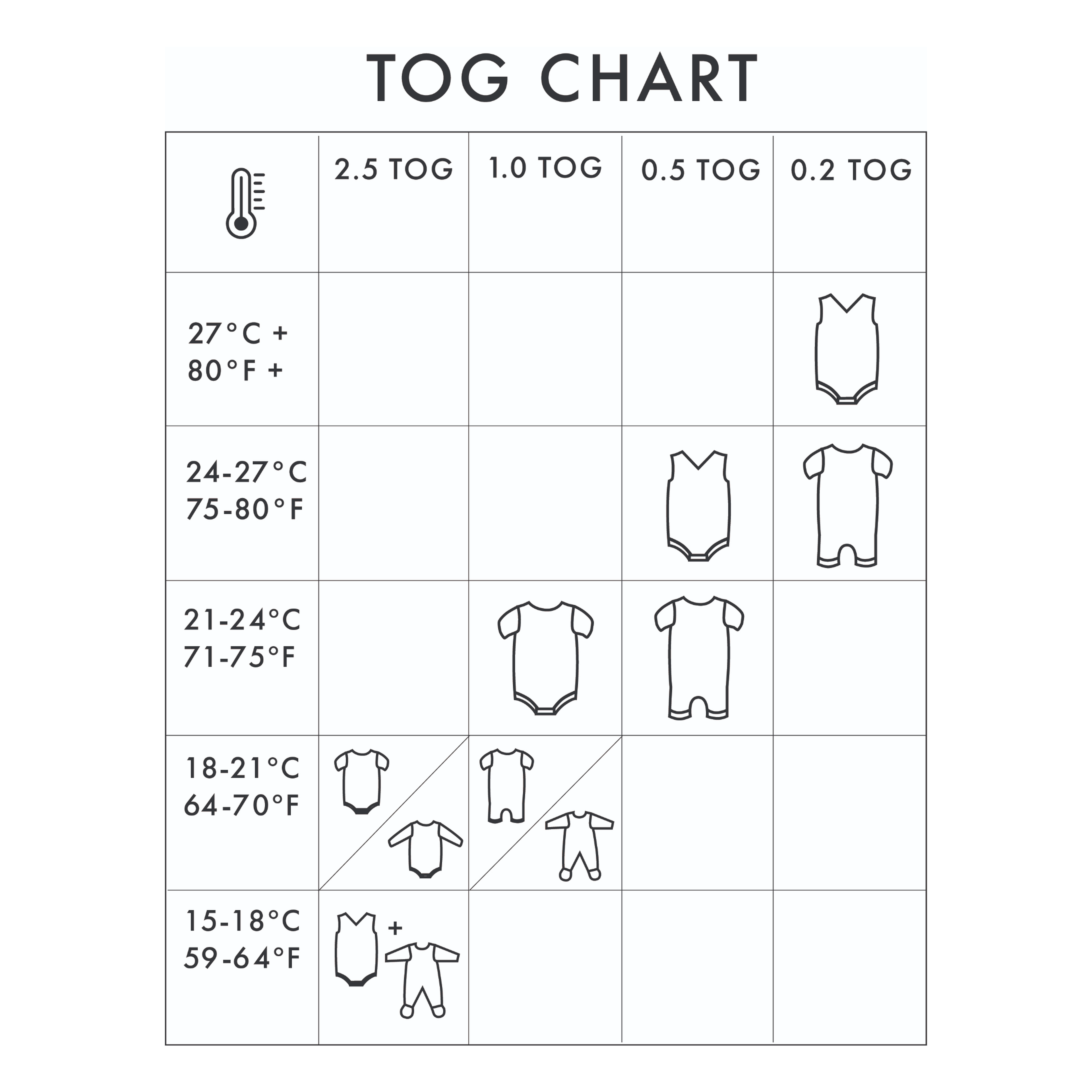
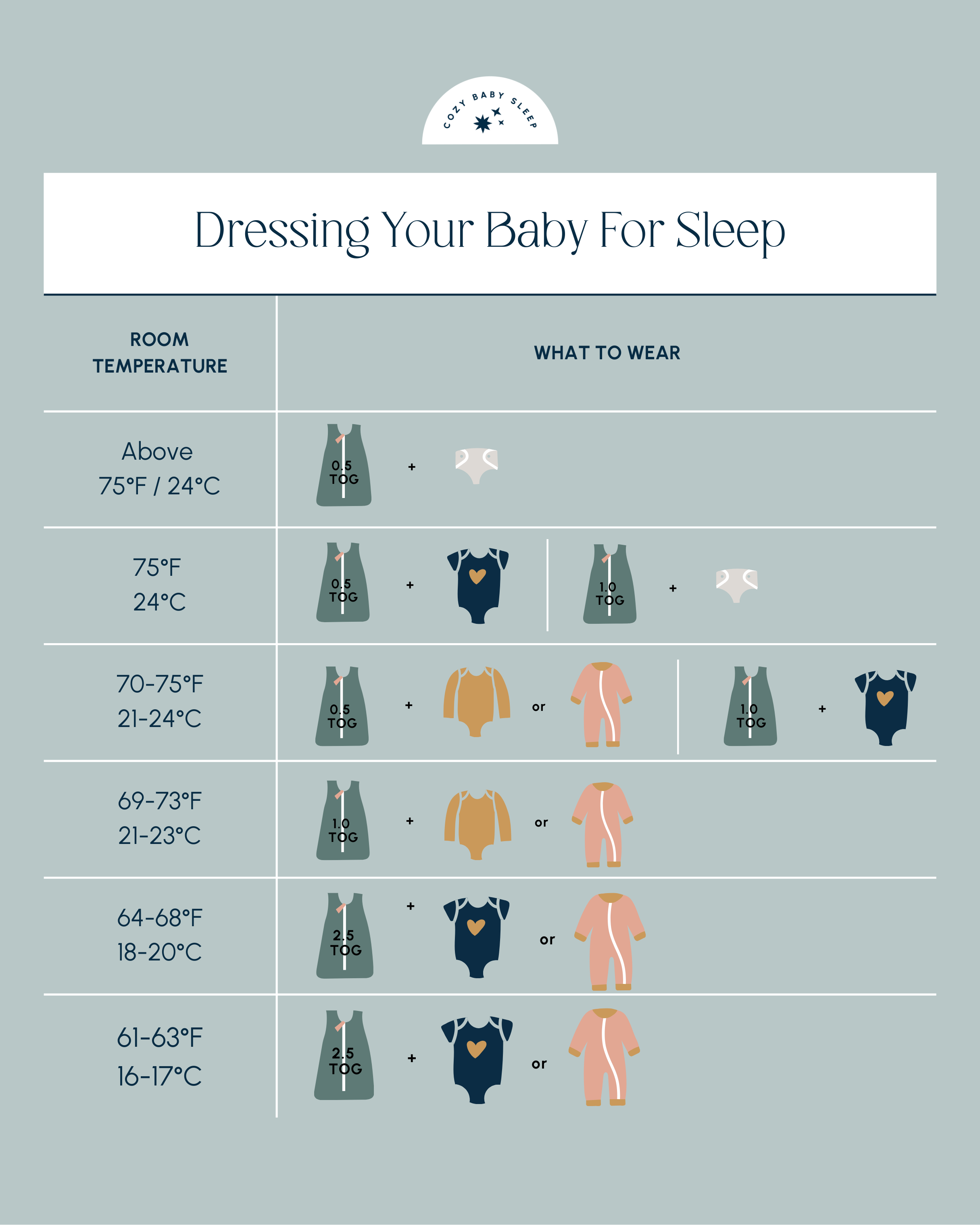
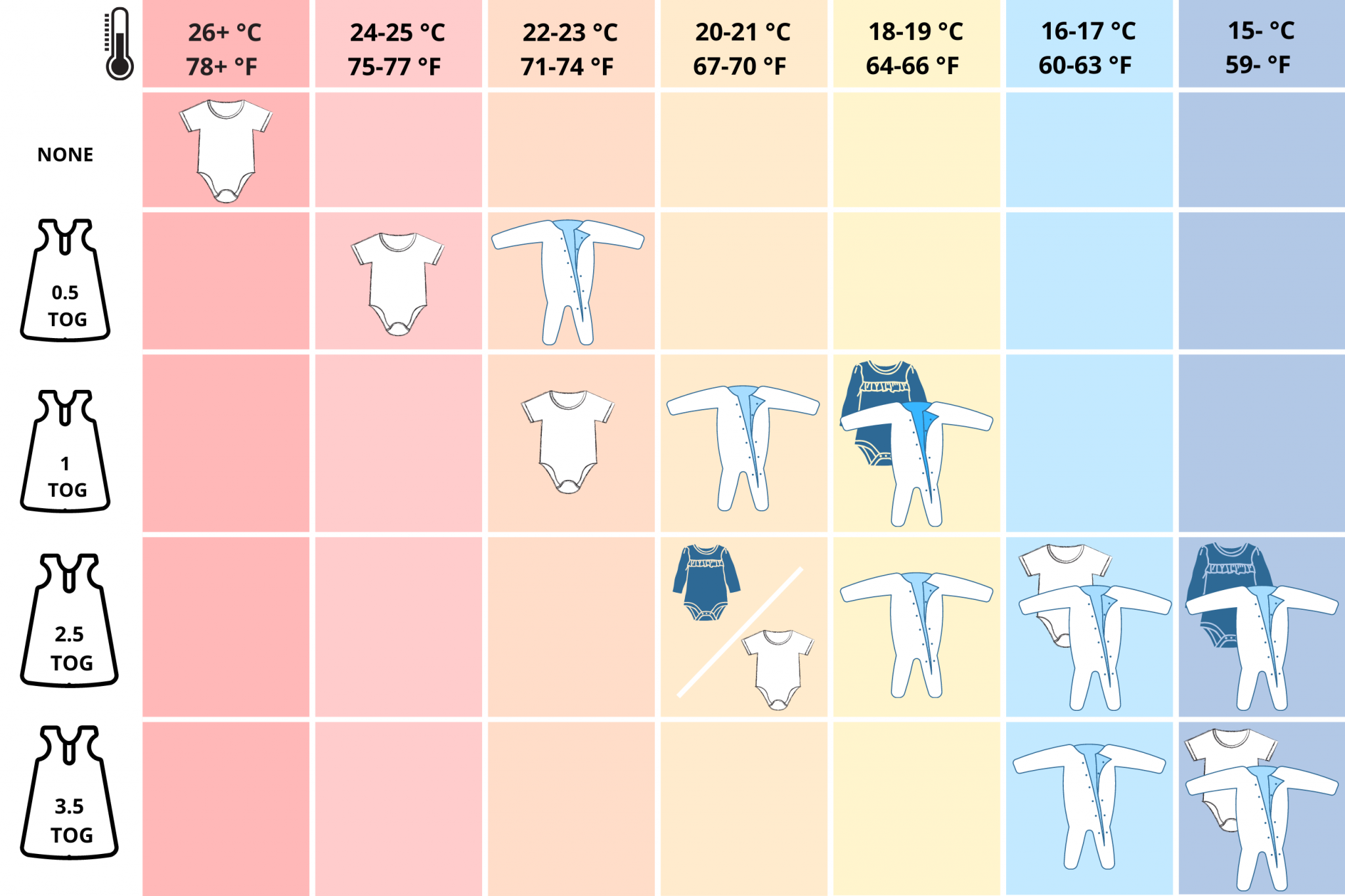
A common misconception about tog rating charts is that they are complex and confusing, but in reality, they are a simple and effective tool for understanding fabric and bedding warmth. This chart, often presented as a visual guide, provides a clear indication of thermal resistance, making it an accessible reference for anyone seeking insulation performance information.
While the exact values and formats may vary depending on standards and regions, the tog rating chart remains a reliable indicator, offering a quick and easy way to compare and choose the right warmth level for your needs. Whether you're looking at bedding or fabric weight, this chart simplifies the process, ensuring an accurate and informed decision.
Understanding the Tog Rating Chart
The tog rating chart is a valuable tool for anyone seeking to understand the warmth and insulation provided by different fabrics and materials. This chart offers a standardized way to measure and compare the thermal resistance of various items, from bedding to clothing. By using the tog scale, you can make informed decisions about the warmth and comfort you need for different seasons and activities.
Comparing Tog Ratings: Standards and Categories
Tog ratings typically range from 1 togo to 15 togs, with each number representing a specific level of warmth. Lower tog values indicate lighter, cooler fabrics, while higher togs signify greater insulation and warmth. The chart often includes categories such as 'Summer', 'Autumn/Spring', and 'Winter', making it easy to choose the right level of warmth for the season. It's important to note that tog ratings can vary slightly depending on the standard used; common standards include the international metric system and specific regional guidelines.
Step-by-Step Guide: Reading the Tog Rating Chart
To read and utilize the tog rating chart effectively, follow these steps:
- Identify the item you want to assess, whether it's a duvet, blanket, or garment.
- Locate the tog rating on the label or packaging. If it's not provided, you may need to contact the manufacturer for this information.
- Refer to the chart and find the corresponding tog value.
- Match the tog value with the appropriate season or activity category. For instance, a tog rating of 4 is suitable for summer, while a rating of 10 is ideal for autumn or spring.
- Consider personal preferences and the specific climate you'll be using the item in. If you tend to feel cold easily, you might opt for a slightly higher tog rating.
Avoiding Misinterpretations: Common Pitfalls
One common mistake is assuming that a higher tog rating always indicates better quality. While a higher tog generally means more warmth, it doesn't necessarily reflect the overall quality or durability of the item. Additionally, some materials, like down, can provide excellent warmth with lower tog ratings due to their natural insulating properties. Always consider the material and construction alongside the tog rating.
Factors Affecting Accuracy: Key Considerations
- Fabric Type: Natural fibers like cotton and wool have different insulating properties compared to synthetic materials.
- Thickness: The physical thickness of the fabric or filling can impact warmth, even if the tog rating is the same.
- Climate: Regional climates and personal preferences can influence the ideal tog rating for a specific item.
- Activity: The level of physical activity and the resulting body heat generation can affect the required tog rating.
Adapting the Tog Rating Chart for Your Needs
While the tog rating chart provides a standardized guide, it's flexible enough to accommodate specific needs. If you require a more precise measurement, you can convert tog ratings to clo values, which are used in the clothing industry. This conversion allows for a more detailed analysis of insulation performance. Additionally, some charts offer sub-categories or variations to account for different fabric types or intended uses, ensuring you find the right fit for your requirements.
Well, there you have it! A comprehensive guide to TOG ratings, covering all the bases. I hope this has been a useful reference for you and has clarified any uncertainties.
Remember, while this guide offers a solid framework, every situation is unique. Double-check your specific needs and ensure you're applying the right TOG rating for your project. Exact values may vary, so always refer back to this chart as a reliable starting point.
Feel free to bookmark this page for future reference. It's always good to have a quick, handy reminder for those moments when you need a refresh on TOG ratings. Happy rating!
Related: How to use the Redken color chart?
You're likely here because you need a quick reference for the color chart Redken offers, a go-to resource for anyone seeking precise hair color guidance. This chart, a trusted tool, provides a straightforward visual guide, helping you navigate the world of hair coloring with ease. It's a simple yet effective way to ensure you achieve the desired shade and tone, whether you're a professional stylist or a home user. With various formats available, from guides to wheels, Redken's color system ensures accuracy and consistency, making it a popular choice for those seeking reliable hair color results.
The Redken Color Chart: A Guide to Hair Color Mastery
The Redken color chart is an essential tool for hair professionals and enthusiasts alike, offering a systematic approach to understanding and achieving desired hair colors. This chart serves as a visual reference, helping you navigate the vast world of hair coloring with precision and confidence.
Key Details and Categories
The Redken color chart typically features a range of hair color options, organized into different levels and tones. These levels indicate the depth or lightness of the color, often ranging from 1 (darkest) to 10 (lightest). Tones, on the other hand, represent the underlying hue, such as neutral, warm, or cool. Additionally, the chart may include various shades and intensities, allowing for a wide array of color possibilities.
Step-by-Step: Reading and Applying the Chart
To use the Redken color chart effectively, follow these steps:
Identify your desired hair color. Consider the level and tone you wish to achieve. For instance, a level 7 with a cool tone might be a vibrant, icy blonde.
Locate the corresponding color on the chart. Redken's charts often provide a visual representation, making it easy to find the right shade.
Choose the appropriate product. Redken offers a range of color gel systems, like Color Fusion or Shades EQ, each with its own unique properties. Select the one that best suits your needs and the level of color change desired.
Follow the product instructions. Each system has specific application and processing times, so ensure you understand these steps to achieve the best results.
Monitor the color development. During the processing time, keep an eye on the color change to ensure you achieve the desired result.
Variations and Differences
It's important to note that hair color results can vary based on several factors. These include the natural hair color and texture, previous color treatments, and even the porosity of the hair. Additionally, different standards and regions may have slight variations in their color charts and product offerings. Always refer to the specific instructions and charts provided by Redken for your region to ensure accuracy.
Common Mistakes and How to Avoid Them
One common mistake is failing to perform a strand test before a full application. This simple step can prevent unexpected results and ensure the color is as expected. Another pitfall is not considering the underlying tone of the hair. For instance, a warm-toned hair may require a different approach than a cool-toned hair to achieve the desired result. Always consult the Redken color chart guide and seek professional advice if needed.
Practical Tips for Accurate Results
To achieve natural-looking results, consider the following tips:
Understand your hair's undertones. Redken's hair color wheel can be a useful tool to identify these.
Start with a lighter level and gradually build up to your desired shade. This approach helps prevent over-processing and ensures a more natural transition.
Use color mixing techniques to create custom shades. Redken's color gel chart provides a guide for mixing different colors.
Maintain regular touch-ups to keep your color fresh and vibrant.
Double-Checking and Handling Exceptions
Always double-check the product instructions and the Redken color chart for your specific region. Some hair types may require special considerations, such as pre-lightening or toning, to achieve the desired color. Consult a professional colorist if you're unsure or encounter any challenges.
Remember, the Redken color chart is a valuable resource, but it's just one tool in your hair coloring journey. With practice and an understanding of your hair's unique characteristics, you can master the art of hair coloring and achieve stunning results.
Remember, the specifics may differ slightly, so always refer to the most relevant and up-to-date sources for your particular needs.
Feel free to explore our other guides for more practical insights and tips. Consider bookmarking this page for a handy reference guide whenever you need a quick refresher on color charts and their applications.