







Pink Organizer Planner Stickers Overview
A violin notes chart is a handy tool for any violinist, offering a quick glance at the notes and their positions. This guide will cover the basics, helping you navigate and utilize this reference effectively.
The chart provides a visual representation of the violin's strings and their corresponding notes. While the standard tuning is a common reference point, it's worth noting that variations can occur, especially with different playing styles and regional traditions.
Understanding the Violin Notes Chart
The violin notes chart is a handy tool for any violinist, offering a visual guide to the notes and their positions on the fingerboard. It's like a map, helping you navigate the strings and find the right notes with ease. This chart is especially useful for beginners, providing a clear reference point as they learn to play.
Comparing Note Patterns and Formats
There are various types of violin notes charts, but the most common format shows the fingerboard with frets or positions marked. Each fret or position corresponds to a specific note. You'll often see charts with different colors or symbols to indicate the notes on each string. Some charts also include finger placement guides, showing you where to position your fingers for each note.
Using the Chart: A Step-by-Step Guide
- First, familiarize yourself with the chart. Understand the layout and how the notes are represented. Each string has its own unique set of notes, so pay attention to the differences.
- Next, locate the open strings. These are the notes played without pressing any fingers on the fingerboard. You'll see them at the top of the chart, typically marked as G, D, A, and E.
- Now, start exploring the notes on each string. Press your finger at the indicated positions to play the corresponding notes. For example, if the chart shows a green circle at the third position on the D string, that indicates the note F#.
- Practice moving between notes smoothly. Try playing scales or simple melodies using the chart as a guide. The more you practice, the easier it will be to memorize the note positions.
- As you advance, you can explore alternative tunings and more advanced techniques. The chart can still be a valuable tool, even for experienced players, as it provides a quick reference for less familiar pieces or new styles.
Common Misreadings and How to Avoid Them
One common mistake is assuming that the chart represents the exact position of your fingers. Remember, it's a guide, and your hand size and finger length may vary. Always adjust the finger placement slightly to find the most comfortable and accurate position for your hand.
Another pitfall is ignoring the context. The chart provides a general guide, but the specific piece you're playing may require slight variations. Always refer to the sheet music or listen to the piece to understand the intended notes and their context.
Factors Affecting Accuracy and Real-World Use
The accuracy of the violin notes chart depends on several factors. Firstly, the chart's scale and size can impact its precision. A larger chart may provide more detail, but it's essential to find a balance between size and portability.
Secondly, the chart's design and formatting can affect its usability. Look for charts with clear, easy-to-read fonts and colors. Avoid overly complex designs that may distract from the main purpose of the chart.
Lastly, remember that the chart is a tool, not a substitute for practice and musical understanding. It's a guide to help you find the right notes, but the real magic happens when you internalize the music and play with expression and feeling.
Hey there! We've covered a lot of ground in this blog post, giving you a comprehensive guide to violin notes charts. Remember, these charts are a handy tool, and while the basics remain the same, you might find slight variations depending on your specific needs and the source you're using.
So, the next time you're practicing or teaching, be sure to bookmark this page for a quick reference. It's always good to have these resources at your fingertips, and we've got plenty more guides to explore, so feel free to dive in and discover more!
Related: What's the AC Pressure Chart All About?
Many folks new to AC pressure charts might assume they're complex and confusing, but they're actually a simple and handy tool. It's a common misconception that these charts are hard to interpret, when in fact, they provide a clear snapshot of your AC system's health.
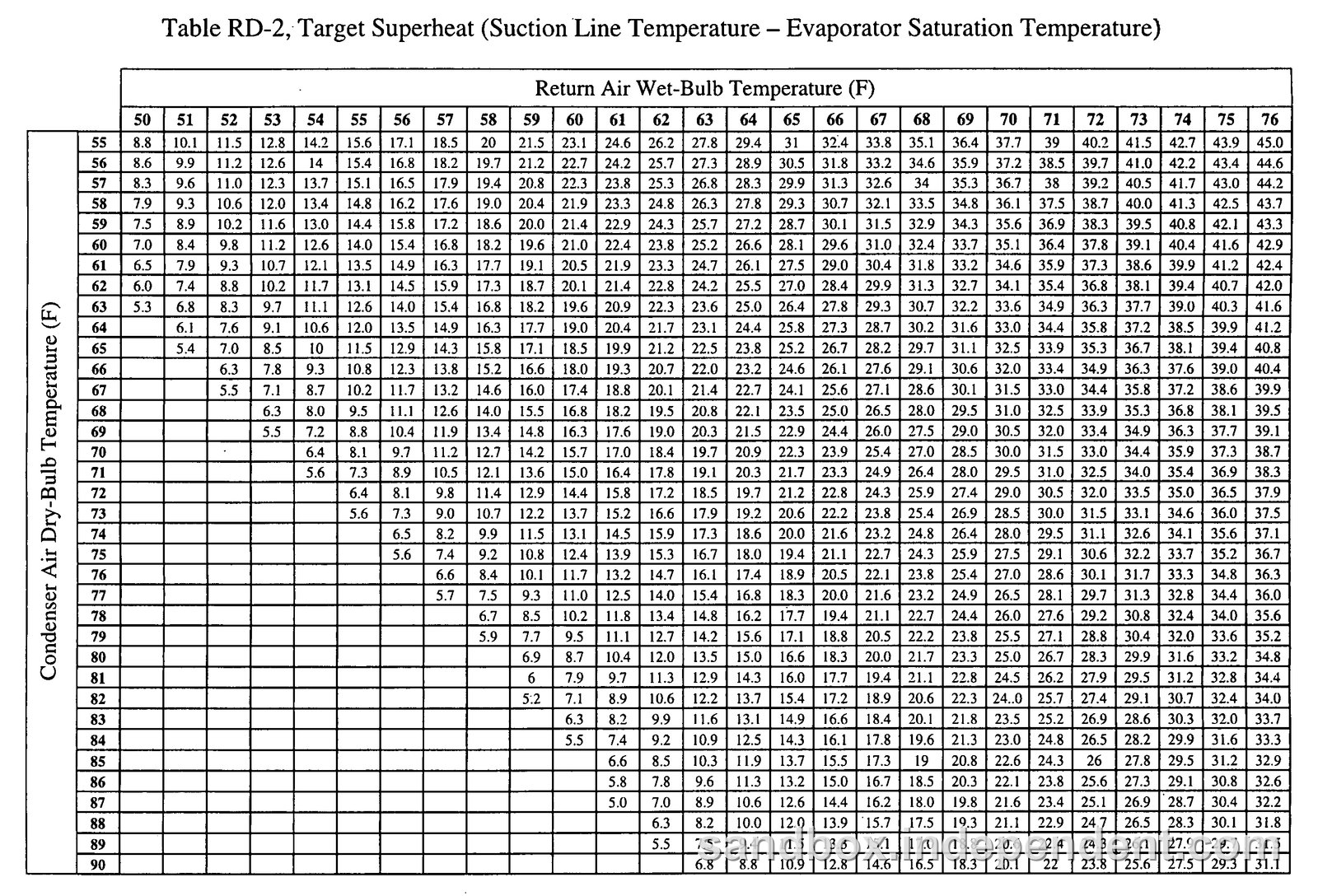
The AC pressure chart is a visual guide, often in table format, that displays pressure readings and their corresponding temperatures. These charts can vary slightly, but they offer a quick way to identify any issues and ensure your AC is running smoothly.
Understanding AC Pressure Charts
An AC pressure chart is a handy tool for anyone working with air conditioning systems. It's a visual representation of the relationship between pressure and temperature, helping you understand the state of your AC system and make informed decisions. These charts are like a map, guiding you through the complex world of AC diagnostics and maintenance.
Key Details and Units
Before diving into the chart, let's cover some basics. The AC pressure chart typically displays pressure readings in two units: psi (pounds per square inch) and kPa (kilopascals). These units measure the force exerted by the refrigerant gas inside your AC system. The chart also shows temperature, often in degrees Fahrenheit or Celsius, which is crucial for understanding the refrigerant's state.
Reading and Applying the Chart: A Step-by-Step Guide
Start by identifying the type of refrigerant used in your AC system. Common refrigerants like R134a or R410A have specific pressure-temperature relationships, so knowing this is essential.
Find the corresponding AC pressure chart for your refrigerant. These charts are readily available online or in AC maintenance manuals.
Locate the pressure reading on the chart. Pressure is usually displayed on the y-axis, with higher values indicating greater pressure.
Next, identify the temperature reading. Temperature is typically on the x-axis, with higher temperatures to the right.
Now, simply trace a line from your pressure reading to the temperature reading. The point where these lines intersect gives you the refrigerant's state.
Interpret the chart reading. If the point falls within the normal operating range, your AC system is likely functioning correctly. However, if it's outside this range, it could indicate an issue.
Variations Across Standards and Contexts
It's important to note that AC pressure charts can vary depending on the standard being used. Different regions and manufacturers may have slight variations in pressure and temperature ranges. Always refer to the specific chart for your AC system to ensure accuracy. Additionally, environmental factors like altitude can affect pressure readings, so be mindful of these variables when interpreting the chart.
Common Mistakes and How to Avoid Them
One common mistake is using the wrong AC pressure chart for your refrigerant type. Always double-check the refrigerant and ensure you have the correct chart. Another pitfall is misinterpreting the chart readings. Remember, the chart provides a snapshot of the refrigerant's state, but it doesn't account for other factors like airflow or system efficiency. Always consider the bigger picture when troubleshooting.
Practical Tips for Accurate Results
When using an AC pressure chart, ensure your AC system is running under normal conditions. This means the system should be operating at full capacity with a steady airflow. Avoid taking readings during start-up or shutdown, as these transient states can provide misleading results. Additionally, ensure your pressure gauge is calibrated and accurate. Even a small error in pressure reading can lead to incorrect interpretations.
Double-Checking and Handling Edge Cases
While AC pressure charts are valuable, they are not foolproof. Always cross-reference your chart readings with other diagnostic tools and your AC system's performance. If you suspect an issue, consider using a pressure-temperature chart or consulting an AC professional. Remember, these charts provide a general guide, but real-world conditions can vary. Always err on the side of caution and seek expert advice when needed.
Remember, while this guide provides a solid foundation, it's always a good idea to check your specific needs and requirements. Exact values can vary, so double-check the standards and sources relevant to your project.
Take a moment to explore our other resources; we've got plenty of practical guides to keep you informed and inspired. Happy reading, and stay tuned for more!
Related: General Contractor Houston Essential Guide
I was looking to get some home improvements done, and I kept seeing "general contractor Houston" pop up in my searches. So, I thought I'd share my findings and what I learned about finding the right person for the job.
What's a General Contractor?
A general contractor is a key player in the construction world. They're like the project manager, overseeing the whole show. From start to finish, they coordinate everything: the builders, the materials, the timing, and the budget. It's their job to make sure your project runs smoothly and stays on track.
So, why would you need one? Well, if you're planning a big home renovation or building project, a general contractor can be a real asset. They have the experience and connections to get the job done efficiently and to a high standard. They'll handle the logistics so you don't have to, and they'll make sure everything is up to code and safe.
Finding and Hiring a General Contractor
When it comes to hiring a general contractor Houston, there are a few things to consider. First, check their credentials and experience. Make sure they're licensed and insured, and ask about their past projects. You want someone with a proven track record and the right skills for your job.
Get quotes from a few different contractors. Compare their prices, but also look at what's included. Some might offer better value by including more services or higher-quality materials. Don't just go for the cheapest option; consider the overall package and what's best for your project.
Company Names and the Industry
Naming a construction business is an art. It needs to be memorable, professional, and reflect the company's values. Some great names I've seen are "BuildStrong", "Renovate Right", and "HomeCrafters". These names are catchy and give a clear idea of what the company does.
When choosing a name, make sure it's unique and available. Check local business registries and domain names to avoid any legal issues or confusion. It's also a good idea to keep it simple and easy to remember.
The Construction Industry and Jobs
The construction industry offers a range of roles, from estimators who calculate costs to project managers who oversee the entire process. These jobs can be found through specialist recruitment agencies or by checking job boards. It's a skilled industry, so expect to see requirements for qualifications and experience.
Data and Tools
In the construction world, tools like RSMeans are essential. RSMeans provides cost data and estimates, helping contractors and businesses plan and budget. It's a valuable resource, used by professionals to ensure accurate pricing and stay competitive.
Large vs. Small Firms
The construction industry has a mix of large and small firms. Larger companies often have more resources and can take on bigger projects, but they might not offer the same personal touch. Smaller firms might be more flexible and responsive, but may have limited capacity. It's a balance between scale and service.
Final Thoughts
Finding the right general contractor Houston is about more than just searching online. It's about doing your research, asking the right questions, and finding someone who understands your vision. With the right contractor, your project can be a success, so take the time to find the best fit.