


Planner Pages For Resume Overview
I was chatting with a friend the other day about home renovations, and the topic of names for construction came up. It got me thinking about all the different aspects of the industry and how important names are in this field. So, let's dive in and explore what this phrase really means and why it matters.
Unraveling the Mystery: What's in a Name?
When it comes to construction, the name of a company or project can say a lot. It's often the first impression you get of a business and can give you an idea of their expertise and services. A good name can make a company stand out and leave a lasting impression. So, choosing the right name is crucial for any construction business or project.
The name should reflect the nature of the work and the company's values. It's a chance to showcase your unique selling point and attract the right clients. For example, a name like "Green Builders" might suggest an eco-friendly approach, while "Renovation Experts" could indicate a focus on home remodeling. The right name can help you find your niche and attract the right opportunities.
Naming Tips and Tricks
Coming up with a great name can be a challenge, but here are a few tips to get you started:
- Keep it simple and memorable. A short, catchy name is easier to remember and can be more effective.
- Consider using a combination of words that describe your business or services. For instance, "Build & Design" or "Remodel Masters."
- Think about your target audience and what they might find appealing. A name that resonates with your ideal clients can be a powerful tool.
- Check for availability and trademark issues. You don't want to choose a name only to find out it's already taken or has legal restrictions.
Here's a short list of some original name ideas to inspire you:
- BuildPro
- Constructo
- HomeCraft
- Renov8
- EcoBuild
- Structure Solutions
Construction Jobs and the Industry
The construction industry offers a wide range of roles and opportunities. From general contractors to estimators and project managers, there are various paths to explore. These jobs involve managing projects, estimating costs, and overseeing the entire building process. It's a dynamic industry with a lot of growth potential.
When it comes to salaries, it depends on the role, experience, and location. Construction jobs can offer competitive wages, and with the right skills and expertise, you can build a successful career. Many opportunities are available in cities like Houston, Atlanta, and San Francisco, where the construction industry is thriving.
Costs and Quotes: A Practical Guide
Understanding costs is essential when it comes to construction. The price of a project can vary greatly depending on factors like size, materials, and labor costs. It's always a good idea to get multiple quotes to compare and ensure you're getting a fair deal.
When comparing quotes, look beyond the price. Consider the scope of work, the company's reputation, and their experience. A lower price might not always be the best option if it means cutting corners or using lower-quality materials. Ask for references and check their previous work to get a sense of their quality and reliability.
Data and Tools: Behind the Scenes
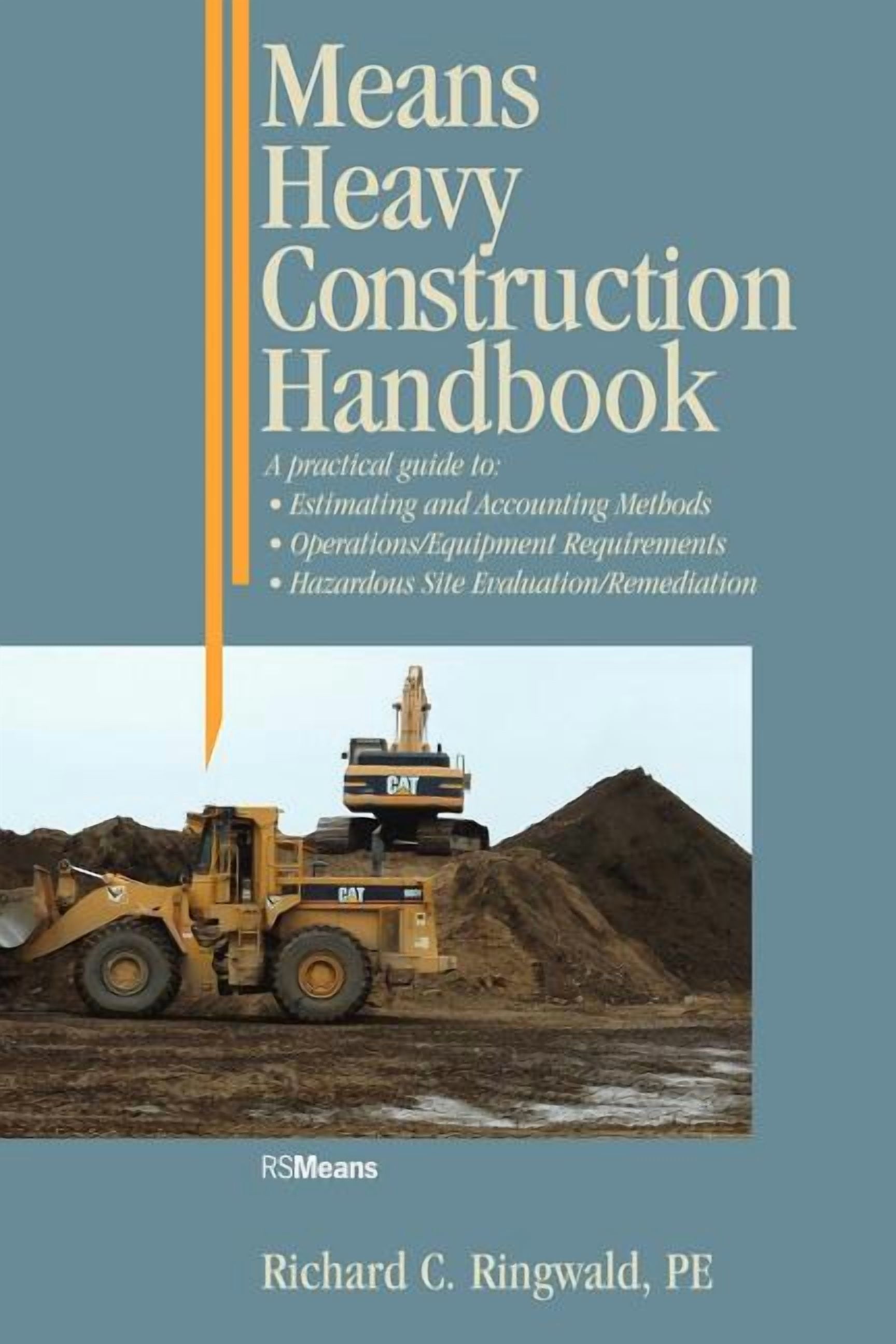
In the construction industry, tools like RSMeans provide valuable data and cost estimates. These resources help professionals make informed decisions and plan projects effectively. RSMeans, for example, offers cost databases and escalation tools to account for potential price changes. It's a useful resource for contractors and estimators.
Wrapping Up
So, there you have it! Names for construction might seem like a simple phrase, but it covers a lot of ground. From naming your business to understanding the industry and its costs, there's a lot to consider. I hope this has given you some insights and inspired you to explore further. Remember, the construction industry is full of opportunities, and a great name can be your first step towards success.
Related: RSMeans Estimating Essential Guide For Builders
RSMeans estimating... it's a term I've come across recently, and I was curious to know more. As someone who's dabbled in home renovations and heard about construction projects, I wanted to understand what this phrase means and how it relates to the world of building and remodeling. So, let's dive in and uncover the secrets behind RSMeans estimating!
Unraveling the Mystery: What is RSMeans Estimating?
RSMeans estimating is a tool, a resource, and a method used by construction professionals to estimate the costs and pricing of various projects. It's like a handy guide that helps builders, contractors, and even homeowners like me make informed decisions. This estimating process considers factors like labor, materials, and the overall scope of the work to provide an accurate cost estimate.
For those of us considering a home renovation, understanding RSMeans estimating can be a game-changer. It empowers us to compare quotes, ensure we're getting a fair deal, and make smart choices about our projects. Whether it's a bathroom renovation or a full-scale house addition, having a reliable estimate is crucial.
Hiring the Right Contractor: A Guide
When it comes to hiring a contractor for your project, RSMeans estimating can be a valuable tool. It helps you evaluate quotes and understand the breakdown of costs. Here's a simple guide:
- Check the contractor's experience and reputation.
- Ask for references and read reviews.
- Get multiple quotes and compare them.
- Ensure the quote covers all aspects of the job.
- Look for transparency and clear communication.
A good quote should detail the work, materials, and labor costs. It should also include any potential additional expenses, like permits or unexpected issues. Remember, it's not just about the lowest price; it's about finding a reliable and skilled contractor who understands your vision.
Construction Business Names: A Creative Challenge
Naming a construction business is an art! It's a chance to be creative and leave a lasting impression. A great name should be memorable, reflect your company's values, and stand out in a competitive market. Here are a few ideas:
- BuildCraft
- HomeWorkz
- SkyRise Solutions
- EarthMovers
- Brick & Mortar Pros
- BuildTech Innovations
Before settling on a name, check its availability for domains and local registration. You want to ensure your business name is unique and can be easily found online.
The World of Construction Jobs
The construction industry offers a wide range of roles, from estimators to project managers and skilled laborers. Estimator jobs, for instance, involve using tools like RSMeans to calculate costs accurately. These professionals are in demand and play a crucial role in the success of projects.
If you're interested in construction jobs, explore online job boards, local newspapers, and industry-specific websites. Many construction companies also advertise directly on their websites, so it's worth keeping an eye out for openings.
RSMeans: A Powerful Tool for Professionals
RSMeans is a trusted resource in the construction industry. It provides cost databases, escalation data, and cost indexes, helping professionals make informed decisions. Whether you're a general contractor or a remodeling company, RSMeans estimating offers valuable insights.
This tool is especially useful when planning projects, as it helps anticipate costs and stay within budget. It's a go-to resource for many in the industry, providing accurate and up-to-date information.
Big vs. Small: The Construction Industry Landscape
The construction industry is diverse, with both large corporations and small, local businesses. Large firms often have the resources to take on major projects and offer a wide range of services. They may have a broader reach and access to more specialized skills.
Small businesses, on the other hand, can provide a more personalized experience. They often have a strong local presence and can offer competitive pricing. When choosing a company, consider your project's scope and your preferences for size and expertise.
In conclusion, RSMeans estimating is a valuable tool for anyone involved in construction, remodeling, or building projects. It empowers us to make informed decisions, compare costs, and ensure a successful outcome. So, whether you're in Atlanta, Baltimore, or San Francisco, RSMeans estimating is a resource worth exploring!
Related: Need a Tide Chart for Seattle?
A tide chart Seattle is a handy tool for anyone wanting to explore the city's waterways or plan marine activities. This guide will cover the basics, helping you understand and utilize these charts effectively.
Tide chart Seattle and similar resources provide essential information on tide times, water levels, and sea conditions. They offer a quick reference, ensuring you're prepared for your next adventure on the water. While formats may vary, the core data remains a valuable asset for sailors, anglers, and beachgoers alike.
Understanding the Data: A Quick Overview
The tide chart for Seattle provides a handy reference for predicting water levels and tidal movements in the area. It's an essential tool for anyone interested in marine activities or wanting to understand the city's tide heights. This chart offers a visual representation of how the tide times and water levels will change over a given period, typically a day or a few days.
Comparing Formats: Standard vs. Customized Charts
There are two main types of tide charts: standard and customized. Standard charts are widely available and provide a general overview of tidal patterns. These are great for getting a quick sense of the tide times and water levels in an area. Customized charts, on the other hand, offer a more detailed and specific view. These are tailored to a particular location and can account for local factors that may influence tidal behavior.
Step-by-Step: Reading Your Tide Chart Seattle
To read your tide chart Seattle, follow these simple steps:
Identify the Date and Time: The chart will have a date and time scale. Ensure you're referring to the correct day and time for your planned activity.
Locate the Tide Height Indicator: This is usually a line or curve on the chart. It will show you the predicted tide height at different times throughout the day.
Understand the Scale: The vertical axis represents tide height, often measured in feet or meters. Ensure you're using the correct unit of measurement for your chart.
Read the Tide Times: The horizontal axis shows the time of day. Markings indicate when the tide will be at its highest or lowest points, known as high and low tides.
Plan Your Activities: With the tide times and water levels in mind, you can now plan your marine activities accordingly.
Common Misreadings and How to Avoid Them
It's easy to misinterpret a tide chart if you're not familiar with its format. Here are some common mistakes and how to avoid them:
Confusing High and Low Tides: Ensure you understand which direction the tide is moving. A rising tide means the water level is increasing, while a falling tide indicates a decrease.
Misinterpreting the Scale: Always double-check the units of measurement. A mistake here can lead to significant errors in your planning.
Assuming Accuracy: Tide charts are predictions based on historical data and models. Actual tidal behavior can vary due to weather conditions and other factors. Always check the latest marine forecasts for up-to-date information.
Factors Affecting Accuracy: Weather and More
The accuracy of your tide chart Seattle can be influenced by several factors:
Weather Conditions: Strong winds, storms, and other weather events can cause significant variations in tidal behavior. Always check the latest weather forecasts.
Local Geography: The shape of the coastline and nearby landmasses can affect tidal patterns. This is why customized charts can be more accurate for specific locations.
Moon Phases: The gravitational pull of the moon influences tides. Full and new moon phases often bring higher tide heights and stronger currents.
Choosing the Right Format: Standard or Customized?
When selecting a tide chart Seattle, consider your specific needs:
If you're a casual user or just need a general overview, a standard chart will suffice. These are widely available and easy to interpret.
For more detailed planning, especially if you're engaging in marine activities like boating or fishing, a customized chart is ideal. These account for local factors and can provide more accurate predictions.
Keeping Your Setup Reliable for Next Time
To ensure you have reliable tidal data for future reference:
Save Your Chart: Keep a copy of your tide chart Seattle for future use. This way, you can quickly refer to it without having to search for a new one.
Check for Updates: Tide charts are based on historical data and predictions. For the most accurate information, ensure you're using the latest available data. Check for updates regularly, especially if there have been significant weather events or changes in the local environment.
Learn from Experience: If you notice any significant discrepancies between your chart's predictions and actual tidal behavior, take note. This can help you better understand local factors and improve your future planning.
Well, there you have it! We've covered a lot of ground, from understanding the basics to ensuring accuracy and adapting to your needs. Remember, the key is to find a format that works best for your specific situation, and don't be afraid to make adjustments as you go.
The world of tide charts is an ever-evolving one, so feel free to explore and discover what works best for you. If you're keen to learn more about other practical topics, we've got a whole range of guides waiting for you to dive into. Happy exploring!