









Planner Stickers Etsy Overview
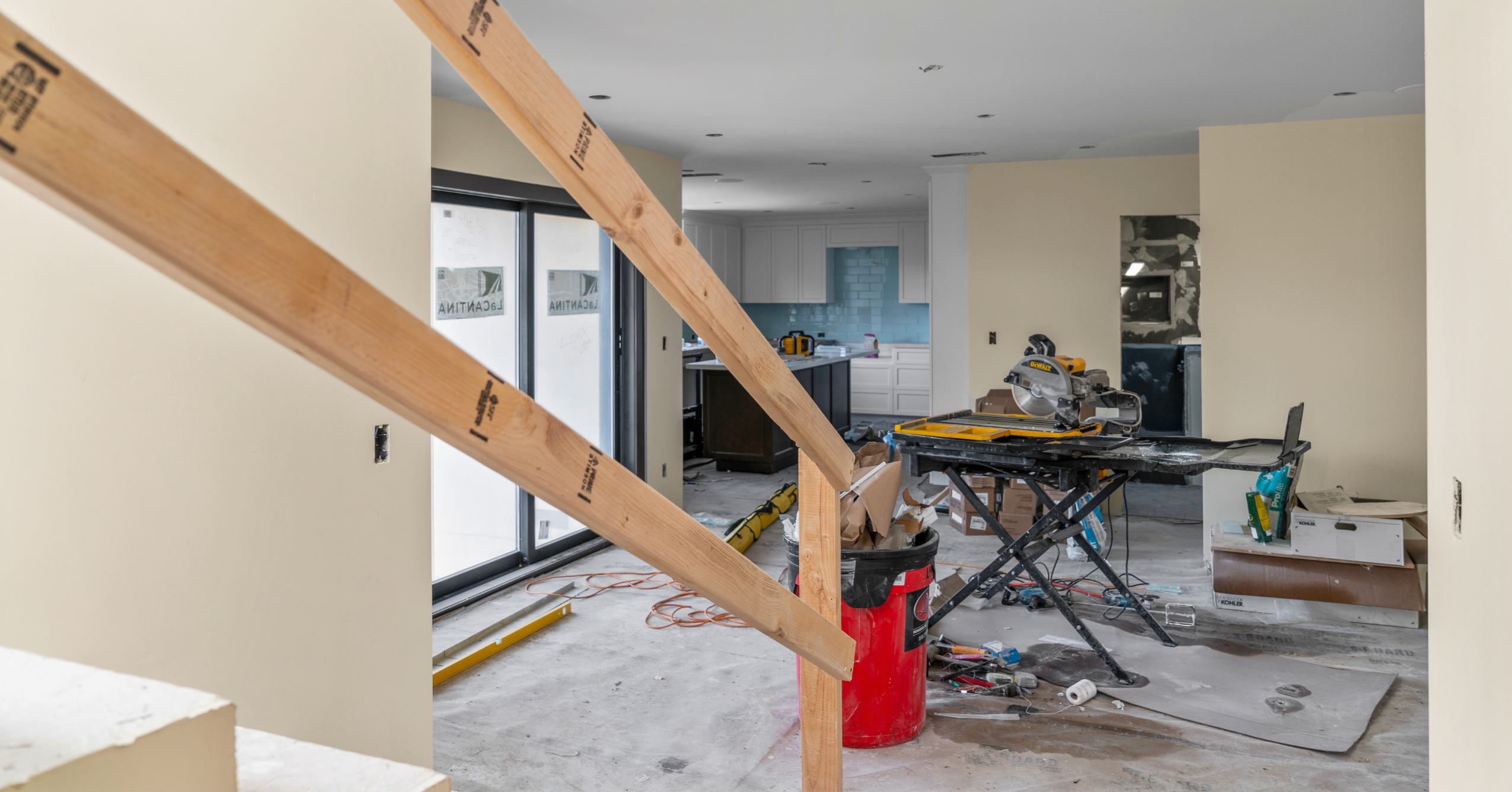
I just got home from work, and as I walk through my house, I can't help but think about how much I'd love to give it a whole new look. Whole house remodeling is on my mind, and I'm curious about the process and what it entails. It's an exciting prospect, but also a big undertaking, so I want to make sure I understand the ins and outs before diving in.
What Does Whole House Remodeling Mean?
Whole house remodeling is exactly what it sounds like: a complete transformation of your home. It's not just about updating one room or making small changes here and there. This type of project involves a major overhaul, where you can redesign and renovate every aspect of your living space. From the kitchen and bathrooms to the bedrooms and living areas, every room can get a fresh, modern look. It's a chance to create a home that truly reflects your style and meets your functional needs.
When considering whole house remodeling, it's important to think about the scope of the project. Do you want to change the layout and add new features, or is it more about updating the aesthetics and making everything look cohesive? The scale of your project will impact the cost and the length of time it takes to complete.
Finding the Right Contractor
One of the biggest decisions you'll make is choosing a contractor or building company. It's crucial to find someone who understands your vision and can bring it to life. Before hiring, ask for references and examples of their previous work. You want to ensure they have experience with projects similar to yours and that their style aligns with your own.
Get quotes from multiple contractors to compare prices and services. Make sure the quotes are detailed, outlining the work to be done, the materials to be used, and the estimated timeline. This will help you understand the costs and give you a sense of the contractor's organization and attention to detail.
Construction Jobs and Industry Tools
The construction industry offers a range of jobs, from general contractors and project managers to estimators and skilled tradespeople. Estimators, for example, use tools like RSMeans to calculate costs accurately. This data is essential for providing realistic quotes and managing projects effectively.
Large construction companies often have specialized teams and can take on more complex projects. They may have access to advanced tools and technologies, but that doesn't mean smaller companies can't deliver excellent results. It's all about finding the right fit for your whole house remodeling project.
Company Names and Branding
When starting a construction business, choosing a name is an important step. It should be memorable, reflect the nature of your work, and stand out in a crowded market. Some examples of unique and catchy names could be:
- BuildBright
- Crafted Spaces
- HomeRevamp
- Renova
- Constructo
Before finalizing a name, check its availability for domains and local business registration to avoid any legal issues.
Final Thoughts
Whole house remodeling is a significant investment, but it can transform your living space and enhance your daily life. It's an exciting process, and with the right planning and the help of a skilled contractor, you can achieve the home of your dreams. So, if you're thinking about taking on a whole house remodeling project, start by doing your research and getting those quotes!
Related: Read the Nail Shape Chart: A Simple Guide
You've probably come across the nail shape chart and are keen to explore its practical uses. This handy reference tool is a great way to discover and understand the different nail shapes and their names. It's a simple yet effective guide, offering a visual representation of various nail shapes, which can be a real asset when you're looking for inspiration or wanting to communicate your nail preferences clearly. While the chart provides a great starting point, it's worth noting that nail shape names and trends can vary, so it's always fun to explore and find your favorite!
Understanding the Nail Shape Chart
The nail shape chart is a handy reference tool for anyone interested in nail care and design. It provides a visual guide to different nail shapes and lengths, offering a simple way to communicate your desired nail look to a nail technician or to achieve consistent results at home. This chart is a great starting point for nail enthusiasts and professionals alike.
Key Details and Categories
The nail shape chart typically features a range of standard nail shapes, including classic options like square, oval, and almond, as well as more unique styles like coffin, stiletto, and mountain peak. Each shape is represented by a visual icon or illustration, making it easy to identify and choose your preferred style. Additionally, the chart often includes a measurement guide, showing common nail lengths and their corresponding sizes. These measurements are usually in millimeters or inches, depending on the standard used.
How to Read and Apply the Chart
Using the nail shape chart is straightforward. First, identify the shape you desire by matching it to the visual icons on the chart. Then, refer to the measurement guide to choose the length that suits your preferences and nail type. You can either communicate these choices to your nail technician or use the chart as a guide when shaping your nails at home. If you're unsure about the best shape for your nails, the chart can also inspire new looks and help you experiment with different styles.
Variations and Differences
It's important to note that while the nail shape chart provides a great starting point, variations can occur due to different standards and personal preferences. For instance, the exact measurements for each shape and length may vary slightly between charts, especially when comparing US and international standards. Additionally, individual nail technicians might have their own unique interpretations and techniques, leading to subtle differences in the final nail shape.
Common Mistakes and How to Avoid Them
One common mistake is relying solely on the chart without considering your nail type and personal comfort. It's essential to choose a shape and length that complements your natural nail bed and overall hand shape. Additionally, be mindful of your daily activities and lifestyle; certain shapes and lengths may be more practical or comfortable for your routine. Always consider these factors to ensure you achieve a look that suits your needs and preferences.
Tips for Accurate Results
To ensure accurate results when using the nail shape chart, it's crucial to measure your nails regularly, especially if you're growing them out or maintaining a specific length. This helps you stay consistent and achieve the desired look. Additionally, invest in good-quality nail files and buffers to shape and smooth your nails effectively. Practice makes perfect, so don't be afraid to experiment and find the techniques that work best for you. Remember, the nail shape chart is a guide, and with practice, you'll develop your own nail shaping skills.
Hey there! I hope this nail shape chart has given you a clear understanding of the different options and how to achieve your desired nail look. Remember, while the basics remain the same, the exact details might vary slightly depending on the context and your personal preference.
It's always a good idea to bookmark this page for future reference, especially when you're trying out new nail shapes or designs. You'll find it's a handy tool to have on hand!
Related: Understanding NHL Depth Charts
NHL depth charts are an essential tool for any hockey enthusiast or professional, offering a clear and concise visual representation of a team's lineup and player positions. This guide will navigate you through the world of NHL depth charts, covering their purpose, structure, and how to interpret them effectively. With these charts, you'll gain a deeper understanding of ice hockey formations and team strategies, whether you're a casual fan or a coach seeking an edge.
Understanding NHL Depth Charts: A Practical Guide
NHL depth charts are a crucial tool for ice hockey enthusiasts and analysts, offering a visual representation of a team's player lineup and strategy. These charts provide an insightful glimpse into the forward lines, defense pairings, and player positions that define a team's on-ice presence.
Comparing Chart Formats and Standards
NHL depth charts can vary in format and detail, but they typically follow a standard structure. The most common format presents a visual grid or table, with columns representing the different player positions and rows indicating the lines or pairings. Each cell displays the player's name and sometimes additional stats or roles.
Different leagues or regions may have slight variations in the categories or labels used, so it's essential to understand the specific standard being employed. For instance, the NHL roster might be divided into four forward lines and three defense pairings, while other leagues might opt for different configurations.
Reading and Interpreting NHL Depth Charts
To read an NHL depth chart accurately, follow these steps:
Identify the player positions: The chart should clearly label the positions, such as left wing, center, right wing, and defense.
Understand the lines and pairings: Pay attention to the rows or groups of players, indicating the forward lines or defense pairings. Each line or pairing works together as a unit on the ice.
Note the player names: The chart displays the names of the players in each position, often with their jersey numbers. This information helps identify the specific players and their roles.
Consider additional stats (optional): Some charts include extra columns for stats like goals, assists, or ice time. These can provide valuable insights into a player's performance and role within the team.
Common Misreadings and How to Avoid Them
One common pitfall is mistaking a player's position for their role within the lineup. For example, a center listed on the depth chart might not always play as the primary offensive threat; their role could be more defensive-minded, depending on the team's strategy.
To avoid such misreadings, consider the context and the team's overall strategy. Pay attention to any notes or explanations accompanying the depth chart, as they can provide valuable insights into the coach's intentions.
Factors Affecting Depth Chart Accuracy
Injury impact: Injuries can significantly influence a team's lineup, often leading to unexpected changes in the depth chart.
Opponent strategy: The depth chart may vary based on the opponent's playing style and strengths. A team might adjust their lineup to counter specific threats.
Player performance: Consistent underperformance or exceptional play by certain players can prompt coaches to shuffle the depth chart, ensuring the best players are utilized effectively.
Team tactics: Different coaches employ various strategies, which can lead to unique depth chart configurations. Some favor a more balanced approach, while others might load their top line with talent.
Adapting NHL Depth Charts for Specific Needs
While standard NHL depth charts offer a comprehensive overview, they might not suit every analysis or scenario. Here are some variations to consider:
Simplified charts: For a quick glance, a basic depth chart with just player names and positions can be sufficient.
Detailed charts: Analysts might prefer more intricate charts with additional stats, ice time, or special teams assignments.
Customized charts: Coaches and managers can create personalized depth charts, highlighting specific tactics or player roles relevant to their strategy.
Remember, the key is to choose a depth chart format that aligns with your specific needs and provides the most valuable insights for your analysis or decision-making process.
Depth charts are a valuable tool, offering a quick snapshot of the options and their unique strengths. Remember, the key is to find the format that suits your needs and context.
Take some time to review the specific requirements and consider any unique factors that might influence your choice. With a clear understanding, you can ensure the depth chart serves its purpose effectively.
Feel free to explore our other guides and resources; we have a range of practical topics to discover and learn from. Happy reading!