





Planner Stickers On Cricut Overview
You're here because you need a quick fix, a reliable source to refer to when it comes to spices and their measurements. Well, look no further than the Spice T Chart! It's a handy tool that simplifies the often confusing world of spice quantities. This chart is your go-to guide, offering a visual representation of spice measurements, ensuring your dishes are perfectly seasoned every time. Whether you're a cooking novice or a pro, having this reference can make all the difference.
What is a Spice T Chart?
A spice chart is a handy reference tool for anyone who loves to cook or wants to explore the world of spices. The Spice T Chart is a visual guide that helps you understand the heat intensity and flavor profiles of various spices. It's like having a spice expert right in your kitchen!
Key Details and Categories
The Spice T Chart typically features a range of common spices, organized by their heat level and flavor characteristics. You'll find spices like chili peppers, paprika, cumin, and many more. Each spice is assigned a heat rating, often on a scale of 1 to 10 or using a simple heat indicator like mild, medium, or hot. Additionally, the chart provides a brief description of the spice's flavor, including its aroma and any unique qualities.
How to Read and Use the Spice T Chart
Using the Spice T Chart is a breeze! Here's a simple step-by-step guide:
Identify the Spice: Look for the spice you want to use or explore on the chart. It's usually listed by name or with a small illustration.
Check the Heat Rating: Locate the spice's position on the heat scale. This will give you an idea of how spicy it is. A higher number or a 'hot' indicator means a more intense heat level.
Explore Flavor Notes: Read the description provided for each spice. This will help you understand its unique flavor profile, including any dominant aromas or tastes.
Choose and Experiment: Now you can confidently select spices for your dish! Consider the heat level and flavor notes to create a balanced and delicious meal.
Variations and Differences
It's important to note that spice charts can vary depending on the source and intended audience. Different regions and cuisines may have their own spice preferences and intensity scales. For example, a chart designed for Indian cuisine might emphasize certain spices and heat levels that are less common in other cuisines. Always check the source and intended use of the Spice T Chart to ensure it aligns with your culinary goals.
Common Mistakes and How to Avoid Them
One common mistake is assuming that all chili peppers or spice blends will have the same heat level. In reality, even within a single type of chili pepper, there can be significant variations in heat intensity. Always refer to the specific heat rating on the Spice T Chart and consider trying a small amount first to gauge the spice's true heat. Additionally, be mindful of the freshness of your spices. Old spices may have lost some of their potency, so adjust the quantity accordingly.
Practical Tips for Accurate Results
To get the most out of your Spice T Chart, consider the following tips:
- Start with a small amount of spice and gradually increase to find the perfect balance.
- Fresh spices can have more intense flavors, so adjust your quantities if using fresh ingredients.
- Experiment with different spice blends to create unique flavor profiles.
- Keep your Spice T Chart handy in the kitchen for quick reference.
- If you're trying a new spice, research its traditional uses and cultural significance to understand its role in various dishes.
Remember, the Spice T Chart is a guide, and cooking with spices is an art. Have fun exploring the world of spices and creating delicious, flavorful dishes!
Well, there you have it! The spice t chart is a handy tool, and with these tips, you should feel confident using it. Remember, always check the specific guidelines or standards relevant to your project, as exact values may differ slightly.
This chart is a great reference, so be sure to keep it close by and bookmark this page for future use. Happy spicing!
Related: Largest Construction Firms in the World Essential Guide
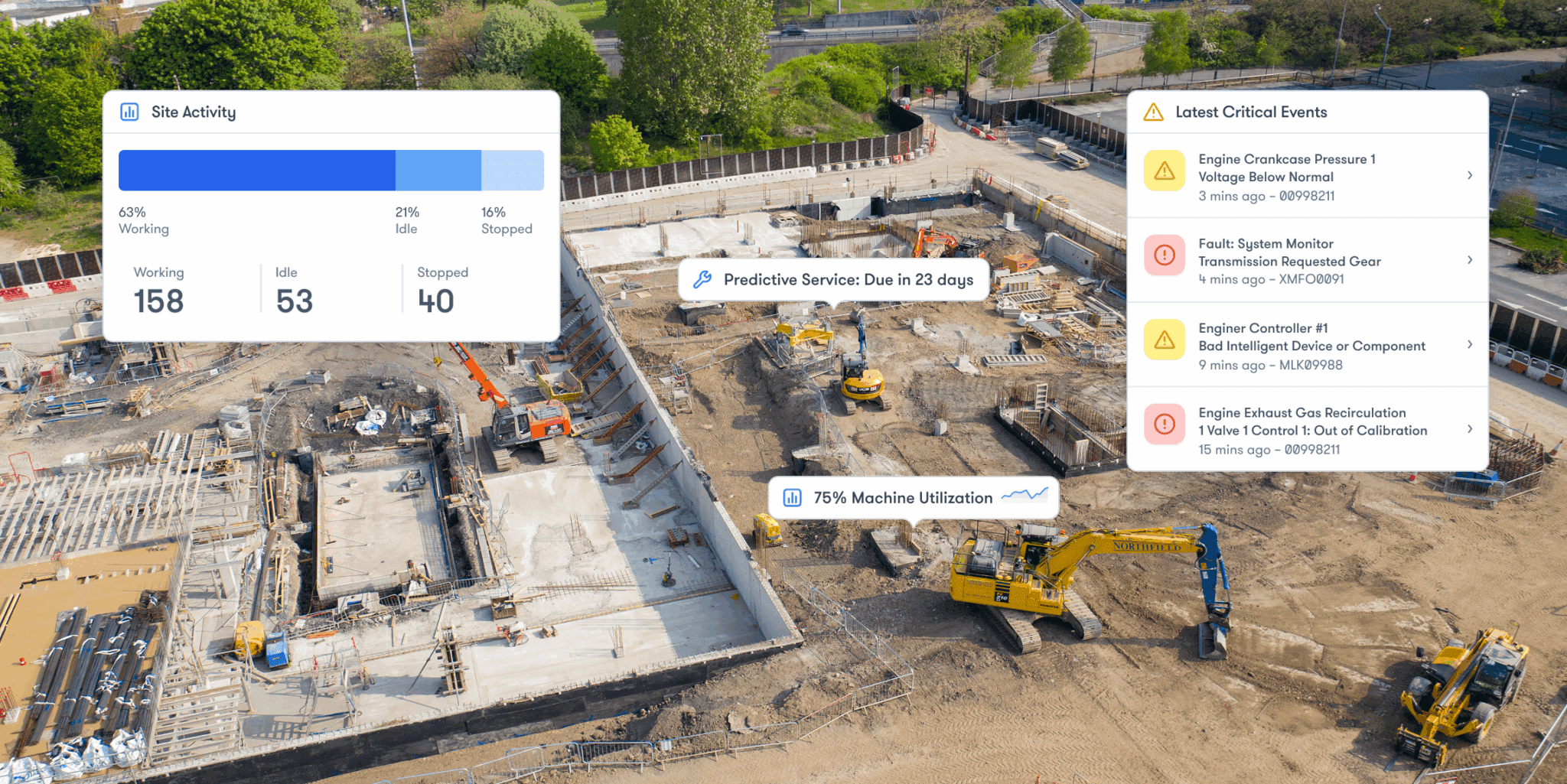
I was walking through my neighborhood the other day, and I couldn't help but notice all the construction going on. It got me thinking about the largest construction firms in the world and how they operate on such a massive scale. So, I decided to do some research and share my findings with you all!
The Big Picture
When we talk about the largest construction firms in the world, we're referring to the companies that take on some of the most ambitious and complex projects globally. These firms have the resources, expertise, and reach to handle everything from high-rise buildings to major infrastructure developments. They are the go-to for governments, corporations, and even other smaller construction companies when the project is too big to handle alone.
What Makes Them So Large?
The size and success of these firms often come down to a few key factors. Firstly, they have the financial muscle to take on large-scale projects and the ability to secure funding for these ventures. This financial strength allows them to invest in the latest technology and equipment, ensuring they stay at the forefront of the industry.
Secondly, they have a vast network of skilled professionals and subcontractors. This means they can assemble a team with the right expertise for any project, no matter how specialized the skills required.
Lastly, these firms have a proven track record and a reputation for delivering projects on time and within budget. This reliability is key to securing future work and expanding their portfolio.
Practical Considerations
If you're considering hiring one of these firms for a project, there are a few things to keep in mind. Firstly, ensure you get a detailed, written quote that outlines all costs and potential additional expenses. These firms are often dealing with large-scale projects, so the scope can change, and additional costs may arise.
It's also worth checking their past projects and client testimonials to ensure they have a good track record and a style that aligns with your vision. Don't be afraid to ask for references and speak to previous clients about their experience.
Naming and Branding
The names of these firms often reflect their size and scope. They tend to be straightforward and easy to remember, often incorporating the founder's name or a word that reflects their core business. For example, "Global Construction Co." or "Johnson Builders."
If you're thinking of starting your own construction firm, choosing a name that is unique, memorable, and reflects your business values is essential. Here are a few ideas to get you started:
- BuildTech Solutions
- SkyRise Construction
- Earthworks Group
- Constructo International
- HomeFront Builders
- Urban Development Corp.
Remember to check the availability of the name, domain, and local registration before finalizing your choice.
Wrapping Up
Exploring the world of the largest construction firms is fascinating, and it's a reminder of the scale and impact of the construction industry. These firms are the backbone of many major developments and play a crucial role in shaping our world.
If you're interested in learning more, I'd recommend checking out some of their past projects and the tools they use, like RSMeans, to get a better understanding of the industry. It's a vast and ever-evolving field, and there's always more to discover!
Related: Find Your Perfect Jean Size with Our Chart
You've likely found yourself searching for a jean size chart at some point, whether it's to double-check a size before ordering online or to understand the measurements listed on a clothing tag. These charts are a handy tool, offering a quick reference for finding your perfect fit, and they can vary slightly depending on the brand and region. With a simple glance, you can navigate the world of denim sizing, ensuring you always get the right pair of jeans.
Understanding Size Charts: A Guide to Jean Sizing
The jean size chart is a handy tool that simplifies the process of finding your perfect fit in denim. This chart provides a standardized way to determine your jean size, making it easier to shop for jeans, both in-store and online. It offers a quick reference for waist and hip measurements, ensuring you choose the right size for your body.
Comparing Standards and Formats
Jean size charts can vary depending on the region and manufacturer. The most common standards are the US and international (metric) systems, each with its own set of measurements and size labels. US sizes are often based on waist size, while international sizes may use a combination of waist and hip measurements. It's essential to know which standard a chart follows to ensure accurate sizing.
Step-by-Step Guide: Measuring for Jeans
To use a jean size chart accurately, follow these steps:
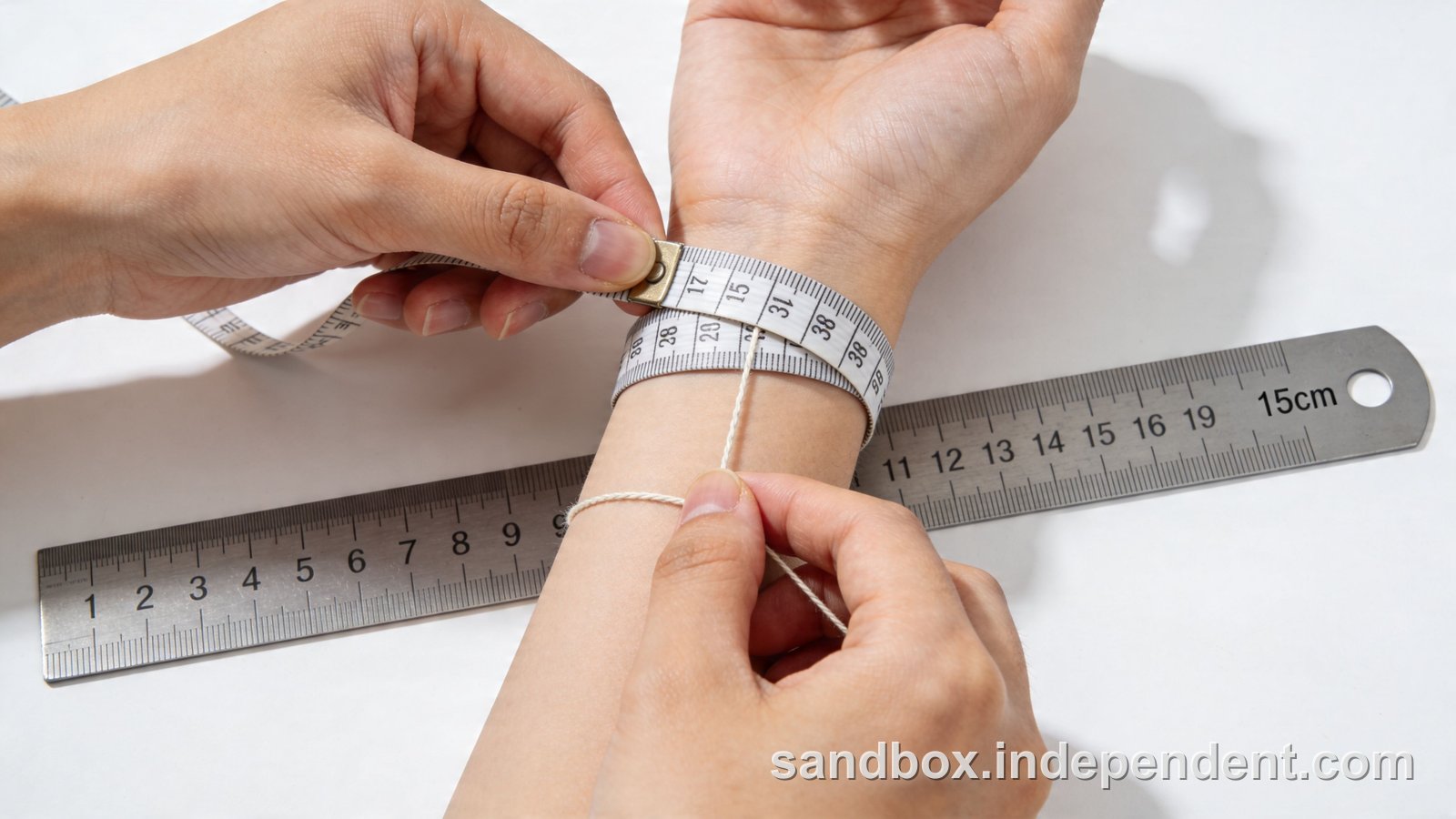
- Gather a measuring tape and stand in a comfortable position. Ensure the tape is straight and not twisted.
- Measure your waist at the narrowest point, usually just above your belly button. This is your waist size.
- Optionally, measure your hip at its widest point, typically around the hip bones. This measurement is crucial for a precise fit, especially for curvier figures.
- Refer to the jean size chart and locate your waist size. Some charts may also provide a hip size range for each waist size, ensuring a better fit.
- Choose the size that corresponds to your measurements. If your waist and hip measurements fall into different size categories, select the size that accommodates your hip measurement to ensure comfort and a flattering fit.
Avoiding Misreadings and Pitfalls
One common mistake is assuming all jean size charts are universal. Always check the standard and units used on the chart. For instance, a US size 8 may not align with an international size 8. Additionally, remember that jeans can stretch over time, so consider choosing a size that feels slightly snug initially.
Factors Affecting Accuracy
Several factors can influence the accuracy of a jean size chart. Firstly, body shape and proportions vary greatly, so a single chart may not cater to all body types. Secondly, denim fabric can stretch and shrink, especially with frequent wear and washing. To account for this, some charts provide a size range or suggest choosing a size down for a more tailored look. Lastly, manufacturing variations can lead to slight size discrepancies between brands. Always refer to the brand's size guide for specific tolerances.
Adapting the Chart for Your Needs
If you prefer a more tailored fit, consider using a pant size calculator or a detailed clothing size chart that considers multiple body measurements. These tools offer a precise fit by accounting for various body dimensions. Alternatively, for a quick and convenient option, stick to the standard jean size chart, which provides a good starting point for finding your size.
Well, there you have it! A comprehensive guide to jean sizes, covering all the bases and offering a practical solution for your sizing needs.
Remember, while this chart is a fantastic tool, it's always wise to double-check your specific requirements and context. Exact values can vary, so ensure you're using the right standards and measurements for your situation. With this guide, you're well-equipped to navigate the world of jean sizes confidently.
Consider bookmarking this page for future reference; it'll be a handy resource whenever you need to size up your denim game!