



Planner Template For Kindle Scribe Overview
A common mistake when dealing with socket size charts is assuming they are universal. While these charts are incredibly useful, it's important to understand that they can vary depending on your location and the specific standards you're working with.
So, when you're tackling a project, whether it's a simple home repair or a more complex task, referring to the right socket size chart is key. These charts provide a quick and accurate way to identify the right tool for the job, ensuring you don't end up with a metric socket when you need an imperial one!
Understanding Socket Size Charts
Socket size charts are your practical guides to choosing the right socket for the job. They provide a clear, visual reference for different socket sizes, helping you select the correct tool for your needs.
Key Details and Units
These charts typically display socket sizes in either metric or imperial measurements, depending on the standard being used. The metric system is widely adopted internationally, while the imperial system is more common in certain regions like the United States. The chart will list socket sizes in these units, often in millimeters (mm) or inches (in).
Reading the Chart: A Step-by-Step Guide
- Identify the measurement system: Determine whether your chart uses metric or imperial measurements. This is crucial as it affects the size categories and conversions.
- Locate the size category: Look for the specific size you need. Socket size charts often list sizes in ascending or descending order, making it easy to find the right one.
- Note the dimensions: The chart will provide the inner and outer dimensions of the socket. These are critical for ensuring a proper fit with your fastener or tool.
- Consider the drive size: Socket size charts may also include information about the drive size, which is the size of the square hole in the socket that fits onto a ratchet or breaker bar. Ensure this matches your tool.
Variations and Differences
Socket size charts can vary depending on several factors:
- Measurement System: As mentioned, the metric and imperial systems have different units and size categories.
- Standard Organizations: Different organizations or regions may have their own standards and specifications, leading to variations in socket sizes.
- Manufacturer Preferences: Some manufacturers may use slightly different sizes or designs, especially for specialty sockets.
- Tool Type: Sockets designed for specific tools, like impact wrenches, may have unique dimensions.
Common Mistakes and How to Avoid Them
- Mixing Measurement Systems: Always ensure you're using the correct system (metric or imperial) to avoid mismatched sizes.
- Assuming Standard Sizes: Don't assume all sockets follow the same standard. Double-check the exact specifications, especially for specialty sockets or tools.
- Neglecting Drive Size: The drive size is crucial for a proper fit with your ratchet or bar. Always check this specification.
- Forgetting Tolerances: Sockets have tolerance ranges. Ensure your fastener falls within the socket's tolerance range for a secure fit.
Remember, while socket size charts are invaluable tools, they are just guides. Always refer to the specific tool's or manufacturer's instructions for exact specifications.
Hey there, I hope this socket size chart has been a handy reference for you! Remember, while these charts provide a solid framework, the exact details can vary slightly depending on the specific context or standard you're working with. It's always a good idea to double-check the relevant specs for your project.
Feel free to explore our other guides on similar topics. We've got a whole collection of practical resources to help you tackle various DIY and technical challenges. Happy learning and keep those tools organized!
Related: Names For Concrete Business Essential Tips
I was thinking about starting a names for concrete business the other day, you know, something to do with construction and building. It got me wondering about the right name, something that would stand out and be memorable. So, I did some research and here's what I found...
Choosing a Name for Your Concrete Business
When it comes to naming your concrete business, you want something that reflects the strength and durability of the industry. A name that is catchy and easy to remember will help your business stick in people's minds. Consider words like "solid", "foundation", or "build" to convey a sense of stability and reliability.
What Makes a Good Name?
A good name for a concrete business should be unique and not too generic. Avoid common terms like "construction" or "builders" as these can be used by many different companies. Instead, focus on creating a name that is specific to your business and the services you offer. You could also consider using a play on words or a clever combination of words to make your business name memorable.
Example Names
Here are a few ideas to get you started:
- Solid Foundations
- Rock-Solid Builders
- Concrete Creations
- Build-It-Right
- Stronghold Construction
- Everlast Builders
Remember, these are just a few suggestions, and you can always get creative and come up with your own unique name.
Registering Your Business Name
Once you've settled on a name, you'll need to check its availability and register it. This process varies depending on your location, so it's best to contact your local business registration office or check their website for guidance. You'll also want to secure a domain name for your website and any social media handles to ensure your online presence is consistent.
Hiring a Contractor
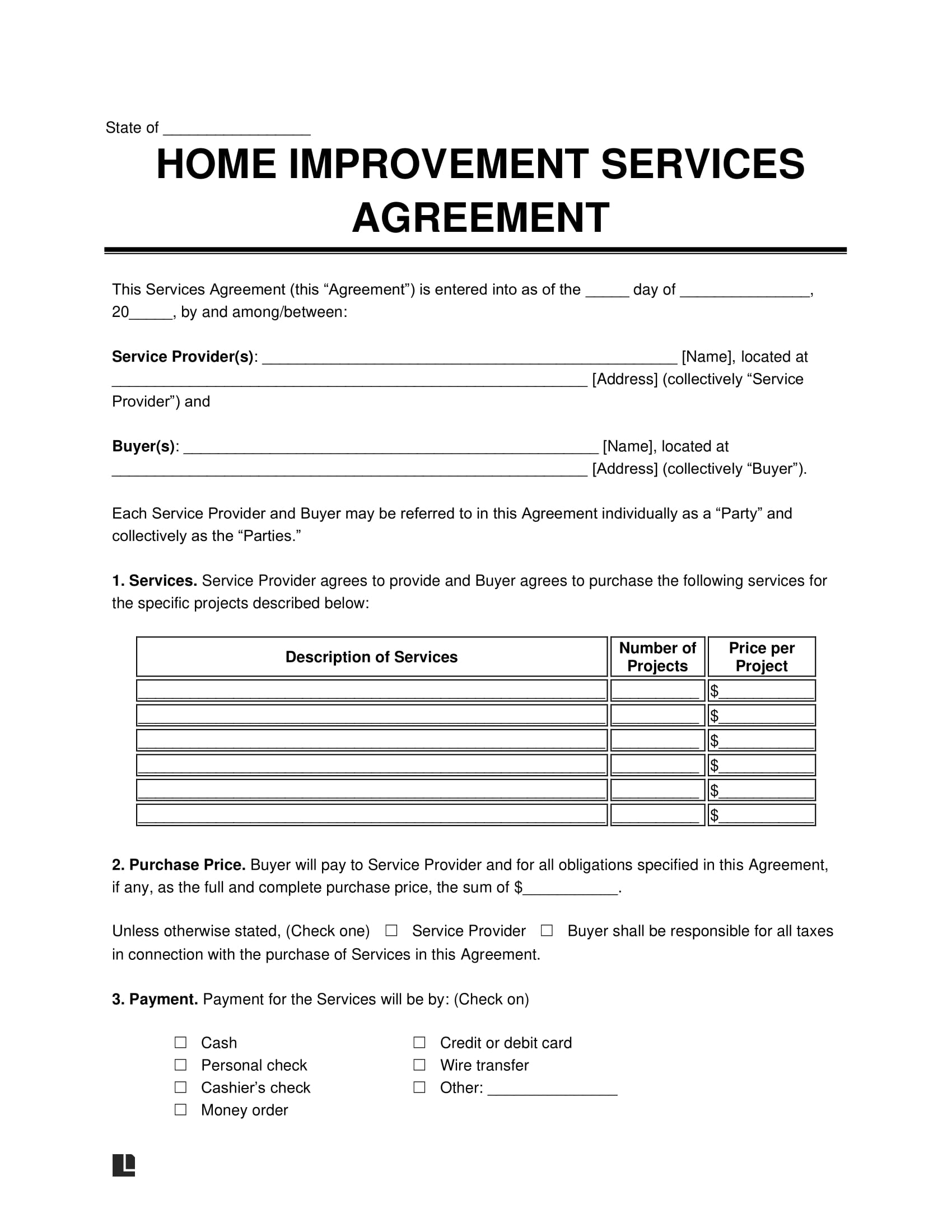
If you're hiring a contractor for your project, whether it's a home renovation or a new build, it's important to do your research. Check their qualifications, experience, and references. Ask for a detailed quote, including a breakdown of costs, and compare it with other quotes to ensure you're getting a fair price. Don't be afraid to ask questions and seek clarity on any aspects of the quote you don't understand.
The Cost of Renovations
Renovation costs can vary greatly depending on the scope of the project, the materials used, and the location. It's always a good idea to get multiple quotes from different contractors to compare prices and ensure you're getting a competitive rate. Remember, the cheapest quote might not always be the best option, so consider the quality of the work and the reputation of the contractor too.
Industry Tools and Resources
There are various tools and resources available to help with construction and remodeling projects. RSMeans, for example, is a popular cost database used by professionals to estimate project costs. It provides accurate data on materials, labor, and other construction-related expenses. These tools can be beneficial for both contractors and homeowners to ensure projects stay on budget.
Construction Jobs and Salaries
The construction industry offers a range of job roles, from general contractors and estimators to specialized tradespeople. Salaries can vary depending on experience, qualifications, and the specific role. If you're looking for construction jobs, online job boards and local employment agencies are great places to start your search.
So, there you have it! A few insights into the world of names for concrete business. It's an exciting industry to be a part of, and with the right name and approach, you can build a successful business. Good luck!
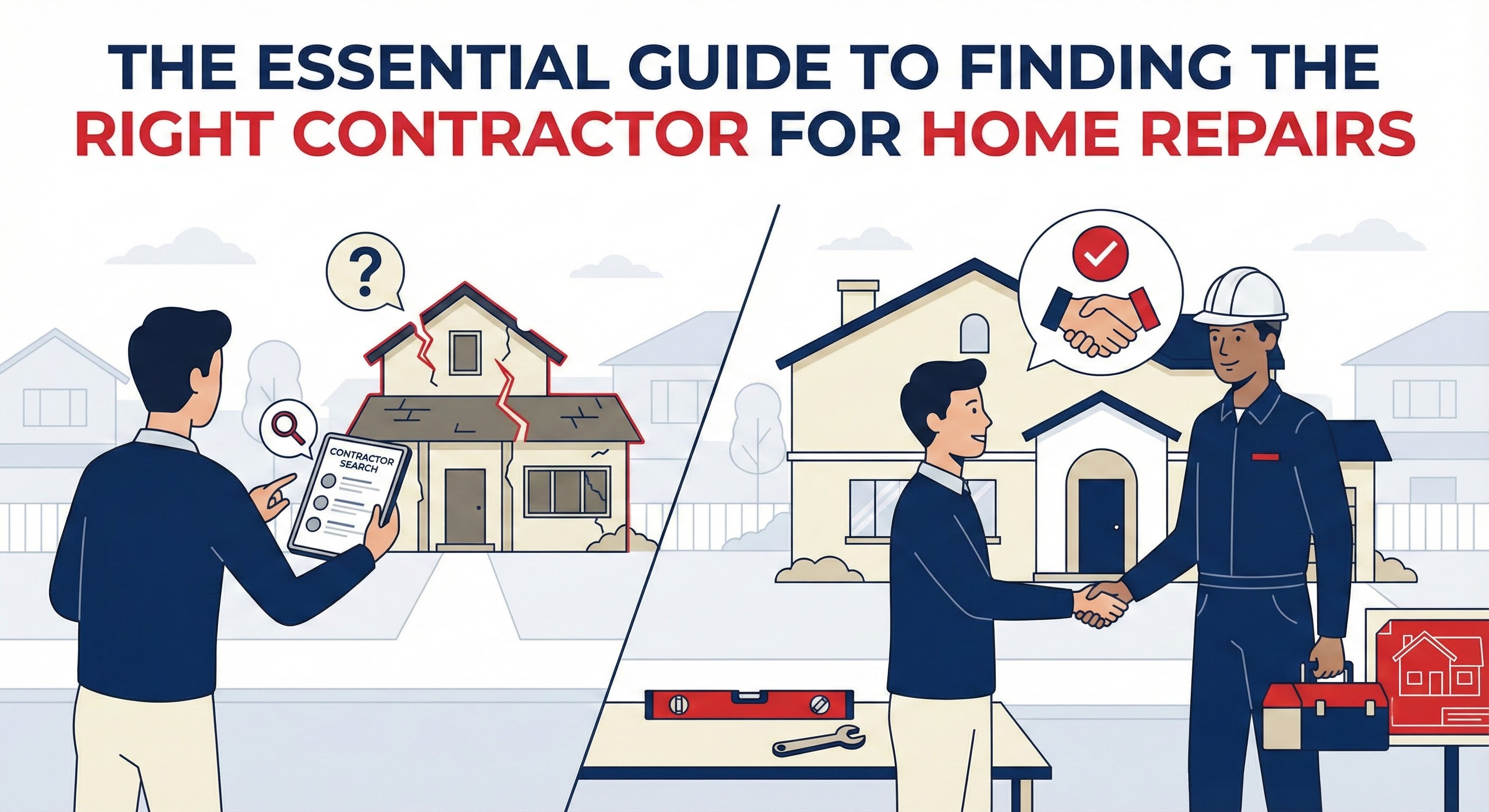
Related: Contractor for House Repair Essential Guide
"I've been putting off those house repairs for too long, but I really need to get them done. Time to find a contractor for house repair!"
All About Hiring a Contractor
So, you've got some home repairs or renovations on your to-do list, and you're thinking about hiring a contractor to get the job done. It's a big step, and there's a lot to consider. A contractor for house repair can handle all sorts of jobs, from small fixes to major overhauls. They're the experts in construction and remodeling, and they'll have the skills and tools to get your project completed.
When it comes to costs, it's tricky to give an exact figure as it depends on so many factors. The size of the job, the materials needed, and the labor involved will all impact the price. It's a good idea to get quotes from a few different contractors to compare. Look for detailed quotes that break down the costs, so you can see what you're paying for. Don't just go for the cheapest option; consider the quality of the work and the contractor's reputation too.
Finding and Choosing the Right Contractor
There are lots of contractors and building companies out there, so how do you find the right one? Word of mouth is a great way to start - ask friends or family for recommendations. You can also search online for local contractors and read reviews to get an idea of their work. When you've found a few potential contractors, give them a call or send an email to ask some initial questions.
Find out about their experience and the types of projects they typically work on. Ask about their availability and how long they estimate the job will take. It's also worth asking about any potential extra costs or unexpected issues that might arise during the work. A good contractor will be transparent and give you an honest assessment.
Naming Your Construction Business
If you're thinking of starting your own construction business, you'll need a great name. The name should be memorable and reflect the nature of your work. It might include words like 'build', 'repair', 'remodel', or 'renovate'. It could also be a play on your own name or a unique combination of words. Here are a few ideas:
- Build-It-Better
- Renovate Right
- Fix-It-Fast
- Home Remedy
- Construction Solutions
- The Repair Crew
Remember to check the availability of the name you choose. You'll need to register it locally and secure the domain name for your website.
The Construction Industry and You
The construction industry offers a range of jobs, from general contractors and estimators to specialized roles like plumbers, electricians, and carpenters. If you're looking for work, these roles are often advertised online or through local recruitment agencies. The industry is always in need of skilled workers, so it's a great field to get into.
Estimators, for example, play a crucial role in construction. They use tools like RSMeans to calculate the costs of materials and labor for a project. It's a detailed and important job, and estimators are in high demand.
Big Companies and the Industry Outlook
The construction industry is made up of a mix of small, medium, and large companies. The bigger firms often have more resources and can take on larger, more complex projects. They might have a wider range of specialized staff and more advanced tools and equipment.
However, smaller companies can offer a more personalized service and often have a strong local reputation. It's a competitive industry, and companies of all sizes are always looking for ways to stand out and offer the best service.
So, there you have it! A contractor for house repair is a great option for getting those home improvements done. It's an exciting step, and with the right contractor, you'll be enjoying your renovated space in no time.