





Plumbing And Heating Invoice Template Overview
A tattoo hurt chart is a valuable resource for anyone considering body art, offering a visual representation of the potential pain levels associated with different tattoo placements. This guide aims to demystify the process, providing an overview of how these charts work and what they can tell you.
The tattoo hurt chart is a simple yet effective tool, often presented as a table or diagram, which rates various body parts based on their pain sensitivity during the tattooing process. While the exact values may vary, depending on individual pain tolerance and the artist's technique, it serves as a useful reference point, helping you make an informed decision about your tattoo journey.
A Guide to Tattoo Pain: Understanding the Hurt Chart
The tattoo hurt chart is a valuable tool for anyone considering body art, providing an insight into the relative pain levels associated with different tattoo placements. This chart serves as a reference, offering a visual representation of pain intensity to help individuals make informed decisions about their tattoo journey.
Comparing Pain Levels: The Tattoo Pain Index
The tattoo pain index is a standardized scale that rates the pain associated with various body parts. It categorizes pain levels from mild to severe, considering factors such as skin sensitivity and nerve density. The chart typically uses a numerical scale, with higher numbers indicating greater pain. For example, a rating of 5 might represent moderate pain, while a 10 signifies an intense, uncomfortable experience.
How to Use the Tattoo Hurt Chart: A Step-by-Step Guide
Identify the Body Part: Start by locating the specific area on your body where you plan to get tattooed. Different body parts have varying pain thresholds due to their unique anatomical characteristics.
Consult the Chart: Refer to the tattoo hurt chart to find the corresponding body part. Each body part is assigned a pain rating, providing an indication of the expected discomfort.
Interpret the Scale: Understand the scale's range and what each number signifies. A rating of 3 might indicate a mild discomfort, suitable for those new to tattoos, while a 7 could suggest a more challenging experience.
Consider Personal Factors: Remember that pain perception is subjective. Your personal pain threshold and tolerance play a significant role. Some individuals may find a certain rating more bearable than others.
Discuss with Your Artist: Share your concerns and expectations with your tattoo artist. They can offer insights based on their experience and provide techniques to manage pain effectively during the process.
Common Misconceptions and Pitfalls
While the tattoo hurt chart is a valuable guide, it's essential to be aware of potential misconceptions. Firstly, pain perception varies greatly among individuals, so the chart should be used as a general reference rather than an absolute indicator. Additionally, the chart may not account for all variables, such as the complexity of the design or the artist's technique. It's crucial to have open communication with your artist to ensure a comfortable and enjoyable tattoo experience.
In summary, the tattoo hurt chart is a practical tool to navigate the pain associated with different tattoo placements. By understanding the scale, considering personal factors, and seeking professional advice, you can make informed decisions and embrace the tattoo journey with confidence.
Tattooing is an art, and like any art form, it comes with its own set of considerations. Remember that every experience is unique, and the pain threshold can vary from person to person. The chart provides a general guide, but your personal journey may differ slightly.
Feel free to explore other guides on our site to deepen your understanding and make informed choices. We've got you covered with various resources to ensure your tattoo experience is as enjoyable and comfortable as possible. Happy inking!
Related: What is a bolt sizes chart and how to use it?
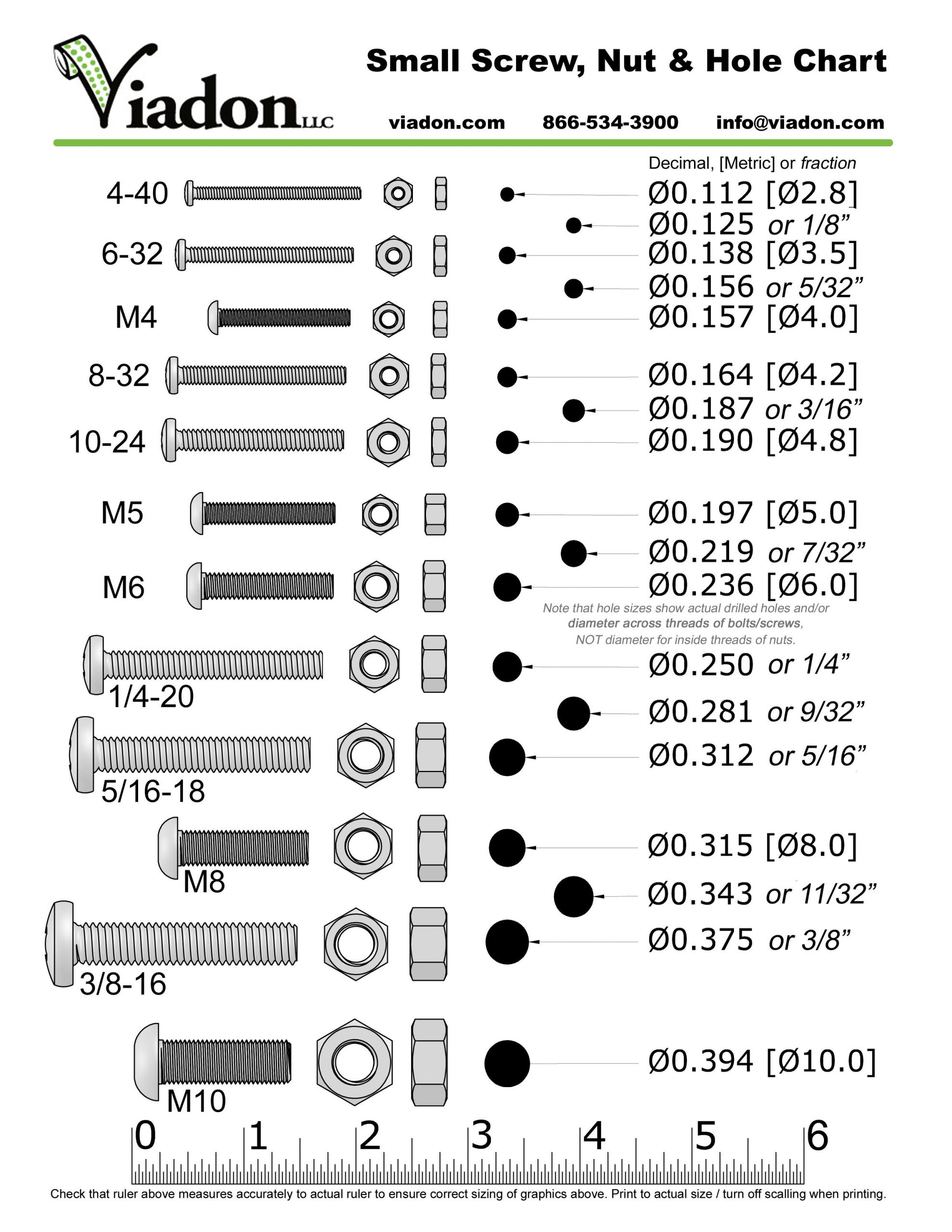
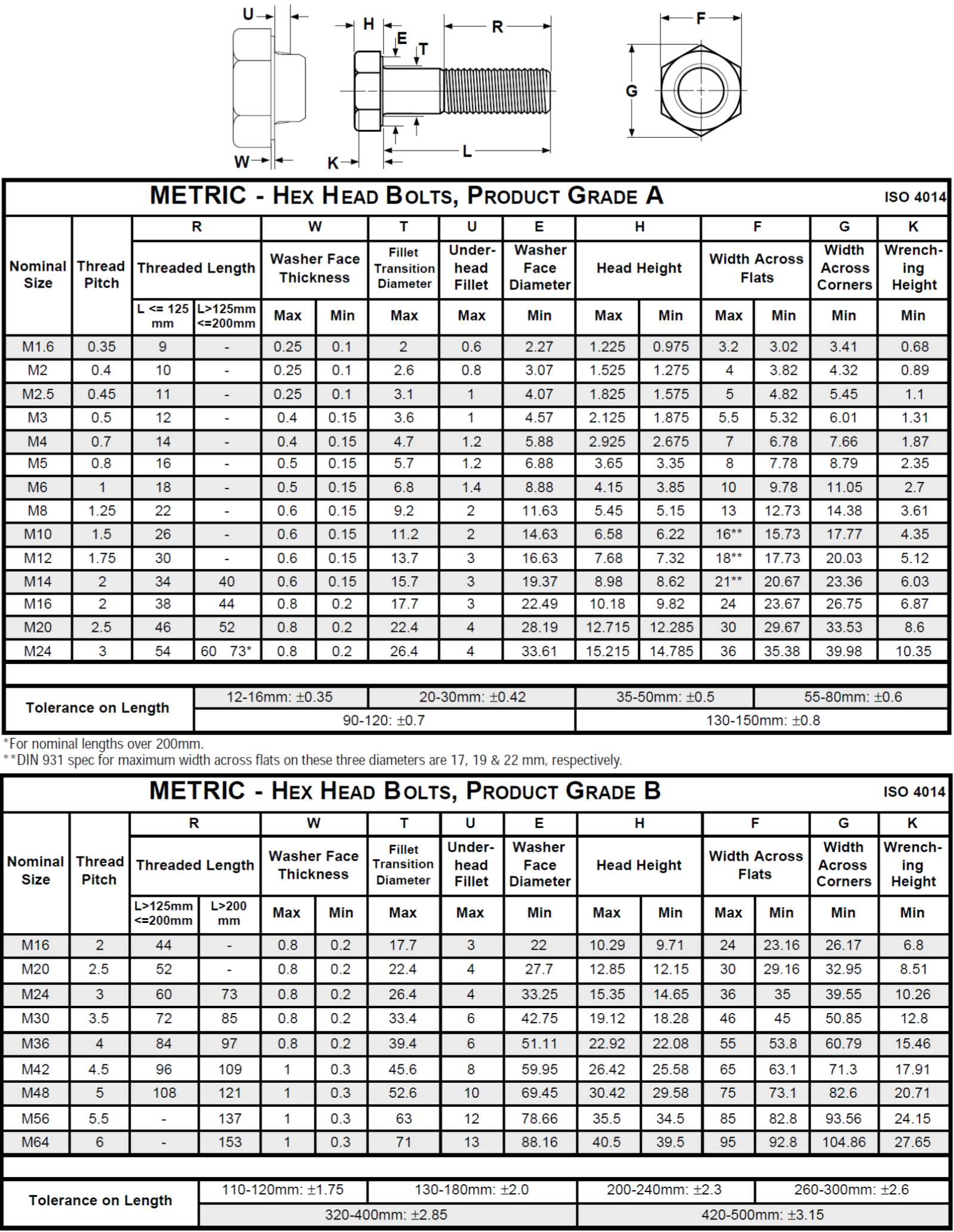
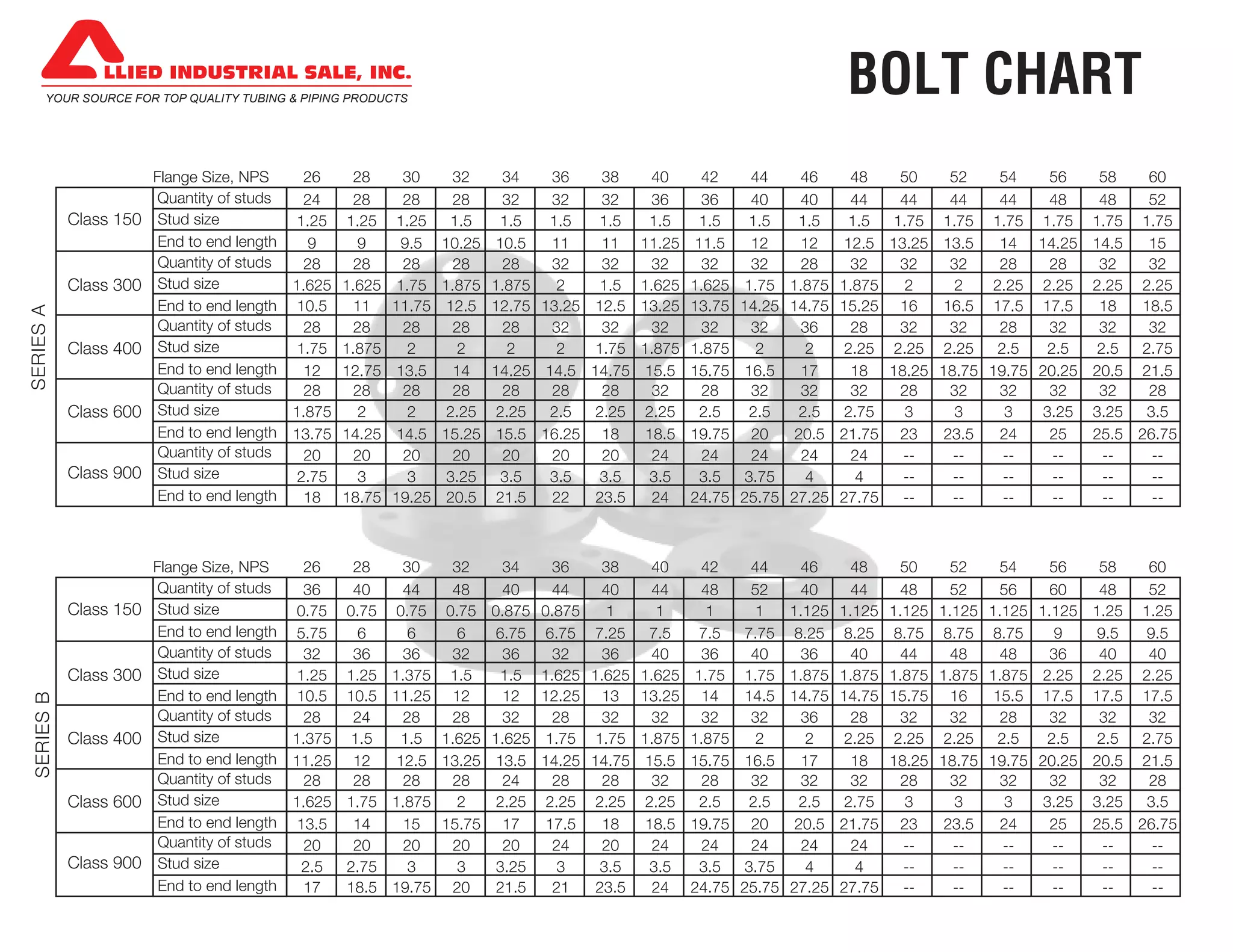
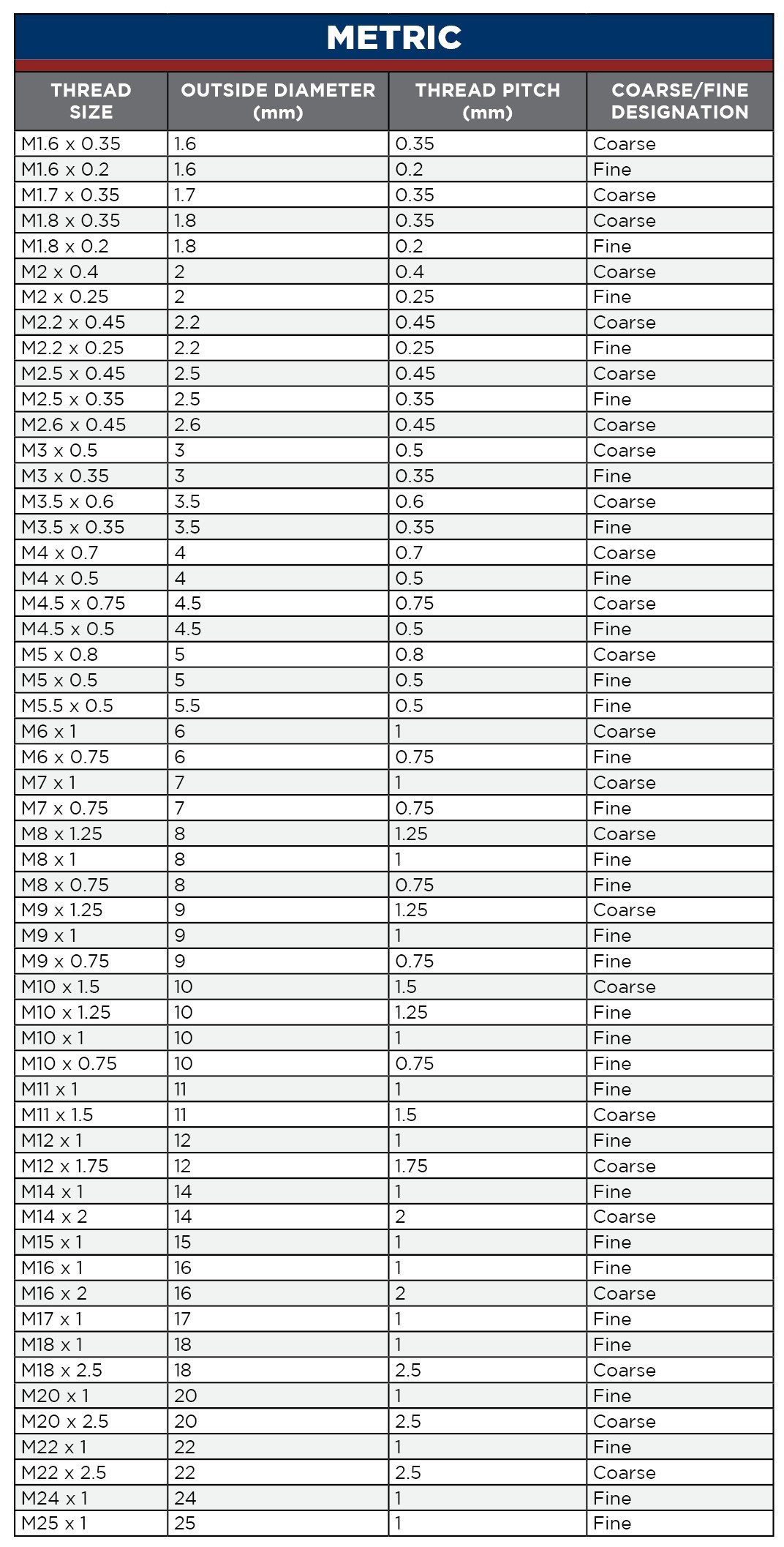
A bolt sizes chart is a handy tool for anyone seeking precise information about bolt dimensions. This guide aims to provide a clear overview, offering a quick reference for those who need to interpret and utilize such charts effectively.
The chart presents a visual representation of bolt sizes, typically including details like length, diameter, and thread pitch. While the values may vary depending on the standard or region, this guide will help you navigate and understand the key measurements, ensuring you can make accurate comparisons and selections.
Understanding the Bolt Sizes Chart
The bolt sizes chart is a comprehensive guide that provides a standardized overview of various bolt dimensions. It offers a quick reference for engineers, builders, and DIY enthusiasts to select the right bolt for their projects. This chart simplifies the process of identifying and specifying bolts, ensuring accurate and compatible fastening solutions.
Key Details and Units
The chart typically includes columns for bolt diameter, length, thread pitch, and sometimes head style. Diameter is measured across the threads, while length refers to the overall length of the bolt, excluding the head. Thread pitch represents the distance between threads and is crucial for compatibility with nuts and threaded holes. The units used in the chart depend on the standard followed, such as inches or millimeters.
Reading Bolt Specs: A Step-by-Step Guide
To use the bolt sizes chart, follow these steps:
- Identify the required bolt diameter. This is often determined by the size of the hole or the object being fastened.
- Determine the necessary bolt length. Consider the thickness of the materials being joined and any additional space needed for the nut.
- Select the appropriate thread pitch. This ensures compatibility with existing threads or the intended application.
- Cross-reference the chosen diameter, length, and thread pitch on the chart to find the corresponding bolt size.
- Verify the head style if needed. Some charts include this information, offering a complete specification.
Variations and Differences
While the bolt sizes chart provides a standardized reference, variations exist due to different standards and contexts. For instance, metric and imperial systems have distinct units and measurements. Additionally, specific industries or applications may require non-standard bolt sizes or unique head styles. It's essential to consult the relevant standard or specification for your project to ensure accuracy.
Common Mistakes and How to Avoid Them
- Failing to consider the thread pitch can lead to incompatible connections. Always check the thread pitch, especially when working with existing threads.
- Neglecting to account for head style may result in poor fit or functionality. Some bolts have unique head designs for specific purposes.
- Relying solely on the chart without considering the project's specific requirements can lead to oversights. Always double-check the exact specifications and tolerances for your application.
- Not verifying the standard being followed can cause confusion. Ensure you are using the correct chart for your region or industry.
Remember, while the bolt sizes chart is a valuable tool, it is essential to cross-reference and verify the information with the relevant standards and specifications for your project.
While the information provided in this guide offers a solid foundation, it's important to remember that bolt sizes and standards can vary slightly between different industries and applications. Exact values may differ based on the specific context and source you're working with.
Feel free to explore our other guides for more detailed insights and practical tips. We've got a range of resources to help you navigate various aspects of construction and engineering, so take a look and find what works best for your projects!
Related: Understand Teeth Color Chart: A Quick Guide
A teeth color chart is a handy tool for anyone seeking a quick and accurate way to assess and match tooth shades. This guide will walk you through the basics, covering what these charts are and how to use them effectively.
These charts, often in the form of a simple table or visual guide, provide a reference for tooth shade comparison. While the specific values and formats may vary, the concept remains the same: an easy-to-read resource for dental shade matching.
What is a Teeth Color Chart?
A teeth color chart is a visual guide that helps dental professionals and patients understand and communicate tooth shade accurately. It provides a standardized reference for comparing and matching tooth colors, ensuring consistency in dental procedures and treatments.
Key Details and Categories
The chart typically consists of a range of tooth shades, often organized in a grid or tabulated format. Each shade is represented by a unique code or label, making it easy to identify and communicate. The shades are usually based on a recognized standard, such as the Vitapan Classical Shade Guide, which is widely used in dentistry. This guide categorizes tooth colors into various groups, with each group further divided into sub-shades, providing a comprehensive and precise color reference.
Reading and Applying the Teeth Color Chart
To use the teeth color chart effectively, follow these steps:
- Prepare the teeth for shade matching by cleaning and drying them thoroughly. Natural light or specialized lighting can enhance color accuracy.
- Compare the patient's teeth with the shades on the chart. Hold the chart close to the teeth and observe the color match.
- Identify the closest shade match. Consider the overall color and any subtle variations.
- Confirm the shade with the patient and document it for future reference.
- Repeat the process for multiple teeth if needed, ensuring consistency across the dental arch.
Understanding Shade Variations
Shade variations can occur due to several factors. Natural tooth color can differ based on genetics, age, and lifestyle factors like diet and oral hygiene. External factors like staining from food, drinks, or tobacco can also impact tooth color. Additionally, lighting conditions and the observer's perception can influence shade matching. It's essential to consider these variables when using a teeth color chart to ensure accurate results.
Common Mistakes and How to Avoid Them
When working with a teeth color chart, it's crucial to avoid these common pitfalls:
- Relying solely on memory: Always refer to the chart for an accurate shade match. Avoid guessing or relying on past experiences.
- Inconsistent lighting: Ensure consistent lighting conditions to minimize errors. Natural daylight or specialized dental lighting is recommended.
- Neglecting patient feedback: Involve the patient in the shade selection process. Their perception and feedback are valuable for an accurate match.
- Overlooking oral health: Ensure the teeth are clean and free from debris or stains before shade matching.
- Using outdated charts: Keep your teeth color chart up-to-date to reflect the latest standards and shades. Regularly check for new versions or updates.
Well, there you have it! A teeth color chart is a handy tool, and now you know how to navigate it like a pro. Remember, the exact shades and values might differ slightly depending on the source or standard, so always double-check.
Feel free to explore other guides on our site for more practical tips and tricks. We've got you covered with a range of topics, so take a look and discover something new!