



Plumbing Business Invoice Overview
I was thinking about starting a names for concrete business the other day, you know, something to do with construction and building. It got me wondering about the right name, something that would stand out and be memorable. So, I did some research and here's what I found...
Choosing a Name for Your Concrete Business
When it comes to naming your concrete business, you want something that reflects the strength and durability of the industry. A name that is catchy and easy to remember will help your business stick in people's minds. Consider words like "solid", "foundation", or "build" to convey a sense of stability and reliability.
What Makes a Good Name?
A good name for a concrete business should be unique and not too generic. Avoid common terms like "construction" or "builders" as these can be used by many different companies. Instead, focus on creating a name that is specific to your business and the services you offer. You could also consider using a play on words or a clever combination of words to make your business name memorable.
Example Names
Here are a few ideas to get you started:
- Solid Foundations
- Rock-Solid Builders
- Concrete Creations
- Build-It-Right
- Stronghold Construction
- Everlast Builders
Remember, these are just a few suggestions, and you can always get creative and come up with your own unique name.
Registering Your Business Name
Once you've settled on a name, you'll need to check its availability and register it. This process varies depending on your location, so it's best to contact your local business registration office or check their website for guidance. You'll also want to secure a domain name for your website and any social media handles to ensure your online presence is consistent.
Hiring a Contractor
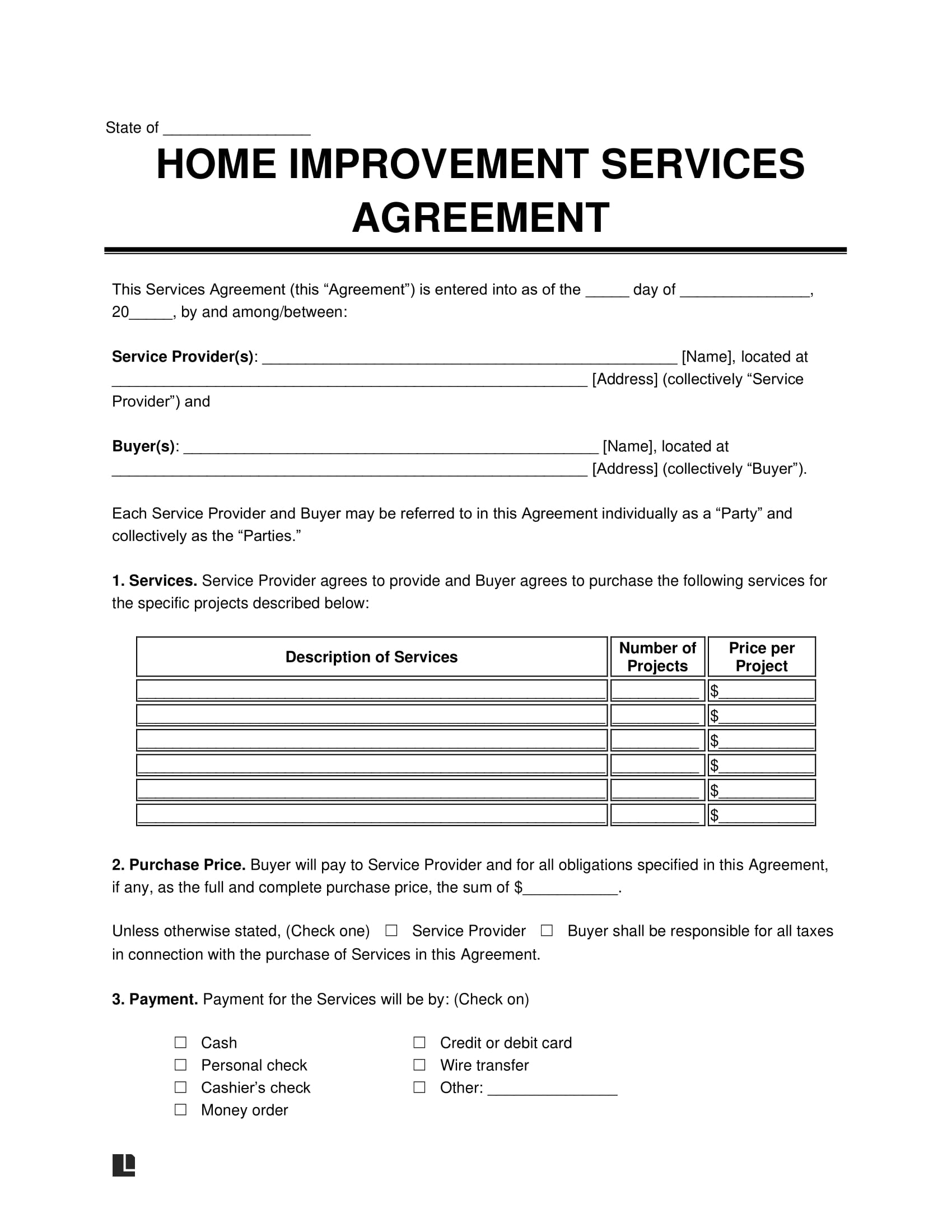
If you're hiring a contractor for your project, whether it's a home renovation or a new build, it's important to do your research. Check their qualifications, experience, and references. Ask for a detailed quote, including a breakdown of costs, and compare it with other quotes to ensure you're getting a fair price. Don't be afraid to ask questions and seek clarity on any aspects of the quote you don't understand.
The Cost of Renovations
Renovation costs can vary greatly depending on the scope of the project, the materials used, and the location. It's always a good idea to get multiple quotes from different contractors to compare prices and ensure you're getting a competitive rate. Remember, the cheapest quote might not always be the best option, so consider the quality of the work and the reputation of the contractor too.
Industry Tools and Resources
There are various tools and resources available to help with construction and remodeling projects. RSMeans, for example, is a popular cost database used by professionals to estimate project costs. It provides accurate data on materials, labor, and other construction-related expenses. These tools can be beneficial for both contractors and homeowners to ensure projects stay on budget.
Construction Jobs and Salaries
The construction industry offers a range of job roles, from general contractors and estimators to specialized tradespeople. Salaries can vary depending on experience, qualifications, and the specific role. If you're looking for construction jobs, online job boards and local employment agencies are great places to start your search.
So, there you have it! A few insights into the world of names for concrete business. It's an exciting industry to be a part of, and with the right name and approach, you can build a successful business. Good luck!
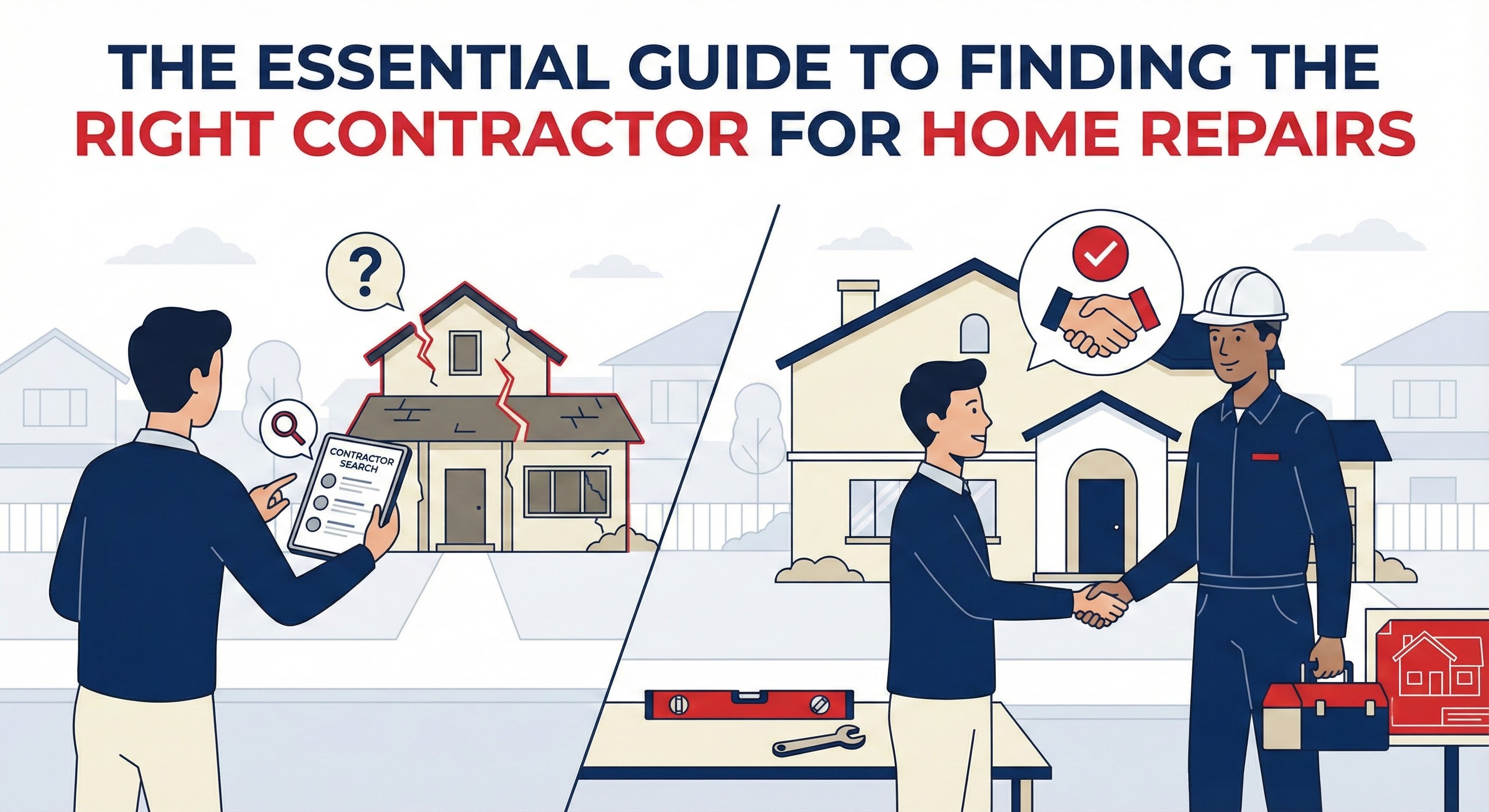
Related: Contractor for House Repair Essential Guide
"I've been putting off those house repairs for too long, but I really need to get them done. Time to find a contractor for house repair!"
All About Hiring a Contractor
So, you've got some home repairs or renovations on your to-do list, and you're thinking about hiring a contractor to get the job done. It's a big step, and there's a lot to consider. A contractor for house repair can handle all sorts of jobs, from small fixes to major overhauls. They're the experts in construction and remodeling, and they'll have the skills and tools to get your project completed.
When it comes to costs, it's tricky to give an exact figure as it depends on so many factors. The size of the job, the materials needed, and the labor involved will all impact the price. It's a good idea to get quotes from a few different contractors to compare. Look for detailed quotes that break down the costs, so you can see what you're paying for. Don't just go for the cheapest option; consider the quality of the work and the contractor's reputation too.
Finding and Choosing the Right Contractor
There are lots of contractors and building companies out there, so how do you find the right one? Word of mouth is a great way to start - ask friends or family for recommendations. You can also search online for local contractors and read reviews to get an idea of their work. When you've found a few potential contractors, give them a call or send an email to ask some initial questions.
Find out about their experience and the types of projects they typically work on. Ask about their availability and how long they estimate the job will take. It's also worth asking about any potential extra costs or unexpected issues that might arise during the work. A good contractor will be transparent and give you an honest assessment.
Naming Your Construction Business
If you're thinking of starting your own construction business, you'll need a great name. The name should be memorable and reflect the nature of your work. It might include words like 'build', 'repair', 'remodel', or 'renovate'. It could also be a play on your own name or a unique combination of words. Here are a few ideas:
- Build-It-Better
- Renovate Right
- Fix-It-Fast
- Home Remedy
- Construction Solutions
- The Repair Crew
Remember to check the availability of the name you choose. You'll need to register it locally and secure the domain name for your website.
The Construction Industry and You
The construction industry offers a range of jobs, from general contractors and estimators to specialized roles like plumbers, electricians, and carpenters. If you're looking for work, these roles are often advertised online or through local recruitment agencies. The industry is always in need of skilled workers, so it's a great field to get into.
Estimators, for example, play a crucial role in construction. They use tools like RSMeans to calculate the costs of materials and labor for a project. It's a detailed and important job, and estimators are in high demand.
Big Companies and the Industry Outlook
The construction industry is made up of a mix of small, medium, and large companies. The bigger firms often have more resources and can take on larger, more complex projects. They might have a wider range of specialized staff and more advanced tools and equipment.
However, smaller companies can offer a more personalized service and often have a strong local reputation. It's a competitive industry, and companies of all sizes are always looking for ways to stand out and offer the best service.
So, there you have it! A contractor for house repair is a great option for getting those home improvements done. It's an exciting step, and with the right contractor, you'll be enjoying your renovated space in no time.
Related: Read the 1 to 100 Chart: A Quick Guide
Many people overlook the simplicity of a 1 to a 100 chart, assuming it's just a basic number sequence. However, it's so much more than that! This chart is a powerful tool, offering a clear visual representation of numbers and their relationships. It's an essential resource for anyone wanting to grasp number patterns and sequences quickly. The beauty of this chart lies in its ability to provide an at-a-glance overview, making it easy to identify patterns and understand number lines and counting charts.
The 1 to a 100 Chart: A Quick Overview
The 1 to a 100 chart is a simple yet powerful tool for understanding and working with numbers. It's a visual representation of the numbers from 1 to 100, often arranged in a grid-like format, making it easy to read and reference. This chart is a great resource for anyone learning or teaching basic arithmetic and number sense.
Comparing Chart Formats and Standards
While the basic concept remains the same, there can be slight variations in how the 1 to a 100 chart is presented. Some charts might use a simple grid layout, while others may incorporate color-coding or additional symbols to highlight patterns or place values. The choice of format often depends on the intended audience and purpose. For instance, charts for younger learners might use brighter colors and larger fonts to make it more engaging.
Reading and Using the 1 to a 100 Chart: A Step-by-Step Guide
Start by familiarizing yourself with the chart's layout. Typically, numbers increase from left to right and top to bottom. Each number is placed in its own square or cell, making it easy to locate and read.
Understand place value. The chart can help visualize the concept of place value, as numbers increase by ones, tens, and hundreds as you move across and down the grid. This pattern is a great visual aid for understanding the base-ten number system.
Practice counting and number sequences. Use the chart to practice counting forward and backward, or to identify number patterns. For example, you can easily spot odd and even numbers, or identify number sequences like multiples of 5 or 10.
Apply it to basic arithmetic. The chart is a handy reference for addition, subtraction, and even multiplication. You can quickly find the sum of two numbers by adding them together, or identify patterns in multiplication tables.
Common Misreadings and How to Avoid Them
While the 1 to a 100 chart is straightforward, there are a few potential pitfalls to watch out for:
Misreading place value: Always double-check the position of a number to ensure you're reading the correct digit. For instance, 13 is different from 31, even though both numbers are on the chart.
Confusing number patterns: While the chart highlights patterns, it's important to understand the underlying rules. For example, recognizing that even numbers end with 0, 2, 4, 6, or 8 doesn't mean that all numbers ending with these digits are even.
Assuming universality: While the 1 to a 100 chart is a great tool, it's not a replacement for understanding specific number systems or standards. Always verify exact specifications and tolerances for your specific use case.
A 1 to 100 chart is a simple yet powerful tool, offering a quick reference guide for various tasks and calculations. We've explored the different types available and how to use them effectively, step by step.
Remember, these charts are versatile, but it's essential to ensure you're using the right one for your specific needs. Double-check the values and formats to avoid any potential pitfalls. With a bit of practice, you'll be a pro at utilizing these charts efficiently!
Consider bookmarking this page for future reference. It's a handy resource to have at your fingertips, and you never know when you might need a quick reminder on how to navigate these charts with ease.